Last updated:
The climate averages for Cape Town come from the South African Weather Service and cover the years 1961 to 1990. The mean daily maximum in Cape Town is 23.5 °C (74 °F) in November, 24.9 °C (77 °F) in December, 26.1 °C (79 °F) in January, 26.5 °C (80 °F) in February and 25.4 °C (78 °F) in March.
The mean daily minimum is 13.2 °C (56 °F) in November, 14.9 °C (59 °F) in December, 15.7 °C (60 °F) in January, 15.6 °C (60 °F) in February and 14.2 °C (58 °F) in March. From November to March, Cape Town averages between 4.6 and 6.2 rain days a month, against 13.3 in June and 13.7 in August. Drier months help, but the crossing to the island still depends on the sea, so leave a spare day in your plans.
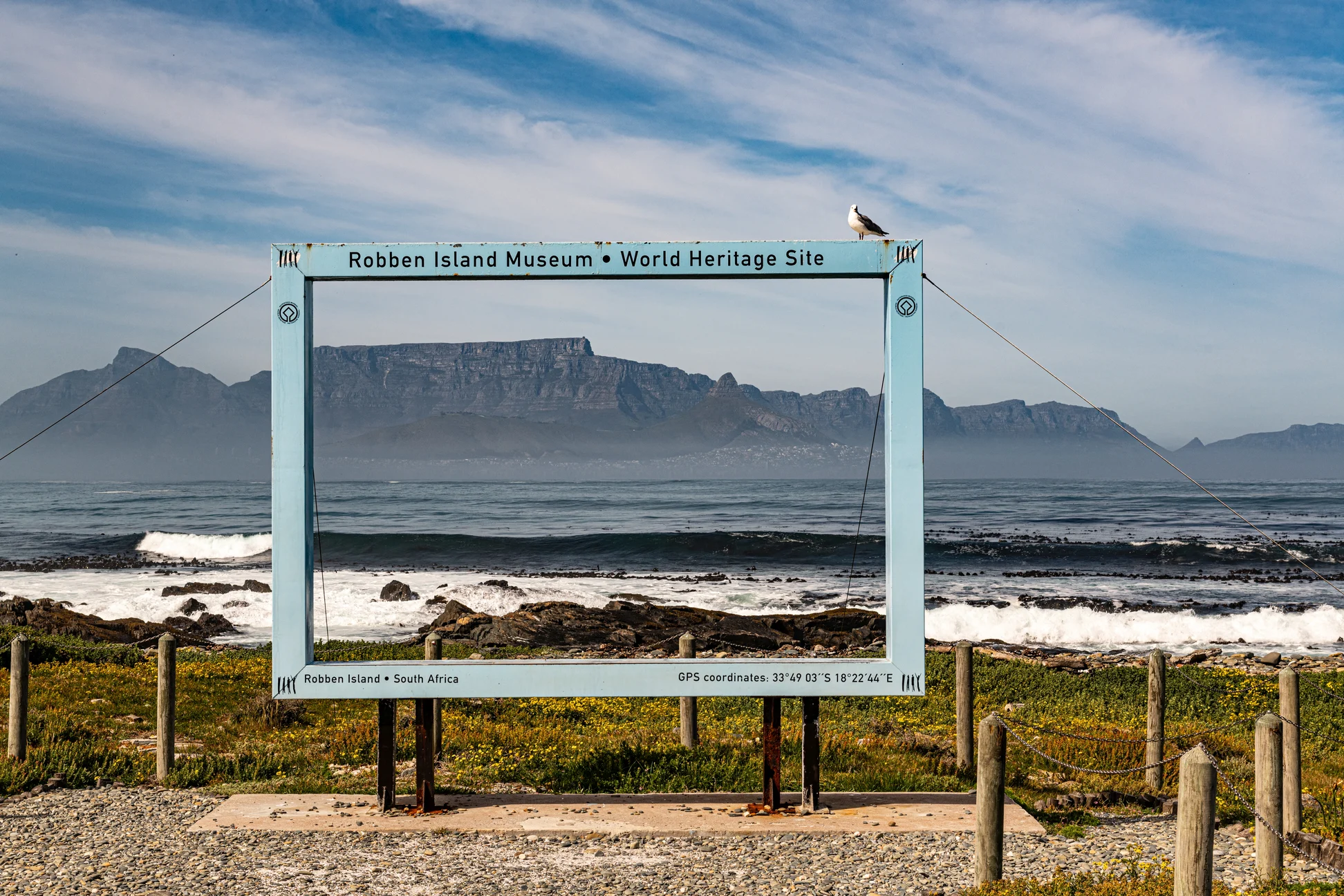
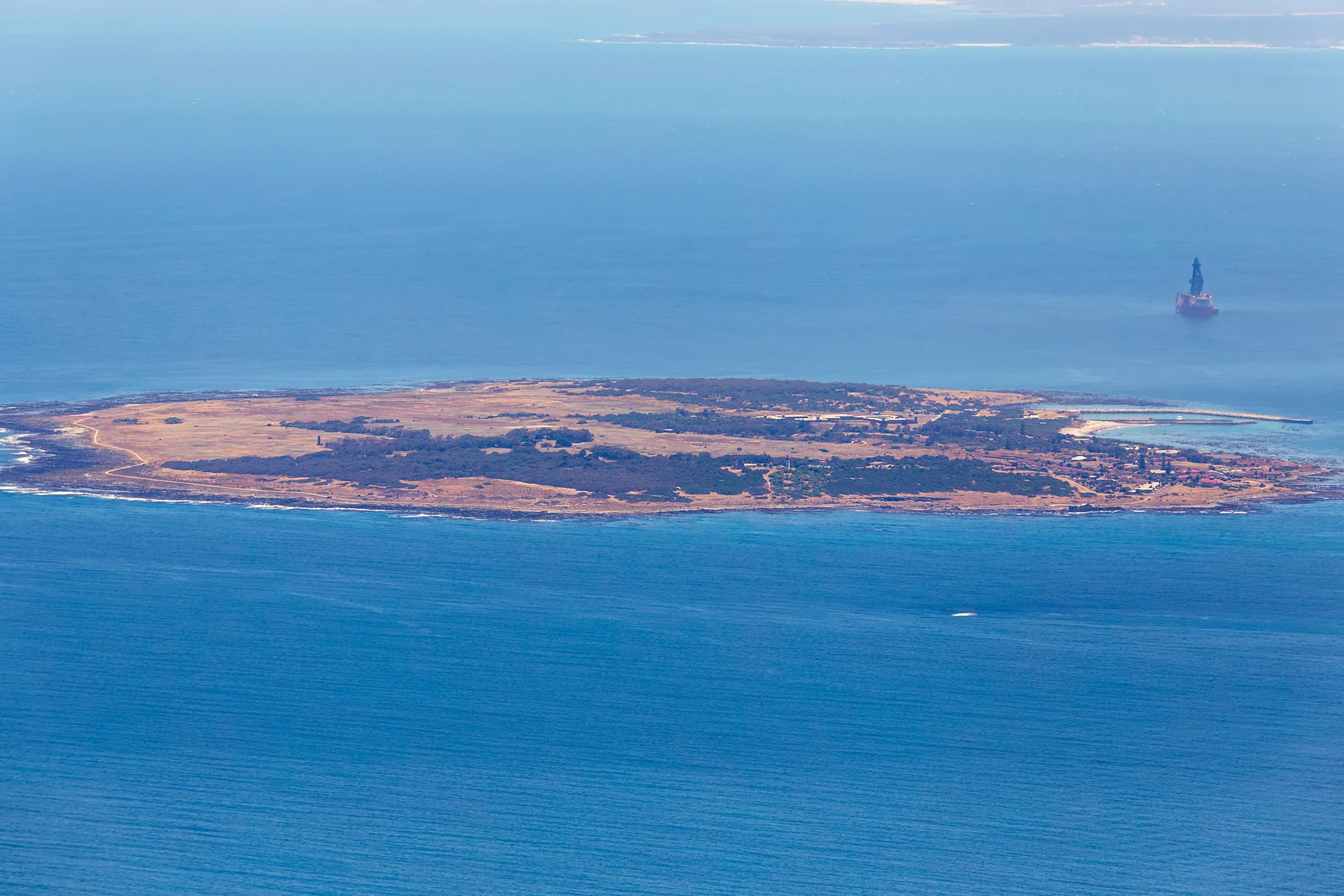
According to UNESCO, the island served at different times from the 17th to the 20th century as a prison, "a hospital for socially unacceptable groups" and a military base. For UNESCO, its buildings, above all the maximum security prison for political prisoners from the late 20th century, stand for the victory of democracy and freedom over oppression and racism. Robben Island became a World Heritage Site in 1999.
The island's story starts well before the prison. Europeans first set foot on it, as far as records show, in 1498: Portuguese sailors sheltered there and spent the night in a cave. The Kramat is a shrine to the Prince of Madura, one of several Muslim leaders who resisted Dutch colonisation; he was banished to Robben Island and died there in 1754.
Robben Island Museum is a public entity that manages the island as a national estate and World Heritage Site, and the Department of Arts and Culture set it up in 1997. The museum's ferries leave from the V&A Waterfront. The standard tour takes about 3.5 to 4 hours, including two ferry trips of 30 to 60 minutes depending on the boat.
Visitors land at Murray's Bay Harbour on the east coast of the island and take buses to the historical sites, and the prison tour is led by a museum guide. On the way to the buses you walk past a high wall that prisoners built in the 1960s, and the buildings where they once received visits from family and lawyers.
Along the route you see the leprosy graveyard, the Lime Quarry and the Bluestone quarry, Robert Sobukwe's house, the bunkers built by the army and navy and the Maximum Security Prison, and the tour ends at Nelson Mandela's cell. The museum's walking tour follows a guided route of 5 km (3.1 miles) and lasts about 5 hours; it runs at 9 am (09:00) on Fridays, Saturdays and Sundays.
From 1 September to 30 April, general tours leave at 9 am, 11 am, 1 pm and 3 pm (09:00, 11:00, 13:00 and 15:00), weather and demand permitting. Tickets are subject to availability, and early booking is recommended. Arrive at least 30 minutes before departure, because the gates close 10 minutes before.
You can book the crossing directly with the Robben Island Museum, or let a guided tour handle the tickets and transport. The Robben Island Guided Tour from Cape Town with Prison Guide keeps the day simple: the ferry, the island and the prison, with a guide who, as the operator describes it, is a former political prisoner. The Robben Island Guided Tour Cape Town with Prison Guide adds a pickup from your hotel in Cape Town and, on the operator's page, a stop at the Two Oceans Aquarium after the island.
If you prefer a guide to yourself, the Private Guided Tour: Robben Island History and Table Mountain is a private day that pairs the island with Table Mountain and a stop in Bo-Kaap. The Robben Island Ferry, Aquarium and Sunset Cruise Cape Town fills a whole day: as its operator lists it, the island, the aquarium at the waterfront and, to finish, a cruise along the coast at sunset.
There are no restaurants on the island, only a small shop with snacks and drinks, and you may bring your own food, but not alcohol. Only South African rand and credit or debit cards are accepted. Cameras are allowed for personal use, but drones and tripods are not.
The museum suggests a hat, sunglasses, sun protection cream and comfortable walking shoes. If you are prone to seasickness, the museum advises taking seasickness tablets an hour before boarding. If a tour is cancelled, you will be refunded.
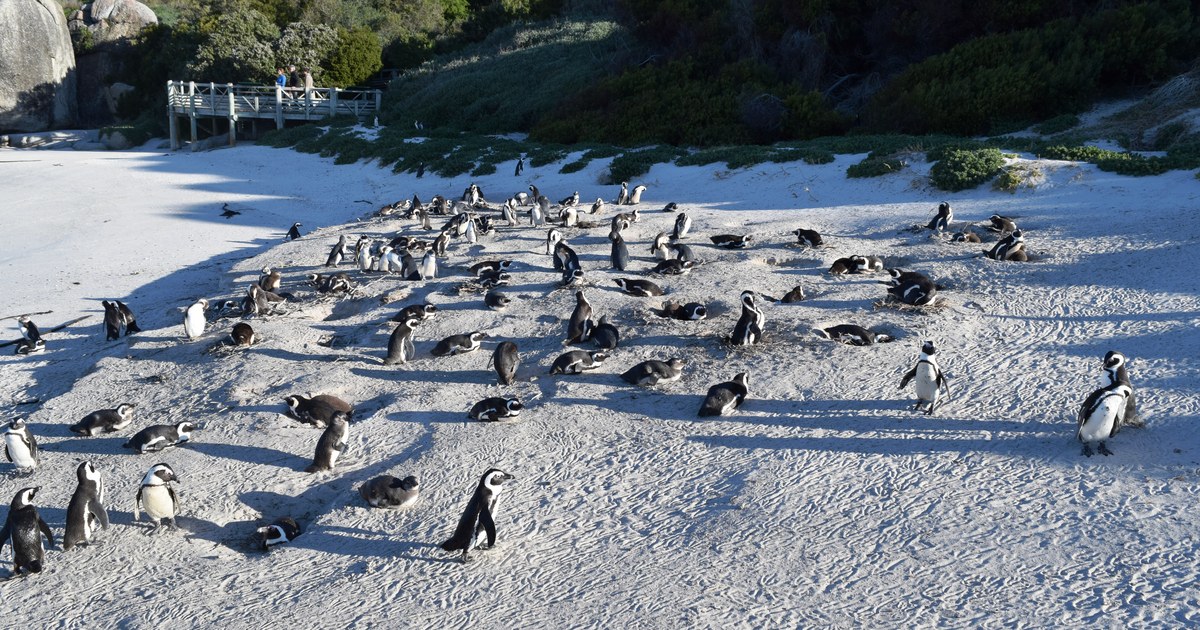
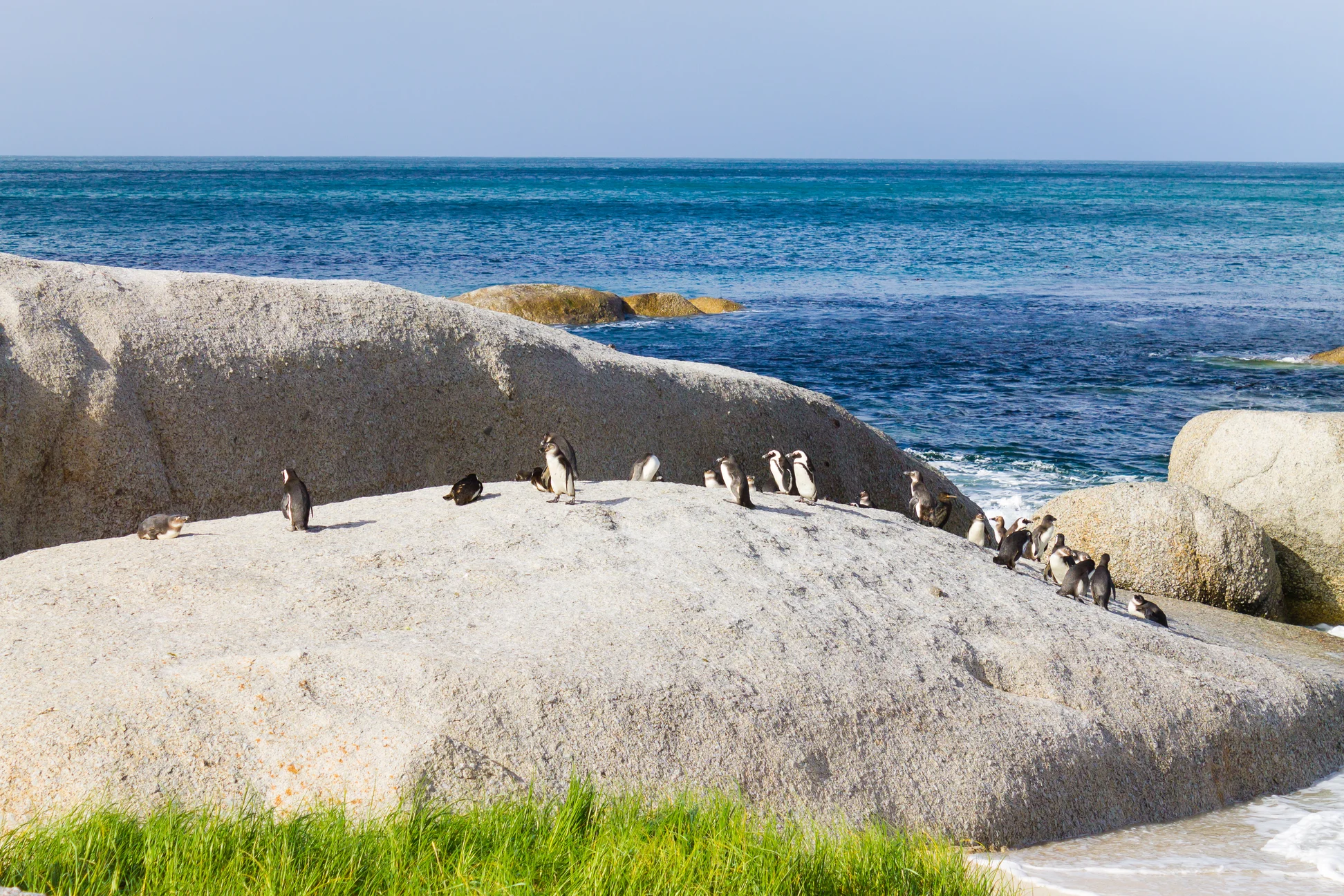
Boulders Beach is in Simon's Town, on the False Bay side of the Cape Peninsula. The penguin colony at Boulders Beach dates from 1983, the year African penguins were first seen there, having moved to False Bay from Dyer Island.
The threats to South Africa's penguins are habitat loss, falling fish stocks and the people who live alongside them. Boardwalks lead visitors across the beaches, and there is an information centre managed by SANParks. Artificial nesting boxes help to prevent the loss of chicks and give the penguins safe breeding grounds, and proceeds from visits help to boost penguin conservation efforts.
In January you can see juvenile penguins moulting on the beach, and the breeding season runs from February to August, so a visit in February or March falls early in the nesting months.
The guided days below pair Boulders Beach with the Cape of Good Hope, further south on the same peninsula. The Cape Point & Boulder Beach Penguins Small Group Day Trip is a small-group day that starts in Bo-Kaap and, according to its operator, follows Chapman's Peak Drive before the penguins and the Cape of Good Hope.
The Cape Town Full-Day Tour: Cape Point & Boulders Penguins is a private version from your accommodation in Cape Town; its operator lists the Atlantic Seaboard, the penguin colony and the Cape of Good Hope Nature Reserve. The Full-Day Cape Peninsula Tour with Penguins and Cape Point collects you at your hotel and passes through Simon's Town on the way back. For a shorter outing, the Cape of Good Hope Half-Day Tour with Penguins covers the penguins and the Cape Point headland; its page lists the return by Chapman's Peak Drive.
It is possible, but a long day. The island alone takes half a day once you count the ferries, and Simon's Town is on the far side of the peninsula from the waterfront. Two separate days are calmer, and they keep a buffer if a sailing is cancelled: put Robben Island first, so a lost crossing can move to the next day.
Read the current GOV.UK travel advice for South Africa, or your own government's current advice, before you book. Recent violent attacks and muggings of hikers and foreign visitors have been reported in Table Mountain National Park, Lion's Head and Signal Hill included, which matters if you add a hike to either day.
Avoid isolated beaches, and do not walk alone on beaches when they are deserted, especially after dark. On the busier beaches, swim only between the red and yellow flags, and follow the warning signs and what the lifeguards tell you. Take care near seals, both in the water and on the shore. Wildfires can happen during hot and dry weather, including in Cape Town and in Table Mountain National Park.
Keep a photocopy of your passport's photo page and of your visitor's permit page with you, and leave the passport itself in a hotel safe or somewhere else secure. Check that your passport has at least 2 blank pages and is valid for at least 30 days beyond your departure from South Africa. British visitors on holiday do not need a visa for stays of up to 90 days. To enter South Africa you need a yellow fever vaccination certificate if you are coming from a country listed as a transmission risk. The GOV.UK health advice for South Africa says to check the latest vaccine recommendations for South Africa at least 8 weeks before your trip.
Yes, it is wise. The museum sells tickets subject to availability and recommends booking early, and sailings run only when the weather allows. A cancelled tour is refunded.
Allow 3.5 to 4 hours for the standard tour, with the two ferry crossings included. The walking tour on Fridays, Saturdays and Sundays lasts about 5 hours.
In January you may see young penguins moulting on the sand. Breeding starts in February and lasts until August, so a visit from January to March falls in one or the other.
Yes. Average highs range from 23.5 °C (74 °F) in November to 26.5 °C (80 °F) in February, with 4.6 to 6.2 days of rain a month.