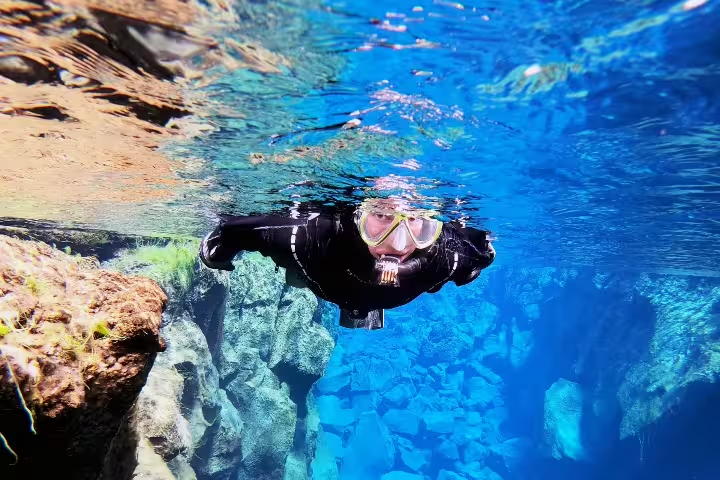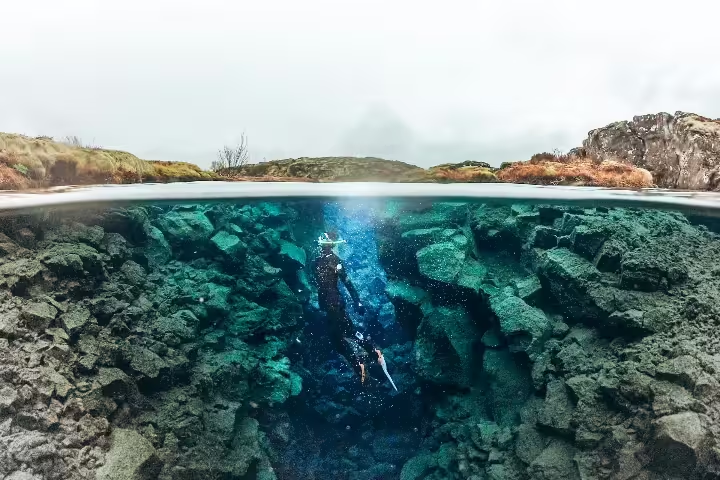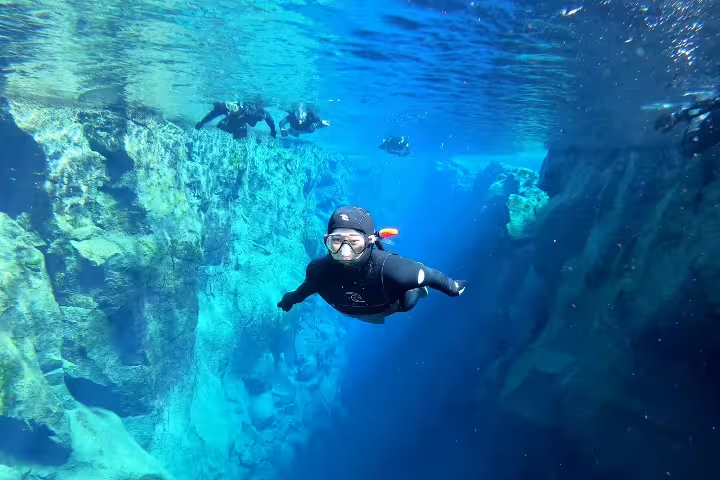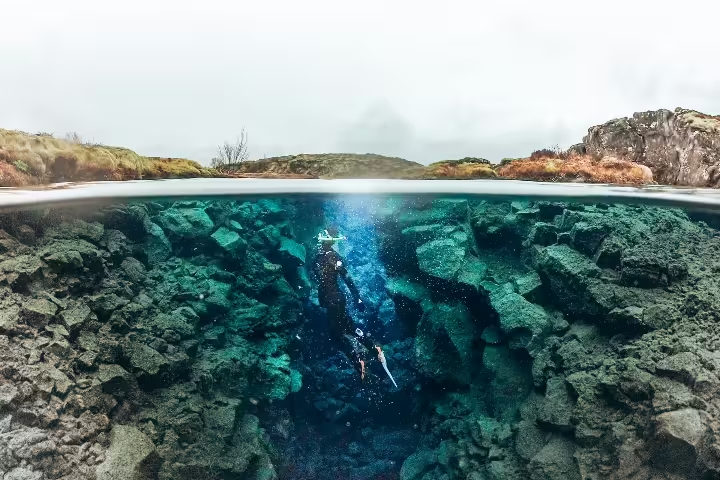
For those who seek to venture beyond the shoreline, underwater diving offers an unparalleled opportunity to enter a silent, weightless world of vibrant beauty. This global activity encompasses everything from the surface-level wonder of snorkeling to the technical complexities of scuba diving. The ocean covers more than 70% of our planet, and descending into its depths reveals an alien landscape of coral reefs, ancient shipwrecks, and an incredible diversity of marine life. Whether you are floating over a shallow sun-drenched reef or navigating the crystalline waters of a deep-sea trench, the sense of underwater adventure is a transformative experience that changes your perspective on the world above.
Modern dive trips are more accessible than ever, catering to a wide range of skill levels. Beginners can take their first breaths underwater through introductory programs or work toward a world-recognized PADI certification, while advanced enthusiasts can push their limits with specialized deep diving, night diving, or cave diving expeditions. With a vast network of dive resorts and liveaboard diving vessels stationed at the world’s best diving destinations, the opportunity to explore the blue heart of our planet is limited only by your curiosity.
The history of underwater diving is a testament to human ingenuity and the desire to explore the unknown. For millennia, divers relied on simple breath-holding techniques to harvest pearls and sponges. It wasn't until the mid-20th century, with the co-invention of the Aqua-Lung by Jacques Cousteau and Émile Gagnan, that the modern era of scuba diving truly began. This breakthrough allowed humans to remain submerged for extended periods, turning the ocean floor into a laboratory for scientists and a playground for adventurers.
In the decades since, the sport has evolved through significant technological advancements. The development of the first PADI certification courses in the 1960s standardized dive safety and training, making it possible for millions of people to become an open water diver. Today, the focus has shifted toward reef conservation and the use of technology like high-definition underwater photography and advanced rebreathers to document the fragile beauty of the deep. Modern underwater diving is no longer just about the thrill of the descent; it is a vital tool for environmental awareness and the protection of our global marine life.
Dive sites are located across every ocean, ranging from the warm waters of tropical diving paradises to the hauntingly clear, cold waters of high-latitude fjords. Most regions feature professional dive boats that depart from local marinas or are hosted within dedicated dive resorts.
Planning dive trips requires attention to seasonal visibility and weather patterns. Costs typically include the rental of dive gear, boat fees, and the expertise of dive instructors. For those seeking an immersive experience, liveaboard diving offers multi-day itineraries to remote locations that are inaccessible by day-trip vessels.
Adaptive underwater diving programs have made the sport remarkably accessible to individuals with physical disabilities. The weightlessness of the water provides a liberating environment, and many dive instructors are specifically trained to facilitate these experiences. Most modern dive boats and resorts are equipped with the facilities needed to support a wide range of mobility needs.
We prioritize dive safety and environmental responsibility. We recommend only choosing operators who adhere to strict international standards for PADI certification and those who actively participate in reef conservation initiatives. For the best experience, we suggest starting with beginner diving in calm, shallow waters before advancing to more technical dive sites.
🐠 Coral Reefs: Immerse yourself in the "rainforests of the sea," teeming with colorful fish and intricate coral structures.
🚢 Wreck Diving: Explore the haunting beauty of sunken vessels and airplanes that have become artificial reefs.
🔦 Night Diving: Witness the ocean transform as nocturnal creatures emerge and corals feed under the glow of your torch.
🧗 Cave Diving: Navigate through ancient, flooded limestone chambers for the ultimate technical challenge.
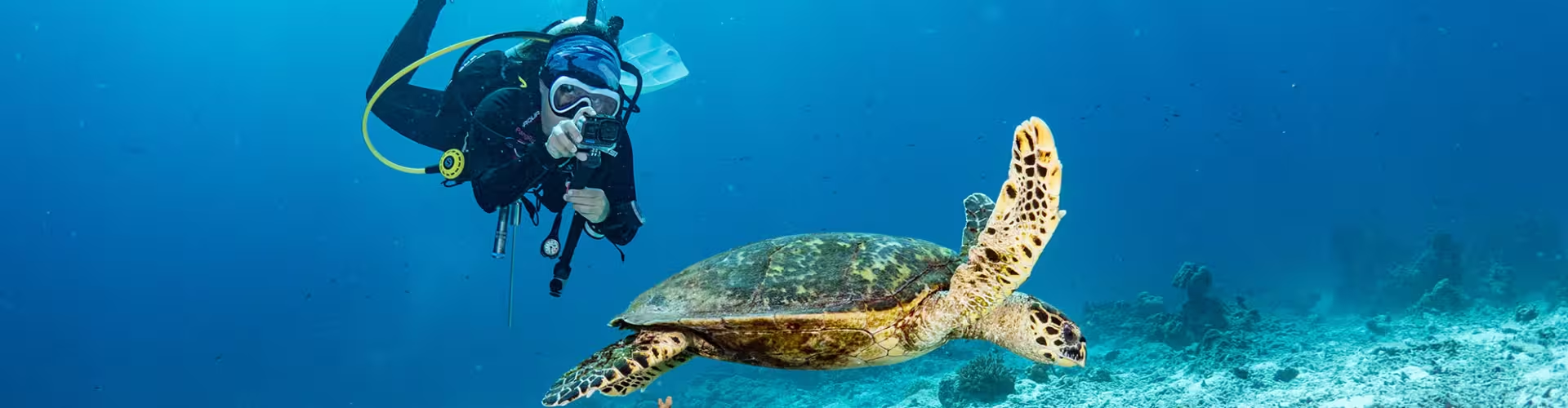
🐢 Marine Life Encounters: Swim alongside majestic sea turtles, playful dolphins, and awe-inspiring whale sharks.
📸 Underwater Photography: Capture the ethereal light and vibrant colors of the deep with specialized camera equipment.
⛵ Liveaboard Diving: Spend days at sea, waking up over a new world-class dive sites every morning.
The typical day for scuba diving begins at the dock as the sun rises. After meeting your dive instructors and fellow adventurers, you board the dive boat for a briefing on the day’s objectives and dive safety protocols. The morning is spent checking your dive gear—ensuring your regulator, BCD, and tanks are in perfect working order. As the boat arrives at the first of the dive sites, the anticipation builds. Rolling backward into the water, you leave the surface world behind and descend into the blue.
As you reach the target depth, your breathing becomes rhythmic and slow. On a tropical diving excursion, the sheer scale of the marine life is overwhelming; schools of barracuda might swirl above you while a well-camouflaged octopus hides in the reef below. Between dives, the "surface interval" is spent on the boat deck, sharing stories and identifying species with the help of your guides. For those on beginner diving programs, the sense of accomplishment after successfully completing a skill under the supervision of dive instructors is a high point of the trip. By the time the boat returns to the shore, you are left with a profound sense of peace and a collection of memories that few on land will ever experience.
To ensure a successful underwater adventure, always perform a thorough "buddy check" with your partner before every entry; dive safety is a collective responsibility. If you are interested in underwater photography, start with a simple point-and-shoot camera and master your buoyancy first, as stable hovering is the key to clear shots without damaging the coral reefs.
For those planning their first dive trips, consider completing the theory portion of your PADI certification online before you travel. This allows you to spend your vacation time in the water rather than in a classroom. When choosing dive gear, a well-fitting mask is the most important personal investment you can make. Finally, always respect the "no-touch" rule; protecting the delicate marine life and contributing to reef conservation ensures these sites remain pristine for the future.
Dive hubs are often situated in vibrant coastal communities with much to offer.
Marine Museums: Learn about the ocean's history and biology after your morning scuba diving session.
Bait and Tackle Shops: Even if you aren't fishing, these shops are often great places to hear local reports on water conditions.
Seaside Cafes: The perfect spot to log your dives and refuel with fresh local cuisine.
Beachfront Promenades: Enjoy a sunset walk and a bit of snorkeling in the shallows right off the sand.
This guide to underwater diving offers a global framework for aquatic exploration. Curated by Toursxplorer.com, these insights ensure that your next underwater adventure is safe, sustainable, and unforgettable.
Do I need to be a strong swimmer to try scuba diving? While you don't need to be an Olympic athlete, you should be comfortable in the water. For a full PADI certification, you will need to demonstrate basic swimming skills and the ability to float.
Is underwater diving dangerous? When following established dive safety protocols and staying within your training limits, scuba diving is statistically very safe. Professional dive instructors are trained to manage risks and ensure a controlled environment.
What is the best age to start diving? Most organizations allow children as young as 10 to start beginner diving programs like the Junior Open Water Diver course. There is no upper age limit, provided you are in good health.
What is wreck diving? Wreck diving involves exploring sunken ships, aircraft, or other man-made structures. It requires specialized training to manage the unique risks associated with overhead environments and silt.
How long does a PADI certification take? A typical open water diver course takes 3 to 4 days, involving a mix of classroom learning, confined water (pool) sessions, and four open-water dives.