
Boat Tours in Venice
Venice, Italy
42 experiences

Last updated:


Venice rewards a plan that leaves room for both art and the lagoon: balance the paintings of Scuola Grande di San Rocco with Murano's glassmaking and Burano's colourful houses. The contrast lets you build your visit around what interests you, rather than treating every stop as another monument.
Two days would let you devote a day to Venice's art and another to Murano and Burano. On the city day, pair the Peggy Guggenheim Collection with Scuola Grande di San Rocco if paintings are your priority. Peggy Guggenheim's former home, Palazzo Venier dei Leoni, houses the collection beside the Grand Canal, while San Rocco offers Tintoretto's scenes from the Old and New Testaments.
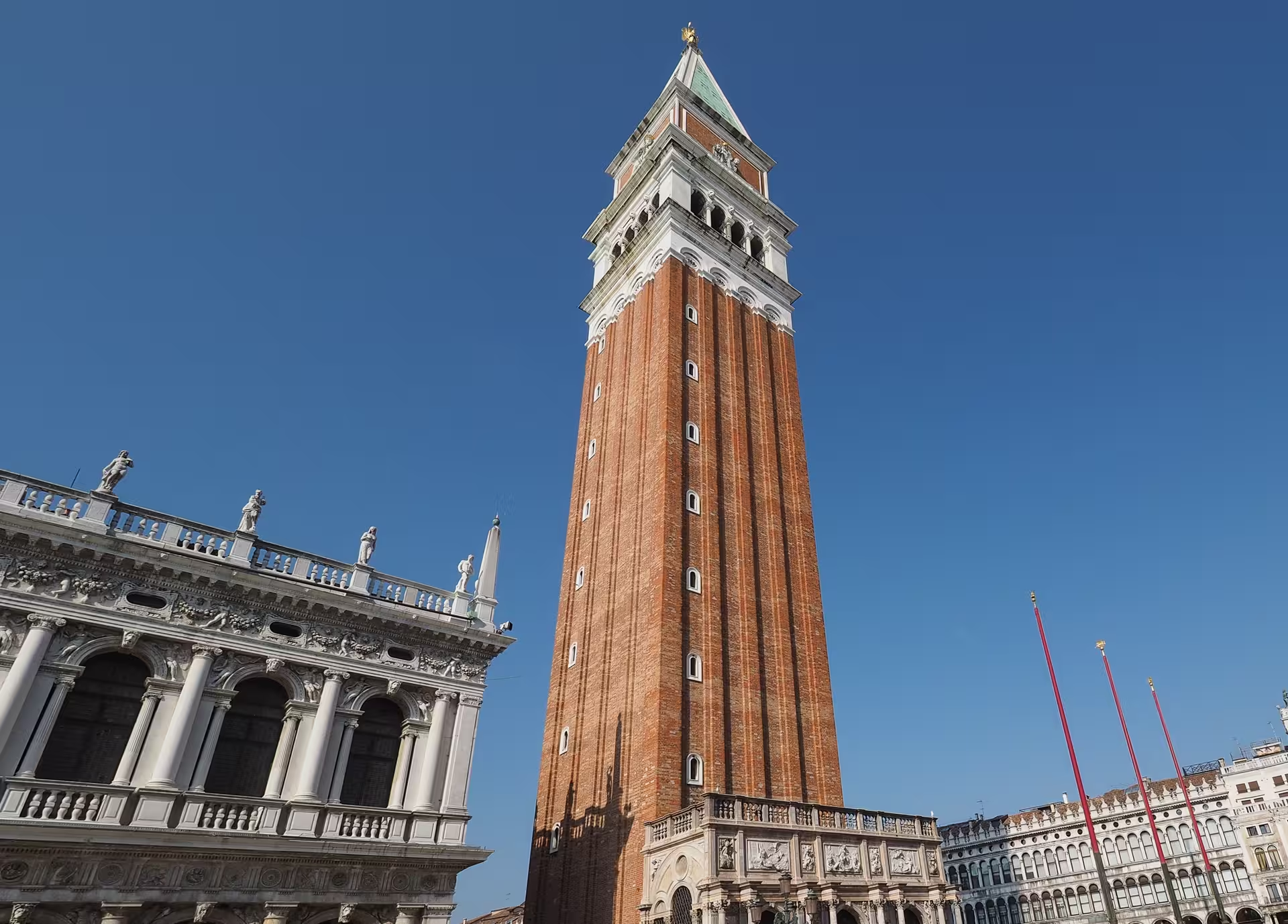
The island day shifts the focus from collections to glassmaking on Murano and the bright houses of Burano. Keeping that day separate gives each interest space in the plan without trying to fit the whole visit around paintings.
Scuola Grande di San Rocco is the place to focus on Tintoretto, while the Peggy Guggenheim Collection combines a collection visit with its setting in a former home. San Rocco has more than 60 canvases by Tintoretto, so it makes sense to give the paintings a dedicated part of your day. Its ground-floor hall concentrates on the life of the Virgin and the childhood of Christ, a clear focus if you prefer following a theme to counting works.
A walk planned around a district gives you a clearer focus than trying to cover the entire historic centre. The local districts, or sestieri, are Cannaregio, Castello, Dorsoduro, San Marco, San Polo and Santa Croce. Ghetto Nuovo makes an island within Cannaregio, with access across bridges, so include those crossings when shaping a walk in that district.
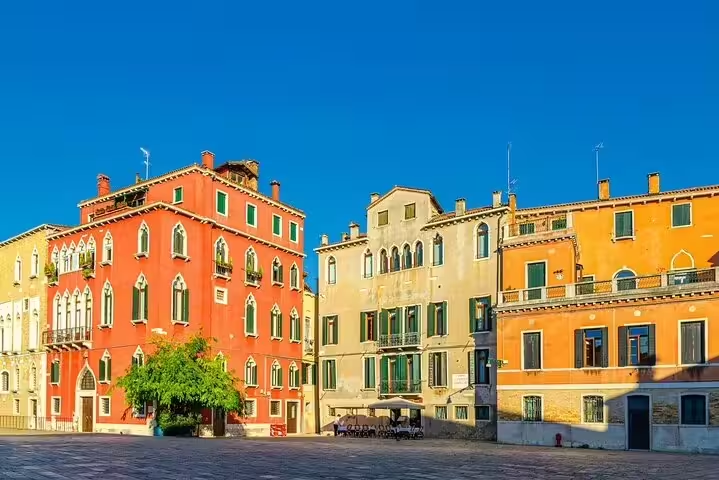
If puzzles appeal more than a conventional walk, the self-guided Venice adventure walking game and city tour provides digital access to the game. If photography is your priority, a private guided photo session and walking tour in Venice offers guidance on taking photographs.
September is worth planning around if you want to see the Regata Storica on the Grand Canal. It takes place on the first Sunday of the month, giving an event-focused visit a specific date to work towards. November offers another focus: Venice celebrates the Festa della Madonna della Salute on 21 November.
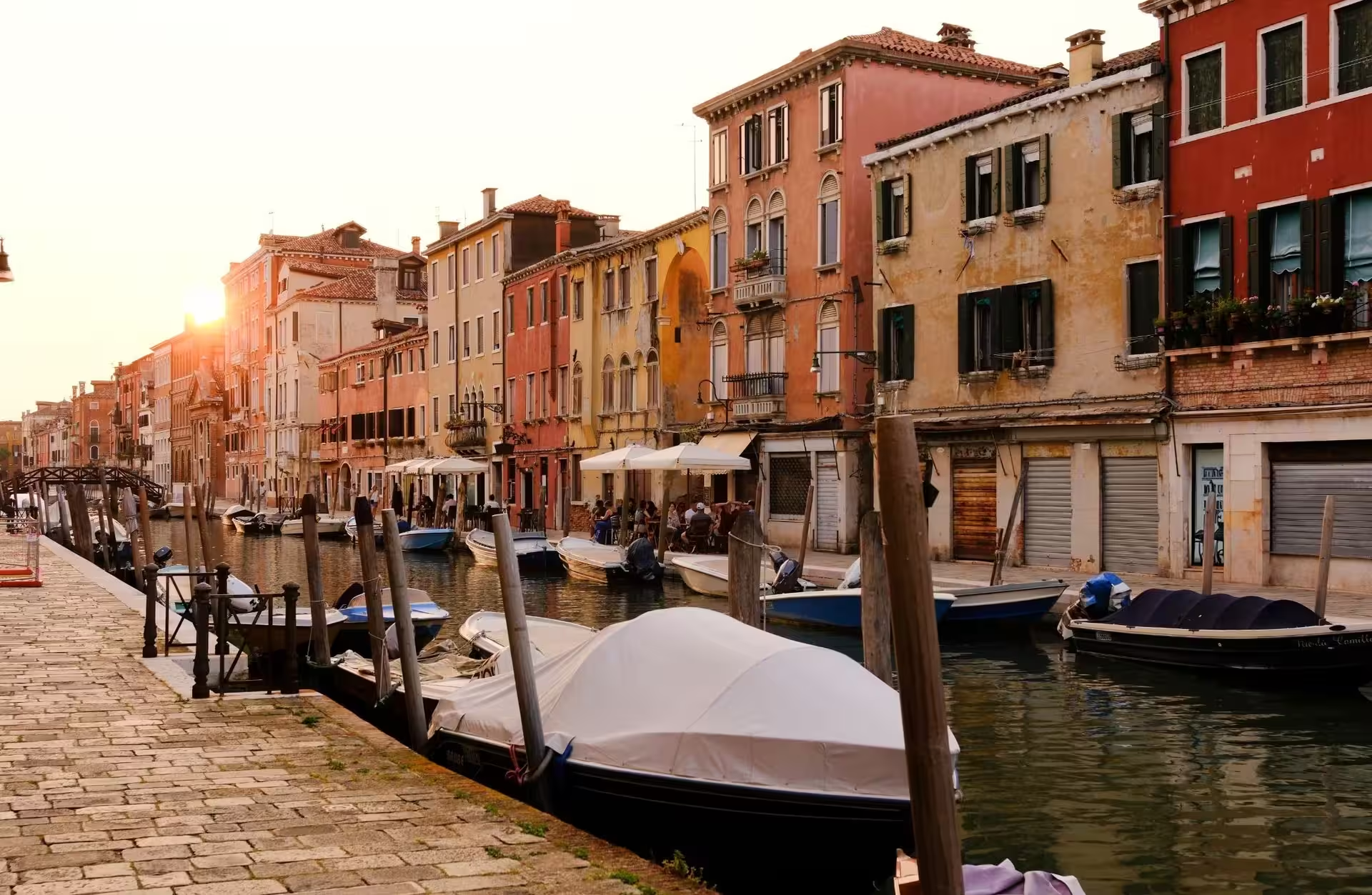
Sarde in saor is worth ordering if you enjoy sweet-and-sour flavours with fish. The dish brings sardines together with an onion condiment that balances those flavours. If you want to taste wine alongside cicchetti, the natural wine and cicchetti tasting in Venice offers a tasting with pairing explanations.
For an interest in Veneto wines beyond the Venice tasting, the guided wine tasting with food pairing in Veneto offers commentary from a certified sommelier.
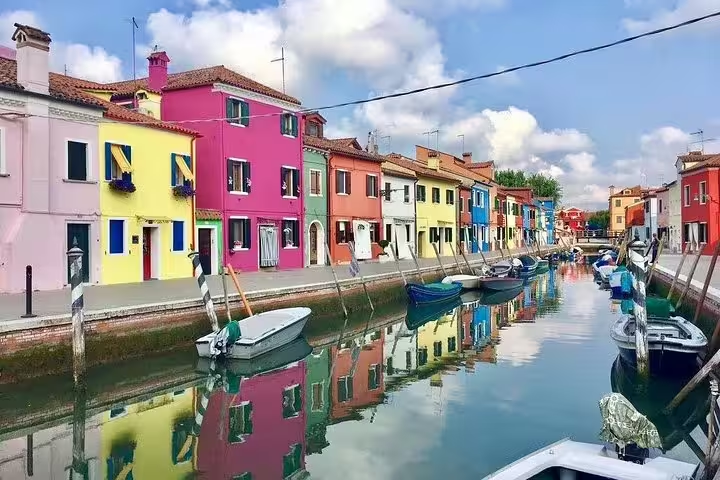
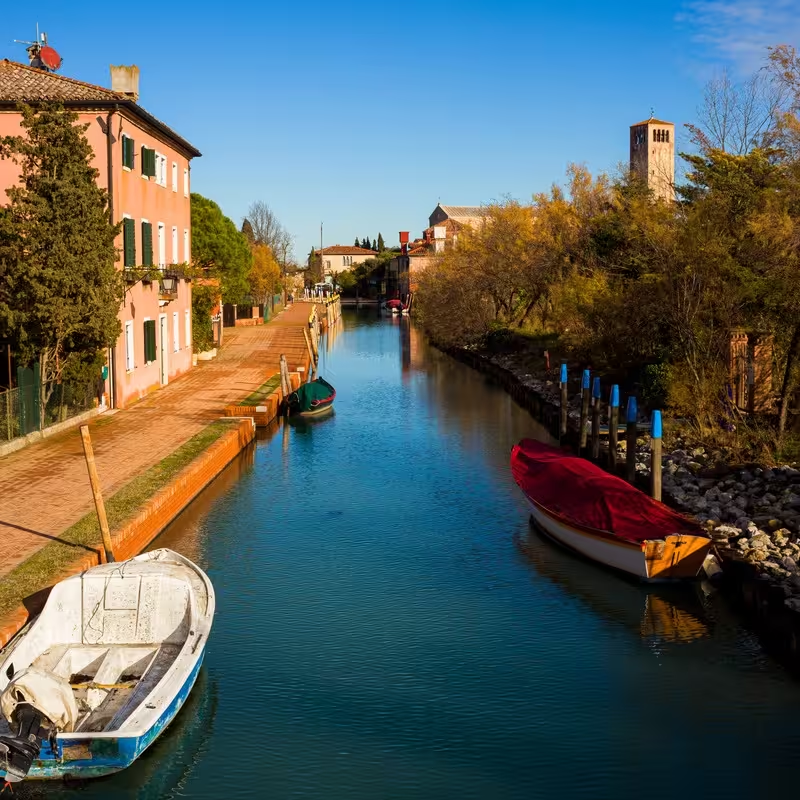
Murano is the choice for an interest in glassmaking; Burano is the choice for colourful houses. Glassmaking remains a continuous tradition on Murano, so its appeal goes beyond a historical association with the craft. Burano's bright houses give the island visit a different visual focus.
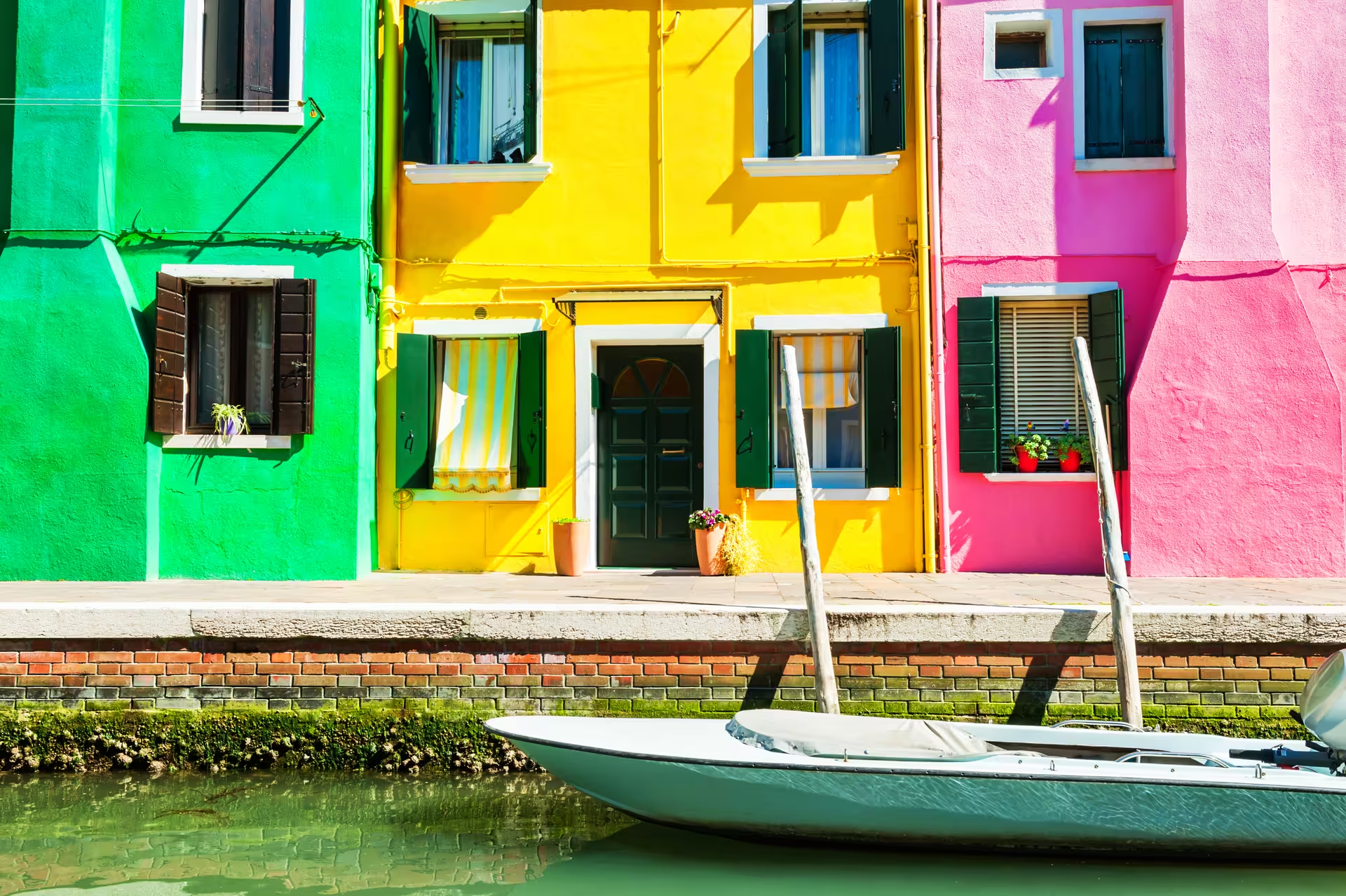
The Venetian Lagoon also has a natural side worth keeping in mind alongside the island visits. It is a wetland supporting rare or threatened plants and animals, so an interest in the lagoon need not be limited to buildings and crafts.
ACTV route 5 and the ATVO express bus both run between the airport and Piazzale Roma.
Risi e bisi is rice with peas, traditionally served to the Doge on 25 April.
Yes, the World Heritage listing covers Venice together with its lagoon.
Sources: Comune di Venezia (CC BY 3.0 IT): approfondimenti-ici, 57799, tutele-e-vincoli-protezione-laguna-venezia, eccezionale-valore-universale, serie-storiche, il-territorio-sito, rialto, storia-dellarsenale-venezia, la-temperatura-dellaria-venezia, le-oasi-caroman-alberoni-e-s-nicol; Ministero della Cultura (cultura.gov.it) (CC BY 3.0): palazzo-ducale-di-venezia.