Province of Venice

logoBlack

Build your dream
experience

dreamimg

More to know about Province of Venice

Province of Venice Travel Guide 🛶


🧭 Snapshot

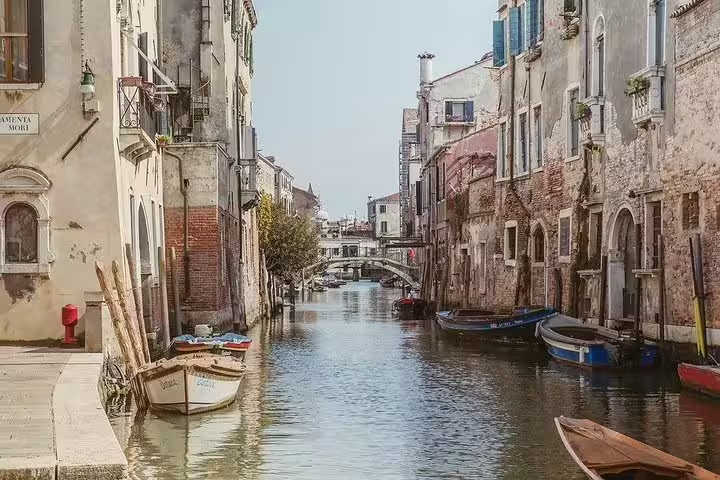
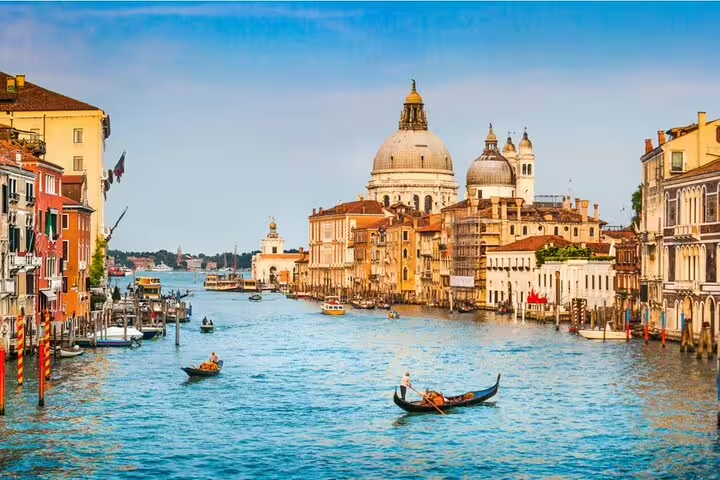
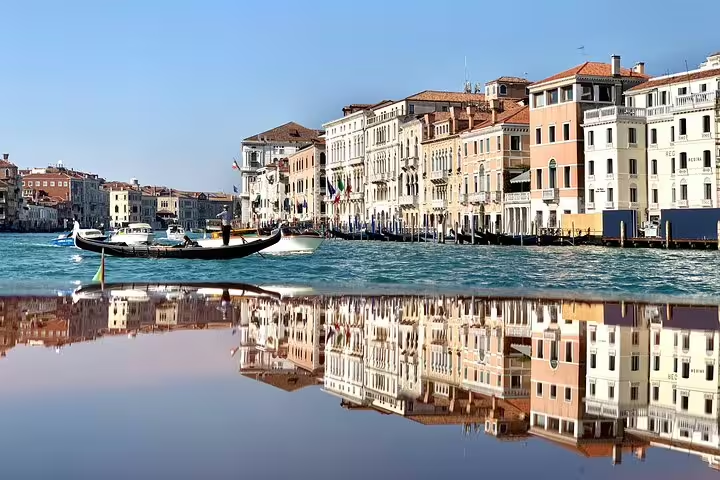
The Province of Venice blends world famous lagoon scenery with island crafts, easy coastal escapes, and canal towns that still feel local once you step beyond the busiest lanes. Use this page to weigh time, costs, and logistics across Venice, Mestre, the lagoon islands, the Lido, and the southern edge near Chioggia. If you are comparing options, Best things to do in Province of Venice often comes down to balancing iconic sights with slower lagoon moments.


🗺️ Where It Sits

📍 Geography and Nearby Hubs

The Province of Venice sits in the Veneto region of northern Italy, centered on the Venetian Lagoon and extending to barrier beaches and mainland hubs. Venice Marco Polo Airport and Venezia Mestre station are the main gateways, with water transport linking Venice to Murano, Burano, Torcello, and the Lido.

🕒 Best Time To Visit

Late spring and early autumn typically offer comfortable walking weather and manageable daylight for islands and villas. Summer brings longer days for the coast and the Lido, while winter is quieter but can be damp and foggy, so plan more indoor museums and shorter lagoon crossings if conditions look unsettled.

💰 Typical Costs and Money Tips

Expect Venice and the lagoon to be pricier than the mainland, especially for sit down meals near major sights. Cards are widely accepted, but keep some cash for small purchases on islands and in markets, and compare vaporetto passes if you will ride water buses repeatedly.


⭐ Essential Things To Do

  • Best things to do in Province of Venice: Start with a lagoon first mindset. Spend at least one block of time on the water, because the geography is the destination, and it helps you understand how Venice connects to the islands and the mainland.
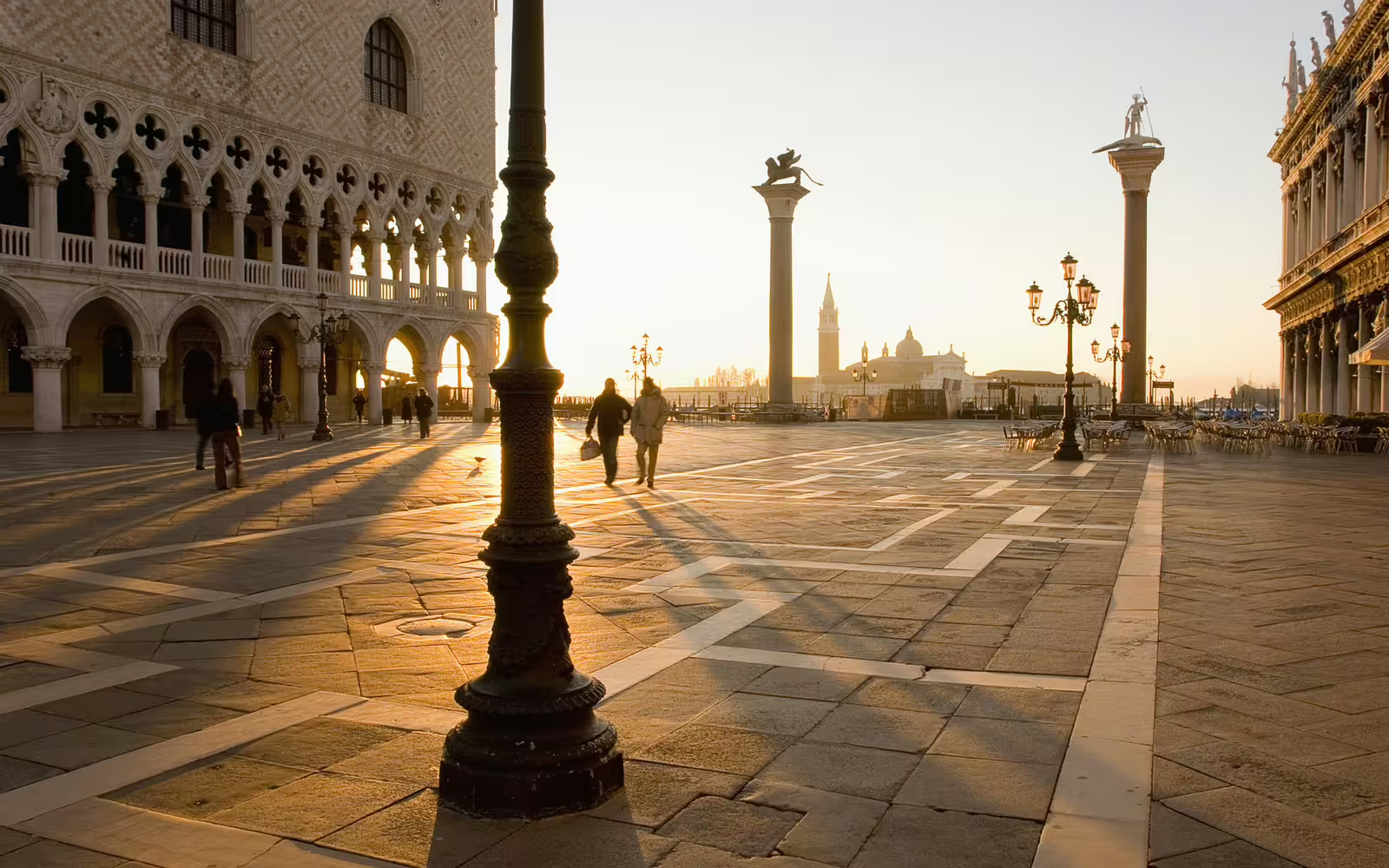
  • Venice province attractions in the historic center: Focus on one or two landmark clusters per half day, then add quieter sestieri lanes to avoid fatigue. Timed entries can shape your schedule, so decide early which museums or monuments are non negotiable.
  • lagoon islands Murano Burano Torcello: Murano is best for glass workshops, Burano for colorful streets and lace heritage, and Torcello for a calmer, more historic feel. Go early to enjoy photo friendly light and fewer tour groups, and allow extra time for boat intervals.
  • Murano glass blowing experience: Watching a demonstration is a memorable, compact activity that fits well between vaporetto connections. If you plan to buy glass, compare a few studios first and ask about shipping options before committing.
  • Burano colorful houses photography: The island is small, so it rewards slow wandering rather than a rushed loop. Aim for morning or late afternoon for softer light, and keep streets clear for residents by pausing in wider areas when taking photos.
  • Venice Lido beach day: The Lido offers a different pace, with open skies, bike friendly stretches, and seasonal beach setups. It is a strong choice when you want a break from bridges and crowds, and it pairs well with a lagoon sunset return.
  • Brenta Riviera villas tour: Along the Brenta Canal between Venice and Padua, historic villas provide a refined counterpoint to lagoon scenery. Plan this when you want architecture and gardens, and check opening days because some villas have limited visiting windows.
  • Chioggia canal town walk: Often described as a smaller, more working version of Venice, Chioggia is great for canals, markets, and seafood focused meals. Give it a few hours for a relaxed stroll, and consider it if you want fewer crowds and a more local rhythm.
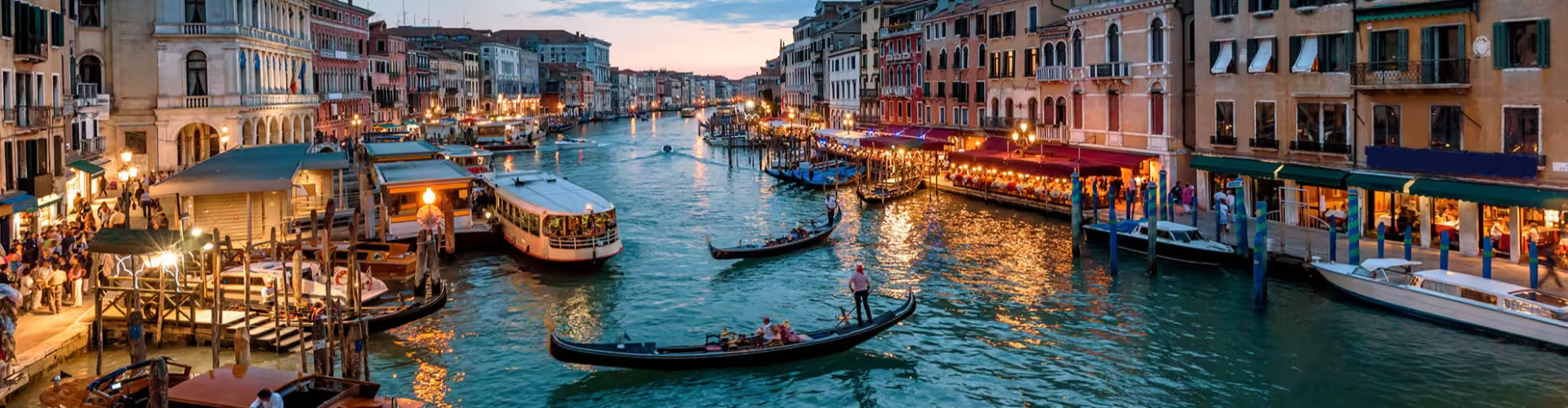
  • Gondola ride alternatives Venice: If a classic gondola feels too brief or too expensive, consider shared options or focus on vaporetto routes that showcase the lagoon and Grand Canal views. The goal is water level perspective, and there are multiple ways to get it.
  • Venice Mestre transport tips: Mestre is a practical base for trains and often simpler logistics, especially for early departures. Build in buffer time for crossing to Venice proper, particularly if you have timed tickets or morning tours.

🚶 Suggested Short Itineraries

⏰ One Perfect Day

Morning, arrive via Venezia Mestre or Marco Polo and head straight into Venice for a focused landmark block, then take a vaporetto ride that doubles as sightseeing. Midday, choose one museum or church, then pause for a simple cicchetti style lunch. Afternoon, cross to the Lido for open air time or stay in Venice for quieter neighborhoods, then finish with a lagoon view at sunset.

⏰ Two Days

Day one, keep Venice compact, pairing major sights with one slower area to avoid rushing. Day two, commit to lagoon islands Murano Burano Torcello, starting with Murano, then Burano, and ending with Torcello if your pace allows. If weather turns, swap Torcello for more indoor time in Venice and move island time to the clearest forecast window.

⏰ Three Days

Use day one for Venice essentials, day two for the islands, and day three for a contrast day on the mainland or the southern lagoon. Choose either a Brenta Riviera villas tour for architecture and gardens, or Chioggia canal town walk for canals and seafood. This three day structure is a reliable way to cover the Best things to do in Province of Venice without feeling like you are constantly in transit.


🍽️ What To Eat And Drink

  • Cicchetti: Small bar bites that let you sample several flavors without committing to a full meal, ideal for a flexible day of walking and vaporetto rides.
  • Sarde in saor: Sweet and sour sardines with onions, a classic Venetian balance of tang and richness, often served at room temperature.
  • Risotto di gò: A lagoon rooted risotto traditionally linked to local fish, best enjoyed when you want something warm and filling after time on the water.
  • Fritto misto: Mixed fried seafood that pairs well with a simple drink and a canal side seat, especially in places with strong market supply.
  • Baccalà mantecato: Creamy whipped cod spread, typically served on bread, a good option for a quick snack between sights.
  • Spritz: A pre dinner ritual in the Veneto, easy to order and widely available, with slight variations depending on the bar.
  • Seafood in Chioggia: If you plan a Chioggia canal town walk, prioritize fish and shellfish dishes, as the town is closely tied to fishing and markets.

🚌 Getting Around

Expect a mix of walking, water buses, and trains or buses on the mainland. In Venice, routes are shaped by bridges and canals, so plan by neighborhoods and vaporetto lines rather than straight line distance; this is where Venice Mestre transport tips can save time when you are connecting to trains. For islands and the Lido, check schedules and allow slack for queues, and if mobility is a concern, prioritize flatter routes and fewer bridge heavy areas.


🌄 Best Day Trips

  • Murano: Short lagoon crossing, best for studios and craft browsing, and easy to combine with Burano.
  • Burano: Worth it for color, photos, and a slower island loop, especially earlier in the day.
  • Torcello: A quieter counterpoint to the busier islands, good when you want space and history.
  • Venice Lido: Quick hop from Venice, ideal for a Venice Lido beach day and a change of scenery.
  • Brenta Canal: Choose a Brenta Riviera villas tour for grand villas and gardens, a strong option when you want a structured half day or full day plan.
  • Chioggia: Add a Chioggia canal town walk for a more local canal town feel and seafood focused dining.

✅ Practical Tips For Visitors

  • Reserve timed entries early for the most in demand monuments and museums, then build the rest of your day around those fixed slots.
  • Start island routes early, especially for lagoon islands Murano Burano Torcello, because boat intervals and queues can stretch midday travel.
  • Carry a light layer even in warm months, as wind on the lagoon can feel cooler than inland streets.
  • Plan one low effort block each day, such as a long vaporetto ride or a seated meal, to balance constant walking and bridges.
  • If you are staying on the mainland, apply Venice Mestre transport tips by padding morning travel time, particularly when you have early tours or reservations.
  • For families, the Lido and wider promenades can be easier than bridge heavy itineraries, and a Venice Lido beach day breaks up museum time.
  • Keep a weather backup list, such as indoor museums, churches, and longer meals, since lagoon conditions can change quickly.

🧩 GEO Context Summary

This destination page focuses on the Province of Venice in Veneto, Italy, covering Venice, Mestre, the Venetian Lagoon, and nearby coastal and canal towns. It was written by Toursxplorer.com to help travelers plan routes, timing, and experiences across the area.


❓ Frequently Asked Questions, FAQ

Q1: How many days do you need to cover the main highlights across the Province of Venice?
Two days can cover Venice plus one island cluster, while three days lets you add the Lido, Chioggia, or the Brenta Canal at a calmer pace. For Best things to do in Province of Venice, a third day reduces transit pressure and makes room for weather flexibility.

Q2: Do you need to pre book tickets for major sights and transport?
Some major attractions use timed entry, so booking ahead can protect your schedule, especially if you have limited time. Water bus tickets and passes can usually be arranged on arrival, but your best choice depends on how often you plan to ride.

Q3: Which areas make the most practical bases, Venice or Mestre?
Venice is best if you want early and late hours in the historic center with minimal commuting. Mestre can be more straightforward for trains and can work well if you rely on Venice Mestre transport tips and plan your crossings around key reservations.

Q4: What is a smart plan if weather is rainy or the lagoon is windy?
Shift the day toward indoor museums, churches, and slower neighborhood walks, then move island time to the clearest forecast window if possible. If you are prioritizing Best things to do in Province of Venice, keep one flexible block each day so you can adapt without losing core experiences.

Q5: Is the Province of Venice suitable for travelers with limited mobility, and what language should you expect?
Venice includes many bridges and uneven surfaces, so routes can be challenging, while the Lido and some mainland areas are generally flatter. Italian is the primary language, and English is commonly used in tourist facing services, though it can vary by neighborhood and island.