Last updated:


Luxembourg suits travellers who want a country where a fortress capital, several languages and free public transport make a short trip easy to plan. The country lies at the crossroads of France, Belgium and Germany, and the Grand Duchy is a parliamentary constitutional monarchy, so its history and its everyday life both show up on a first visit.
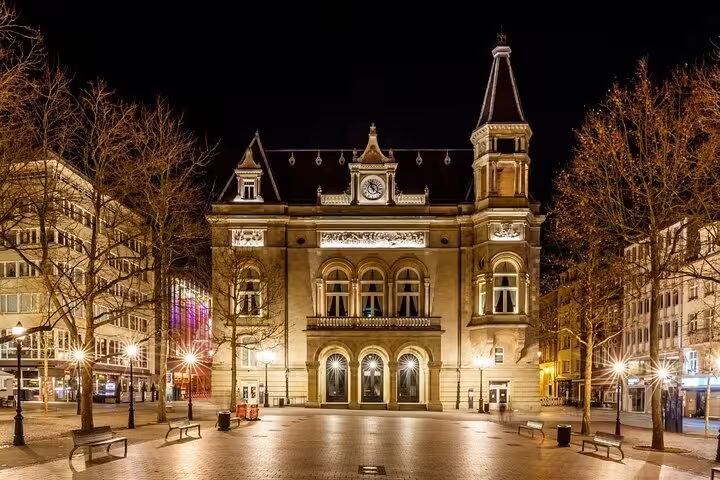
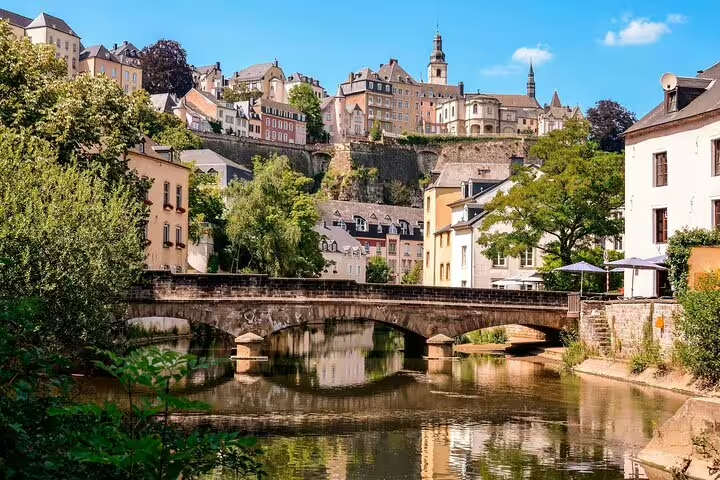
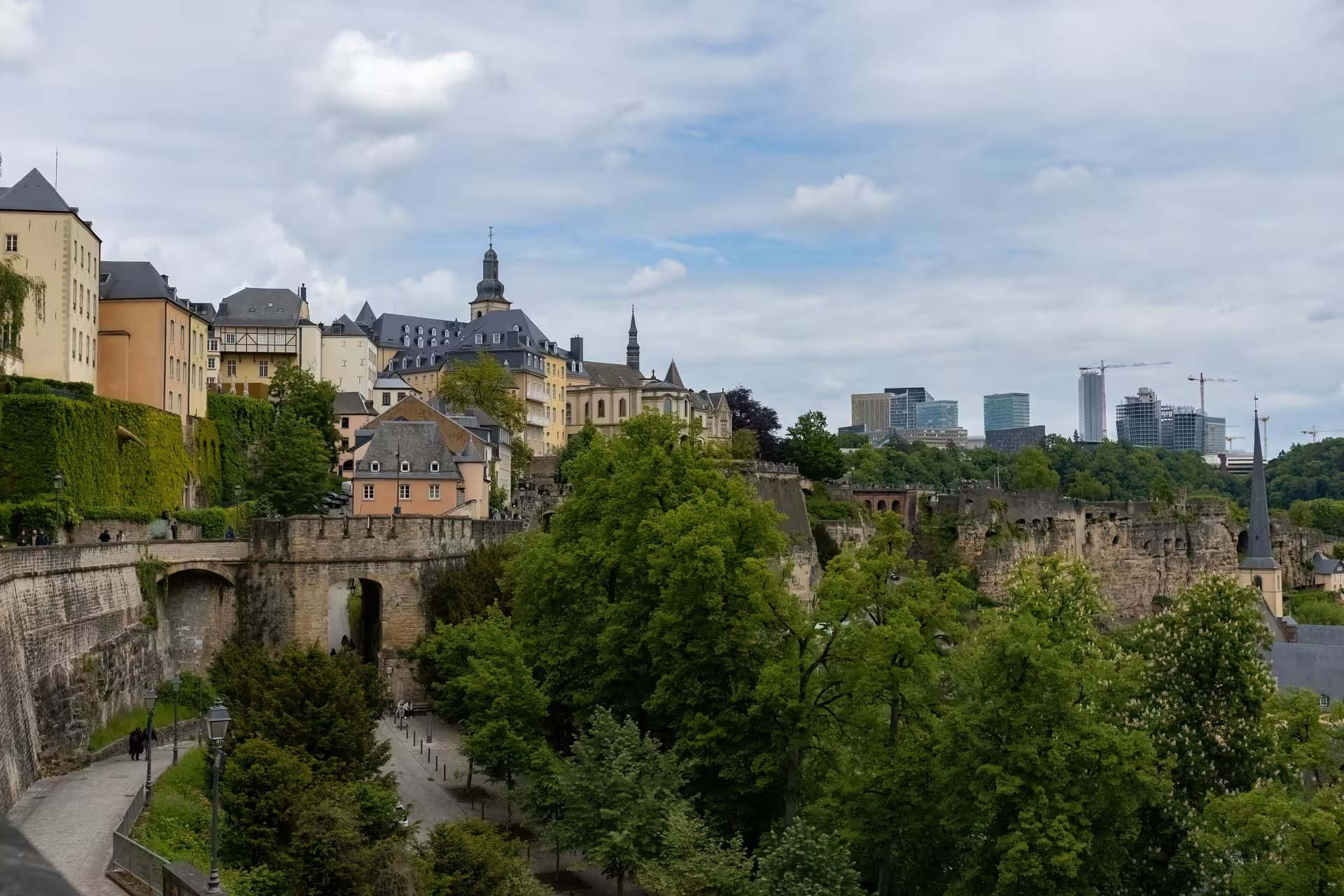
The capital is the natural base, because its Old Town and fortifications became a UNESCO World Heritage Site on 17 December 1994. The protected area is split into an upper town and a lower town, each with its own identity, and the Corniche promenade follows the old ramparts.
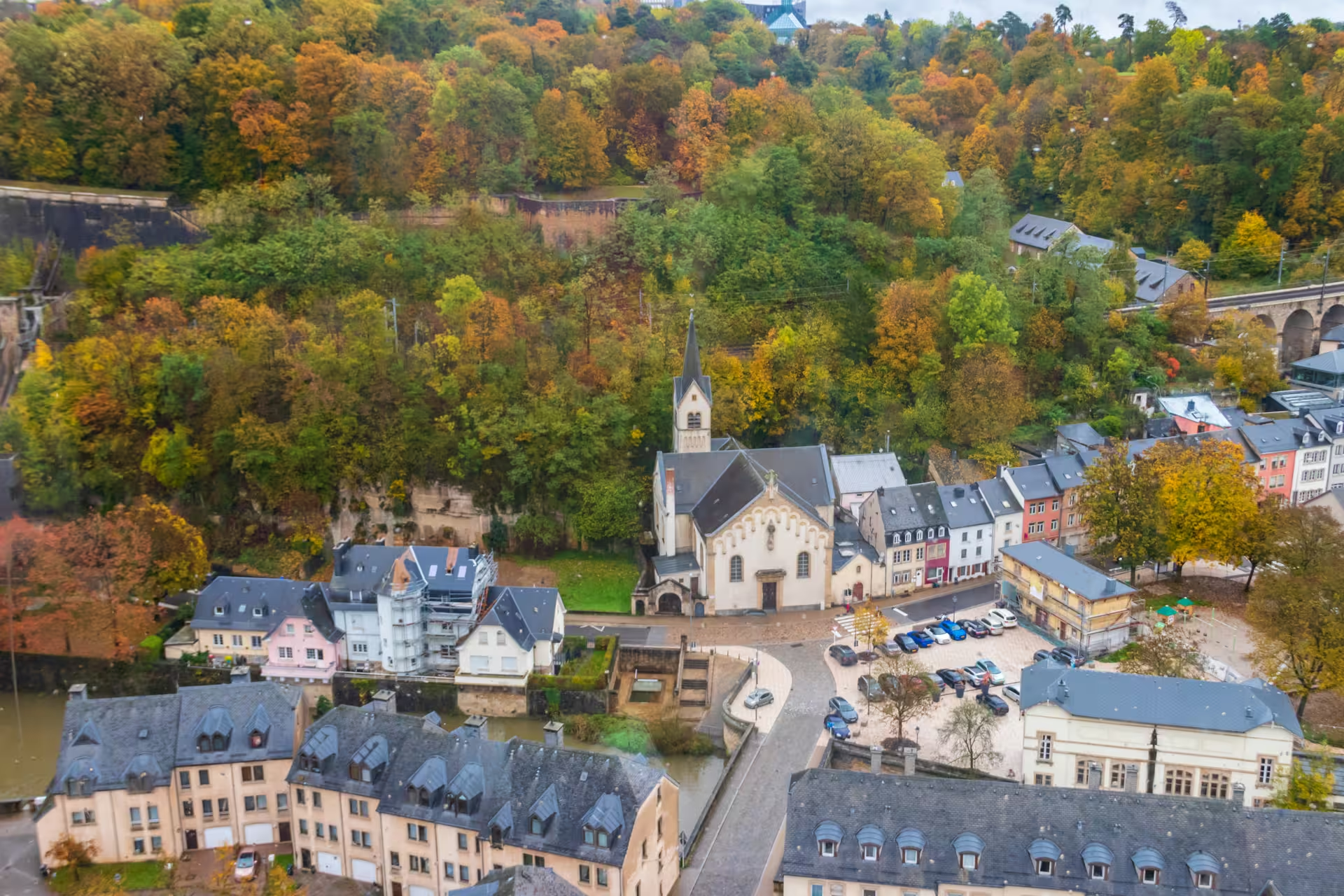
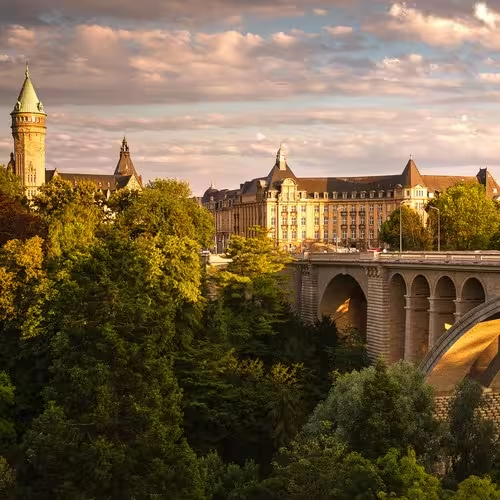
The setting is part of the visit. The valley around the old city is cut through by the Alzette and Pétrusse rivers, and forested hills reach right up to the historic heart of the city. On the Plateau Bourbon, the historicist architecture dates from the opening up of the city after the fortress was dismantled in 1867.
A lift connects the Plateau du Saint-Esprit with the Grund, and the Pfaffenthal panoramic lift travels 60 metres in 30 seconds.
Luxembourg's story starts in 963, when Count Siegfried acquired the land where Luxembourg City now stands through an exchange with St Maximin's Abbey in Trier. His castle is considered today to be the birthplace of the city, the country and the nation.
The town grew in status over the next centuries. Countess Ermesinde granted it a charter that gave it city status in 1244, and Luxembourg became a Duchy in 1354.
From the 16th century until 1867, Luxembourg was one of Europe's most important fortified cities. The French military engineer Marshal de Vauban added major new fortifications to the existing defences.
At the Congress of Vienna in 1815, Luxembourg became a sovereign nation in the form of a Grand Duchy, and the London Conference of 1867 declared it neutral.
Dismantling the fortress then took 16 years and was completed in 1883. Its removal made room for new districts, parks and promenades.
The Lëtzebuerg City Museum tells the history of Luxembourg City, which goes back over 1,000 years, so it is a good first stop before a walk. For art, Villa Vauban stages exhibitions drawn from the city's collections. Luxembourg City has nine museums and art centres, and most of them are members of the association d'stater muséeën.
Public transport has been free of charge throughout Luxembourg since 2020, and Luxembourg was the first country to make its public transport free.
The tram connects the airport with the Stade de Luxembourg and serves 24 stops, and it returned to Luxembourg City in 2017. The city also has a funicular in Pfaffenthal, a mode of transport that had never existed before in Luxembourg.
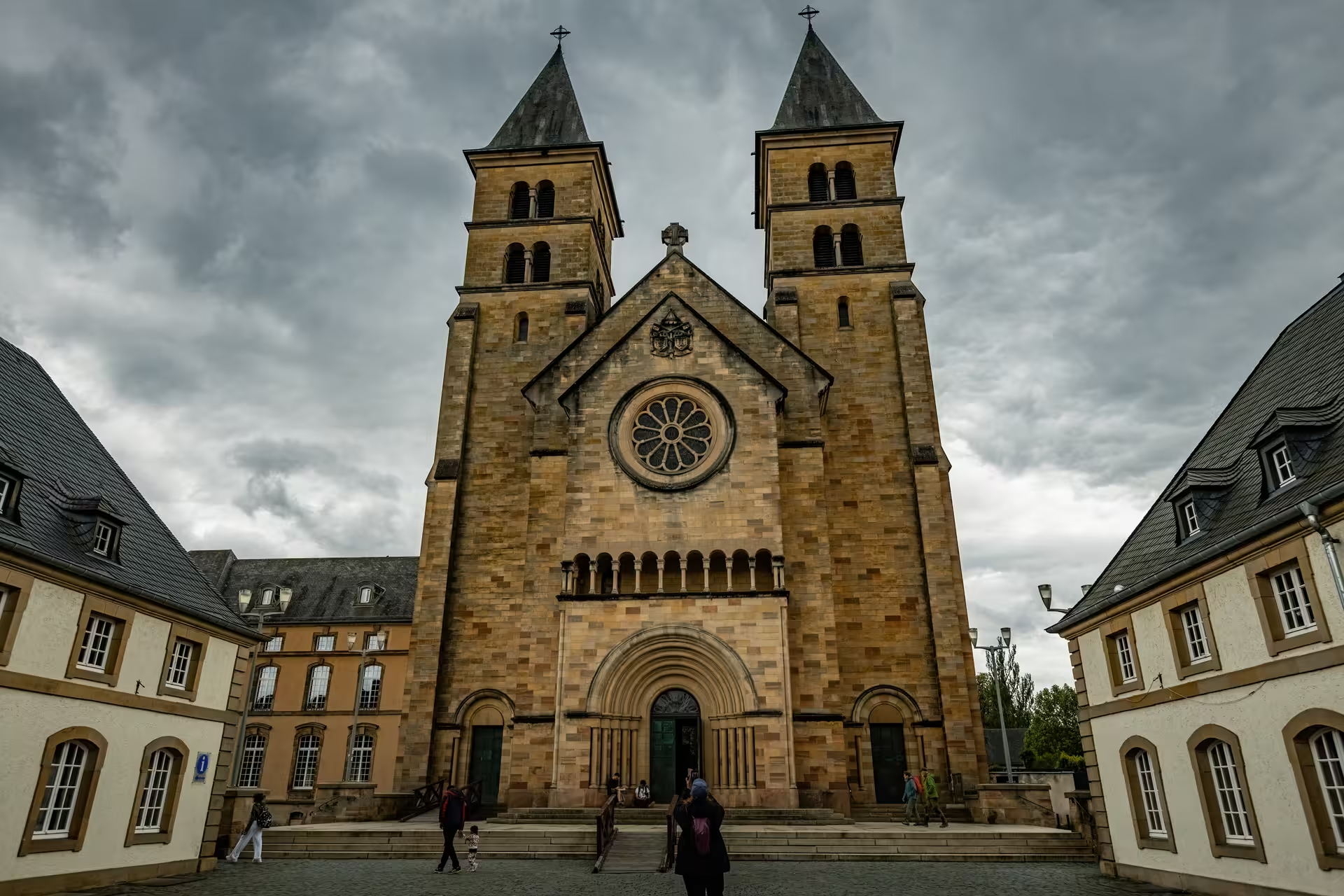
Echternach is a strong choice if you are interested in religious history. Its heritage is linked to the Anglo-Saxon monk Saint Willibrord, and the crypt holds the Willibrord Fountain and the saint's sarcophagus. The town's annual Hopping Procession has roots reaching back centuries.
For wine, the Moselle valley is one of the most renowned wine-producing regions in Europe. The Moselle wine valley is divided between three countries.
The capital's tours on this page are self-guided walks. The self-guided audio walking tour in Luxembourg City follows a 5.5 km circuit with 18 commentary points and includes the use of the public lifts in the Grund and Pfaffenthal. For a game rather than commentary, the Luxembourg City interactive scavenger hunt uses GPS-based navigation with location-specific questions and search assignments, and the shorter self-guided walking tour and scavenger hunt follows a storyline with riddles and clues across more than 10 city landmarks.
Luxembourgish, French and German are the three official languages, and English is widely spoken. Luxembourgish is the most widely spoken language in the country and the main language of 49% of the resident population.
Luxembourg has been a member of the EU since 1 January 1958. Along with Brussels and Strasbourg, Luxembourg is home to several EU institutions.
In 1875, when the city's first tram line opened between the train station and the Athénée. The last service of the old tram network ran in 1964.
Sources: City of Luxembourg, CC BY-SA 3.0 LU, text translated and summarised: 2666, history, pagina, 10904, 8761, free-public-transport-and-exceptions, tram, exhibition-150-joer-effentlechen-transport-100-joer-stattesche-bus, museums-and-exhibition-venues; European Court of Auditors, CC BY 4.0, text translated and summarised: life-in-luxembourg; European Commission, CC BY 4.0, text translated and summarised: luxembourg-first-country-free-public-transport-2020-03-09_en, echternach-saint-willibrord-heritage-luxembourg, terroir-moselle-wine-and-architecture-route_en; European Union, CC BY 4.0, text translated and summarised: luxembourg_en.