Last updated:


Luxembourg City is worth exploring for its old quarters and fortifications, recognised together by UNESCO. A visit can also reach beyond that heritage to painting, public art and contemporary architecture, so leave room for the interests that draw you here.
The old quarters and fortifications belong at the heart of a heritage visit, with the Lëtzebuerg City Museum providing the wider story. Its account reaches back more than a thousand years, making it a sensible companion to exploring the old city rather than treating each sight as an isolated stop.
If you enjoy discovering a city through clues, the self-guided walking tour and scavenger hunt in Luxembourg City offers riddles tied to locations.
If you prefer an interactive city game with help finding your way, the self-guided scavenger hunt in Luxembourg City comes with GPS navigation.
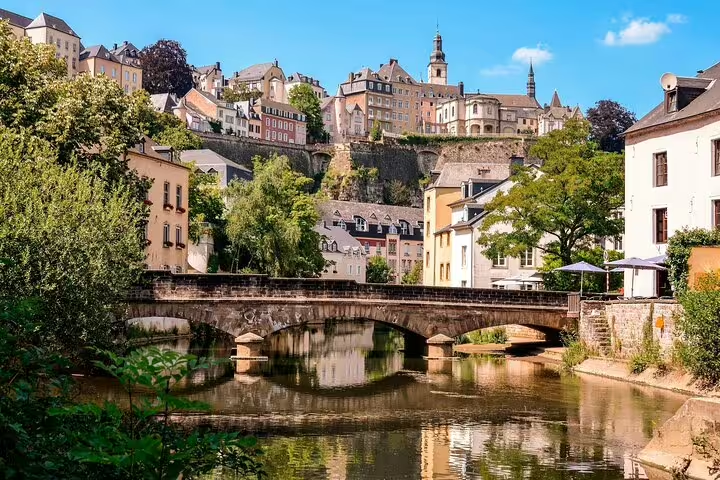
Grund brings the rivers into your city visit: the Pétrusse runs through the district before meeting the Alzette. That makes the district a natural choice when you want your exploration to follow the water as well as the old quarters.
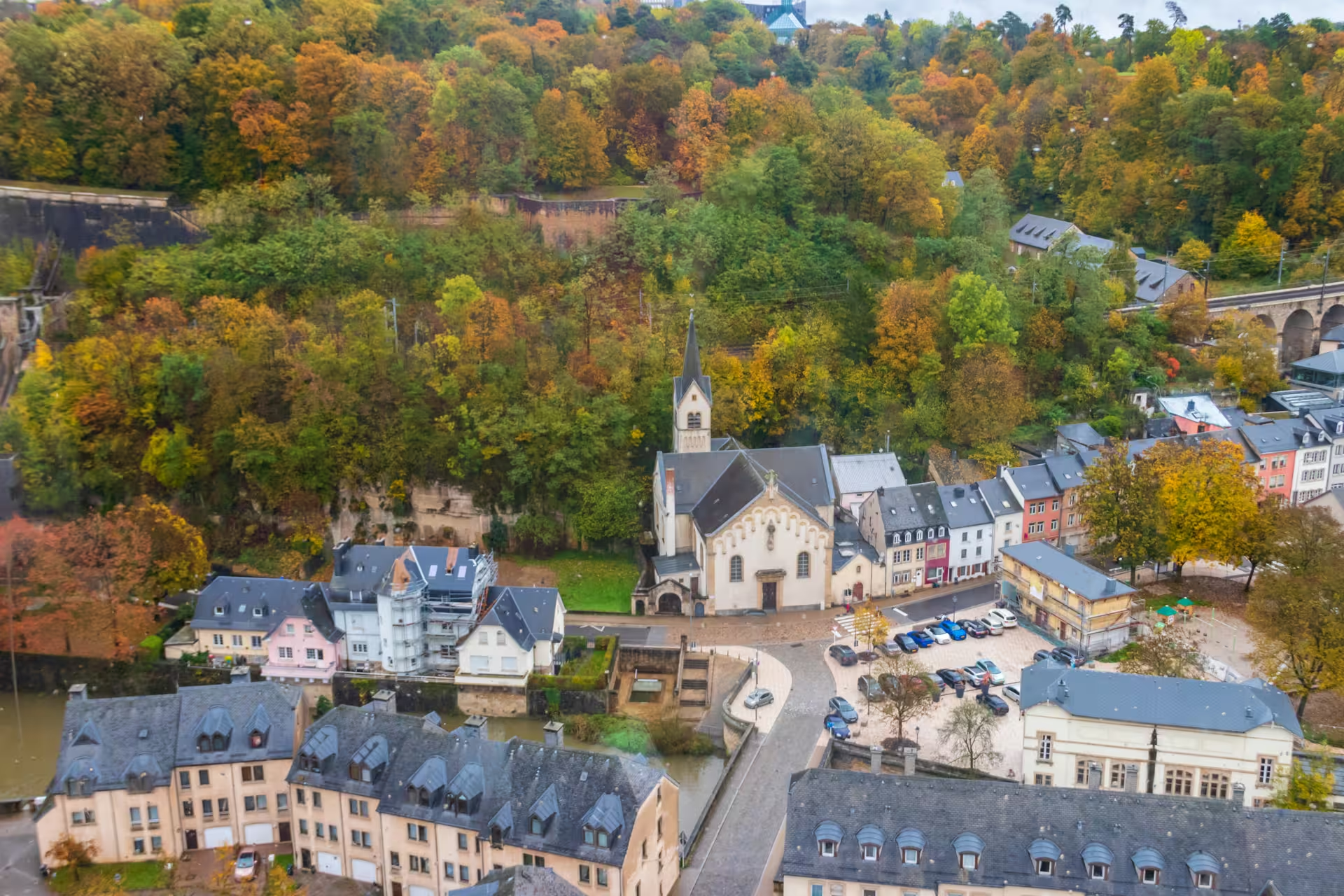
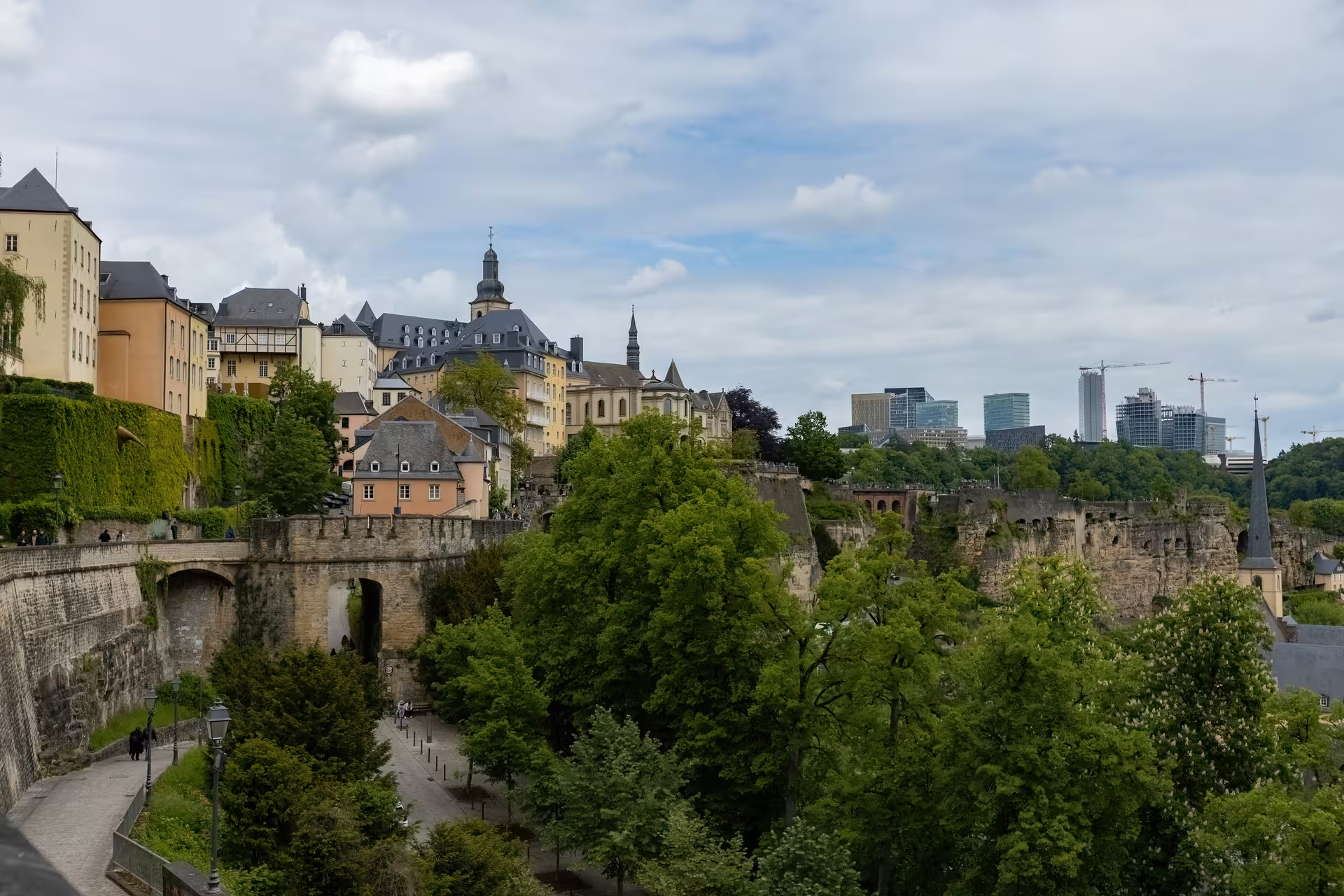
Bock deserves a place in a history visit for the scale of its excavated galleries. The fortress's underground galleries were carved out to a depth of 40 metres, a reminder to think of the city below ground as well as its visible fortifications.
Villa Vauban is a choice for painting, while the National Museum of Natural History is the option for animals, plants, fossils and minerals. Dutch Golden Age works and French painting from the nineteenth century feature in Villa Vauban's collection.
The setting can also guide your choice: Villa Vauban occupies a nineteenth-century villa in the municipal park. An art visit and time in the park therefore belong together without needing to turn the day into a string of unrelated stops.
Bambësch Forest is an option for a break from the built city, while the municipal park offers English landscape design. The forest forms part of the Natura 2000 network protecting European habitats, so it is worth including if nature matters as much to you as buildings.
Architecture and public art offer another direction for your visit. The Philharmonie was designed by Christian de Portzamparc, and Mudam by Ieoh Ming Pei, giving architecture enthusiasts specific buildings to put on their list. Sculptures, fountains and both temporary and permanent installations also bring art into public spaces, so looking around between planned stops can be part of the experience.
The tram is an option from Luxembourg Airport, with a route continuing to the Stade de Luxembourg. Its 24 stops make the route worth checking against the places you plan to visit.
Countess Ermesinde's charter gave Luxembourg city status in 1244. The origins go back to 963, when Count Siegfried acquired the land.
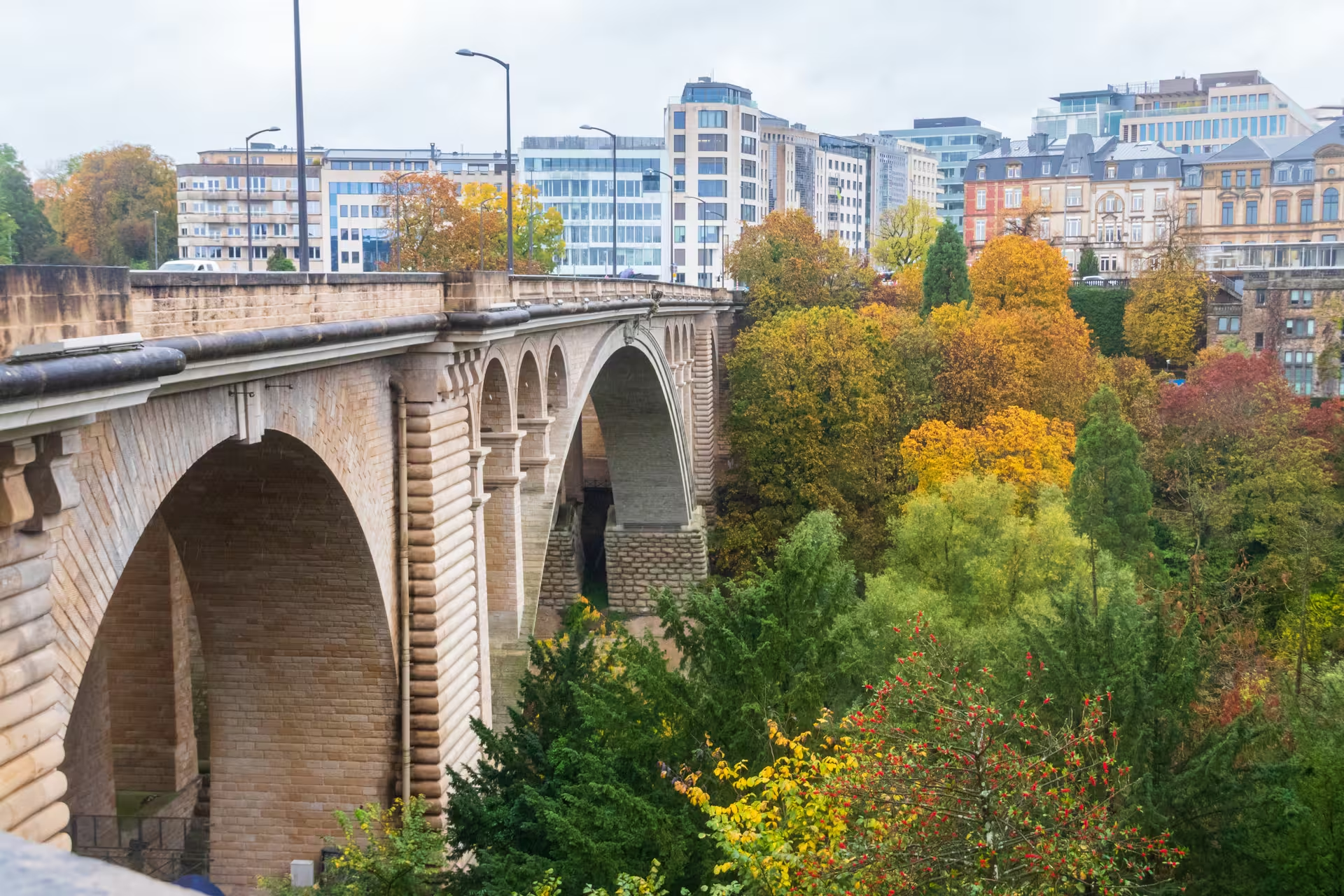
The Adolphe Bridge was inaugurated in 1903.
John the Blind founded the Schueberfouer through a charter dated 20 October 1340.
Sources: City of Luxembourg, CC BY-SA 3.0 LU, text translated and summarised: pagina, villa-vauban-musee-dart-de-la-ville, other-museums-and-exhibition-venues, City%2010_2016.pdf, letzebuerg-city-museum, grund-ecological-redevelopment-petrusse-valley-0, City%2001%202017.pdf, other-activities-children, parcs, municipal-forests, tram, history, promoting-biodiversity, vendanges-au-klouschtergaart-0, schueberfouer-old, City%2005_2017.pdf, 0002__POS_BikeTour_A2_SCREEN_EN_0_1.pdf, limpertsberg-restoration-wrought-iron-fence-surrounding-notre-dame-cemetery; European Union, CC BY 4.0, text translated and summarised: luxembourg_en.