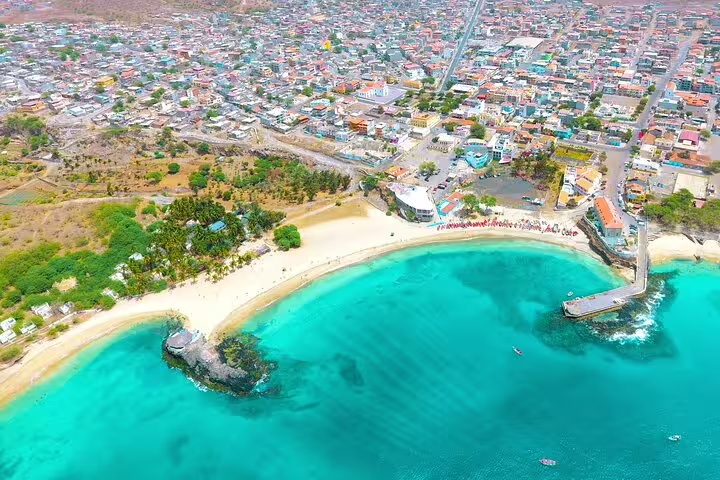
Cape Verde is an archipelago of ten volcanic islands located off the coast of West Africa, known for its stunning beaches, vibrant culture, and year-round sunshine. This island nation offers a unique blend of Portuguese and African influences, with colorful colonial architecture and a laid-back island atmosphere that captivates visitors from around the globe.
What to see in Cape Verde
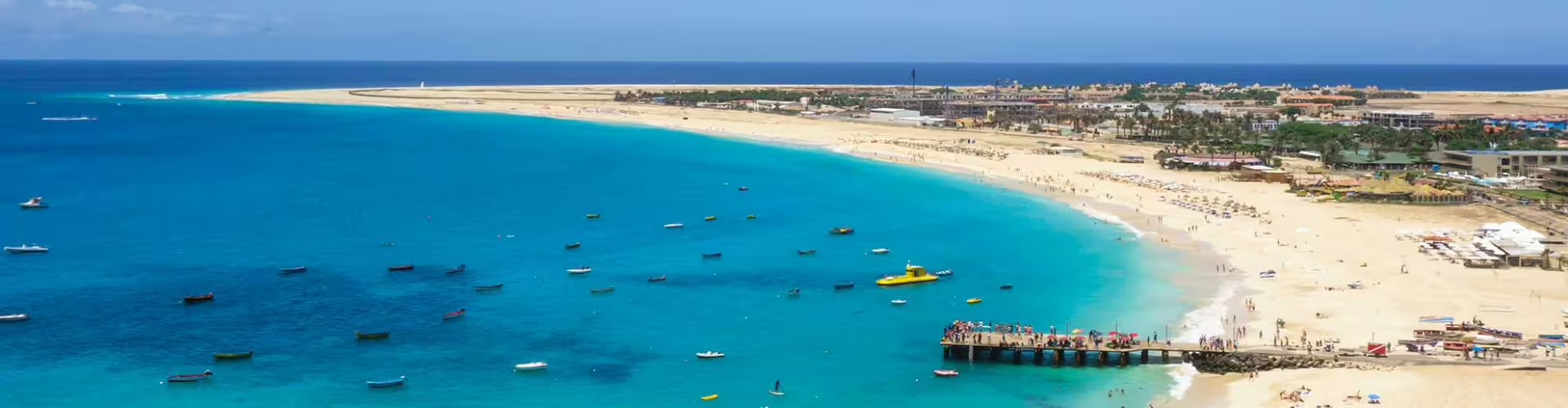
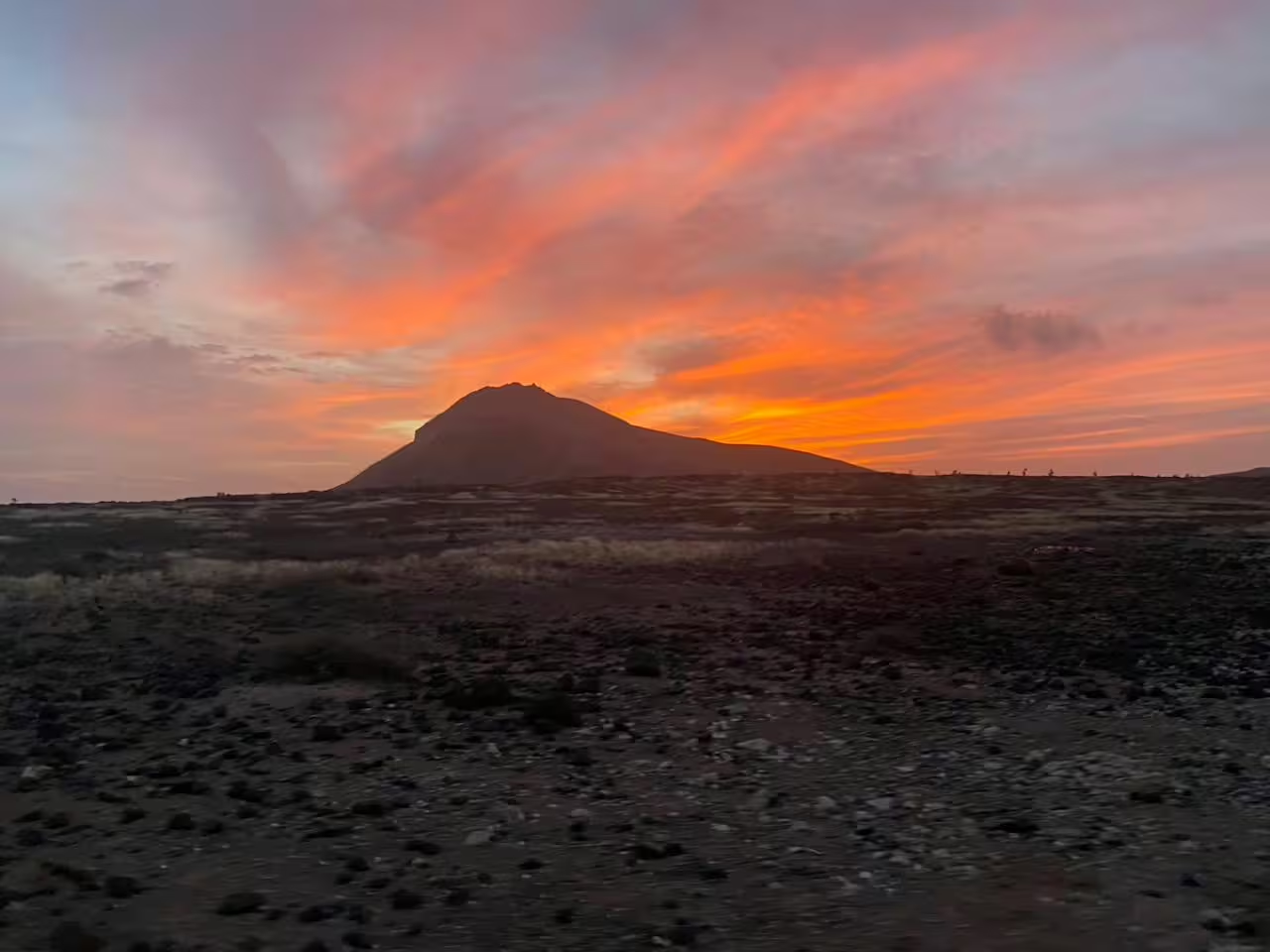
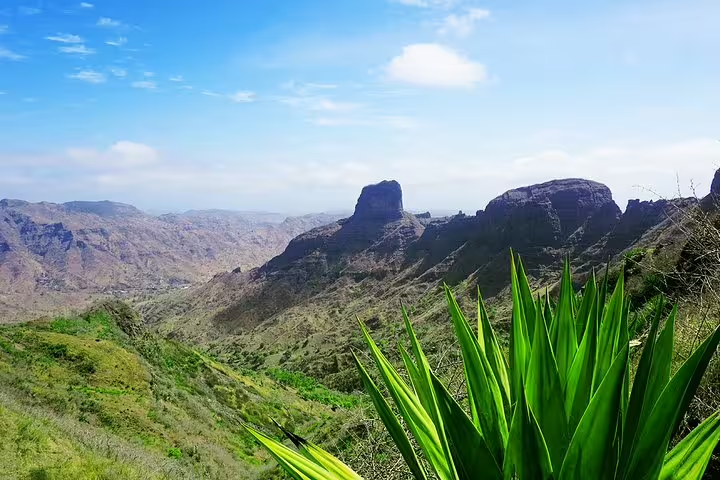
The islands feature diverse landscapes worth exploring, from the dramatic volcanic peaks of Fogo Island to the white sand beaches of Sal and Boa Vista. The capital city of Praia on Santiago Island showcases colonial charm and cultural heritage through its historic districts and local markets. Each island offers distinct scenery and character, making island-hopping a rewarding way to experience Cape Verde's natural diversity.
Things to do in Cape Verde
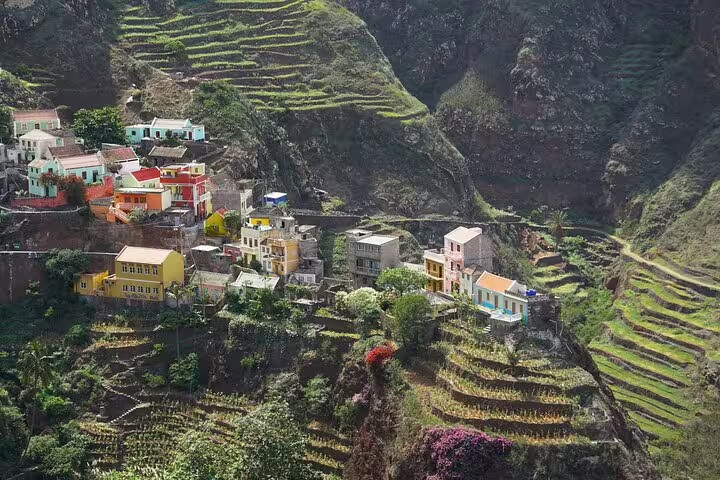
Visitors can enjoy water sports including windsurfing, kitesurfing, and diving in crystal-clear waters. Hiking volcanic trails, exploring traditional fishing villages, and taking boat excursions between islands provide memorable experiences. The islands also host music festivals and cultural events throughout the year that celebrate Cape Verdean traditions and contemporary music.
Cape Verde's Music and Cultural Heritage
Cape Verde is renowned for its rich musical traditions, particularly morna and funaná, genres that reflect the islands' soulful connection to the sea and emotional storytelling. Traditional music remains central to daily life and celebrations, with local venues and festivals offering authentic performances that showcase the depth of Cape Verdean cultural identity.
Cape Verde is a sovereign island nation in West Africa, positioned approximately 570 kilometers off the coast of Senegal in the Atlantic Ocean. The archipelago comprises ten inhabited islands and several smaller uninhabited islands, organized into two groups: the Windward Islands (Barlavento) and the Leeward Islands (Sotavento). The capital, Praia, is located on Santiago Island in the southern group. The islands have a subtropical desert climate with consistent trade winds, making them ideal year-round destinations. The nation gained independence from Portugal in 1975 and has developed a stable tourism infrastructure while maintaining strong cultural connections to its colonial heritage and African roots.
Cape Verde stands out as a unique African destination that combines natural beauty with rich musical traditions and cultural depth. The islands are particularly known for their contributions to world music through genres like morna and funaná, which tell stories of love, loss, and island life. The destination attracts diverse visitors seeking authentic cultural experiences, water sports, and pristine natural landscapes without the crowds of more commercialized tropical destinations. Cape Verde's strategic location along historic Atlantic trade routes adds historical significance to its present-day appeal as an emerging tourism hotspot in West Africa.