Dernière mise à jour:
There is no official number of days for a safari in Tanzania. What decides it is which parks you choose, how far apart they are and how many nights you spend inside or near them.
If you are staying on Zanzibar, a single long day is enough for a first taste: the Zanzibar to Mikumi: Full-Day 4x4 Safari and Game Drive flies you to Mikumi National Park and back. The big northern parks, the Serengeti and the Ngorongoro Crater, are on another scale, with lodges and camps inside or close to them, so they are planned around nights there rather than a return on the same day.
The Zanzibar to Mikumi: Full-Day 4x4 Safari and Game Drive collects you from your hotel on Zanzibar, takes you to the airport for a short flight to the Mikumi airstrip, and spends the day on game drives across the Mkata Floodplain in a four-wheel-drive vehicle with a pop-up roof, with a guide, a bush lunch and a stop at the hippo pools, before the afternoon flight back and the drive to your hotel.
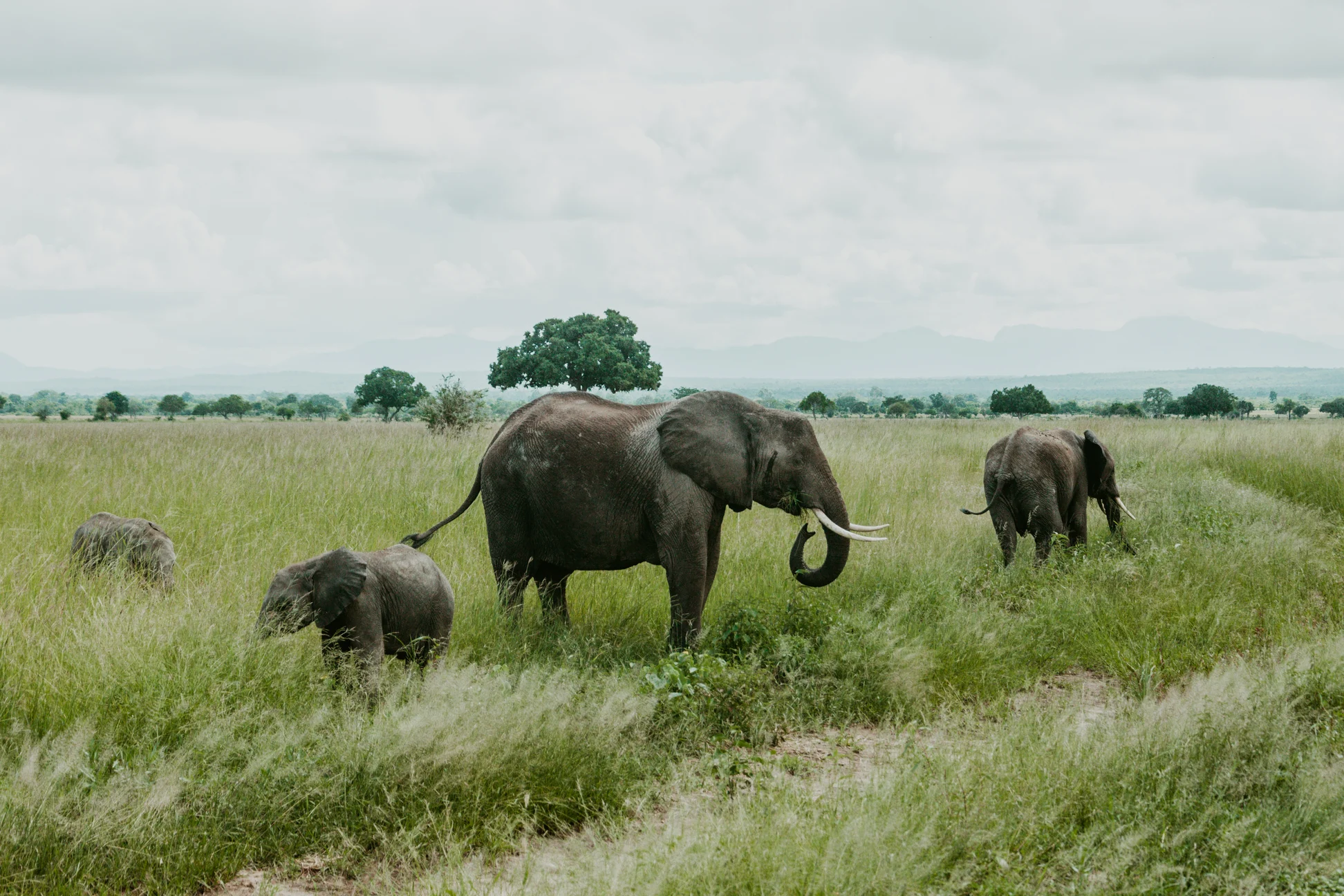
The operator's page lists elephants, giraffes, zebras, wildebeest, buffalo and hippos among the animals of the floodplain, but no game drive can promise a sighting. Check the UK Air Safety List when choosing which airlines to fly with.
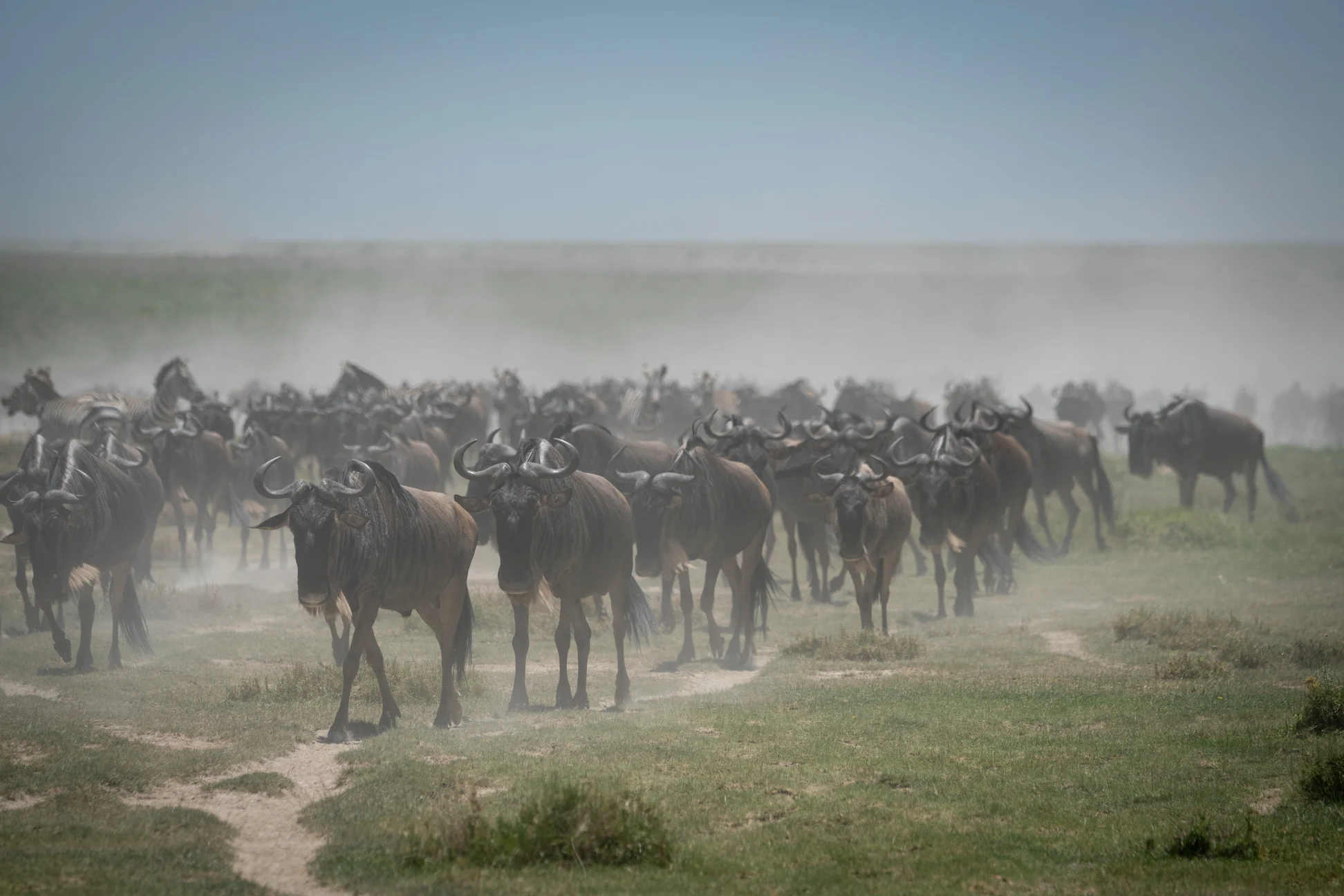
The plains of the Serengeti comprise 1.5 million hectares of savannah. Over one million wildebeest, with hundreds of thousands of other ungulates, make a 1,000 km (621 miles) annual circular trek across Kenya and Tanzania.
The herds move through the year and their timing varies from one year to the next, so ask your operator where they have been recently and treat any herd or river crossing you see as luck, not a promise. The park is home to at least four animals that are threatened or endangered worldwide: the black rhinoceros, the elephant, the wild dog and the cheetah.
The Ngorongoro Conservation Area covers 809,440 hectares and stretches from the Serengeti National Park plains in the north-west across to the Great Rift Valley's eastern arm. The conservation area includes Olduvai Gorge, a 14 km (8.7 miles) long ravine that has yielded evidence of human evolution.
The Ngorongoro Crater covers almost 260 square kilometres, is about 20 km (12 miles) across and is 610 m (2,001 ft) deep. The crater is home to over 25,000 animals, including elephants, buffaloes, rhinos, lions and leopards. The Ngorongoro Conservation Area Authority says the crater is accessible all year round.
Only four-wheel-drive vehicles may enter the crater, and walking safaris are not allowed inside it, though they are allowed on the rim. Driving in the conservation area is permitted from 6 am to 6 pm (06:00 to 18:00), and the crater descent gates close at 4 pm (16:00), so the drive down belongs to the earlier part of your day. There are campsites and lodges on the crater rim and nearby.
Except in designated areas, visitors must stay in their vehicles, off-road driving is not permitted, and at an animal sighting no more than 5 vehicles may gather. Drivers are asked to keep a distance of at least 25 m (82 ft) from the animals. The full list is in the visitor guidelines of the Ngorongoro Conservation Area Authority.
For the Ndutu plains, on the edge of the southern Serengeti, the NCAA gives the end of December to April as the best time to visit, when the migration herds arrive with the seasonal rains and thousands of calves are born. At Ndutu you can stay at lodges, tented camps and special campsites.
These are rainy months, not dry ones. The WMO weather service has no averages for Arusha or for the parks; in the north of the country it has Mwanza, with figures from the Tanzania Meteorological Agency covering 1971 to 2000. In Mwanza there are on average 13 rain days in November, 12 in December, 10 in January and 8 in February, and 1 to 3 a month from June to September.
January in Mwanza averages highs of 27.6 °C (82 °F) and lows of 17.7 °C (64 °F). Heavy rain can turn the mostly dirt roads of Tanzania's national parks hazardous or impassable, so leave some slack in a rainy-season plan.
The Selous Game Reserve, as UNESCO names it, covers 50,000 square kilometres. Its wildlife includes elephant, black rhinoceros, cheetah, giraffe, hippopotamus and crocodile, in habitats that include Miombo woodlands, open grasslands, riverine forests and swamps. When the Rufiji River rises with the seasons, it floods large parts of the northern Selous.
Kilimanjaro, the highest mountain in Africa, rises to 5,895 m (19,341 ft) at its peak. A climb is a trip of its own, not a game drive: if you trek or climb, go with a travel company of good reputation, keep to the established routes and always walk as a group.
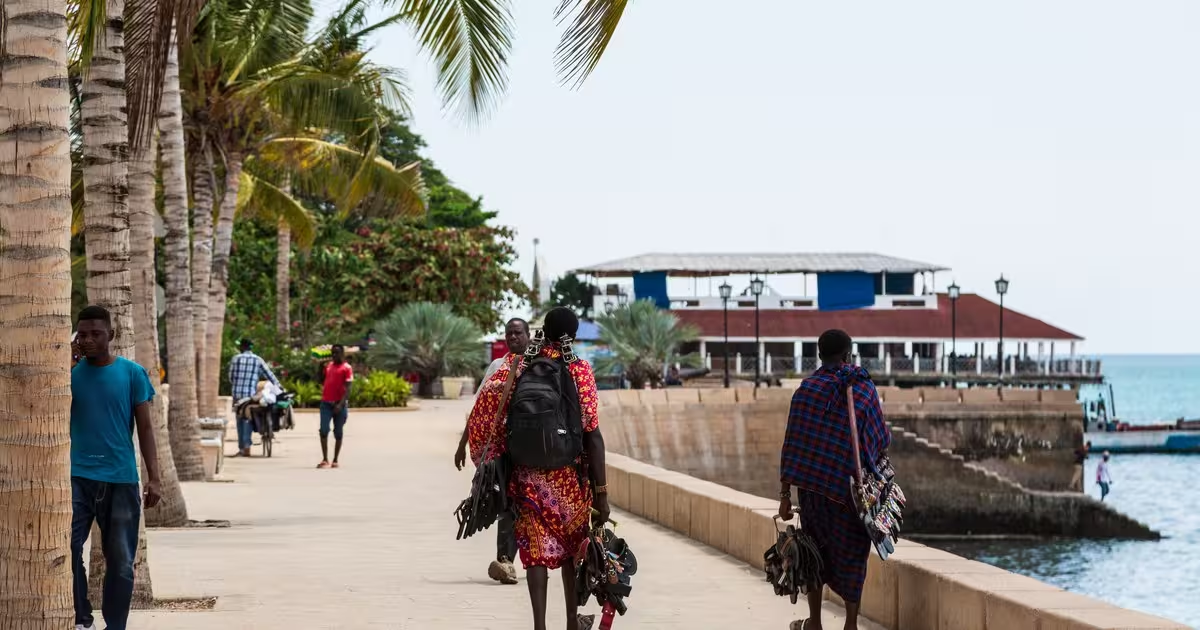
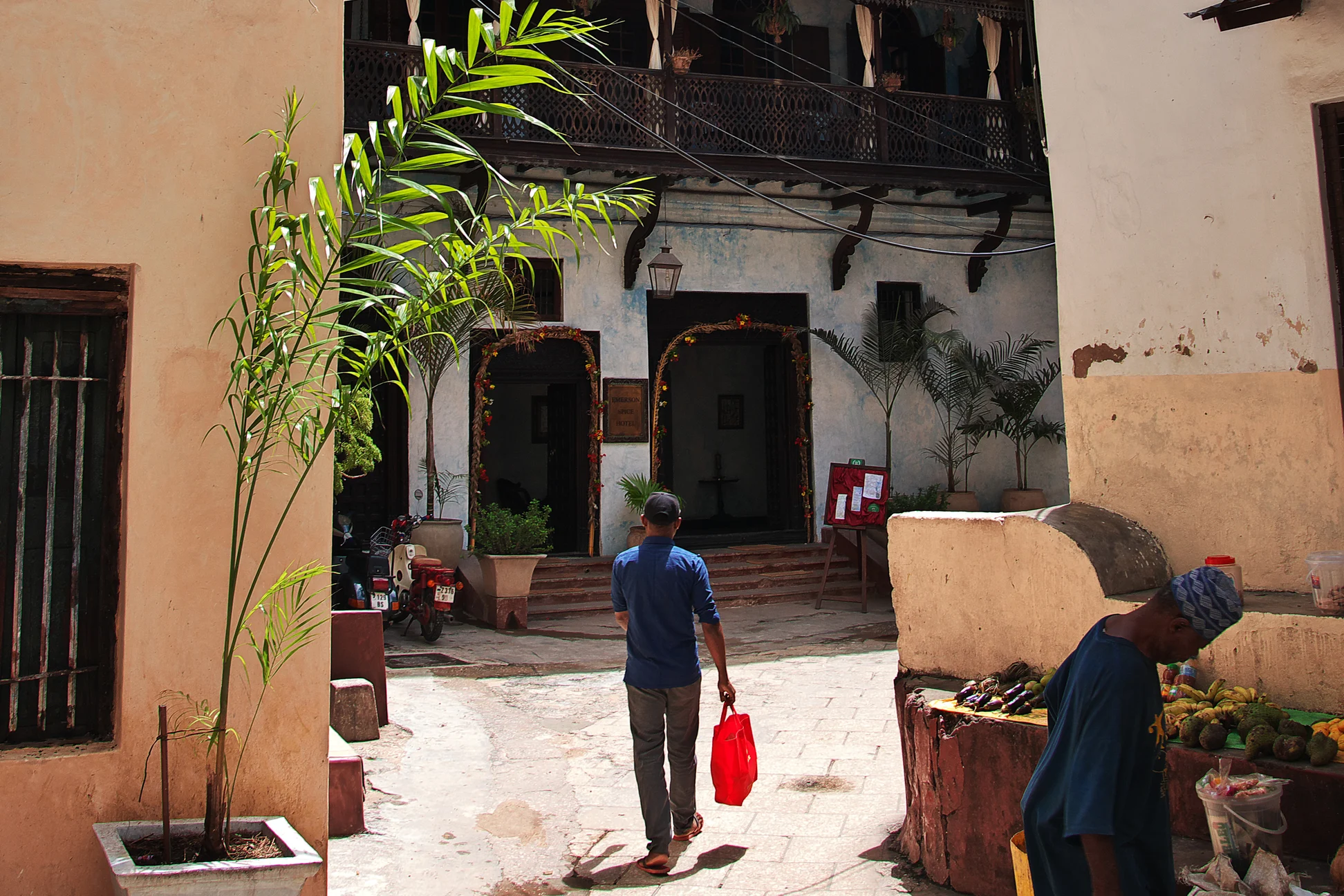
A safari can start or end on the coast. The Stone Town of Zanzibar, on the western side of Unguja island, is a Swahili trading town that grew under Arab, Indian and European influences. Its buildings are mainly of coralline ragstone and mangrove timber, many with carved double Zanzibar doors, and its monuments include the Old Fort and Christ Church Anglican Cathedral, built on the site of the last slave market.
The Private Walking Tour of Stone Town and Zanzibar Markets goes through Stone Town on foot with a guide, past the Old Fort and the former slave market and its memorial, to Darajani Market. For a longer day, the Guided Tour of Stone Town, Prison Island & Spice Farm starts in Stone Town, crosses by boat to Prison Island for its giant tortoises and a swim with a mask, and ends with a walk through a spice farm.
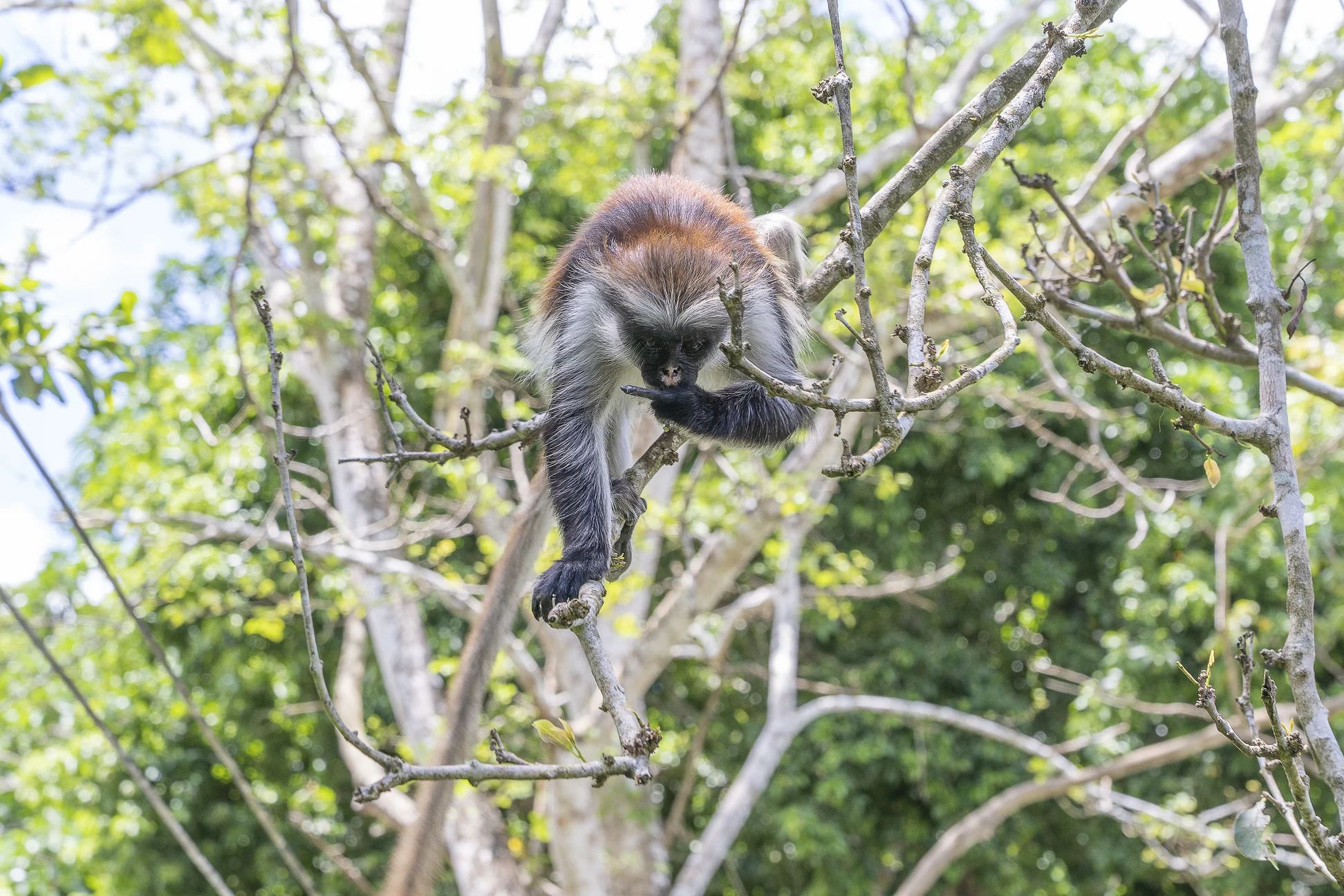
The Jozani-Chwaka Bay Biosphere Reserve holds Zanzibar's only national park, where mangroves, tropical forest and coral rag forest form a mosaic. Reef fish, dolphins and 168 bird species live in the reserve. The Zanzibar Half-Day Tour: Jozani Forest & Red Colobus Monkeys picks you up at your hotel for a guided walk in Jozani Forest to look for red colobus monkeys, the mangrove boardwalk and the Zanzibar Butterfly Centre.
The climate averages for Zanzibar come from the Tanzania Meteorological Agency and cover the years 1971 to 2000. In January, Zanzibar has a mean daily maximum of 32.1 °C (90 °F) and a mean daily minimum of 23.3 °C (74 °F). Zanzibar averages 13 rain days in December, 7 in January, 4 in February, 12 in March and 17 in April.
Dress modestly throughout Tanzania: in Zanzibar, and in Stone Town above all, shorts or sleeveless tops on women can cause offence outside the tourist resorts.
Read the current GOV.UK travel advice for Tanzania, or your own government's current advice, before you book. For any area within 20 km (12 miles) of Tanzania's border with the Cabo Delgado province of Mozambique, the FCDO advises against all but essential travel. Protests after the general election of 29 October 2025 left people dead and injured in many parts of mainland Tanzania, and more demonstrations could happen at any time.
In game reserves and national parks, follow park regulations and the advice of wardens, use only reputable tour operators and never buy a safari from a tout. A list of licensed tour companies is kept by the Tanzanian Association of Tour Operators.
Travellers on a British citizen passport need a tourist or business visa to enter Tanzania and are advised to apply for an e-visa before they travel. Everyone visiting mainland Tanzania or Zanzibar, residents excepted, must have the mandatory inbound travel insurance provided by the Tanzanian Government, even with a personal policy already in place.
To enter Tanzania you need a yellow fever vaccination certificate if you are coming from a country listed as a transmission risk. The GOV.UK health advice for Tanzania lists dengue, malaria, cholera and mpox among the health risks in Tanzania, says altitude sickness is a risk in parts of the country, and advises checking vaccine recommendations at least 8 weeks before the trip; ask a health professional about malaria prevention for your route.
It depends on the parks. From Zanzibar, a fly-in day reaches Mikumi and returns to the island. The Serengeti and Ngorongoro cover large areas and have places to sleep inside or nearby, so plan nights there rather than a same-day return.
Yes, by plane. The Mikumi day trip flies from the island to the park and back, with game drives and lunch in between.
For the migration herds and the calves on the Ndutu plains, the conservation authority points to late December to April, though the timing of the herds varies from year to year. It is also a rainy period, and park tracks can become impassable after heavy rain.
Check the rules for your own passport. For British citizens, GOV.UK says you need a visa, ideally an e-visa applied for in advance, the government's inbound travel insurance, and a yellow fever certificate if you come from a country at risk.