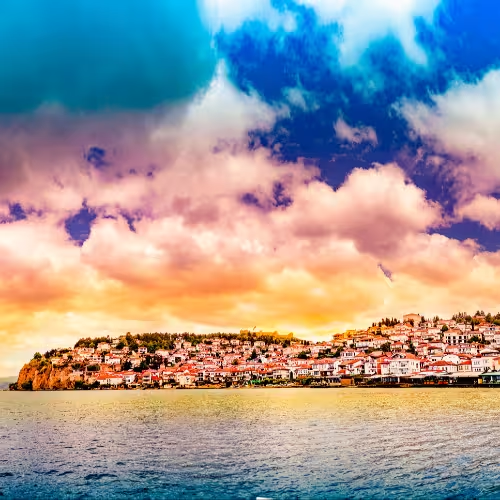
Southwestern North Macedonia encompasses a region of striking natural beauty and historical significance in the Balkans. This area features dramatic mountain landscapes, pristine lakes, and ancient cultural heritage sites that reflect centuries of diverse influences. Visitors discover the region through its distinct geography and well-preserved historical landmarks.
What to see in Southwestern
Key attractions include Lake Ohrid, a UNESCO World Heritage site renowned for its crystal-clear waters and scenic surroundings. The region also features ancient churches, traditional villages perched on hillsides, and archaeological sites that showcase the area's Byzantine and Ottoman heritage. Mountain vistas and dense forests provide stunning natural backdrops throughout the region.
Things to do in Southwestern
Visitors can enjoy hiking through mountain trails, exploring traditional settlements on foot, and taking boat excursions across the lake. Cultural tours of historical sites and monasteries offer insight into local history. The region also provides opportunities for photography, nature walks, and experiencing traditional Macedonian hospitality in rural communities.
Traditional Culture and Local Heritage
The southwestern region maintains strong connections to its traditional way of life, with locals continuing centuries-old customs in agriculture, craftsmanship, and community gatherings. Folk traditions, local cuisine featuring regional specialties, and seasonal festivals reflect the cultural fabric of these communities. Villages preserve authentic architecture and lifestyle practices rarely found in modern tourist destinations.
Southwestern North Macedonia is a region in the south-central Balkans characterized by its position along the Albanian border, proximity to Greece, and dramatic topography. The area sits at the intersection of Mediterranean and Continental climate zones, creating diverse ecosystems. Lake Ohrid dominates the western portion, forming a natural boundary and major geographical feature that defines the region's identity and tourism appeal.
Southwestern North Macedonia represents a convergence of Balkan cultures, with Byzantine, Ottoman, and Slavic heritage visible throughout its settlements and religious sites. The region's isolation due to mountainous terrain has preserved traditional ways of life and authentic cultural practices. This makes it a destination for travelers seeking to understand the Balkans beyond mainstream tourist routes, offering genuine cultural immersion and natural beauty in equal measure.