The Uffizi ranks among the most famous museums in the world, known above all for its extraordinary paintings and ancient statues. The Gallery fills the second and first floors of a large building put up between 1560 and 1580 to a design by Giorgio Vasari, originally as the seat of the main administrative offices of the Tuscan state. It is also one of the places where centuries of cultural and artistic flowering can still be seen in the Historic Centre of Florence, which has been on the World Heritage list since 1982. This page follows the collection from the Medici to the public, looks at what hangs on its walls, and walks the Vasari Corridor across the river to Pitti.
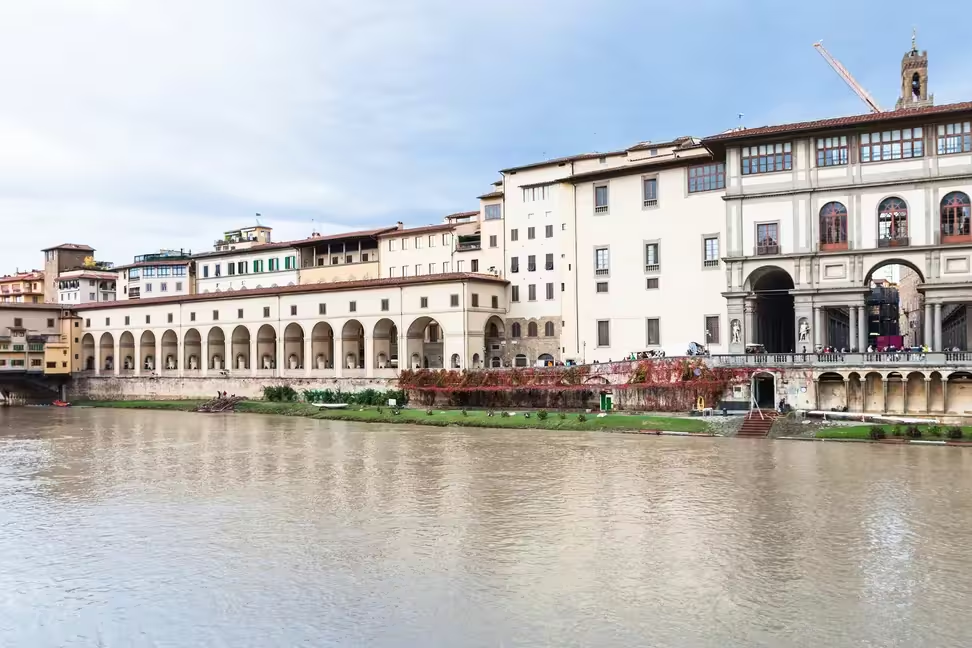
The Gallery was created at the wish of Grand Duke Francesco I and grew thanks to many members of the Medici family, passionate collectors of paintings, sculpture and works of art. The Lorraine dynasty, which followed the Medici, reorganised and enlarged it, and the Italian State later did the same. In 1737, as the Medici line came to an end, a pact made by its last descendant, Anna Maria Luisa, tied the family's vast store of works to Florence "as an ornament of the State".
Over the 18th century the Uffizi turned from a dynastic treasure chest of royal collections into a modern museum. In 1769 Peter Leopold, Grand Duke of Tuscany, allowed citizens to walk freely through the museum on 24 June, the feast of John, the patron saint of Florence.
The 14th-century and Renaissance paintings run from Giotto and Simone Martini to Leonardo, Raphael and Michelangelo, by way of Piero della Francesca, Beato Angelico, Filippo Lippi, Mantegna, Botticelli and Correggio, and on to Caravaggio. Botticelli's works here include the Birth of Venus, the Primavera, the Adoration of the Magi, the Calumny, Pallas and the Centaur and the Madonna of the Magnificat. There are also important holdings of German, Dutch and Flemish painters, with Dürer, Rembrandt and Rubens among them.
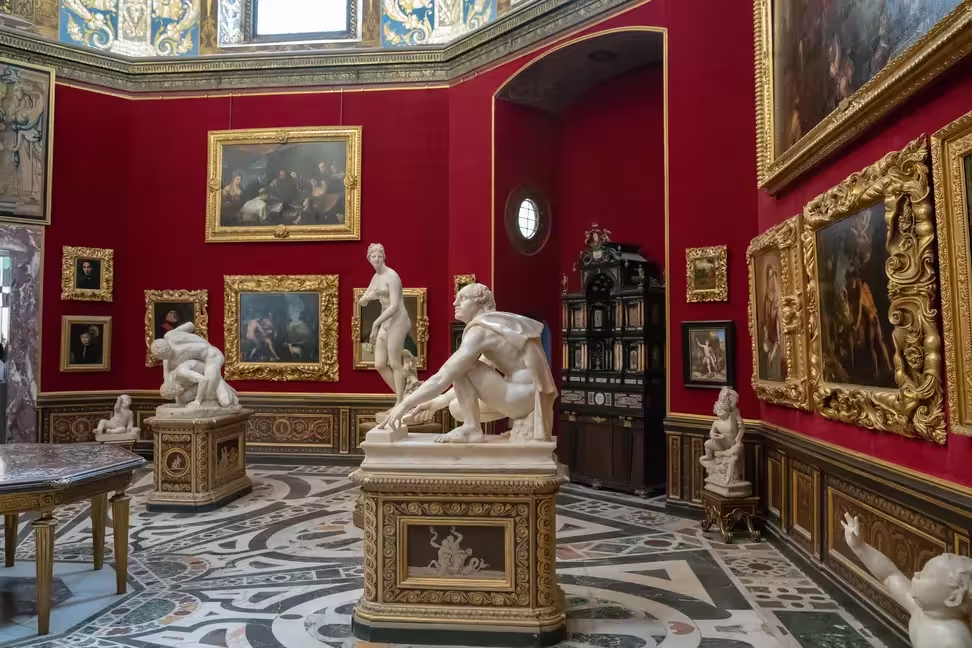
In 2019 Titian's Venus of Urbino was given a room of its own, one of 14 refitted rooms on the first floor, with Titian's Flora and Sebastiano del Piombo's Fornarina beside it. The museum's three paintings by Caravaggio are the Medusa, the Bacchus and the Sacrifice of Isaac, and its Collection of Self-Portraits is the oldest in the world.
Work to enlarge the Gallery means that some rooms close from time to time, although the most important works are normally moved to other rooms. For anyone planning several visits, combined tickets and annual passes cover all the museums of Pitti, Boboli and the Uffizi.
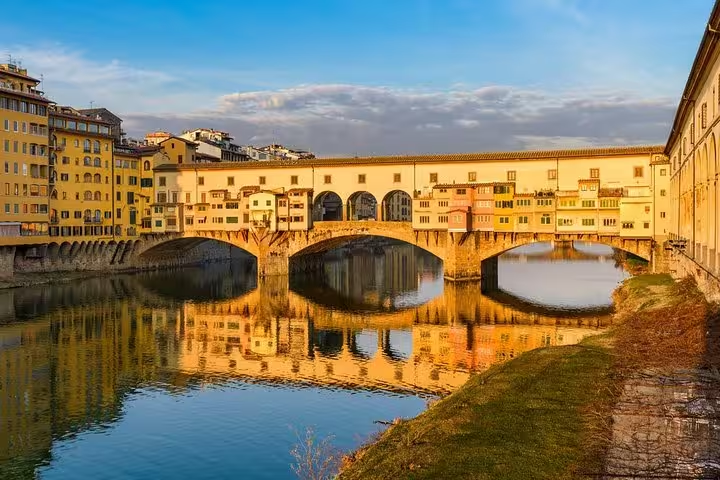
The Gallerie degli Uffizi, an office of the Italian Ministry of Culture, look after the Gallery with its Vasari Corridor as well as Palazzo Pitti and the Boboli Gardens. Giorgio Vasari built the corridor in 1565 for Cosimo I de' Medici, as a private passage between the old ducal palace, Palazzo Vecchio, and Pitti, the new grand-ducal residence. It runs above the city and the river, passes into palaces, circles the Torre de' Mannelli, looks down into the church of Santa Felicita and ends at Pitti, in the gardens. The corridor reopened in December 2024; it cannot be visited separately from the Uffizi, and booking is compulsory.
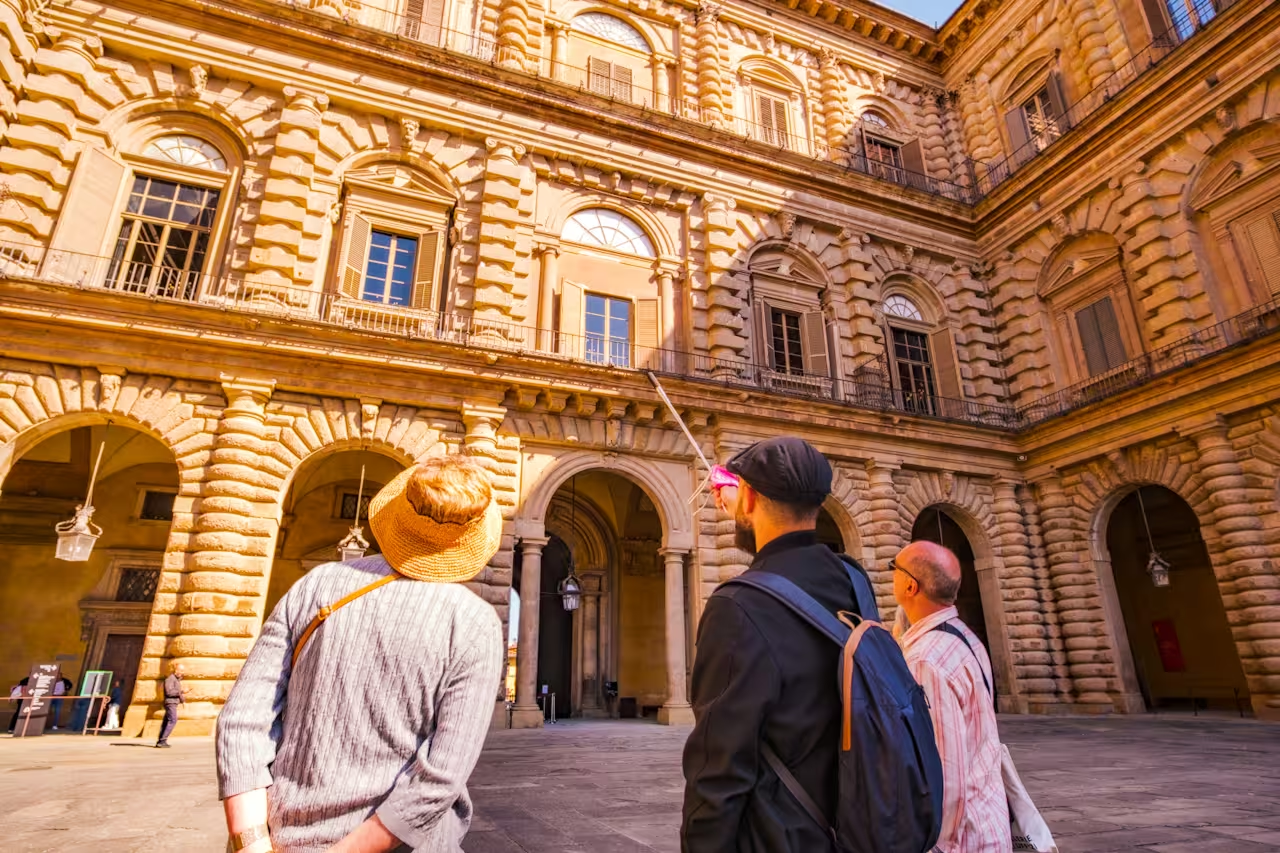
Cosimo I and his wife Eleonora of Toledo bought the palace in 1550 to make it their new home, and it still bears the name of its first owner, the Florentine banker Luca Pitti. Behind it spread the Boboli Gardens, first laid out by the Medici, who created a model of the Italian garden that many European courts went on to follow. The gardens are a true open-air museum, with ancient and Renaissance statues, grottoes (the most famous one by Bernardo Buontalenti) and large fountains such as those of Neptune and of the Ocean.
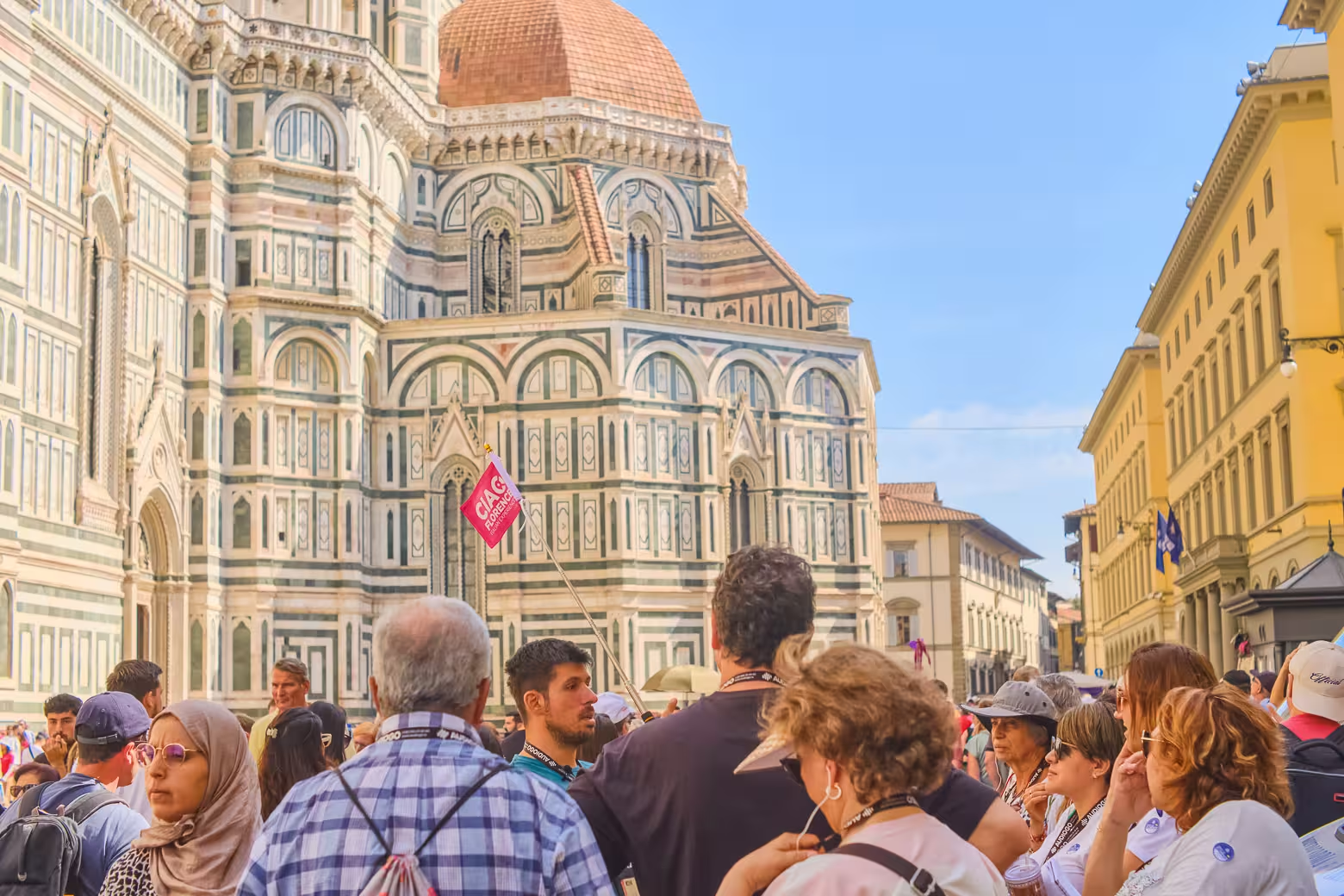
To explore the city around the Gallery with a guide, there is a private guided tour of Florence's history and main landmarks, a guided visit to the Pitti palace and its Boboli gardens and an interactive walking tour about the Pazzi conspiracy. Cruise passengers arriving at Livorno can choose a private full-day tour to Florence from the cruise port, a full-day Florence tour with a tasting of Tuscan food or a full day in Florence and Pisa with a tasting.
Every trip that starts or stops here is also listed on the destination page.
Leonardo, Michelangelo, Titian, Botticelli and Caravaggio, among many others, plus northern masters such as Dürer.
The two paintings belong to the Uffizi Gallery's collection in Florence.
No: you see it as part of an Uffizi visit, and you have to book.
Yes, there is a combined ticket, and there are annual passes too.
Yes, as part of the Historic Centre of Florence, inscribed in 1982.
Sources: Ministero della Cultura (cultura.gov.it) (CC BY 3.0).