Last updated:
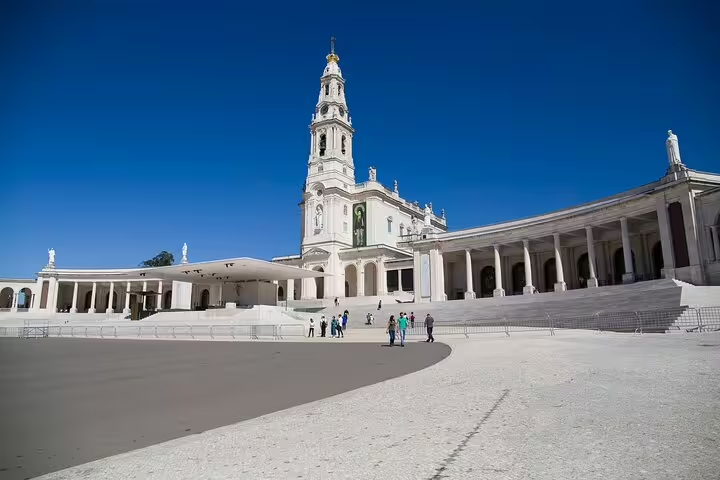
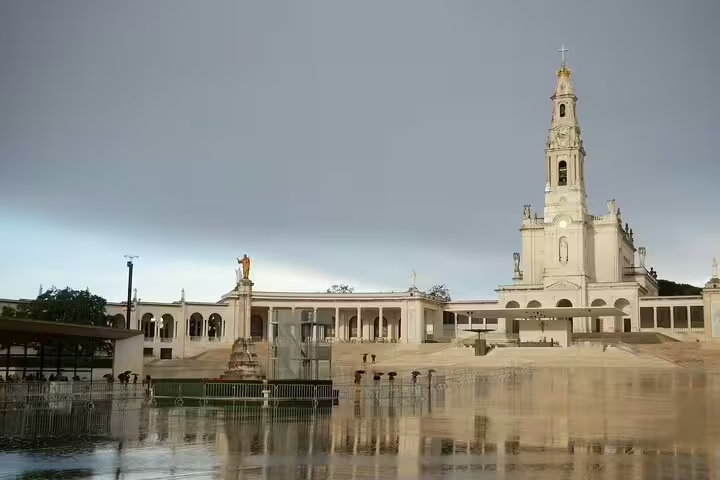
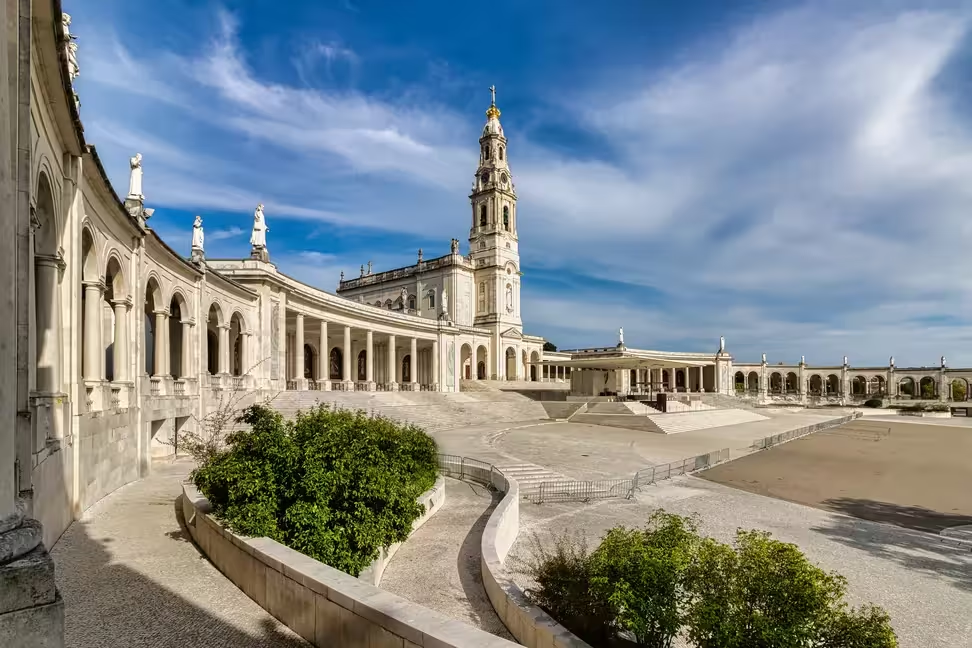
Fátima lies in central Portugal, north of Lisbon, and most visitors come for its sanctuary at Cova da Iria. This page starts with what is remembered there, walks across the esplanade from the small chapel to the two basilicas and then heads south to Aljustrel and the Valinhos path, where the story began.
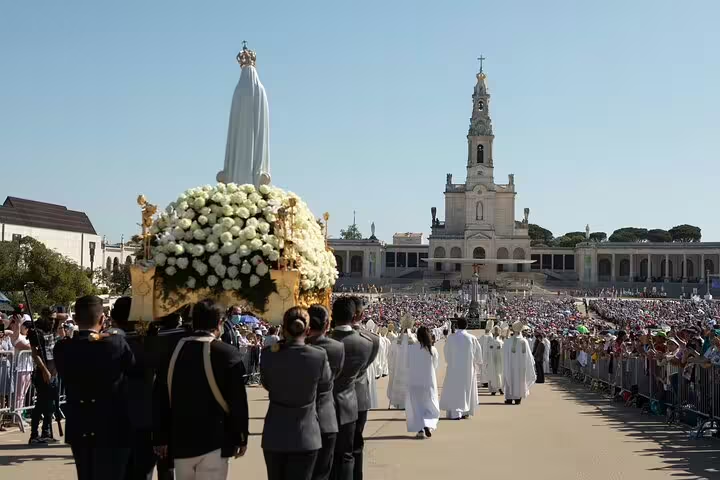
In 1917, three shepherd children from the parish, Lúcia, Francisco and Jacinta, said that the Virgin Mary had appeared to them at Cova da Iria, several times between May and October. Catholics believe these apparitions took place, and the Sanctuary of Fátima, named after Our Lady of Fátima, grew up around the spot. Today it is an international shrine, and the Church celebrates Our Lady of Fátima on 13 May, an optional memorial in the general calendar since 2000. The largest pilgrimages gather on the anniversaries of the first and last apparitions, in May and October, and on many evenings a candlelight procession crosses the grounds.
At the heart of the sanctuary stands its smallest building, the Chapel of the Apparitions (Capelinha das Aparições). It marks the place where the children said the apparitions happened, and pilgrims come here to pray in silence. Nearby, candles burn through the day, and some of the faithful cross the esplanade on their knees along a marked path, keeping a promise. Modest clothing is expected, as in any place of worship.
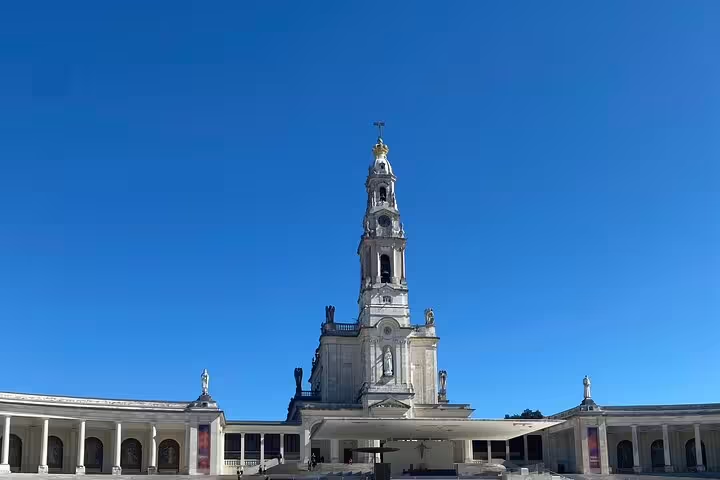
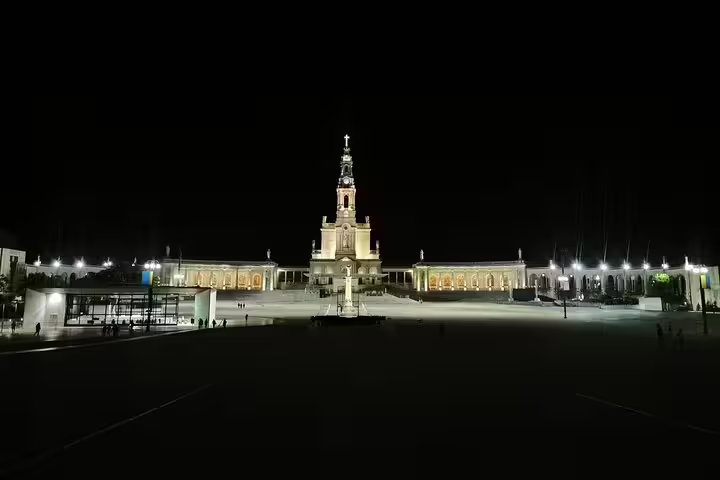
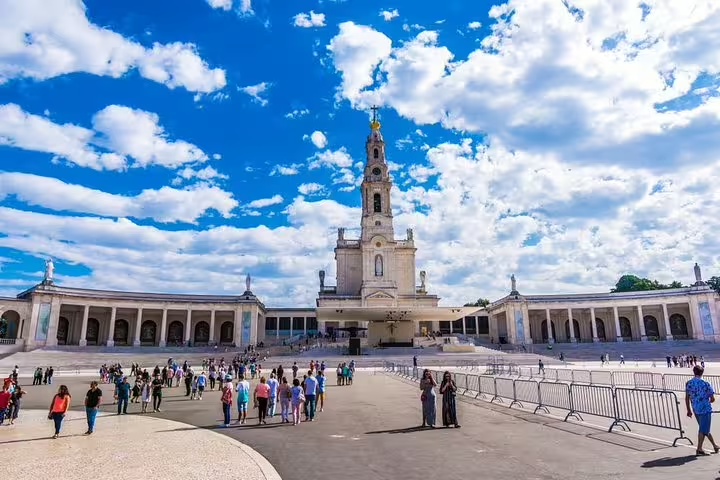
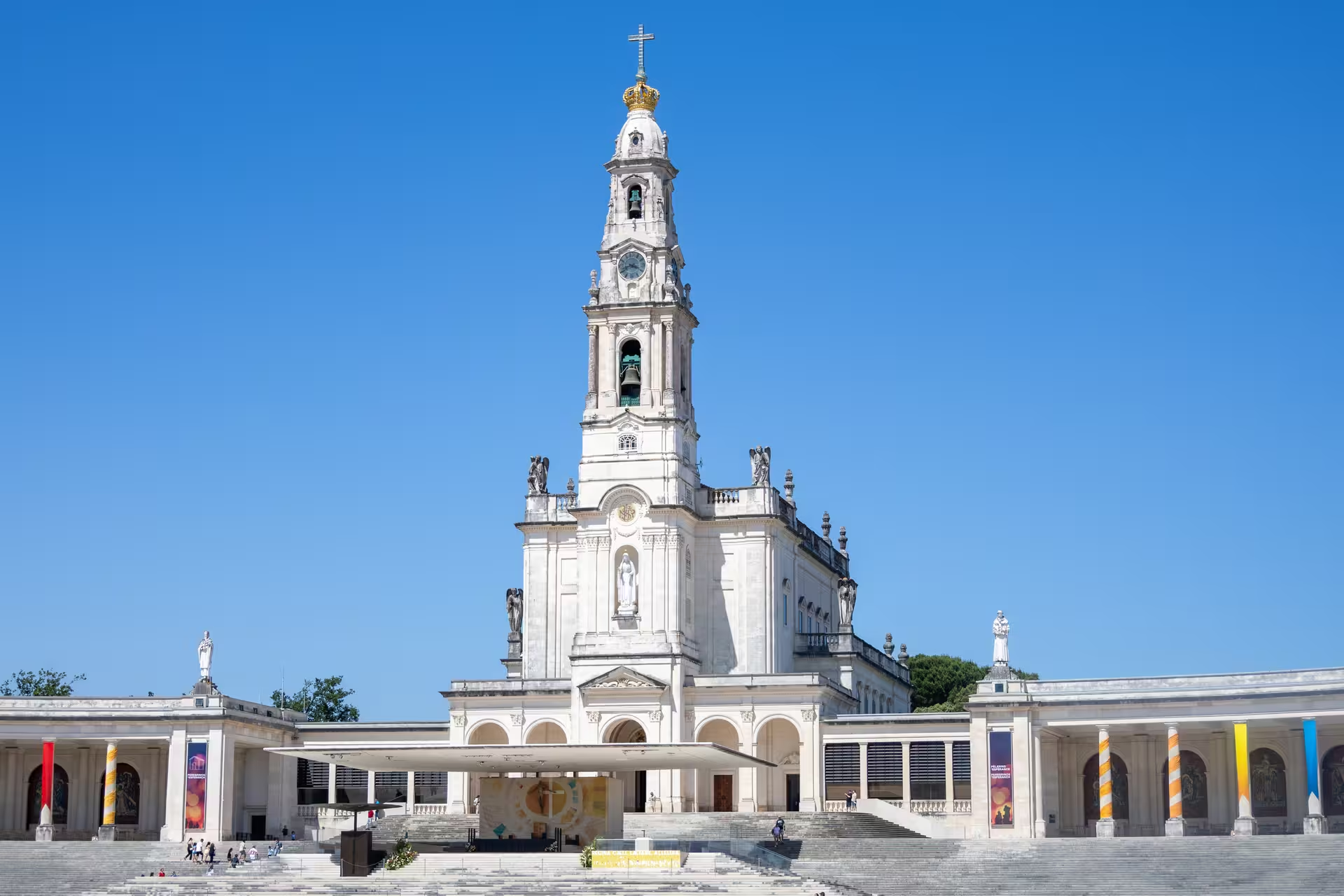
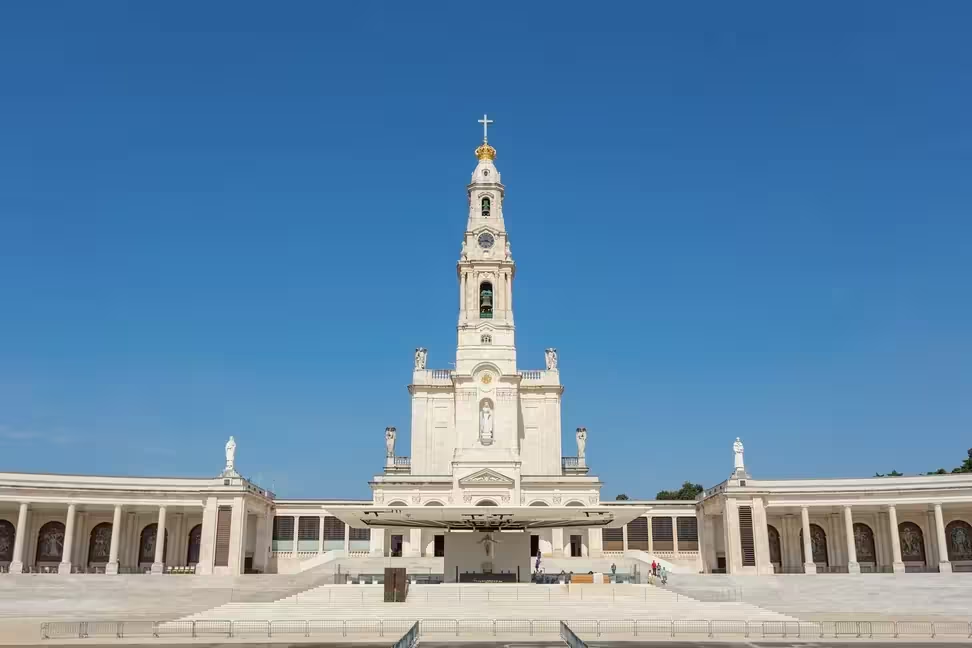
The wide esplanade runs between two churches. At one end stands Fátima's Basilica of Our Lady of the Rosary. The three seers rest inside: Jacinta since 1951, Lúcia since 2006, and Francisco as well.
Facing it across the open ground is the Basilica of the Holy Trinity, a modern church. Its plan measures 125 m (410 ft) on each side, which makes it by far the larger of the two. Close to it stands the High Cross, a large crucifix that is also part of the sanctuary.
Francisco Marto, born in 1908, and his sister Jacinta, born in 1910, both died young: Francisco in 1919 and Jacinta in Lisbon, in 1920. Pope Francis declared them saints at Fátima on 13 May 2017. Their cousin Lúcia, born in 1907, lived until 2005, and her tomb joined theirs in the same basilica a year later.
South of the sanctuary, Aljustrel is a small village of the same parish where the three children were born. Their family houses, the home of Lúcia and that of Francisco and Jacinta, still stand and can be visited. From the village, a Way of the Cross runs through olive groves to Valinhos, where tradition places the apparition of August 1917, and ends at a monument known as the Hungarian Calvary. The walk is quiet and unhurried, a contrast with the crowds at the sanctuary.
Five private tours adapt to your pace. One leaves Lisbon for a full day with the chapel, both basilicas and the house where the three children grew up. Another, also from Lisbon, begins in Aljustrel with the homes of Lúcia and of Francisco and Jacinta before the basilicas and the chapel. From Porto, a private day adds a walk along the Valinhos Way of the Cross and a stop in Aljustrel, while a second one pairs the sanctuary and Aljustrel with an afternoon in Coimbra. The last starts in Fátima itself and follows the story from Aljustrel to the sanctuary, with a nearby cave to finish.
Small groups follow set routes from Lisbon. A half day visit gives a guided introduction to the grounds and the chapel, then free time to walk them alone. A full day for eight people at most starts at the sanctuary and continues to Batalha, Nazaré and Óbidos, and another small group day follows the same order, with Fátima as its first stop.
All trips that stop here are also on the Fátima destination page.
Around 13 May and 13 October, two dates linked to the events of 1917.
In the Rosary basilica, at one end of the esplanade.
No. It is a village of the same parish, south of the sanctuary, and several tours include a stop there.
The Holy Trinity basilica, across the esplanade from the Rosary basilica.
Sources: Wikidata (CC0).