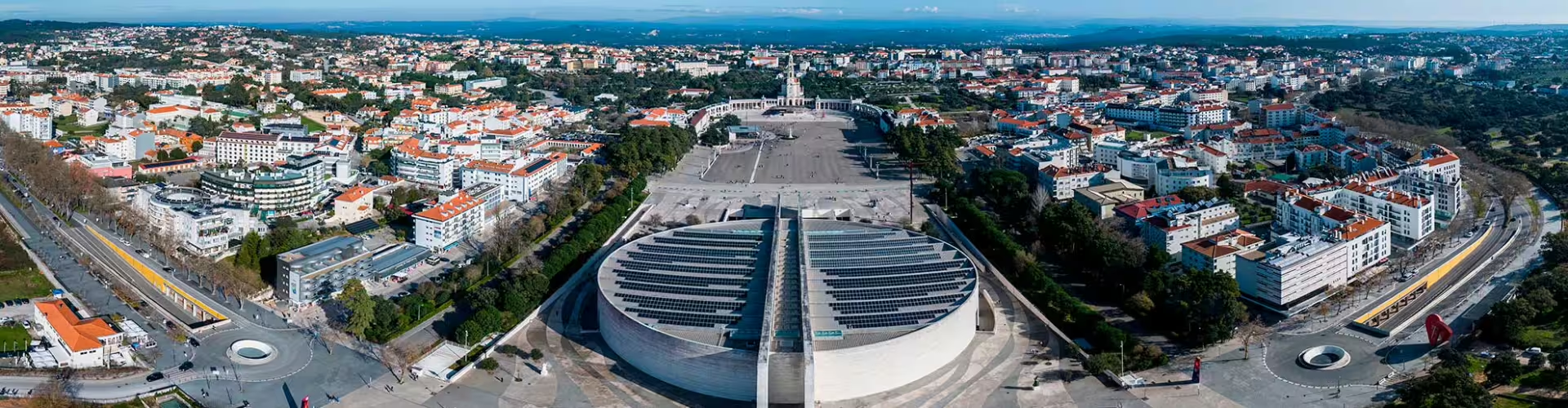


Nestled in the heart of Portugal, the quaint town of Fátima holds a profound spiritual significance that has captivated the hearts of millions. It's a place where the veil between the earthly and the divine seems to thin, where the miraculous and the mundane intertwine in a tapestry of faith and devotion.
In 1917, three young shepherd children - Lucia, Jacinta, and Francisco - reported having visions of the Virgin Mary, who became known as Our Lady of Fátima. These apparitions, which occurred over several months, contained messages of hope, repentance, and devotion that have resonated with pilgrims the world over.
As I learned about the children's unwavering commitment to sharing the Virgin Mary's messages, despite facing immense skepticism and even persecution, I couldn't help but be inspired. Their story is a testament to the power of faith, the courage to stand up for one's beliefs, and the transformative impact that can come from listening to the whispers of the heart.
The Sanctuary of Fátima, with its stunning Chapel of the Apparitions, stands as a testament to the enduring legacy of these visionary children. Pilgrims from all walks of life flock to this sacred place to pray, light candles, and bear witness to the miracles that have occurred over the decades. The nearby Basilica of Our Lady of the Rosary, with its beautiful Gothic architecture and awe-inspiring murals, is another must-see destination for those seeking to immerse themselves in the spiritual energy of Fátima.
But Fátima is more than just a religious hub - it's a town rich in history and culture, waiting to be explored. Wander the charming streets, browse the local shops, and soak in the warm, welcoming spirit of the community. And don't miss the opportunity to venture out into the surrounding countryside, where picturesque villages, rolling hills, and stunning natural landscapes await.
Getting to Fátima is a breeze, with regular bus and train services connecting it to major cities like Lisbon and Porto. Once you're there, you'll find a range of transportation options, from local buses to taxis, to help you navigate the town and its many attractions.
As for accommodations, Fátima offers a diverse array of options to suit every budget and preference. From cozy guesthouses to modern hotels, you'll find plenty of comfortable places to rest your head after a day of spiritual exploration. And with the town's growing popularity as a pilgrimage destination, new lodging options are constantly emerging.
The best time to visit Fátima really depends on your personal preferences and the type of experience you're seeking. The peak pilgrimage season is typically during the summer months, when the weather is warm and sunny. However, the town is beautiful year-round, and you may find that visiting during the shoulder seasons (spring and fall) allows you to enjoy a more peaceful, contemplative atmosphere.
Whether you're a devout Catholic, a history buff, or simply someone in search of a meaningful and enriching travel experience, Fátima is a destination that is sure to leave a lasting impression. So pack your bags, open your heart, and get ready to embark on a journey of spiritual discovery in this remarkable corner of Portugal.
Q1: What is Fátima known for?
A1: Fátima is primarily known for the apparitions of the Virgin Mary to three shepherd children in 1917. It's a major Catholic pilgrimage site and a place of deep spiritual significance for many.
Q2: Where is Fátima located?
A2: Fátima is located in central Portugal, about 120km north of Lisbon. It's easily accessible by bus, train, or car.
Q3: What are the main things to see in Fátima?
A3: The key attractions include the Sanctuary of Fátima, which encompasses the Chapel of the Apparitions, the Basilica of Our Lady of the Rosary, and the Basilica of the Holy Trinity. Many also visit the nearby village of Aljustrel, where the shepherd children lived. The Fátima Museum is also worth a visit.
Q4: When is the best time to visit Fátima?
A4: The peak pilgrimage season is from May to October, with the largest crowds on the 13th of each month, commemorating the apparitions. If you prefer a quieter experience, consider visiting during the shoulder seasons (spring or fall) or on weekdays.
Q5: How do I get to Fátima from Lisbon/Porto?
A5: There are regular bus and train services from both Lisbon and Porto to Fátima. Rede Expressos is a common bus company. You can also drive, and there's ample parking near the Sanctuary.
Q6: How long should I spend in Fátima?
A6: A day trip is usually sufficient to see the main sights. However, if you want to explore the surrounding area or attend specific religious services, you might consider staying overnight.
Q7: What is the dress code for visiting the Sanctuary?
A7: Modest attire is recommended. Shoulders and knees should be covered. It's a sign of respect for the religious significance of the site.
Q8: Are there places to eat in Fátima?
A8: Yes, there are numerous restaurants and cafes in Fátima, catering to various budgets and tastes. You'll find everything from traditional Portuguese cuisine to international options.
Q9: Is Fátima accessible for people with disabilities?
A9: The Sanctuary of Fátima is generally accessible to people with disabilities. There are ramps, elevators, and accessible restrooms. It's always a good idea to check with specific locations for any particular needs.
Q10: Can I take photos inside the chapels and basilicas?
A10: Photography is generally allowed, but avoid using flash inside the chapels and basilicas, especially during services. Be respectful of the atmosphere.
Q11: Are there guided tours of Fátima?
A11: Yes, guided tours are available in various languages. These can provide valuable insights into the history and significance of Fátima. You can often find tour operators near the Sanctuary.
Q12: Where can I find information about religious services in Fátima?
A12: You can find information about Mass schedules and other religious events on the official website of the Sanctuary of Fátima or at the information center near the Sanctuary.
Q13: What currency is used in Portugal?
A13: The currency used in Portugal is the Euro (€).
Q14: Do I need to speak Portuguese to visit Fátima?
A14: While speaking Portuguese is helpful, English is widely spoken in tourist areas, including Fátima. You should be able to communicate effectively.
Q15: Are there any other attractions near Fátima worth visiting?
A15: Yes, the cities of Tomar (with its Convent of Christ) and Alcobaça (with its impressive monastery) are relatively close to Fátima and make for excellent day trips. The caves of Mira de Aire are also a popular natural attraction in the region.