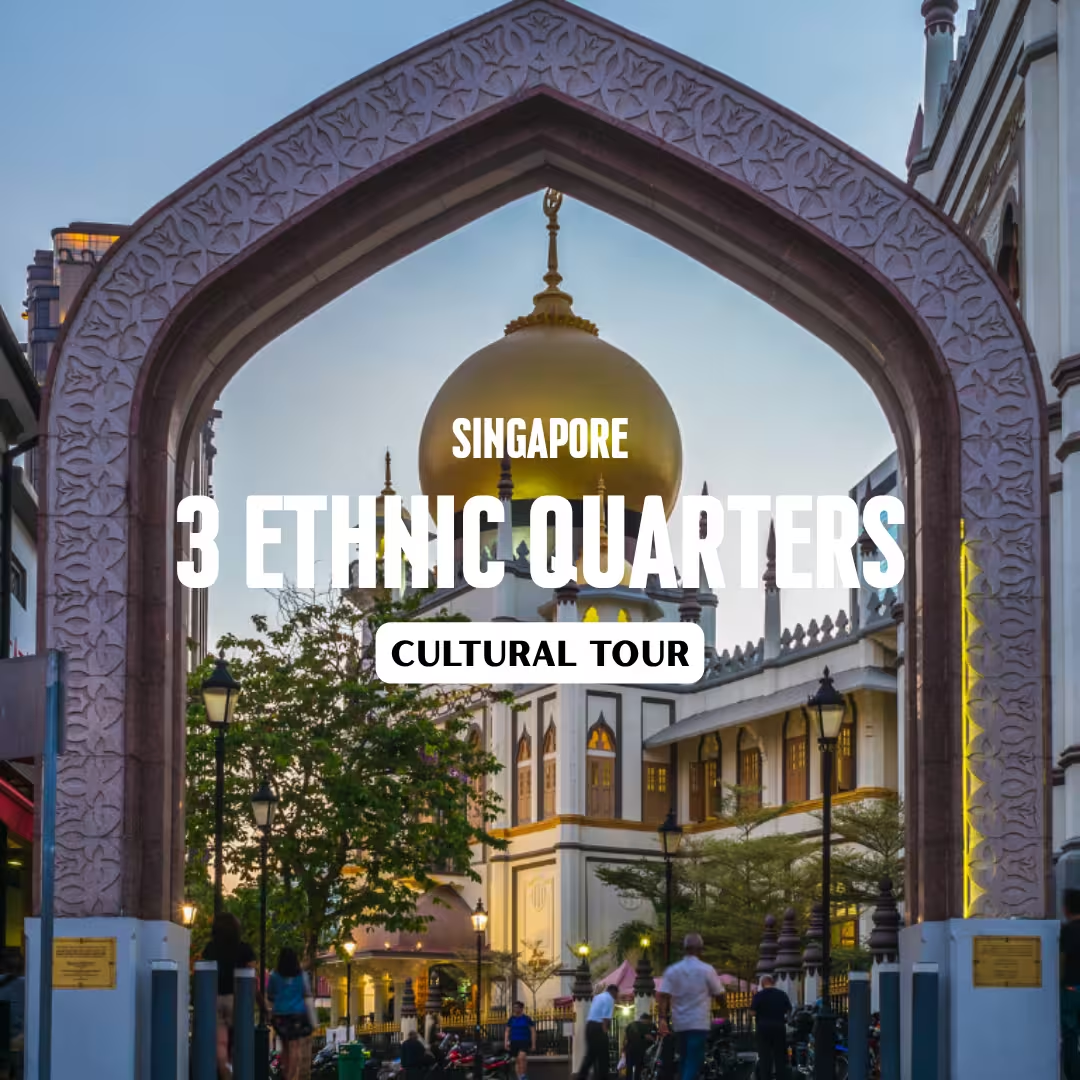
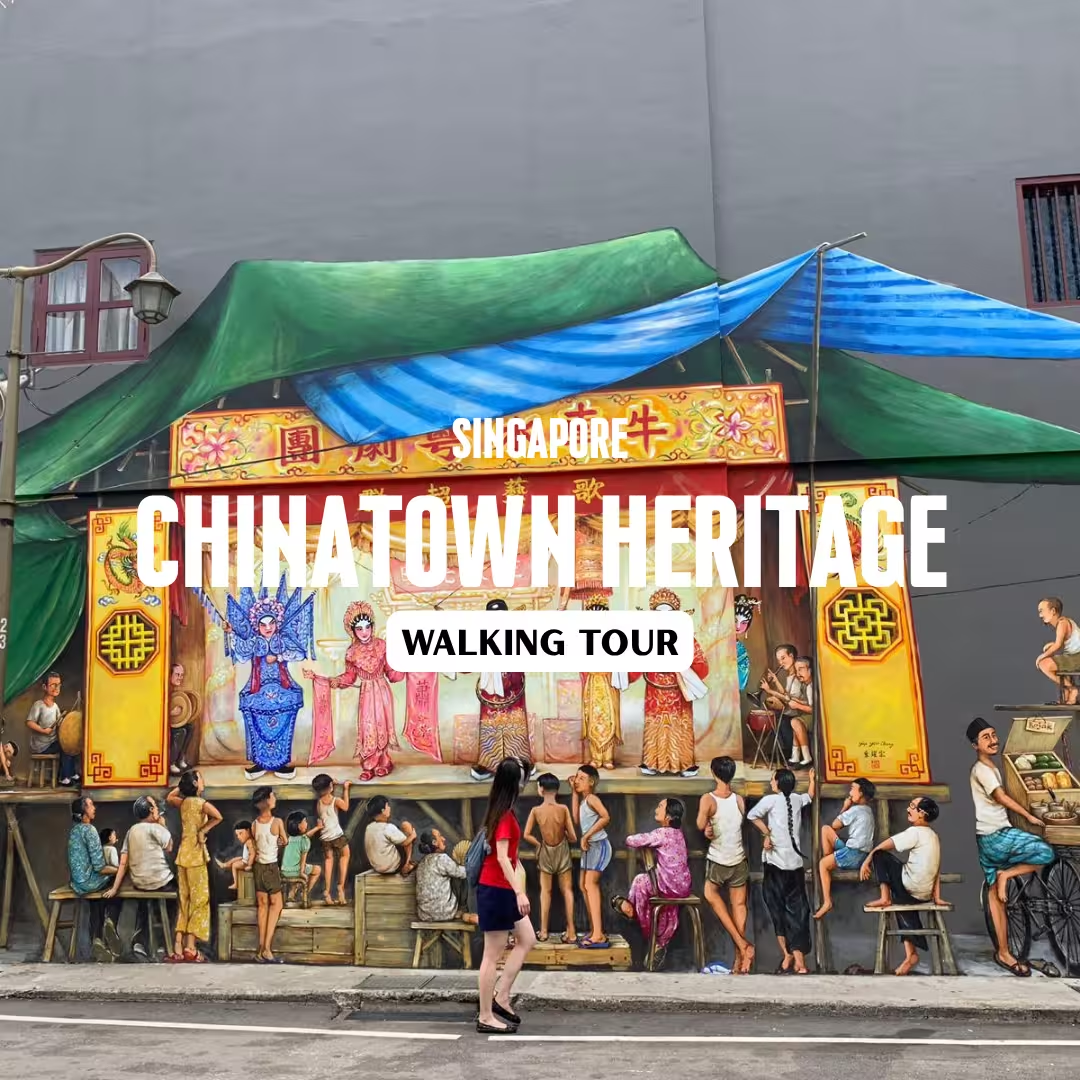
Chinatown, located in the bustling city of Singapore, offers a vibrant mix of history, culture, and modernity. This eclectic neighborhood is a must-visit for anyone exploring Singapore; it promises an unforgettable experience with its rich heritage and diverse attractions. Whether you're arriving for a short trip or an extended stay, Chinatown is sure to captivate you with its charm.
Chinatown is situated in the central area of Singapore, surrounded by iconic neighborhoods like Marina Bay and Little India.
A two to three-day visit is ideal to explore Chinatown thoroughly. The best seasons are from December to February and July to September.
Expect to spend around SGD 100-150 per day, including food and attractions. Look for combo tickets for multiple attractions to save money.
Visit the Buddha Tooth Relic Temple: Marvel at the architectural beauty of this temple and explore its museum showcasing Buddhist artifacts.
Explore Chinatown Heritage Centre: Discover the rich history of Chinatown through interactive exhibits that bring the past to life.
Shop at Chinatown Street Market: Wander through bustling streets filled with souvenirs, snacks, and traditional goods.
Enjoy a Traditional Chinese Tea Ceremony: Experience the art of tea at Tea Chapter, where you can savor authentic Chinese tea.
Try Local Delicacies at Maxwell Food Centre: Indulge in famous Singaporean dishes like Hainanese chicken rice and satay.
Stroll through Ann Siang Hill: Enjoy a leisurely walk through this charming area known for its trendy bars and cafes.
Visit Sri Mariamman Temple: Admire the intricate architecture of Singapore's oldest Hindu temple.
Start your day at the Buddha Tooth Relic Temple, enjoy lunch at Maxwell Food Centre, and spend the afternoon exploring Ann Siang Hill and Chinatown Street Market.
Day 1: Explore Chinatown Heritage Centre and Sri Mariamman Temple. Day 2: Enjoy a tea ceremony and shop at Chinatown Street Market.
Day 1: Visit key temples. Day 2: Enjoy local food and a tea ceremony. Day 3: Take a day trip to Gardens by the Bay.
1. Hainanese Chicken Rice: A must-try national dish available at most food stalls.
2. Chili Crab: Enjoy this spicy seafood delicacy at a local restaurant.
3. Satay: Savor these skewered meats with peanut sauce at a hawker center.
4. Laksa: Dive into a bowl of this spicy noodle soup for a flavorful experience.
5. Kaya Toast: A popular breakfast choice, best enjoyed with soft-boiled eggs.
Spring (March-May): Pleasant weather, fewer crowds. Ideal for sightseeing and outdoor activities.
Summer (June-August): Hot and humid, but a great time to enjoy indoor attractions.
Autumn (September-November): Cooler weather, perfect for exploring Chinatown on foot.
Winter (December-February): Peak tourist season, vibrant festivals, and events.
Public transport is efficient with options like MRT, buses, and taxis. Consider purchasing an EZ-Link card for convenience. Chinatown is pedestrian-friendly; explore nearby areas like Little India and Marina Bay.
Sentosa Island: A 30-minute ride away, offering beaches, attractions, and entertainment.
Gardens by the Bay: Just a short MRT ride, explore the futuristic gardens and iconic Supertree Grove.
Singapore Zoo: Approximately 45 minutes by taxi, it offers an immersive wildlife experience.
Q: How long should I plan to stay in Chinatown?
A: Ideally, plan for a two to three-day visit to thoroughly explore the top attractions and enjoy the local culture.
Q: Are tickets required for the Buddha Tooth Relic Temple?
A: Entry is free, but donations are appreciated. Guided tours may require a booking.
Q: Where should I start my exploration in Chinatown?
A: Start at the Buddha Tooth Relic Temple, then move to the Chinatown Heritage Centre for a historical perspective.
Q: What is the best time to visit Chinatown?
A: The best time is during the cooler months of December to February, which also coincides with vibrant festivals.
Q: Is Chinatown accessible for travelers with mobility issues?
A: Yes, most attractions are accessible, and public transport in Singapore is equipped to accommodate travelers with mobility needs.
Every trip that passes through here is also listed on the destination page.