
Walking Tours in Singapore
Singapore, Singapore
14 experiences

Last updated:


Singapore rewards a plan that makes room for gardens, art and food alongside its city sights. This tropical island lies in Southeast Asia, beyond the southern end of the Malay Peninsula.
Three days would let you divide your attention between the sights, cultural visits and nature. Put the Merlion and Gardens by the Bay on your first day, then devote the next to National Gallery Singapore and the Buddha Tooth Relic Temple and Museum. A third day can focus on the primary rainforest at Bukit Timah Nature Reserve.
If history matters more to you than another garden visit, the Fort Canning and Civic District heritage walk offers a four-hour guided option.
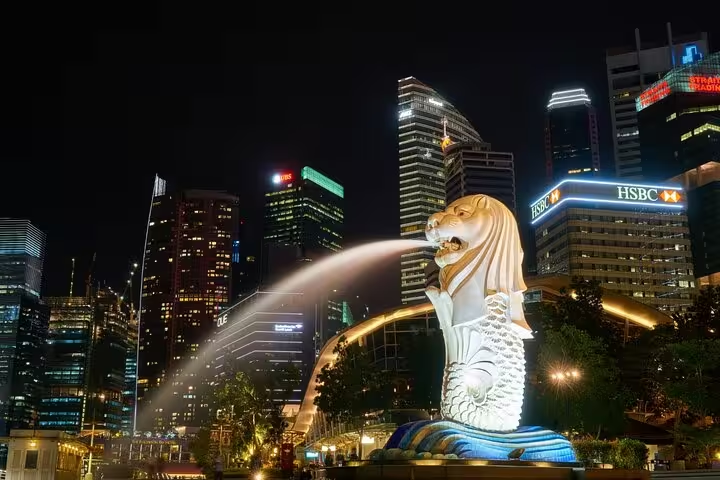
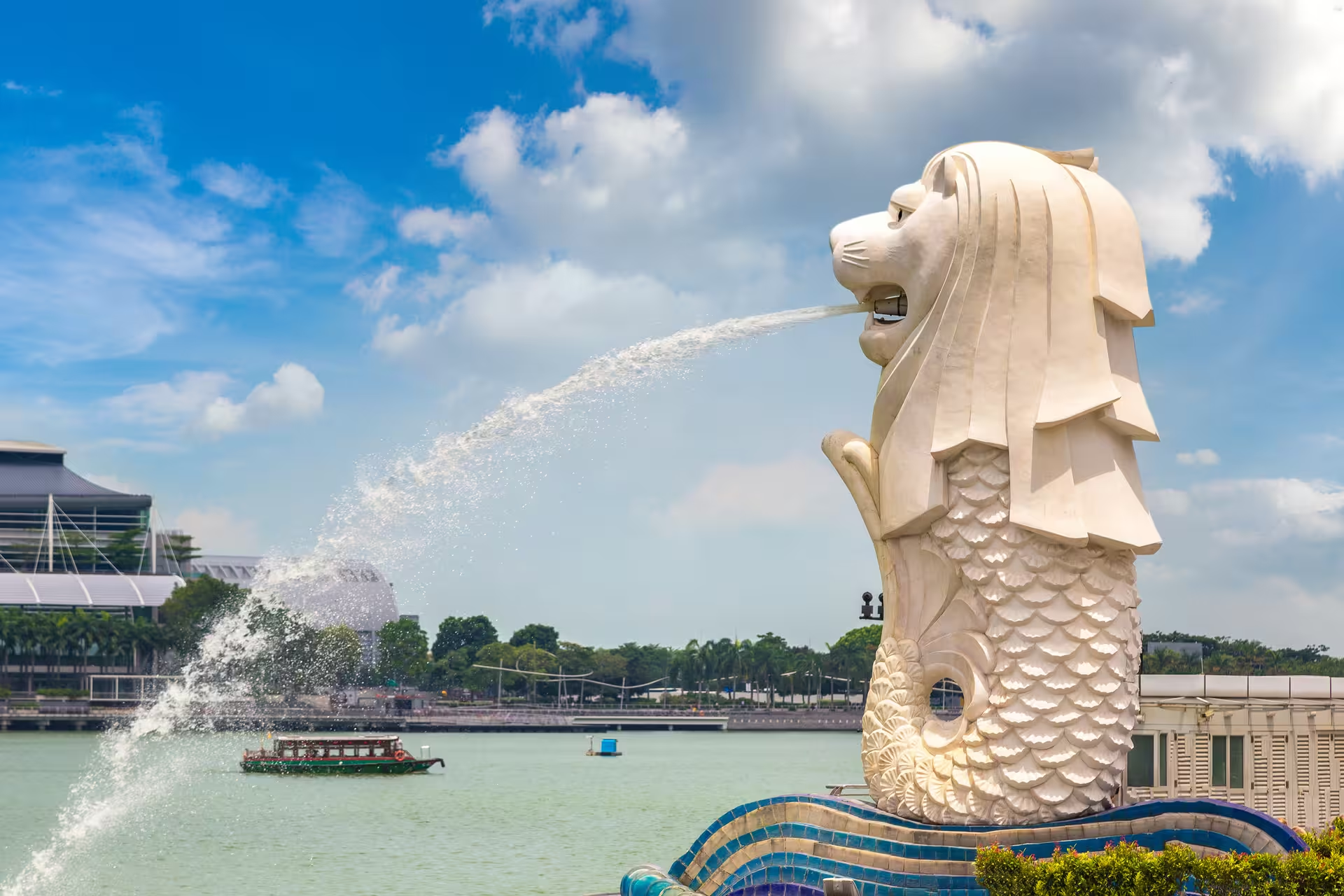
The Merlion spouts water from its mouth. Its height of 8.6 metres makes it worth leaving room in your photo for the full statue.
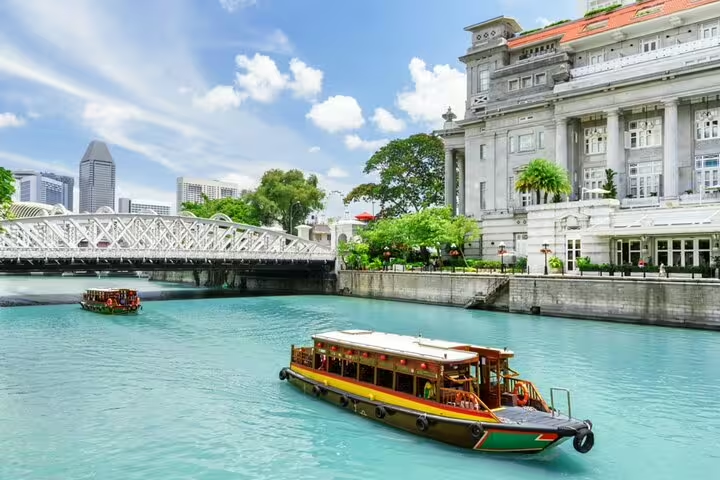
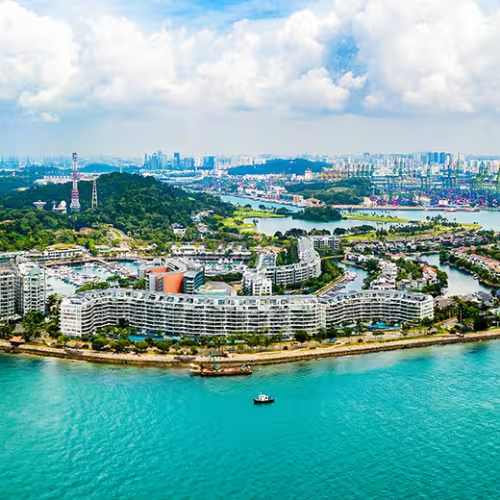
If you want dinner on the water, the Singapore city lights dinner cruise aboard Royal Albatross combines those plans.
Cloud Forest is the choice for a waterfall, while Flower Dome puts the emphasis on plants from contrasting habitats. The waterfall in Cloud Forest drops 35 metres, so make that your focus if the scale of the display appeals.
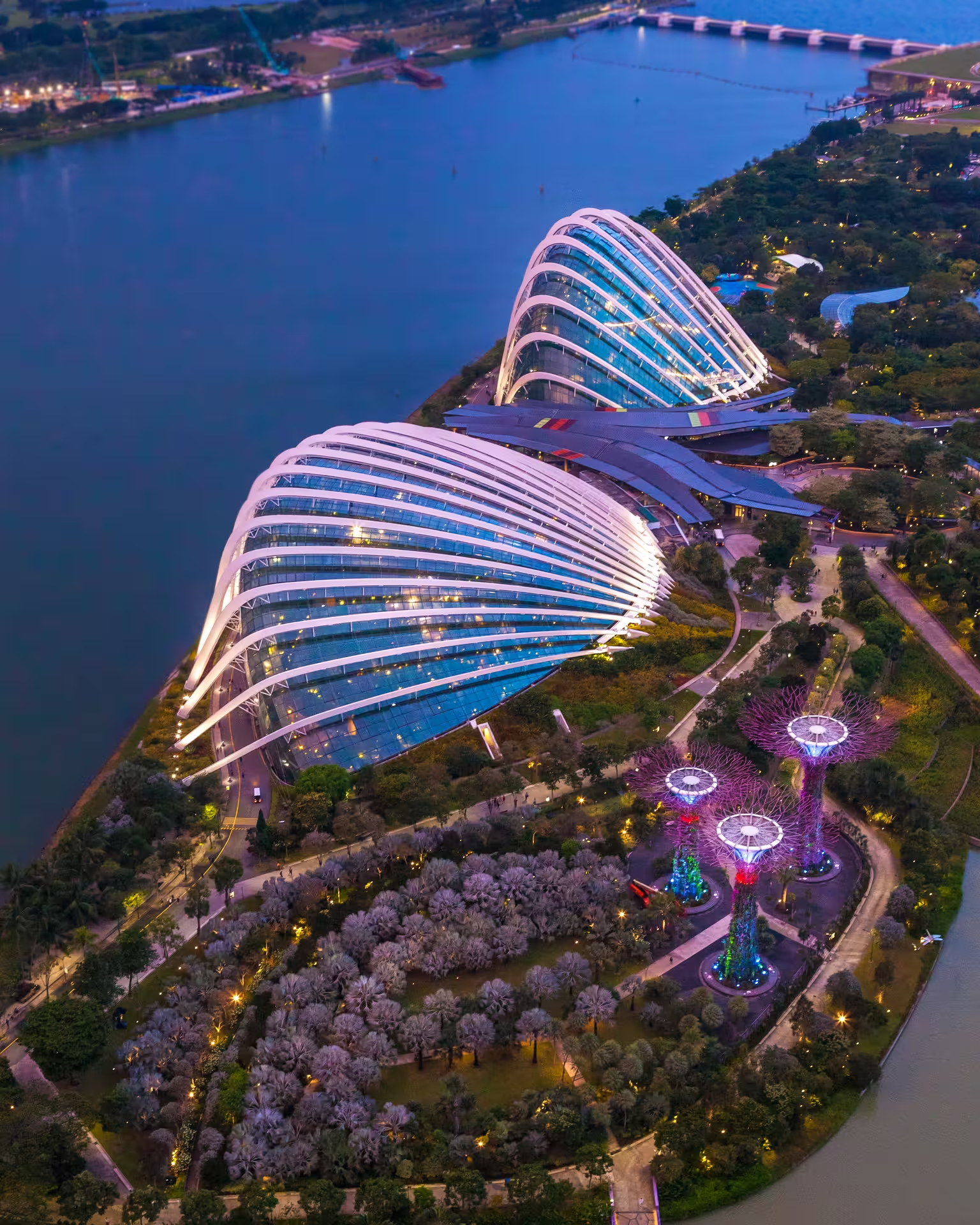
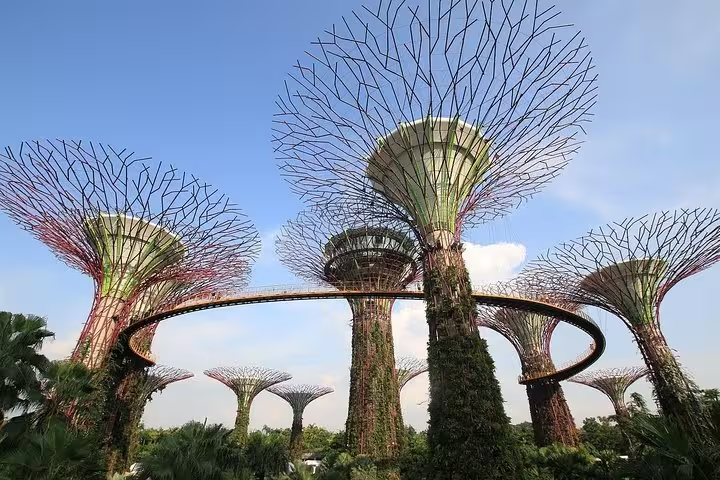
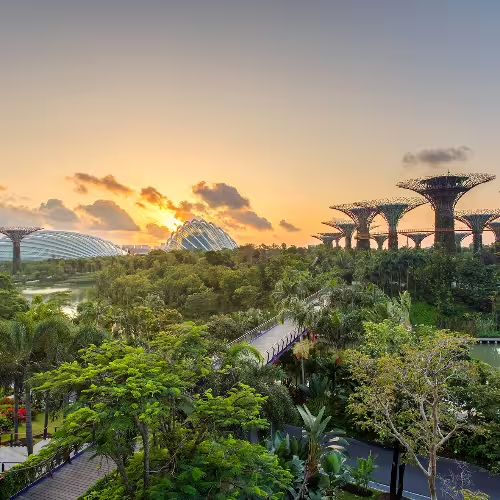
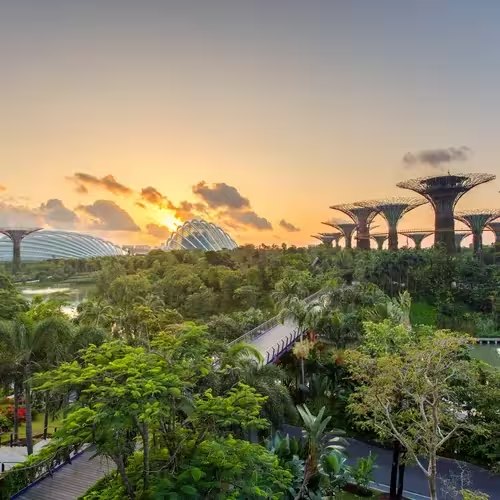
Inside Flower Dome, the plant collections range from Mediterranean species to those of South African savannahs and arid deserts. For the Supertrees, head to Supertree Grove, where twelve of the gardens' eighteen stand together. These differences give you a way to prioritise: the waterfall, the plant collections or the Supertrees.
Laksa is worth trying if you enjoy spicy soup and seafood. Its base combines coconut milk with dried shrimp, fishcake and prawns. Chilli crab takes a different form: mud crab with chilli sauce and fried bread buns alongside.
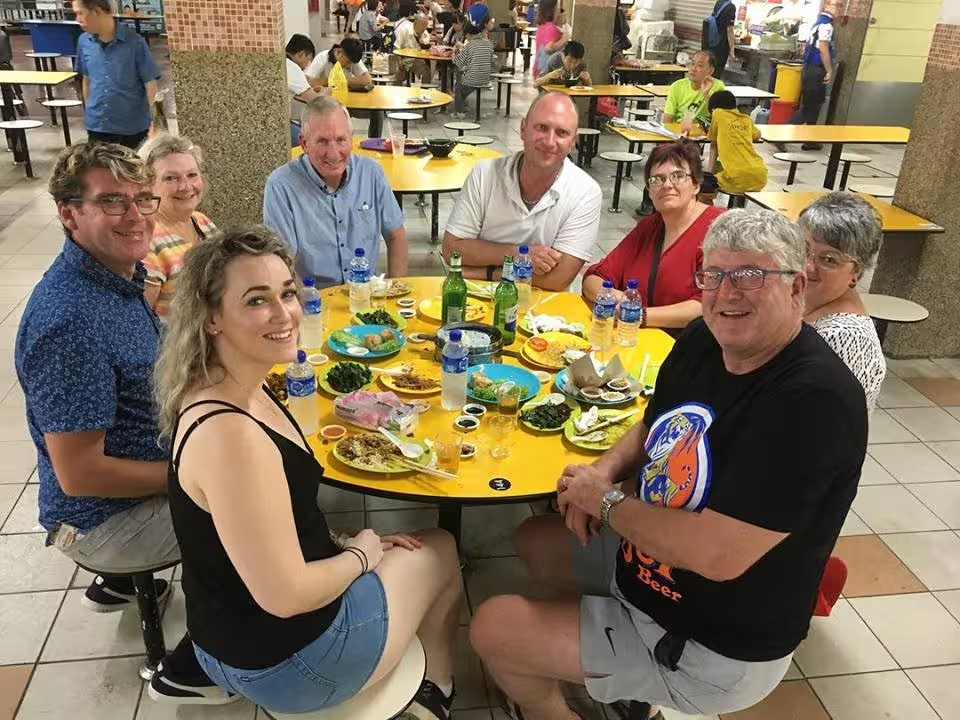
Peranakan cooking is another direction to explore, bringing Chinese ingredients and techniques together with ingredients used by indigenous Malays. Hawker culture also deserves attention as part of the visit, with recognition on UNESCO's intangible cultural heritage list.
National Gallery Singapore is the place to prioritise for Southeast Asian modern art. The collection occupies the former Supreme Court and City Hall, so the buildings themselves are part of the interest: both are national monuments.
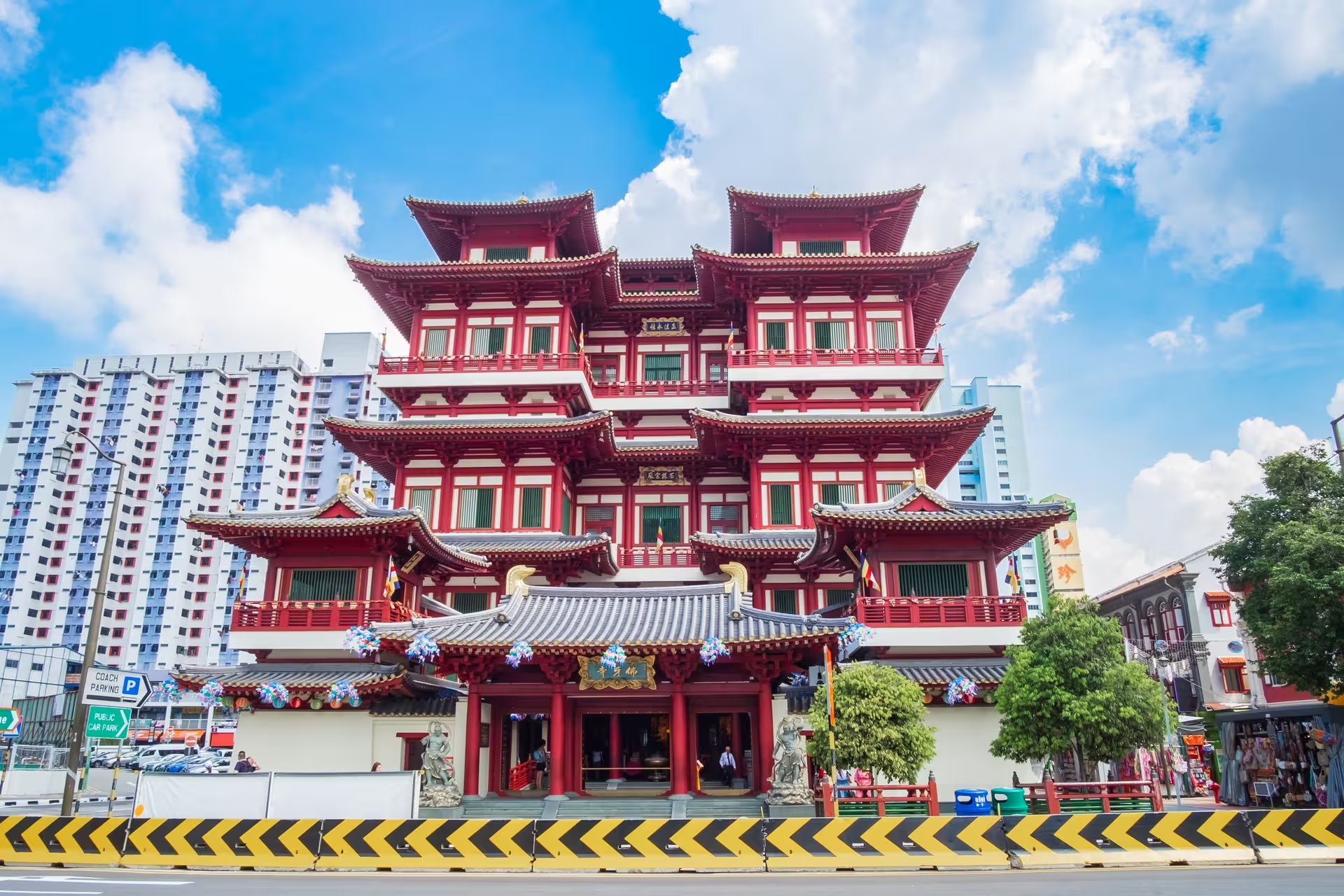
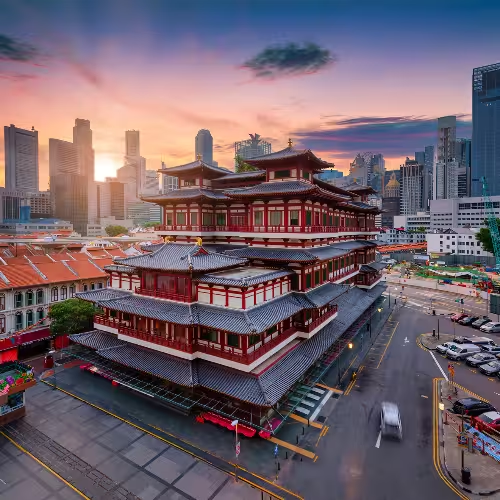
The Buddha Tooth Relic Temple and Museum offers Tang-style Chinese Buddhist architecture, while the Sultan Mosque has golden onion-shaped domes at either end of its prayer hall. If you prefer exploring religious sites with a guide, a spiritual temple walking tour in Singapore provides that approach.
Bukit Timah is the option for primary rainforest; Sungei Buloh offers a mix of wetland habitats. At Sungei Buloh Wetland Reserve, mangroves, mudflats, ponds and forests give you different environments to focus on during a visit.
Singapore Botanic Gardens is another choice if a garden appeals more than a reserve. Its UNESCO World Heritage status and octagonal Bandstand offer reasons to look beyond Gardens by the Bay when planning your garden visits.
Rain protection belongs in your packing plans. The annual rainfall figure supports preparing for wet weather, but does not identify a drier month for your visit.
The rail journey from Changi Airport into the city involves changing to the East West Line at Tanah Merah. The airport MRT station connects directly with Terminals 2 and 3, which helps you plan where to reach the train.
Yes, it was established in 1859 and was inscribed on the UNESCO World Heritage List in 2015.
Yes, hawker culture was inscribed on UNESCO's Representative List of the Intangible Cultural Heritage of Humanity on 16 December 2020.
Yes, more than 200 bird species have been recorded at Sungei Buloh Wetland Reserve, which covers 202 hectares of mangroves, mudflats, ponds and forests.