Last updated:


Curitiba, the capital of Paraná in southern Brazil, suits a trip built around gardens, distinctive buildings and immigrant heritage. Its parks also have a practical role: the city placed many of them along rivers, with lakes that hold back rainwater and help control flooding.
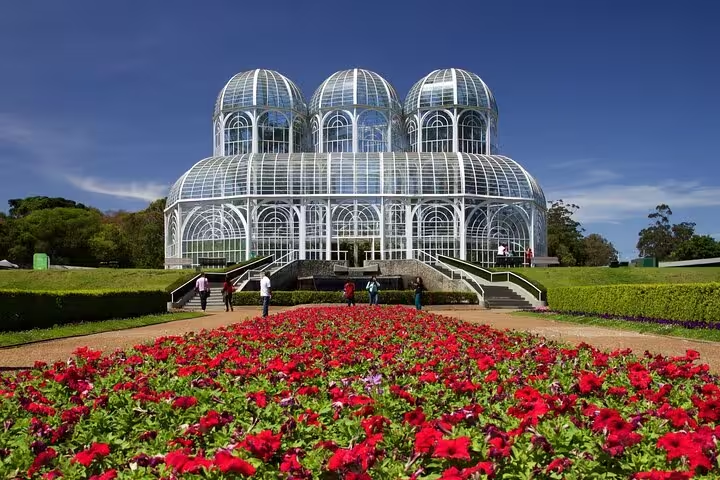
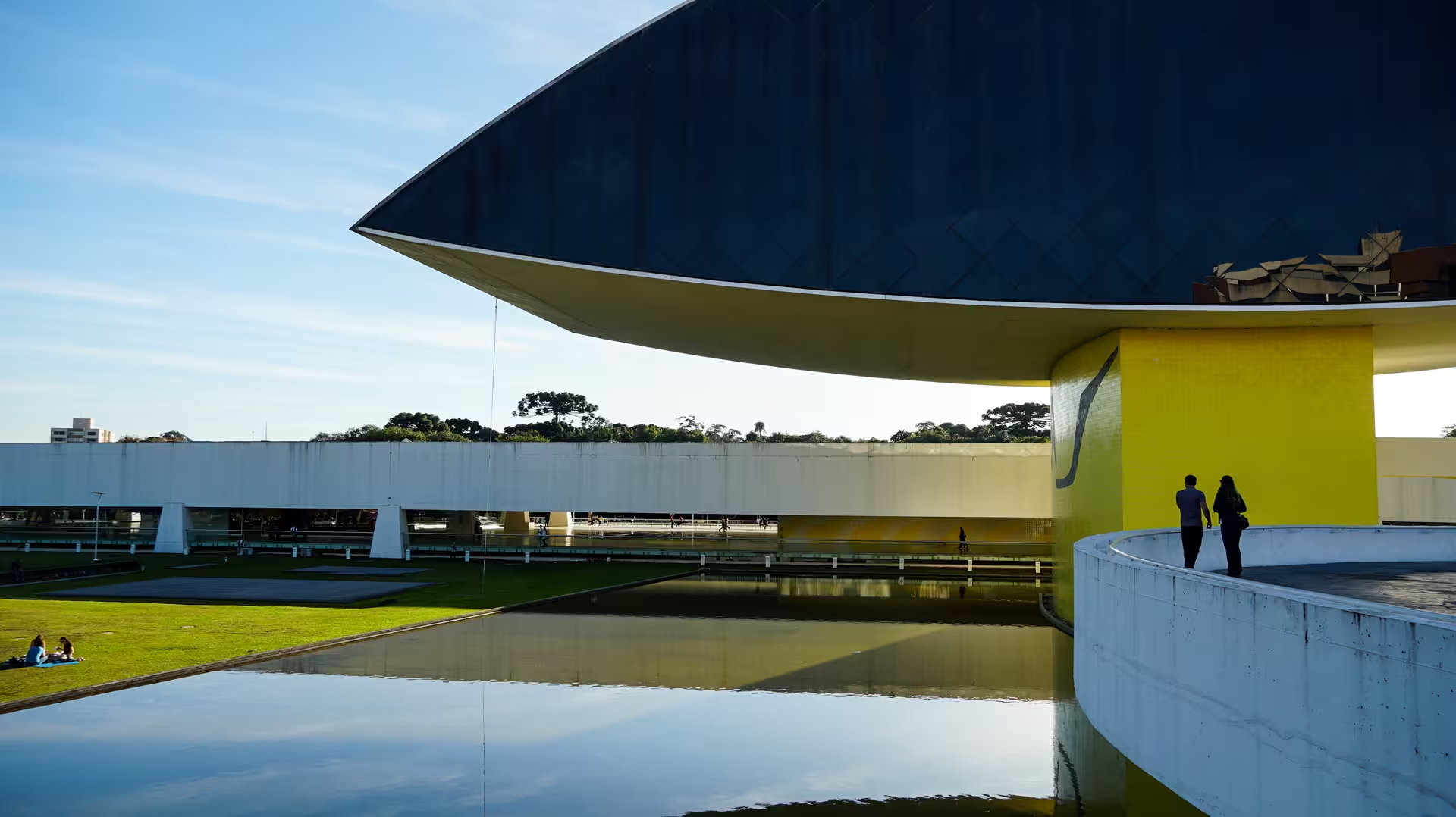
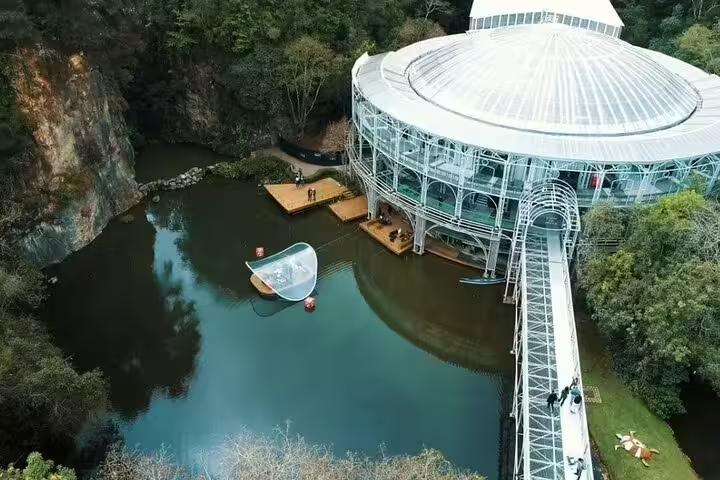
Gardens and architecture make a useful focus for a city visit. At Jardim Botânico de Curitiba, formal gardens follow a French design tradition, while the greenhouse combines Art Nouveau styling with a modern metal structure. The Oscar Niemeyer Museum offers a different architectural stop: the shape of its main building explains the nickname Museu do Olho, or Eye Museum. At the Ópera de Arame, steel tubes form the theatre structure.
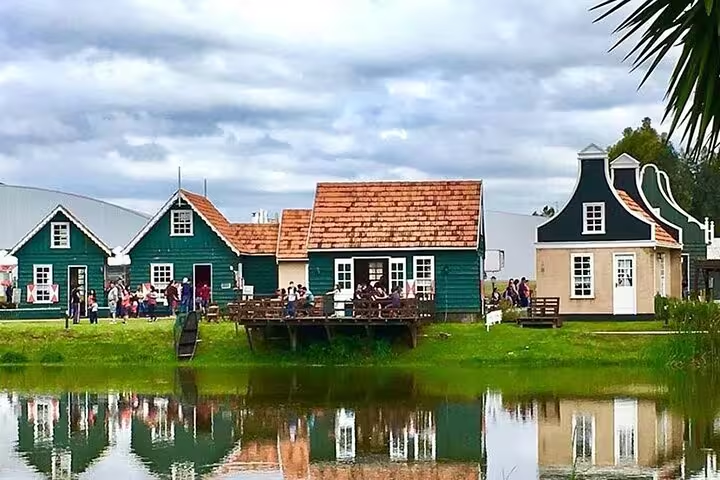
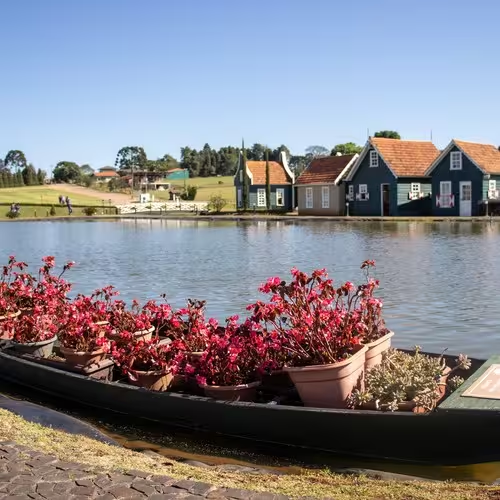
Santa Felicidade adds Italian heritage to that plan. Italian immigrants concentrated in this neighbourhood, which remains a focus for the Italian community. Italian, Polish and German immigration has also helped shape Curitiba's food.
Two days is a useful plan: devote one to the gardens and architecture, then another to immigrant heritage and food. The first day can bring together Jardim Botânico de Curitiba, the Oscar Niemeyer Museum and Ópera de Arame; the second can focus on Santa Felicidade.
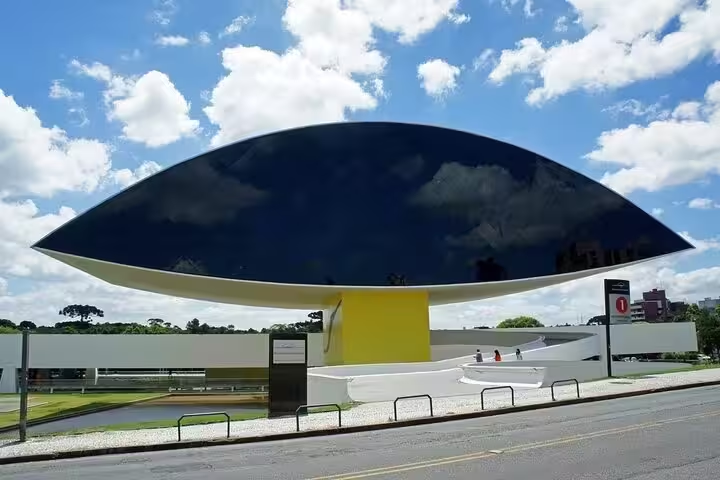
A full-day guided Curitiba tour focused on history and hidden gems lasts 8 hours and includes a specialised local guide and car transport within the city. Included visits cover the Botanical Garden, Oscar Niemeyer Museum, Wire Opera House, Tanguá Park, Tingui Park and Panoramic Tower. Guided stops at the Durigan wine shop and Florybal chocolate shop in Santa Felicidade are also included.
For a separate heritage outing, the guided Witmarsum Colony tour exploring German heritage in Paraná lasts 6 hours. It includes a professional guide, a restaurant reservation for a traditional German lunch, and a guided rural walk with photo stops.
July (winter in Curitiba) suits travellers who prefer cooler walks, while December to February suits those who prefer warmer days. Winter daytime temperatures are generally around 20 °C, and July has an average minimum of about 9 °C. Summer (December to February) daytime temperatures average about 26 °C. A warmer layer makes sense for a July trip, particularly when planning time outside.
Buses are an option for getting around Curitiba, with three-section vehicles stopping at raised tube stations. For arrival planning, Afonso Pena International Airport serves the city from São José dos Pinhais, 18 km southeast of downtown Curitiba.
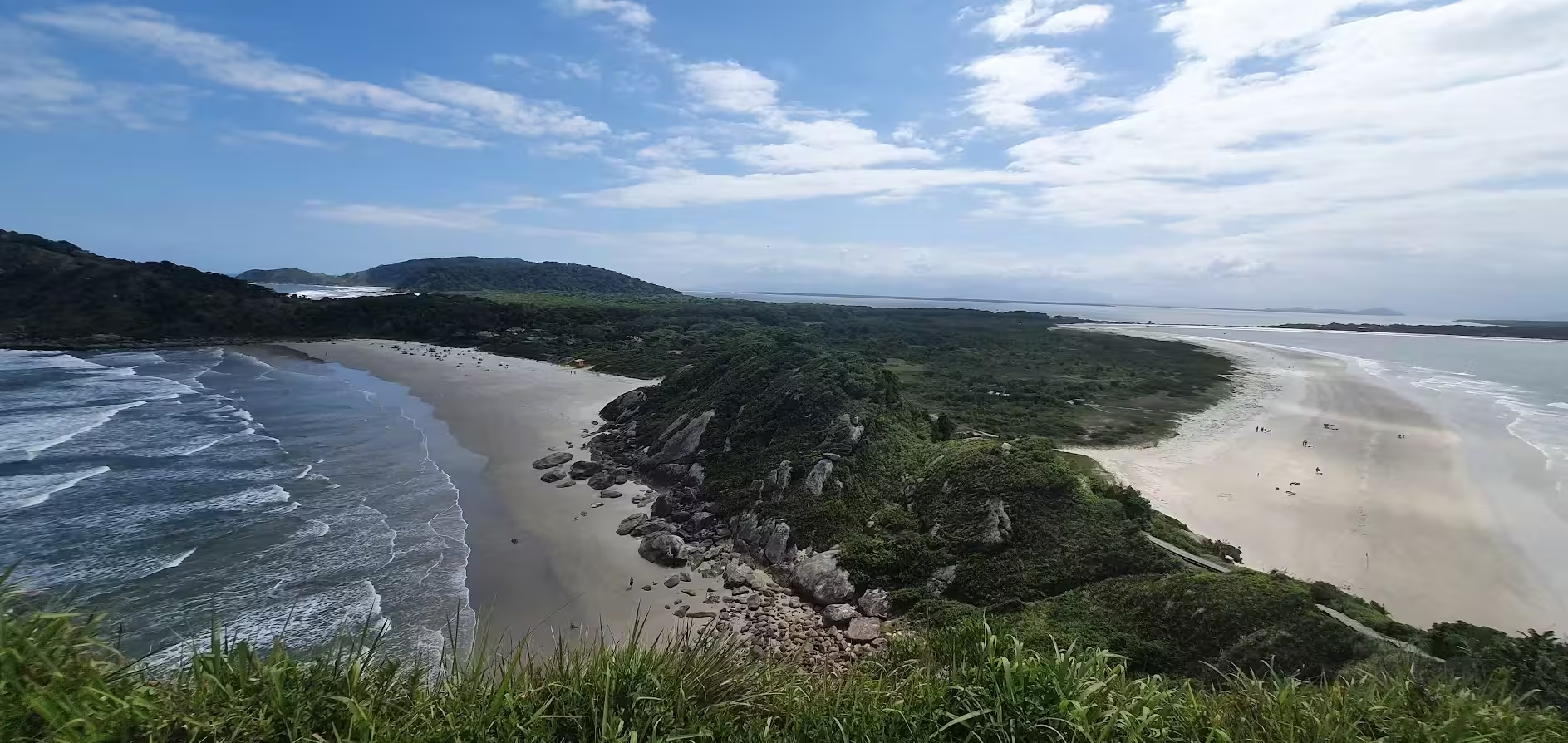
Morretes suits a railway and food outing, while Ilha do Mel, reached by road and then by boat, offers a long day without motor traffic. The Serra Verde Express tourist train runs from Curitiba down the Serra do Mar to Morretes. In Morretes, restaurants are associated with the traditional dish barreado.
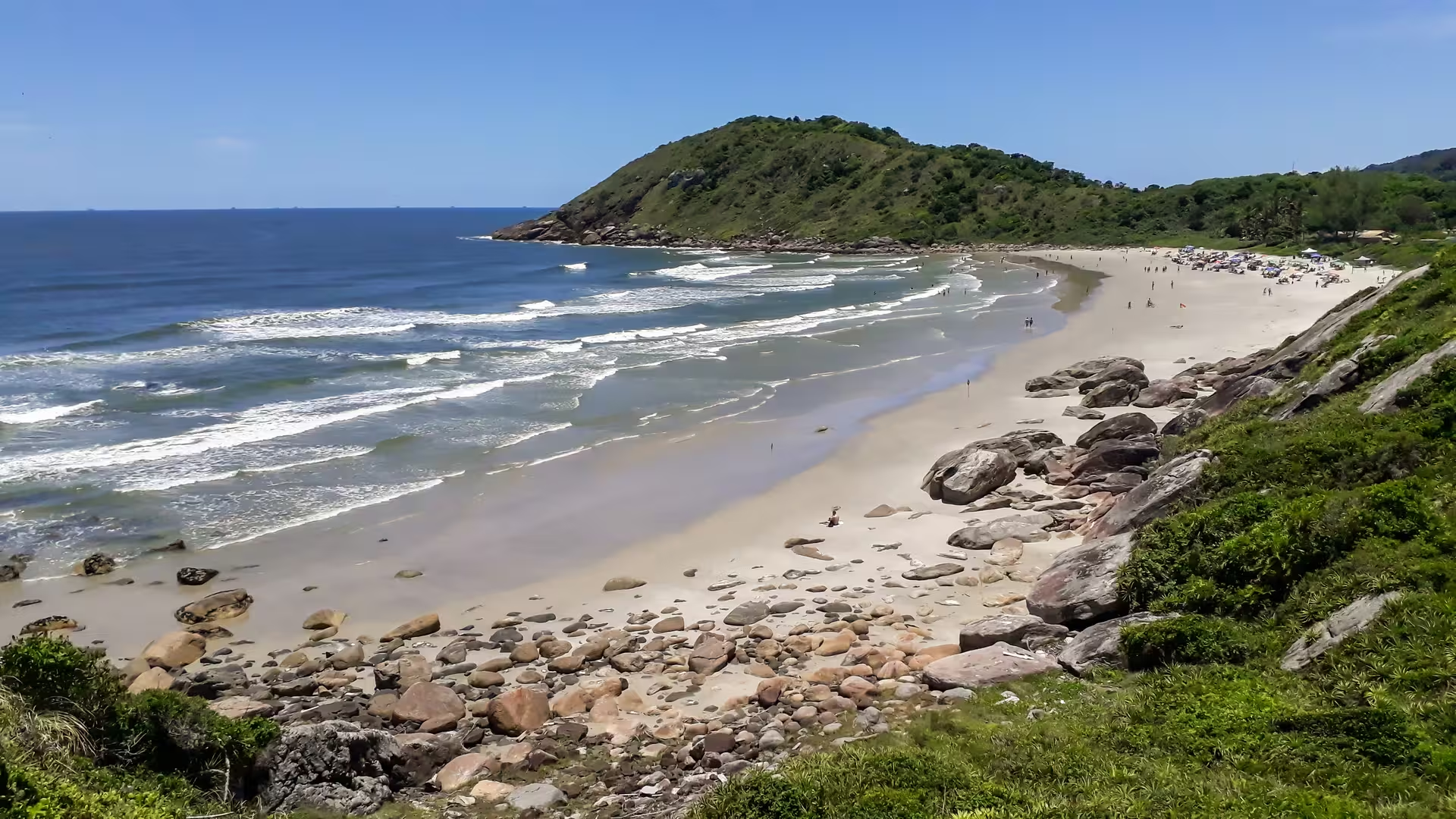
Motor vehicles cannot enter Ilha do Mel. The private Ilha do Mel day trip focused on beaches and hidden gems lasts 1 day and includes a private guide throughout the day and guided walks.
Santa Felicidade suits an evening visit for Italian food and heritage, while a central base keeps the gardens, museums and bus routes within easy reach. Its continuing role as a centre of the Italian community gives that choice a clear cultural focus.
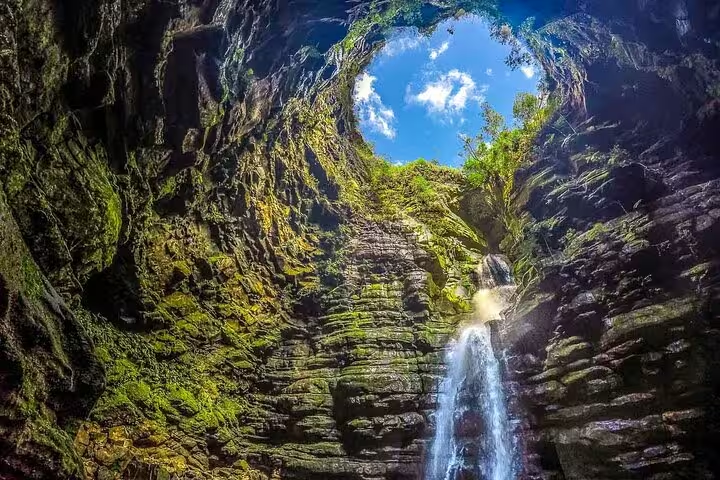
The distance from Curitiba to Vila Velha State Park is 100 km. Its sandstone formations were shaped by erosion from wind and rain.
Yes, the Curitiba Theatre Festival is among the arts festivals held in the city each year.
Curitiba's climate is classified as temperate oceanic.