Last updated:


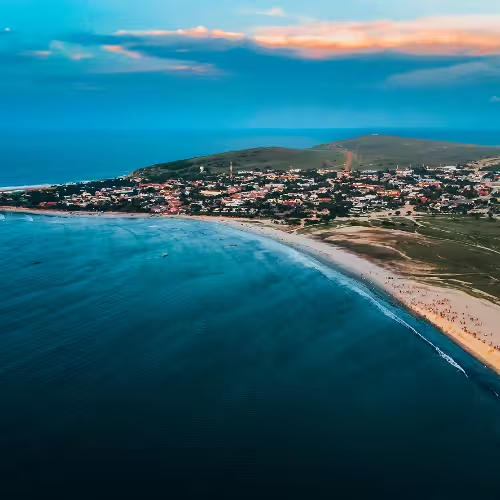
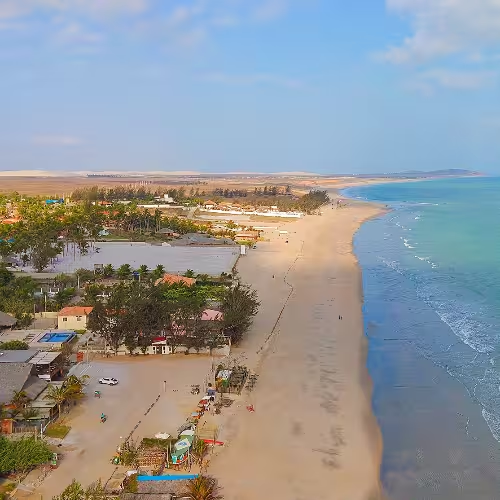
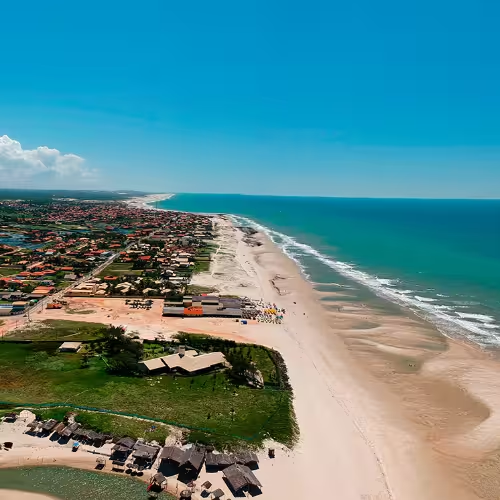
Jericoacoara suits a trip built around beaches, dunes and freshwater lagoons. Within Jijoca de Jericoacoara in Ceará, Brazil, the village has a beach hidden behind dunes and a national park along the coast. Its past as a fishing settlement among shifting sands gives some context to a place where tourism now drives the local economy.
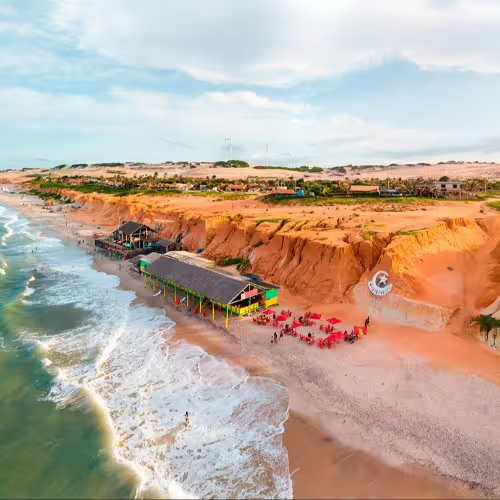
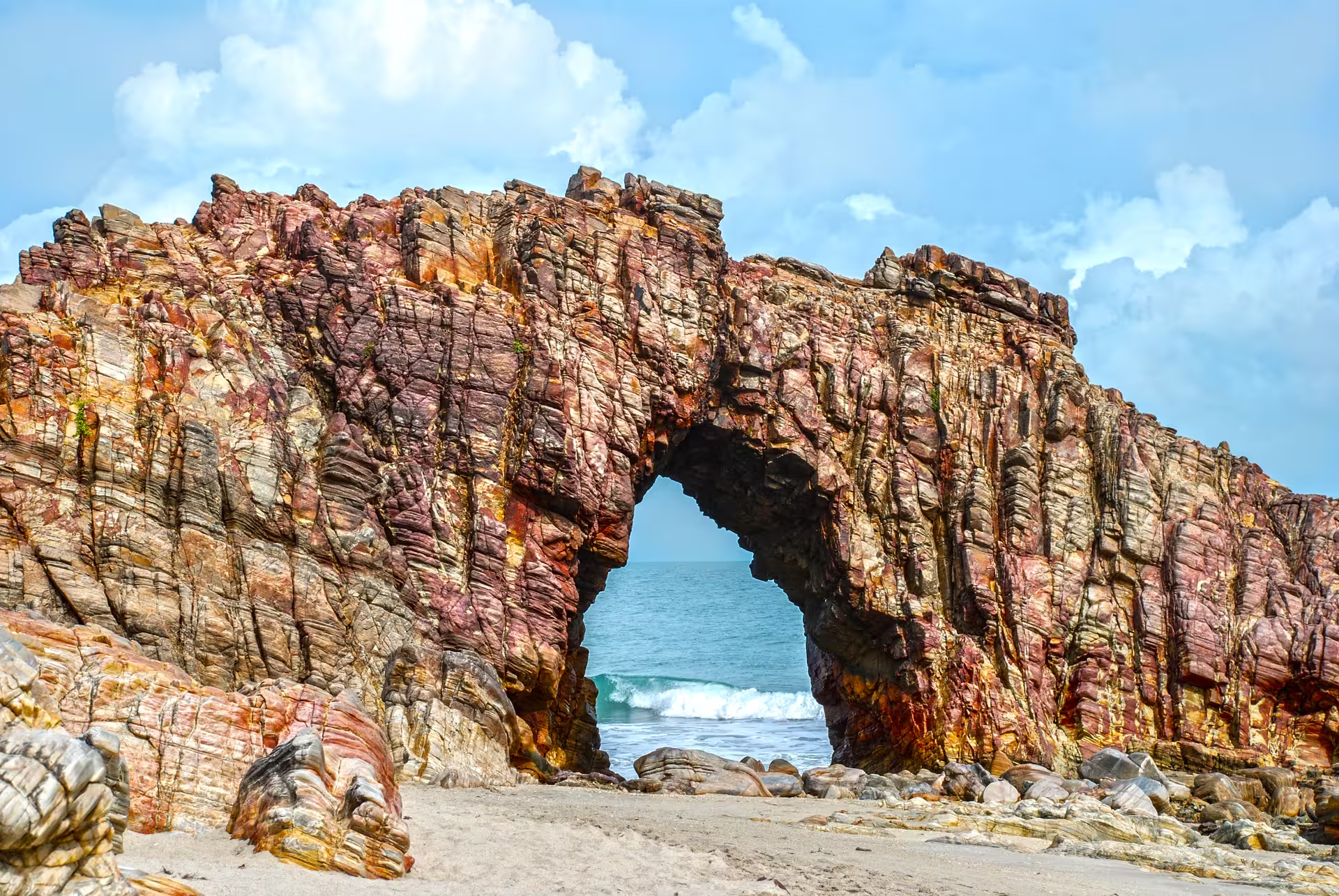
Pedra Furada and the Sunset Dune give a beach visit a focus beyond the water. Waves have carved Pedra Furada into a large arch, while the Sunset Dune beside the village, much lower today than in past decades because of erosion, is still a popular place to watch the sunset. The Serrote adds a different shape to the landscape: a ridge rising about 100 metres among the dunes.
For an active outing, conditions here suit windsurfing, kitesurfing and sandboarding, with sailing another option. A guided sunset ATV outing in the Jericoacoara sand dunes lasts 1 hour and 30 minutes and includes a ride on a 420 cc Honda semi-automatic quad bike and a guided dune experience at sunset.
Lagoa do Paraíso fits a freshwater lagoon outing, while Tatajuba offers a reason to explore west along the coast. Clear water and large surrounding dunes define Lagoa do Paraíso; at Lagoa Azul, native vegetation surrounds the freshwater. Tatajuba lies roughly 25 to 30 km west of the village along the coast, within the municipality of Camocim, and is usually reached by buggy or 4x4. For a different kind of water outing, canoe excursions explore the Guriú River mangroves, where seahorses can often be seen.
Around July, and roughly from mid-June to early August depending on the source, the setting sun can appear within the opening of Pedra Furada; low tide makes the walk easier. During that window, the setting sun appears within the opening in the rock. For the trip as a whole, plan around heat and humidity: the regional climate is hot and humid, with most rain falling from about January to May and drier, windier weather from roughly July to December. That seasonal rainfall pattern is worth weighing alongside the rock alignment when deciding what matters to your visit.
A guided dune outing suits exploring the sands, while a canoe trip offers a way into the Guriú River mangroves. For travel from Fortaleza, a guided tour to Jericoacoara lasts 5 hours and 30 minutes and includes a professional driver with experience on the route.
Two days would let you divide the visit between the beach and rock formations on one day and a lagoon outing on the other. The beach, Pedra Furada and the Sunset Dune could fill the beach day, with Lagoa do Paraíso or Lagoa Azul giving the lagoon day its focus.
For a Jericoacoara day trip from Fortaleza with a 4x4 dune tour, allow 17 hours and 30 minutes; included are return transport from Fortaleza, a guided ecological walk to Pedra Furada, stops at Buraco Azul, Lagoa do Paraíso and Jericoacoara village, and an opportunity to observe sloths.
The village makes sense as a base for a beach-focused visit. Tourism is concentrated in the Jericoacoara locality, with the Sunset Dune beside the village and the beach on the national park shoreline.
Jericoacoara is served by an airport that began operating in 2017.
Pedra Furada reaches a height of approximately five metres.
Rainfall averages 1,364 mm a year.