Last updated:


A California trip can take its shape from Yosemite's waterfalls, San Francisco's military architecture or the Joshua trees in Joshua Tree National Park. The season matters too: coastal California has warmer, drier summers and cooler, wetter winters, while Death Valley has mild winter days at low elevations.
Two days is a suggested Yosemite plan: a day focused on waterfalls, followed by a day for its rivers and plant life. For the waterfall day, Yosemite Falls has a total drop of 740 m, while Bridalveil Fall drops 190 m.

Yosemite Falls breaks into Upper Yosemite Fall, the middle cascades and Lower Yosemite Fall, giving that day a clear focus. For the other day, the Tuolumne and Merced rivers have their headwaters in the park and both hold Wild and Scenic River designations. More than 1,000 plant species add another reason to leave time for the landscape beyond the falls.
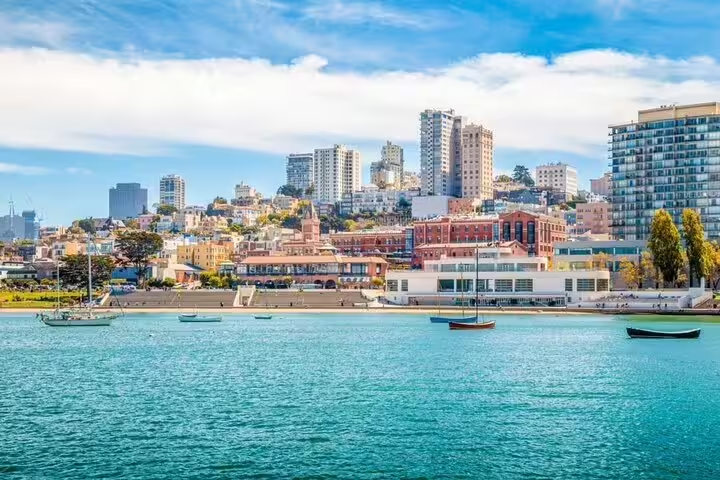
Military architecture is a reason to put the Presidio on your San Francisco itinerary. Its buildings span several centuries of military architecture, from its years as an army post for three nations.
Alcatraz adds another historical thread: it operated as a federal prison between 1934 and 1963. The Native American occupation that began there in 1969 helped launch a movement for sovereignty, power and independence.
A self-guided Chinatown walking tour and quest in San Francisco lasts 2 hours and 15 minutes, with mobile story content and clues, directions between stops, access to 10 route locations and a professionally written narrative.
A self-guided San Francisco escape adventure game and walking tour lasts 2 hours and includes app access to the story and challenges, directions between stops, a professionally written narrative with several chapters and access to the outdoor route locations.
The western half of Joshua Tree National Park is the area to focus on for Joshua trees. Extensive stands grow there, while the Colorado Desert occupies the park's southern and eastern areas and the southern boundary of the Mojave Desert passes through the park.

For an interest in caves, Pinnacles National Park offers a different focus through its unusual talus caves. Its landscape was shaped by volcanic eruptions around 23 million years ago.
Spring suits a Yosemite waterfall trip, while winter suits a visit to Death Valley's lower elevations. Spring snowmelt feeds Yosemite's waterfalls, and Bridalveil Fall reaches peak flow in May while continuing to flow throughout the year.

In Death Valley, winter brings mild days and cool nights at low elevations, with freezing temperatures only occasionally occurring at night. Summer temperatures there often exceed 49 °C in the shade, and average rainfall is below 5 cm.
For coastal California, the Sierra foothills and much of the Central Valley, summer offers warmer, drier conditions than the cooler, wetter winter.
The Channel Islands require a boat or plane journey. Transport operates throughout the year through park concessionaire boats and planes, or by private boat. Channel Islands National Park includes five islands and the ocean environment around them.
The trail to Bumpass Hell in Lassen Volcanic National Park covers 3 miles for the round trip.
Golden Gate National Recreation Area offers more than 130 miles of trails across an area with 37 natural and historic sites.
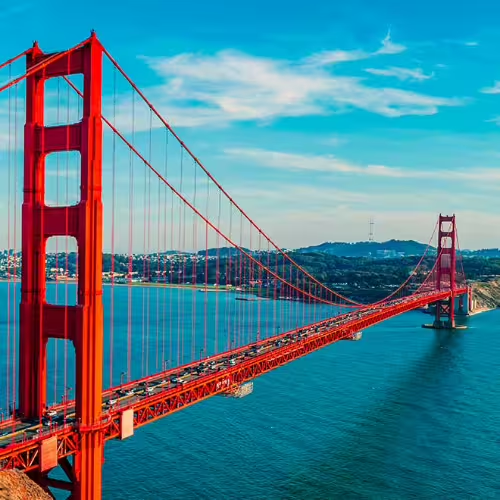
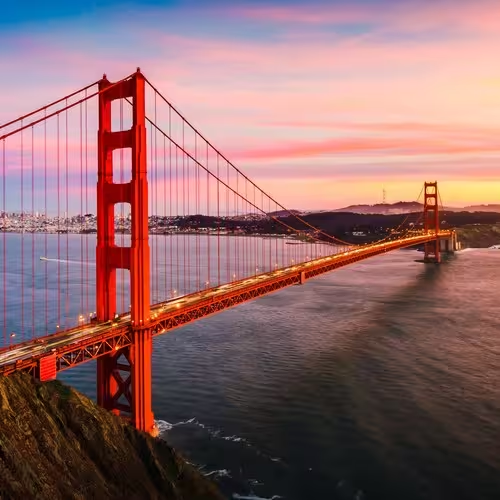
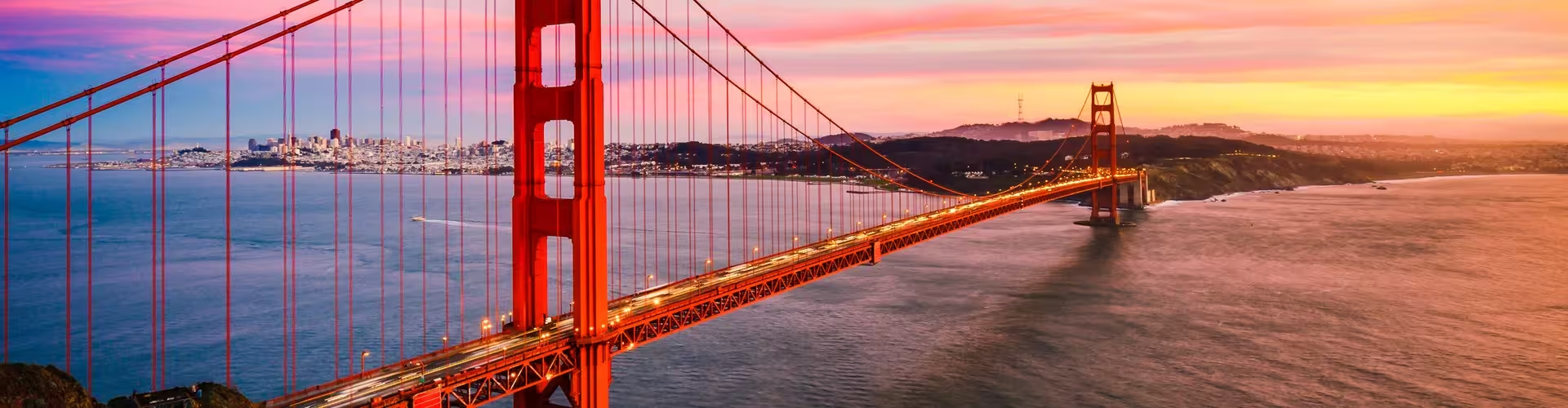
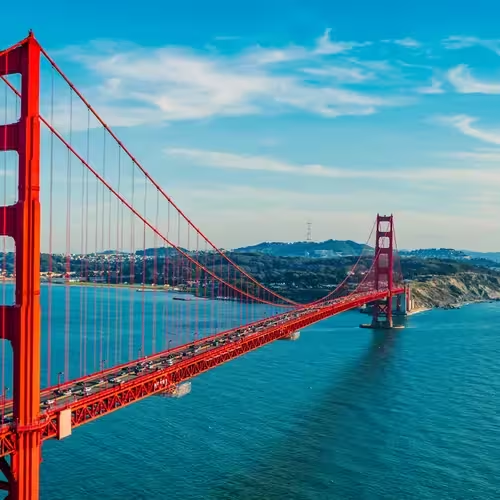
The main span of the Golden Gate Bridge measures 1,280 m (4,200 feet).