San Francisco

logoBlack

Build your dream
experience

dreamimg

More to know about San Francisco


San Francisco Travel Guide

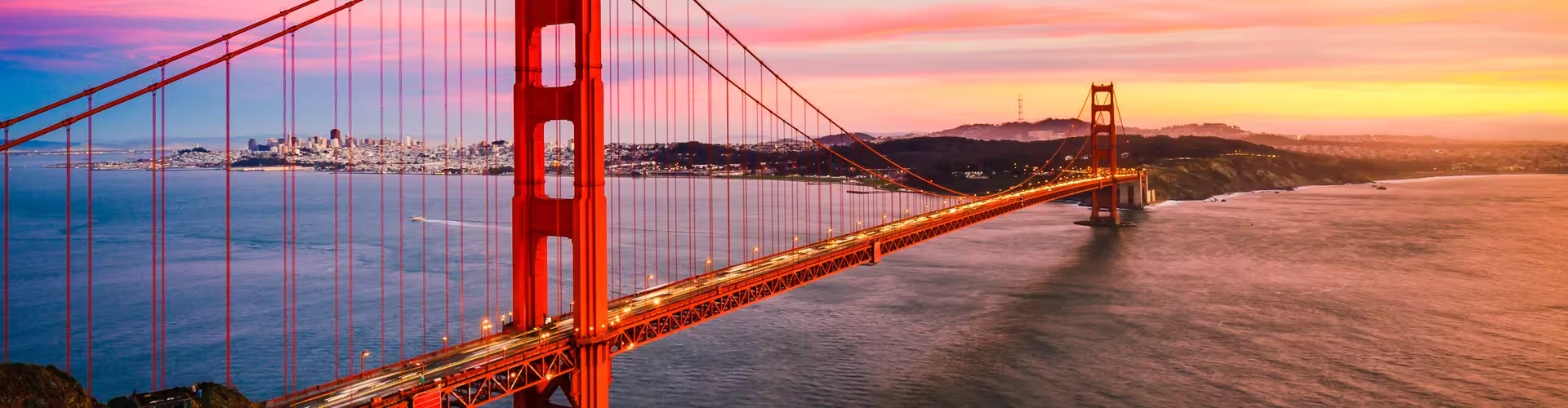
San Francisco is a city of steep streets, sea air, and instantly recognizable silhouettes, from the Golden Gate Bridge to historic cable cars climbing toward skyline views. It rewards travelers who like to mix iconic landmarks with neighborhood wandering, because the mood can shift block by block, from waterfront energy to quiet Victorian streets. Come with layers, plan for microclimates, and build in time to linger, this is a place where the best moments often happen between the big sights.


Snapshot

San Francisco feels cinematic and lived-in at the same time, a blend of coastal drama, creative culture, and everyday rituals like coffee runs and park picnics. The signature vibe is outdoorsy and urban, with foggy mornings, bright afternoon pockets, and sunset light that makes even a simple walk feel like a highlight. It is a strong choice when you want a compact city that delivers big scenery, distinctive food, and neighborhoods with real personality.


🗺️ Geography and Logistics

📍 Orientation: Where is it within California and United States?

San Francisco sits on the tip of a peninsula in Northern California, bordered by the Pacific Ocean on one side and the San Francisco Bay on the other. The city is a major gateway for the U.S. West Coast, with access through San Francisco International Airport and strong regional links via Bay Area transit hubs. Its geography shapes the experience, bridges connect it to Marin County and the East Bay, and the water views are a constant backdrop.

🕒 When to Go: Seasonal breakdown

Expect microclimates, meaning conditions can change quickly across neighborhoods and throughout the day. Fog and wind are common near the ocean and along the bay, while inland areas can feel noticeably warmer. For planning, aim to start outdoor viewpoints earlier in the day, then keep flexibility for neighborhoods, museums, and food stops if the weather turns cool or misty.

💰 Budget & Currency: Practical money tips

The local currency is the U.S. dollar, and cards are widely accepted across hotels, restaurants, and attractions. Budgeting is easier if you prioritize a few paid highlights and balance them with free experiences like parks, scenic walks, and neighborhood exploring. Keep a little cash on hand for small purchases and tips, and consider pre-booking popular experiences so you can compare options and avoid last-minute splurges.


⭐ Essential Things to Do

Golden Gate Bridge. This is the city’s signature landmark, and seeing it up close explains why it became a global icon. The scale, the wind, and the shifting fog create a different look every time you visit. Practical tip, go early for calmer paths and clearer photos, and bring a layer even if the rest of the day feels warm.

Alcatraz Island. The former prison and island setting combine history, views, and a sense of atmosphere that sticks with you. It is a classic for first-timers because it connects local stories to the wider history of the United States. Practical tip, plan ahead and choose a time that leaves room for waterfront exploring before or after.

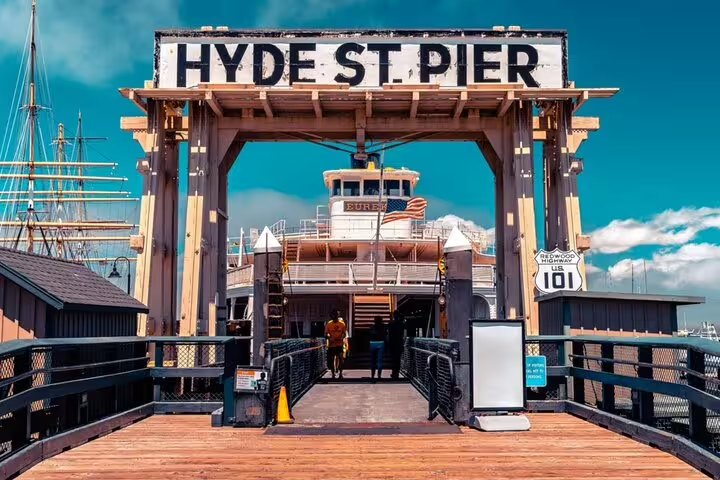
Fisherman’s Wharf. This waterfront zone is lively and tourist-forward, but it also makes sense as a base for bay views and easy access to boat departures. It is a good place to lean into the classic, sea lions, sourdough smells, and souvenir energy. Practical tip, treat it as a quick scenic stop, then branch out to nearby neighborhoods for a more local feel.

Ride a Cable Car. Cable cars are not just transportation, they are a moving piece of city history and one of the most memorable ways to feel the hills. The ride gives you a street-level view of architecture and daily life, with photo moments built in. Practical tip, ride at off-peak times if you can, and keep your hands free for balance on steep sections.

Chinatown. One of the oldest and most influential Chinese communities in North America, this neighborhood is dense with markets, bakeries, and hidden alleyways. It is a sensory experience, bright signage, herbal aromas, and busy sidewalks. Practical tip, go with a short list of snacks you want to try, then wander slowly and follow what looks busiest.

Mission District. The Mission is known for murals, creative energy, and a food scene that rewards curiosity. It is ideal when you want a neighborhood that feels current and expressive, with plenty of casual places to eat. Practical tip, build a self-guided mural walk, then end at a park or viewpoint for a relaxed finish.

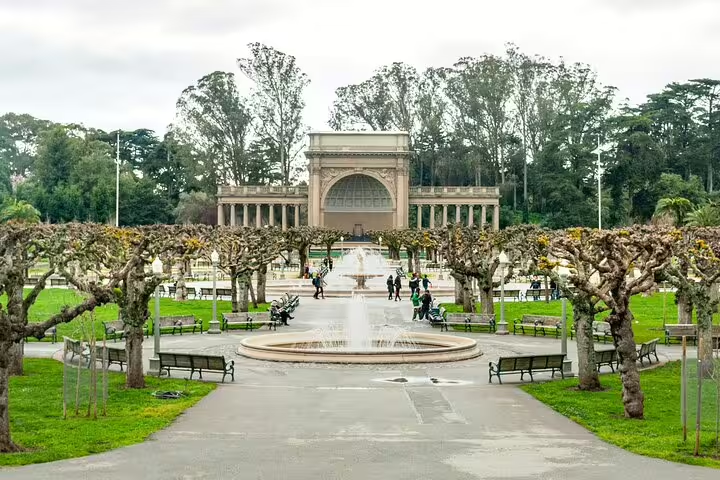
Golden Gate Park. This huge urban park offers a slower tempo and a chance to reset between busy sightseeing blocks. It is great for walking, cycling, and finding a quiet bench with a book or coffee. Practical tip, plan a few anchor stops inside the park so you do not underestimate distances.

Painted Ladies at Alamo Square. These Victorian homes have become a visual shorthand for the city, and the park setting makes it an easy, satisfying stop. It is especially appealing if you like architecture and skyline compositions in your photos. Practical tip, bring a snack and sit for a while, the view improves as the light shifts.

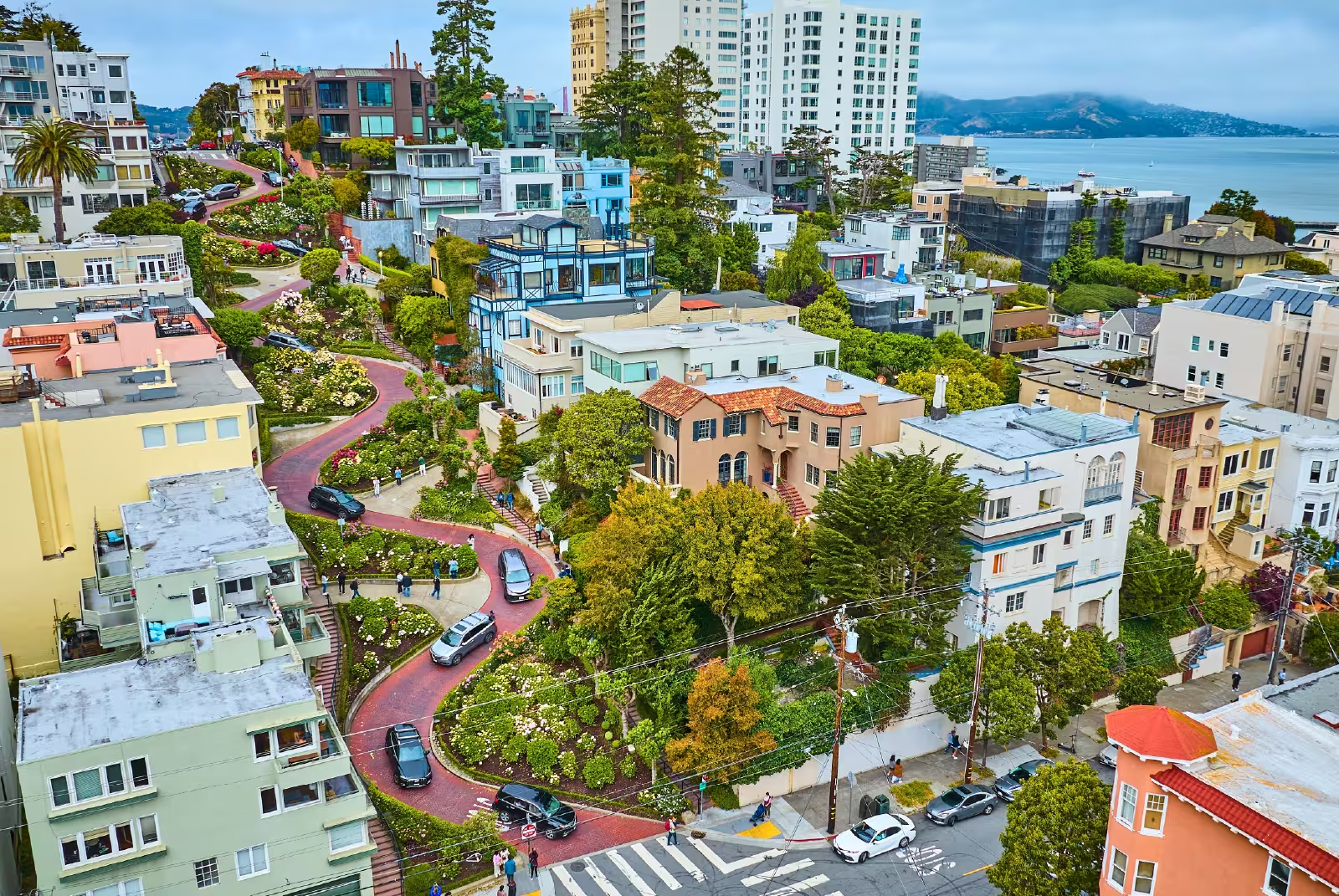
Lombard Street. Famous for its tight curves and steep grade, it is a quick stop that delivers a fun, quirky photo. It also puts you near other scenic streets, so it can fit naturally into a walking route. Practical tip, approach on foot to appreciate the neighborhood and avoid the slow car traffic.


🚶 Curated Itineraries

⏰ The Highlights (1 Day)

Start with the Golden Gate Bridge for morning light and fewer crowds, then head toward the waterfront for views across the bay. Spend midday around Fisherman’s Wharf, keeping the pace brisk, and consider a short cable car ride to experience the hills without committing to a long transit plan. In the afternoon, aim for Chinatown and nearby streets for snacks and street photography, then finish at Alamo Square for the Painted Ladies as the city softens into evening.

⏰ Deep Dive (2-3 Days)

Day one, focus on icons and orientation, bridge views, waterfront energy, and a cable car ride to connect neighborhoods in a memorable way. Day two, slow down in Golden Gate Park and pair it with time in the Mission District for murals and an easygoing dinner. If you have a third day, add Alcatraz Island and leave extra time for unplanned finds, a bakery stop in Chinatown, a scenic staircase, or a viewpoint that appears at the end of a steep street.


🍽️ Flavors of San Francisco

Sourdough bread. Tangy, chewy, and strongly associated with the city’s food identity, it is a simple pleasure that travels well as a snack. Ordering tip, try it alongside soup or seafood to make it feel like a full, classic meal.

Clam chowder in a bread bowl. Creamy, savory, and comforting, especially when the bay wind picks up. It is also practical, because it is filling and easy to eat while sightseeing. Ordering tip, go for a smaller portion if you plan to snack around the waterfront.

Dungeness crab. Sweet, briny, and very much a coastal treat, it is one of the most memorable seafood choices in the city. It feels celebratory, even if you keep the meal simple. Ordering tip, ask what preparation is easiest to eat if you are not looking for a hands-on feast.

Mission-style burrito. Hearty, packed, and built for hungry travelers, it is a defining local staple tied to the Mission District. Expect big flavors, rice, beans, and fillings that can be customized. Ordering tip, share one if you are sampling multiple spots, portions are often substantial.

Dim sum. Small plates with a range of textures, from delicate dumplings to crisp bites, it is ideal for tasting variety. Chinatown is a natural setting for trying it, especially if you like grazing meals. Ordering tip, choose a mix of steamed and fried items to balance richness and lightness.

Irish coffee. A warming classic that fits the city’s cool evenings, with a dessert-like finish. It is a good choice when you want something cozy after a day outside. Ordering tip, treat it as a slow drink, it pairs well with a relaxed waterfront stroll.


🚌 Navigation & Transport

San Francisco is compact enough to enjoy on foot, but the hills can make distances feel longer than they look on a map. Public transit is useful for linking neighborhoods, while ride-sharing can help when you are short on time or want to avoid steep climbs. For safety and comfort, keep valuables secured in crowded areas, use well-lit streets at night, and plan accessible routes if mobility is a concern, because some sidewalks and inclines can be challenging.


🌄 Beyond the Center: Day Trips

Muir Woods National Monument. Known for towering redwoods and an immersive forest atmosphere, it is a powerful contrast to city streets. Travel time varies by route and traffic, so start early to maximize calm trails.

Sausalito. A bayside town with waterfront views back toward the skyline, it is a relaxed change of pace. It is ideal for a scenic meal and an easy wander, with travel time depending on ferry or road options.

Berkeley. Across the bay, Berkeley adds a different cultural rhythm, with campus energy and neighborhoods built for browsing. It works well as a half-day when you want a change of scenery without going far.

Half Moon Bay. Coastal and open, it is a good pick for ocean views and a quieter shoreline vibe than the city waterfront. Travel time depends on traffic, and the experience is best with layers because conditions can be breezy.


✅ Insider Tips for Travelers

  • Pack layers, fog and wind can appear quickly, especially near the water and on bridges.
  • Group sights by neighborhood to reduce hill fatigue and transit time.
  • Start outdoor viewpoints earlier, then keep indoor options for cooler or mistier stretches.
  • Use cable cars as a scenic experience, not only a commute, timing matters for shorter lines.
  • In tourist-heavy areas, keep personal items secure and stay aware in crowds.
  • Build in unplanned time, some of the best views happen at the end of a random block.

❓ Frequently Asked Questions, FAQ

What should I pack for changing weather?

Bring layers you can add and remove easily, including a light jacket for wind and fog. Comfortable walking shoes matter because hills and uneven sidewalks can add up fast.

Is one day enough to see the main highlights?

One day can cover major icons if you keep your route tight and focus on a few neighborhoods. For a less rushed feel, add a second day for parks, murals, and longer meals.

How do I get around without a car in San Francisco?

San Francisco works well with a mix of walking, public transit, and ride-sharing for steeper routes. Plan by neighborhood so you do not spend the day crossing the city back and forth.

Which neighborhoods are best for food-focused travelers?

Chinatown is great for dim sum and snack-style exploring, while the Mission District is well known for burritos and casual dining. The waterfront area is convenient for classic seafood and warming bowls of chowder.

Do I need to book Alcatraz in advance when visiting San Francisco?

It is smart to plan ahead because it is a high-demand experience and timing affects the rest of your day. San Francisco itineraries flow better when you lock in major anchors first, then fill in neighborhoods around them.