Last updated:


A heritage trip can focus on Kathmandu, Bhaktapur and Patan, with Nagarkot as an option for mountain views. UNESCO groups the Kathmandu Valley heritage into seven collections of monuments and buildings, spanning different periods and artistic traditions. Kathmandu sits about 1,400 metres above sea level, between Shivapuri, Phulchoki, Nagarjun and Chandragiri.
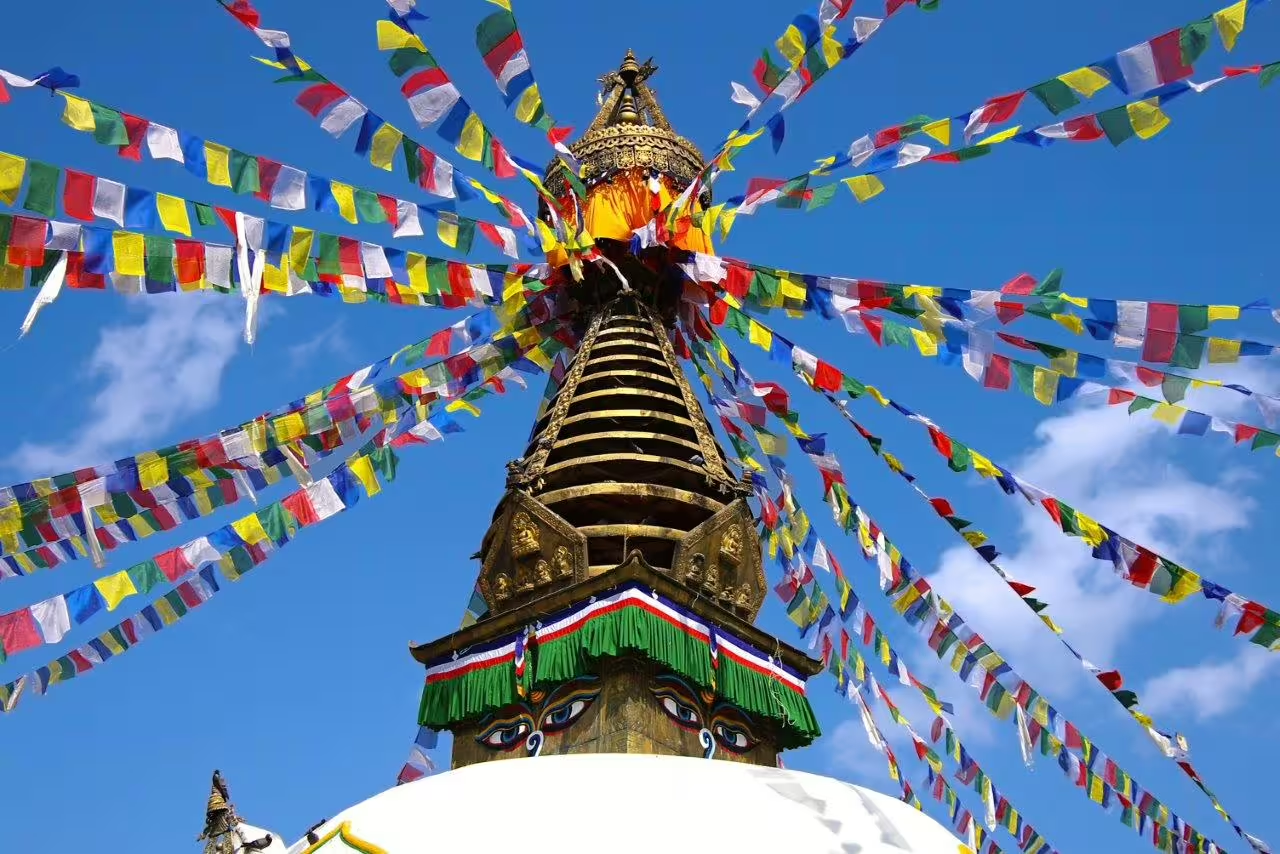
Three days is a suggested plan for the valley heritage: a day in Kathmandu, a day in Bhaktapur and a day in Patan. The Kathmandu day can include Swayambhu and its Buddhist stupa. Bhaktapur offers Nyatapola, a temple with five storeys built by Bhupatindra Malla in 1702. Patan gives the final day an architectural focus at Krishna Mandir, commissioned by King Siddhinarsingh Malla in the Shikhara style.
The 10-day Golden Triangle guided tour from Delhi to Kathmandu lasts 10 days and includes guided sightseeing in Delhi, Jaipur, Agra and Kathmandu, plus a welcome briefing with a tour manager in Delhi.
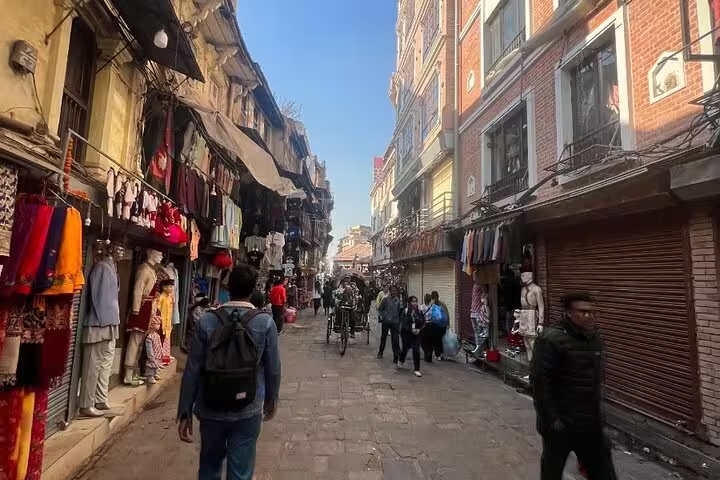
A self-guided GPS walking app is an option for exploring Kathmandu Durbar. The Kathmandu Durbar self-guided GPS walking tour app lasts 1 hour and 30 minutes and includes app access with GPS-guided content, audio and visual commentary at checkpoints, and interactive scavenger hunt activities.
For a heritage focus beyond the walking tour, Changu Narayan has a traditional Newari settlement and inscriptions from the 5th century.
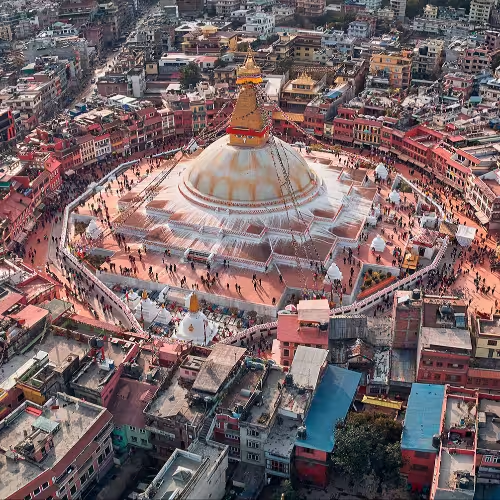
Boudhanath and Pashupatinath suit a trip centred on religious heritage and living traditions. At Boudhanath, tradition names Jyajyima Dechhog, who kept poultry, as the person who began the stupa construction. Its rebuilding drew on traditional brick, limestone and surkhi mortar.
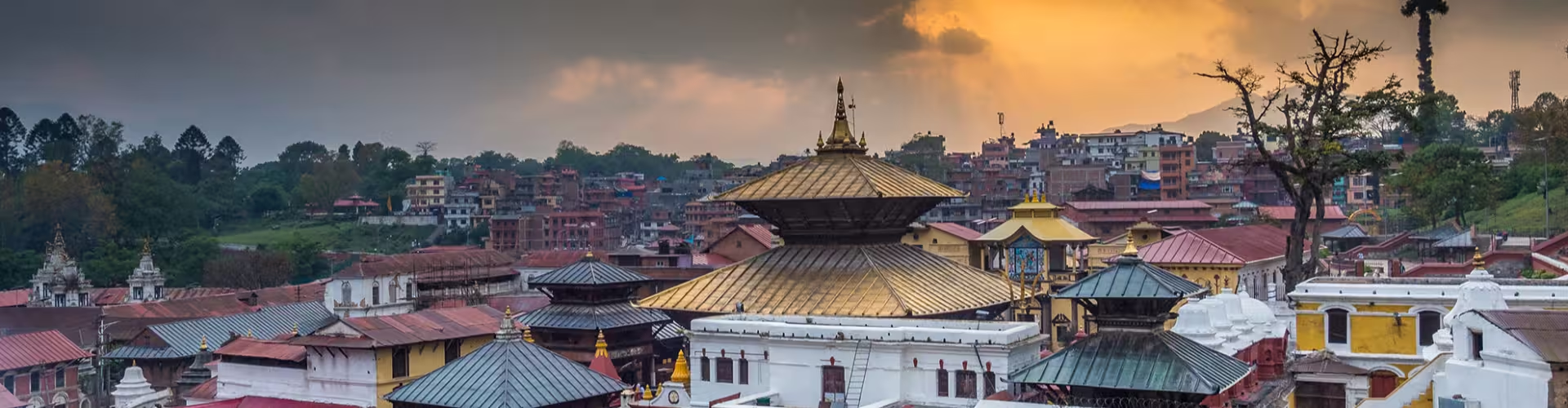
Pashupatinath entered the UNESCO World Heritage List in 1979. Its evening aarati beside the Bagmati opens with a conch blast and the lighting of large copper lamps holding ghee. Shivaratri brings an overnight vigil of prayer, meditation and oil lamps.
Nagarkot suits a day trip focused on Himalayan views. It lies about 32 km east of Kathmandu, on the eastern rim of the valley. On clear days, eight of Nepal's thirteen Himalayan ranges can be seen from Nagarkot.
Chandragiri Hill is another option for a mountain-view outing. At 2,551 metres, its outlook on clear days can take in Himalayan ranges such as Manaslu, Ganesh Himal and Langtang.
Shivapuri Nagarjun National Park suits an interest in birds and wildlife. Bird records there total 318 species. Recorded mammals include Indian leopards, jungle cats, large Indian civets, golden jackals and Himalayan black bears.
A festival-focused visit needs room for ceremonies lasting through the night or over several days. Bhaktapur celebrates Bisket Jatra across eight nights and nine days; during the festival, residents raise a tall wooden pole decorated with flags. During the festival, two communities pull wooden chariots through the city in a tug from opposite sides.
In Kathmandu, Indra Jatra includes a religious procession carrying the Kumari, the living goddess, through parts of the city.
For walking, plan your visit outside Nepal's usual monsoon period. Across Nepal, the monsoon normally runs from June 13 to October 2, with average rainfall of 1,472 mm over four months.
Three days is a suggested heritage plan, with a day each for Kathmandu, Bhaktapur and Patan.
Outside the usual monsoon period is the walking recommendation; Nepal's monsoon normally runs from June 13 to October 2.
Yes, Kathmandu Durbar has a self-guided GPS walking app with a duration of 1 hour and 30 minutes.
Nagarkot is an option for Himalayan views, about 32 km east of Kathmandu.
Shivapuri Nagarjun National Park suits a wildlife focus, with records of 318 bird species and mammals including Himalayan black bears.