Kathmandu, the vibrant capital of Nepal, is a city where ancient traditions meet modernity. Nestled in a valley surrounded by the majestic Himalayas, it offers travelers a unique blend of cultural richness and natural beauty. From the bustling streets filled with local markets to the serene temples, exploring Best things to do in Kathmandu is a journey like no other.
Nestled in the heart of Nepal, Kathmandu is the gateway to the Himalayas. Tribhuvan International Airport, the sole international airport in Nepal, provides access to this enchanting city.
Spring (March to May) and autumn (September to November) are ideal for visiting Kathmandu, with pleasant weather and vibrant festivals like Dashain and Tihar.
Travelers can expect affordable prices, with cash being the preferred method of payment. Consider purchasing a Kathmandu Valley Pass for multi-site entry.
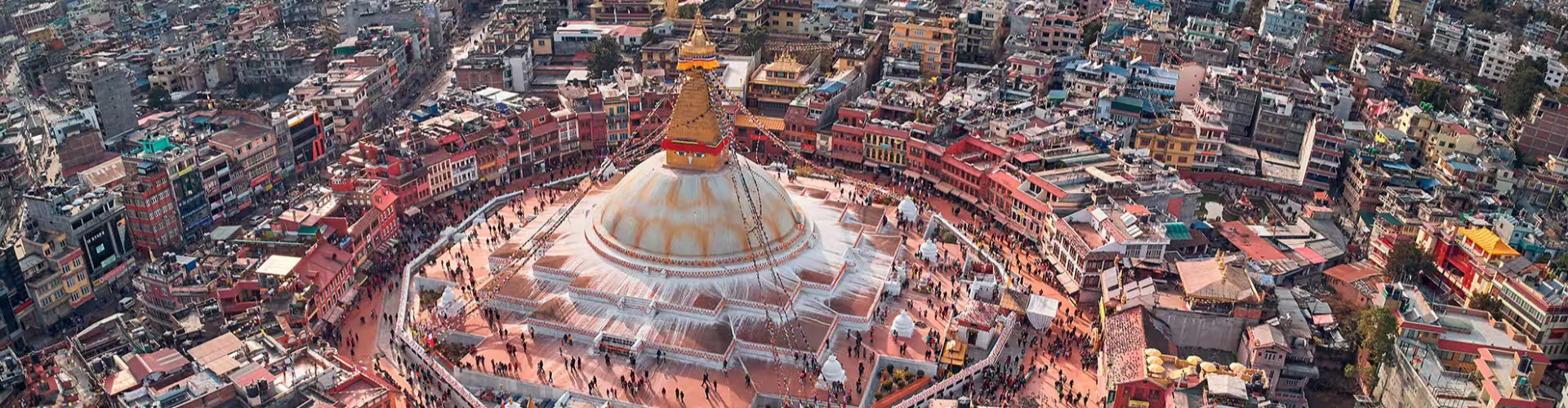
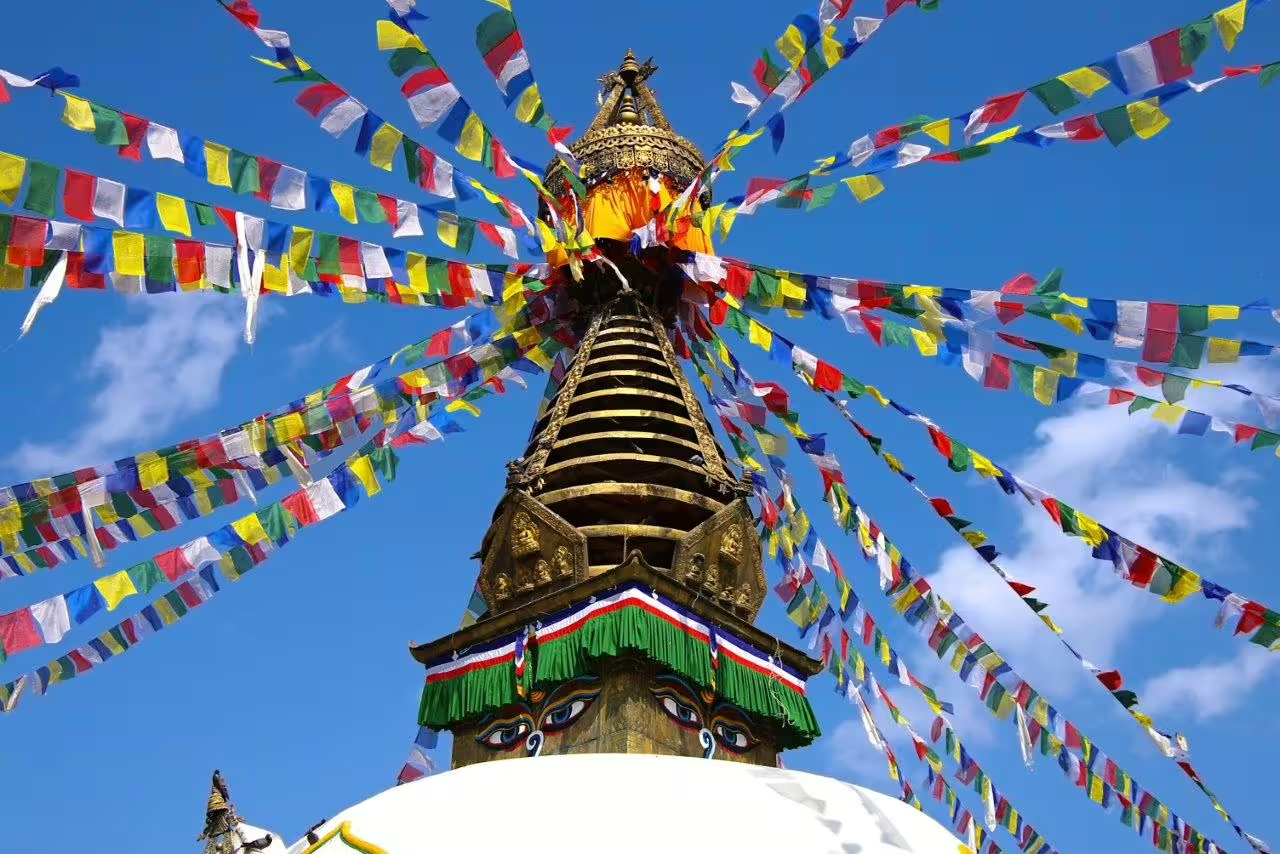
Boudhanath Stupa: A UNESCO World Heritage site, this massive stupa is a spiritual haven for Buddhists. Spend an hour exploring its serene surroundings.
Swayambhunath (Monkey Temple): Overlooking the city, this ancient religious complex offers panoramic views and is a must-visit for history enthusiasts.
Pashupatinath Temple: As a sacred Hindu site, it’s a place of immense religious significance. Allocate at least an hour to absorb its spiritual ambiance.
Patan Durbar Square: A marvel of Newar architecture, this square is perfect for a leisurely afternoon exploring its rich history and art.
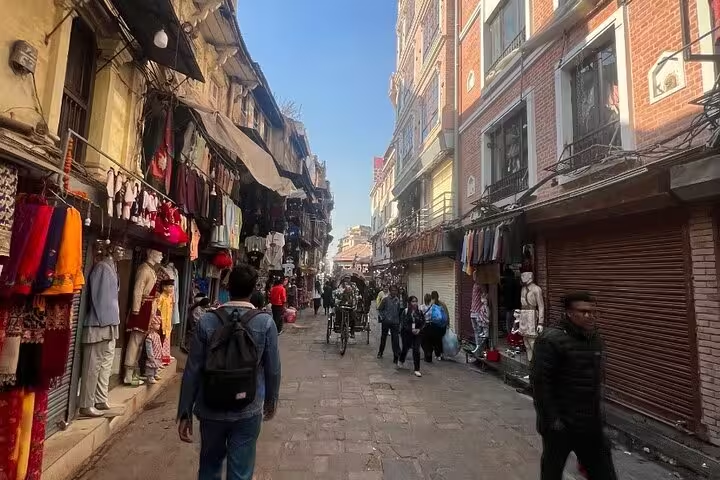
Thamel: Known as the tourist hub, it’s ideal for shopping and dining, with countless trekking agencies to plan your next adventure.
Kathmandu Durbar Square: This historical square is home to the living goddess Kumari and offers insight into Nepal's royal history.
Start at Swayambhunath, visit Kathmandu Durbar Square, lunch in Thamel, explore Boudhanath in the afternoon, and end with dinner at a local restaurant.
Day one as above; on day two, visit Pashupatinath, explore Patan Durbar Square, and stroll through the streets of Bhaktapur for a cultural immersion.
Follow the two-day itinerary; on the third day, take a day trip to Nagarkot for stunning Himalayan views and the sunrise experience.
Momo: Dumplings filled with meat or vegetables, best enjoyed with spicy achar.
Dal Bhat: A traditional meal comprising lentil soup, rice, and vegetables. A staple of Nepali cuisine.
Newari Cuisine: Try dishes like kwati and chatamari for a taste of local culture.
Thukpa: A hearty noodle soup perfect for cooler days in Kathmandu.
Chai: A spiced milk tea that is both refreshing and invigorating.
Taxis and rickshaws are readily available, while local buses connect major areas. Renting a bicycle is a great way to explore neighborhoods. Be cautious of traffic and plan routes accordingly.
Nagarkot: About an hour's drive, this hill station offers breathtaking views of the Himalayas, especially during sunrise.
Bhaktapur: Known for its well-preserved medieval architecture, it's a cultural gem just a short drive from Kathmandu.
Pharping: A serene location with monasteries and sacred sites, perfect for a peaceful retreat.
Q: How many days are sufficient to explore Kathmandu?
A: Three days allows you to enjoy Best things to do in Kathmandu, including cultural sites and a day trip to Nagarkot.
Q: Are there any combo tickets available for attractions?
A: Yes, Kathmandu Valley Pass offers access to multiple sites, providing savings and convenience.
Q: What are the best neighborhoods to stay in Kathmandu?
A: Thamel is ideal for tourists with its vibrant atmosphere and amenities, while Patan offers a quieter, cultural experience.
Q: What is the weather like in Kathmandu?
A: Spring and autumn are pleasant, while summers are rainy. Winters can be chilly, especially at night.
Q: Is Kathmandu accessible for travelers with mobility issues?
A: Some attractions may be challenging due to uneven terrain, but many areas are accessible with assistance.