





Muscat City Tours
Muscat, Oman
31 experiences

Last updated:


Muscat, Oman's capital, brings together a Gulf of Oman setting and views shaped by the Hajar Mountains.
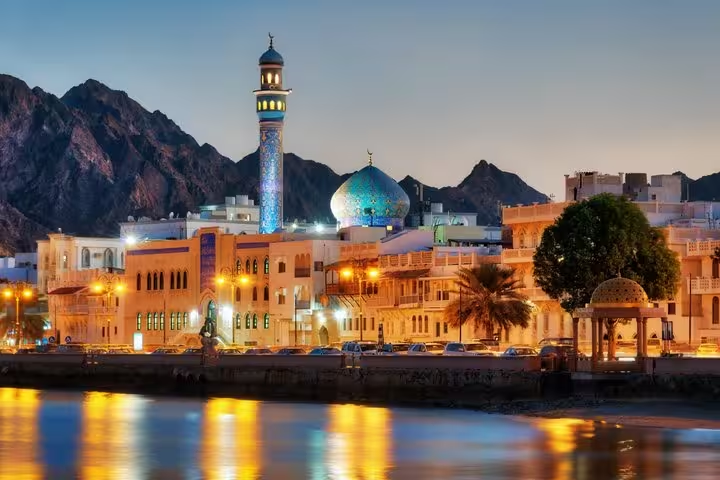
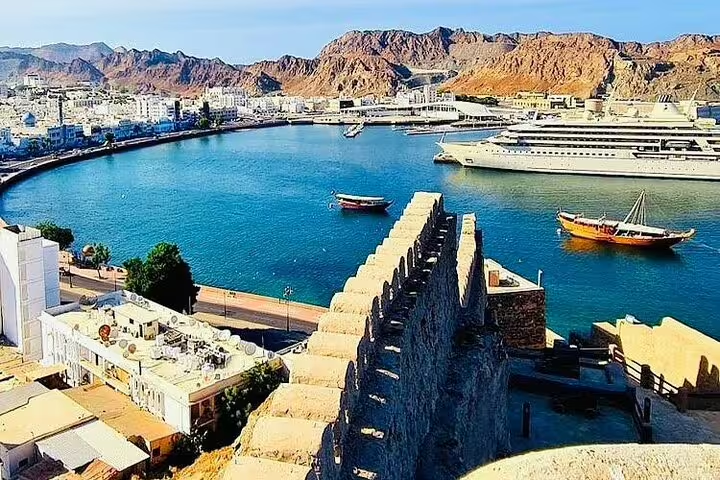
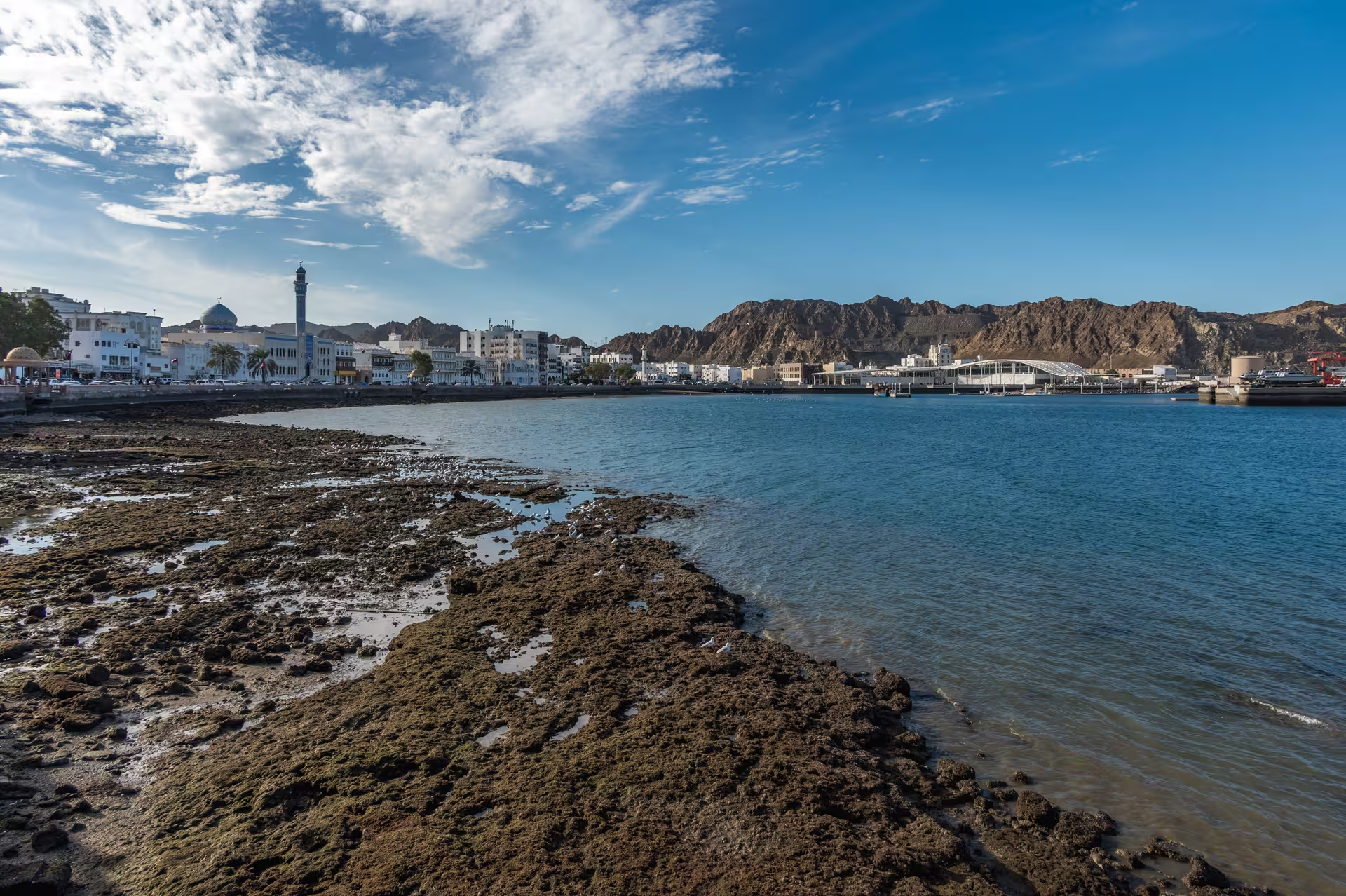
Muttrah and Sultan Qaboos Grand Mosque make a useful pairing for a visit centred on markets and architecture. Muttrah combines a harbour and corniche on the north-eastern edge of the city. Its souq is about two hundred years old and is known locally as Al Dhalam. Traditional Omani artefacts feature in many of the district's markets.
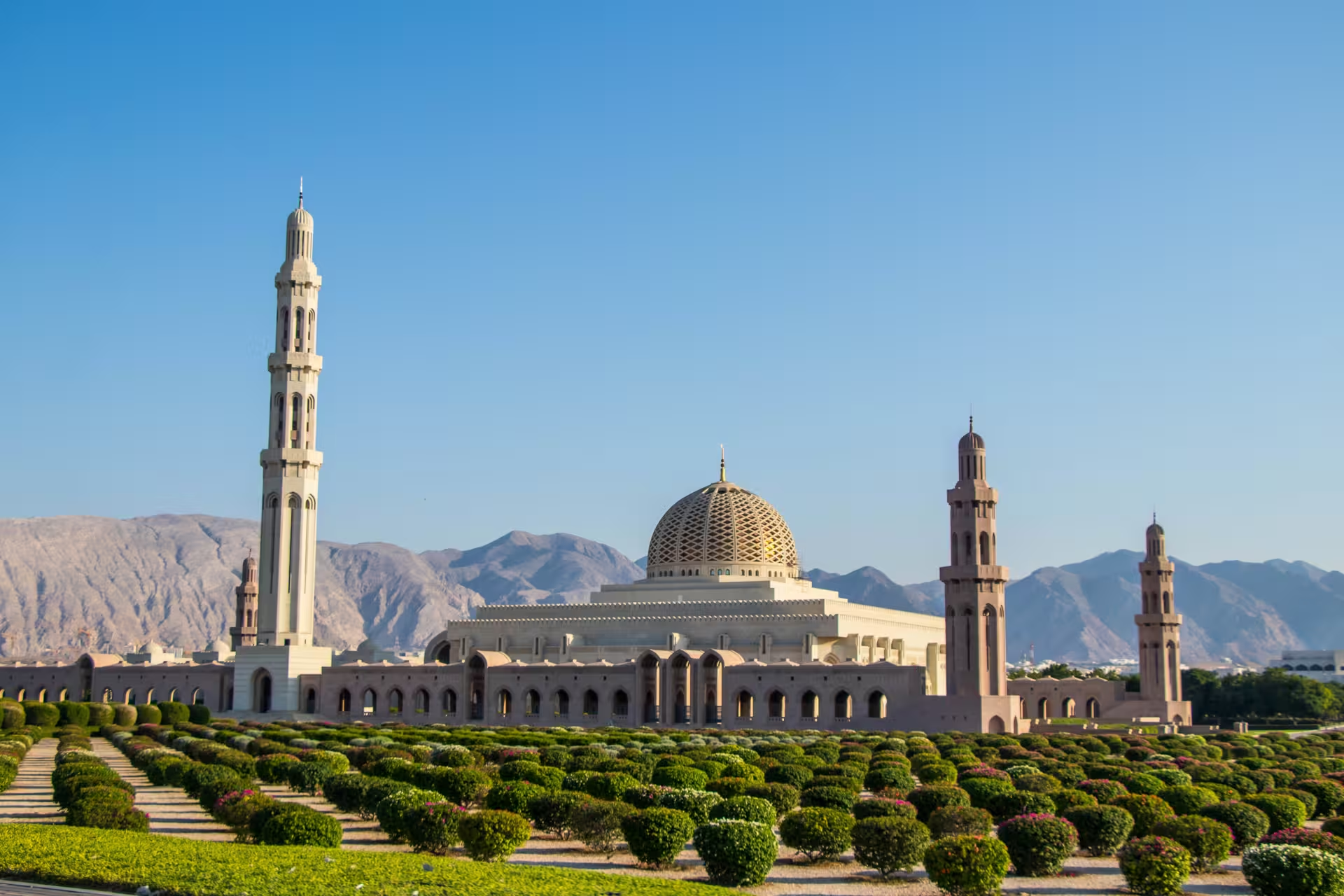
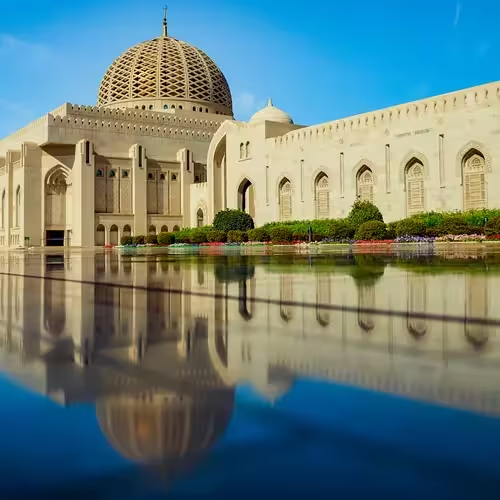
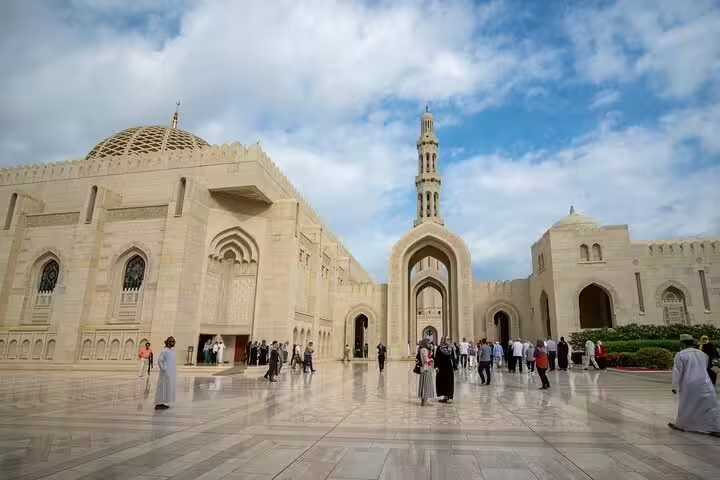
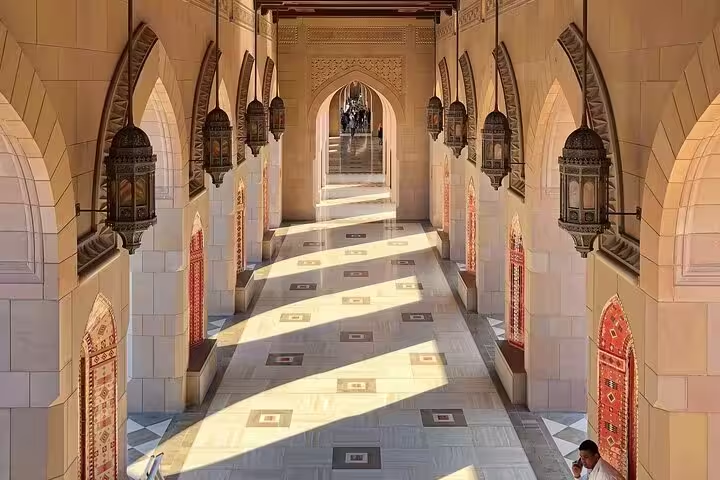
At the mosque, the central dome reaches 50 metres above the prayer hall floor, while the main chandelier measures 14 metres in height. The guided visit to Sultan Qaboos Grand Mosque lasts 1 hour and 35 minutes, with a certified local guide, access to the main and women's prayer halls, library and Dawa Center, photography guidance and free books from the Islamic Dawa Center.
Two days are a practical plan for the city: one for Muttrah and the mosque, another for Old Muscat and Qurum. The harbour, corniche and souq give the Muttrah part of your first day a clear focus. On the second day, Bait Al Zubair offers a museum stop in Old Muscat, while Qurum has a beach and Qurum Natural Park.
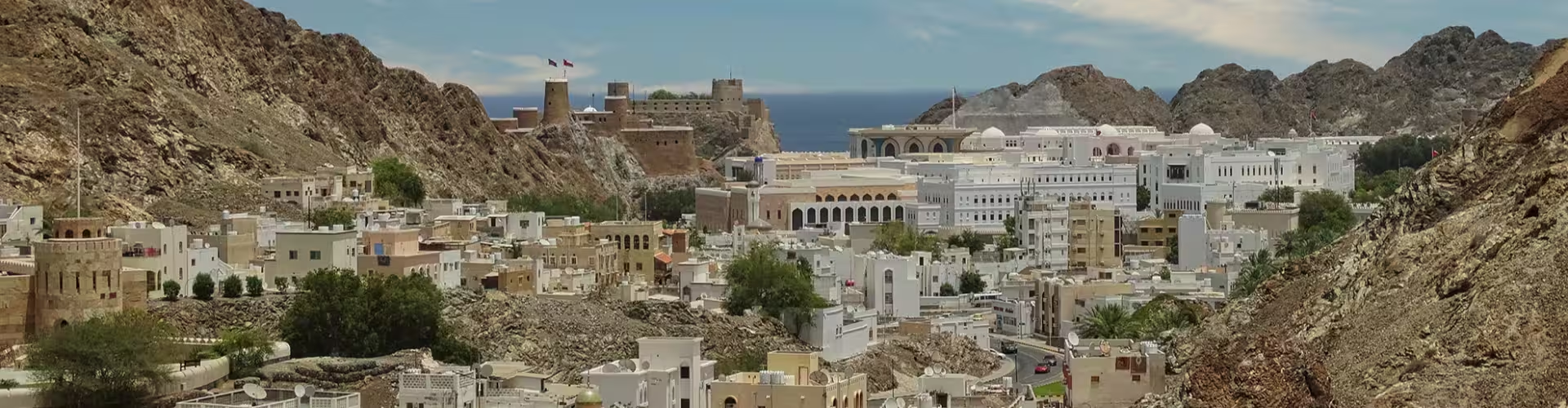
Al Alam Palace adds a palace stop to the city plan, with gold and blue columns on its facade. Al-Mirani and Al-Jalali, built by the Portuguese, flank the palace. Al Jalali Fort houses a museum of Omani cultural history, but it is not open to the public.
A walking-focused visit is better planned outside summer, given the intense heat and humidity. Summer temperatures can reach 45 °C in a city with a hot desert climate. Rainfall totals around 10 centimetres a year, with much of it arriving between December and April. An occasional shower is possible in those months, so a flexible outdoor plan helps.
Cruise ship passengers have an option combining transport and a guide in the private Muscat city tour, lasting 4 hours with a private air-conditioned vehicle, a professional guide at every stop and onboard Wi-Fi. For arrival planning, Muscat International Airport is in Seeb, 32 km from the old city.
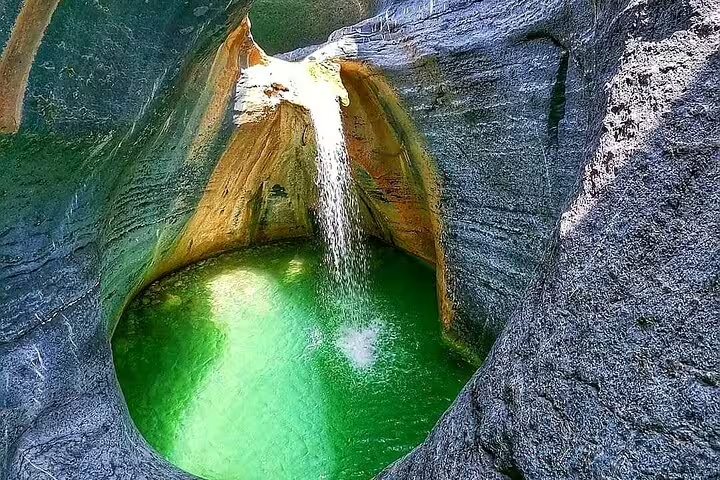
Wadi Shab suits a plan built around a full-day outing with lunch, while a desert camel ride offers a sunset alternative. The private full-day Wadi Shab tour from Muscat lasts 6 hours and includes return private transport, a professional English-speaking guide, traditional lunch and a boat crossing at the Wadi Shab entrance.
The private desert camel ride and sunset tour in Oman lasts 7 hours and 30 minutes, including return private transport from Muscat, a licensed professional guide, a camel ride at Wahiba Sands, a Bedouin family visit with Omani coffee and dates, and a swimming stop at Wadi Bani Khalid.
Muttrah is a logical area to focus on for the harbour and souq; Qurum suits a beach-and-park focus.
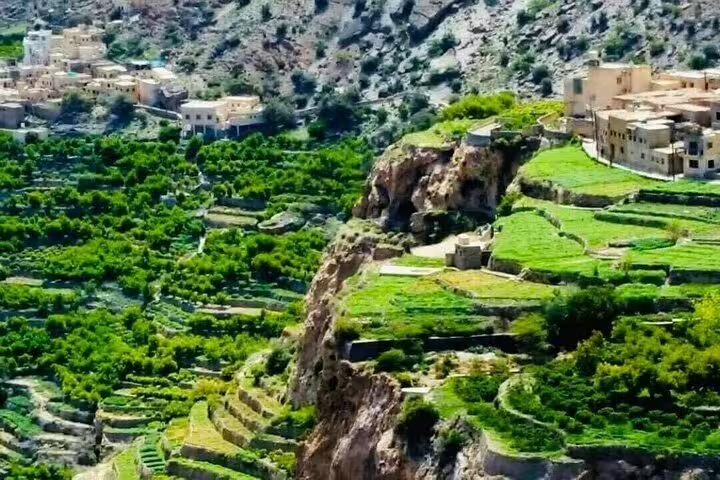
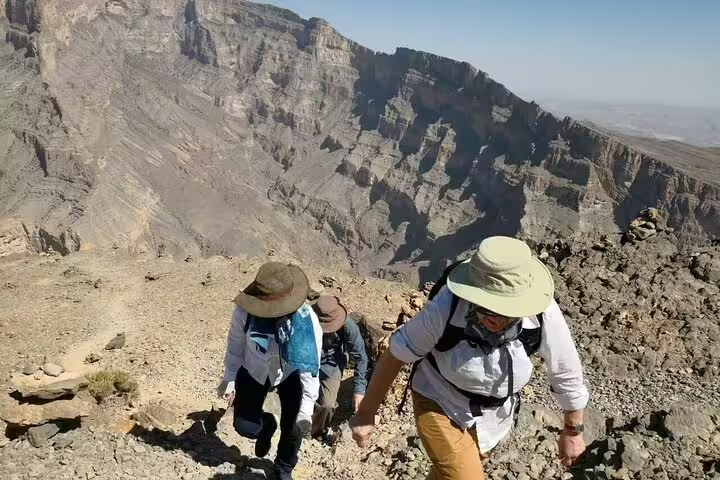
From the Gulf of Oman coast, the Hajar Mountains are 50 to 100 km inland.
The arcaded plaza extends for 250 metres, with Al Alam Palace at its northern end, facing the National Museum of Oman.
You will find the Royal Opera House Muscat in the Shati Al-Qurm district.