Bagmati is a district in the Bagmati Province of central Nepal, encompassing diverse landscapes from urban centers to rural villages. The region is named after the sacred Bagmati River, which flows through the area and holds significant religious importance in Hindu and Buddhist traditions. This district serves as a gateway to understanding Nepal's rich cultural heritage and natural beauty.
What to see in Bagmati
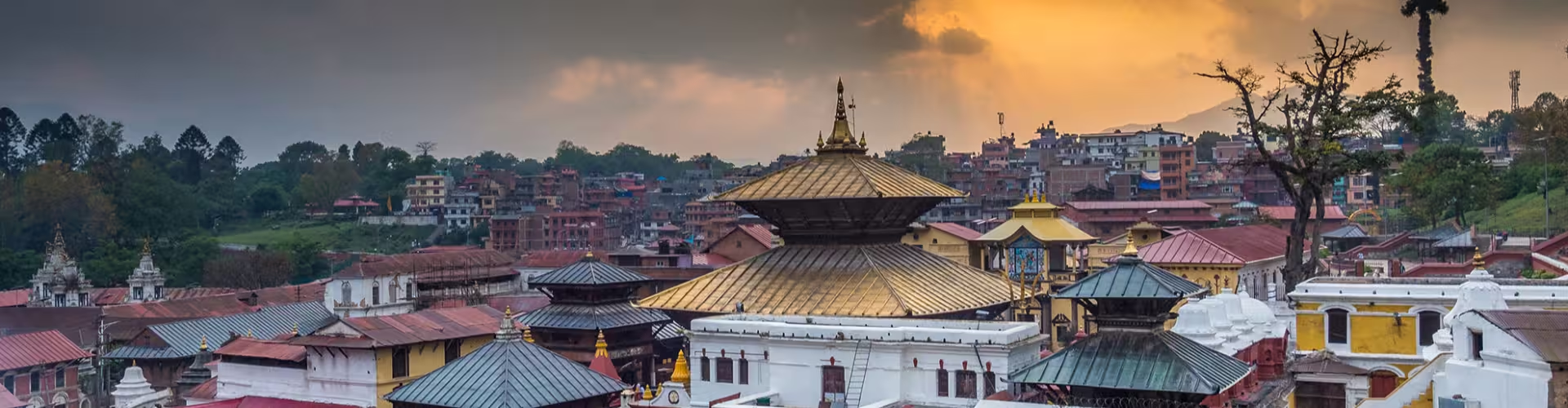
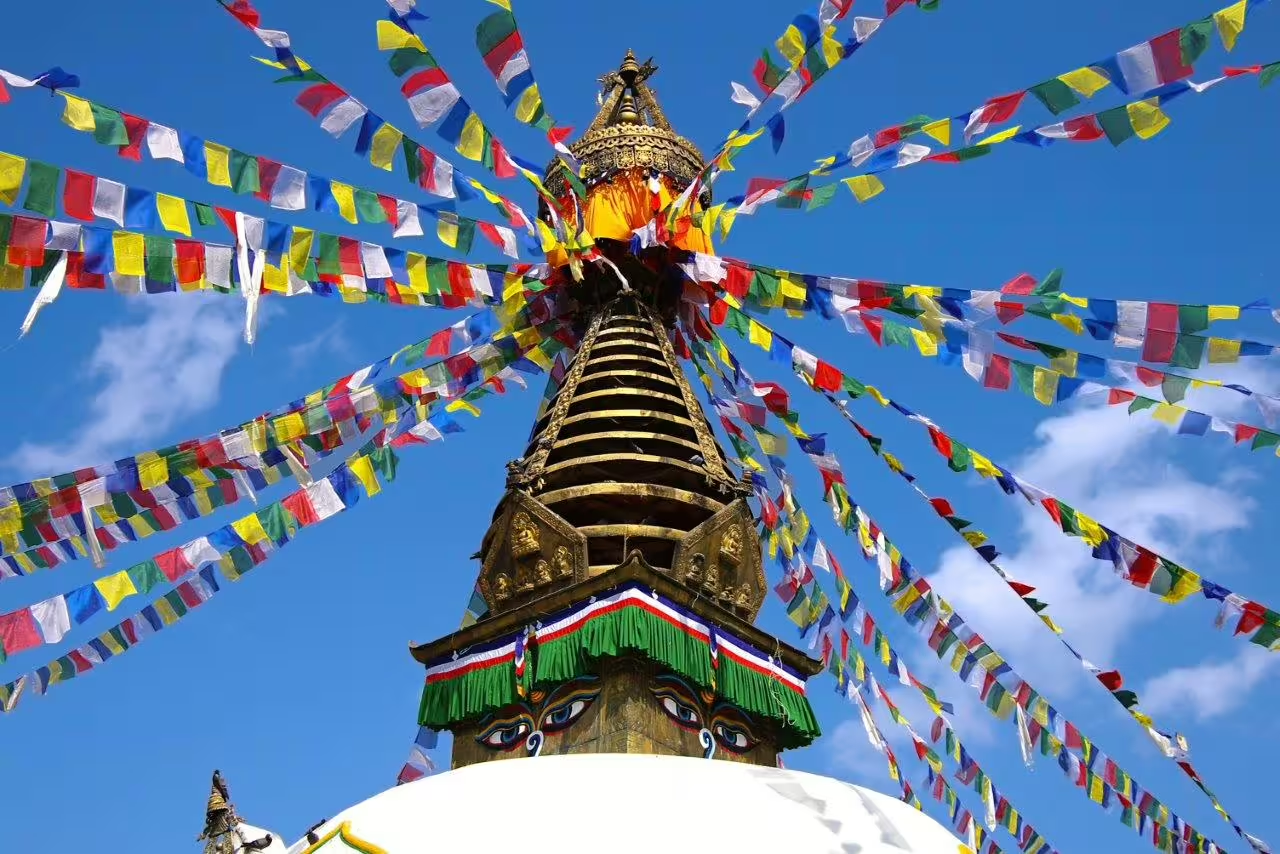
Visitors to Bagmati can explore numerous temples and religious sites scattered throughout the district. The Bagmati River itself is lined with ghats and cremation sites that reflect the spiritual practices of local communities. Ancient temples, traditional settlements, and viewpoints offering vistas of the surrounding hills present opportunities for cultural and architectural exploration.
Things to do in Bagmati
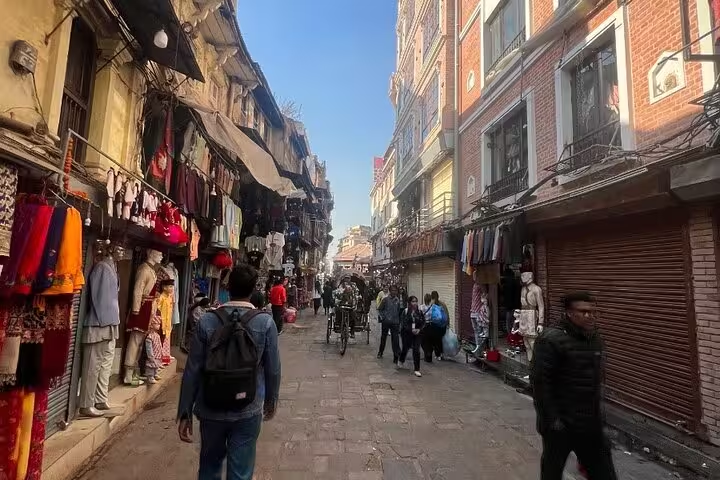
Activities in Bagmati include trekking through rural landscapes, visiting local markets, and participating in guided tours of cultural sites. Visitors can take day trips to nearby villages to experience traditional Nepali life, engage with local communities, and photograph the region's natural scenery. Pilgrimage walks along the Bagmati River provide both spiritual and recreational experiences.
Religious and Cultural Significance
The Bagmati River holds profound spiritual meaning as a tributary of the sacred Ganges, with numerous pilgrims visiting throughout the year. Local festivals and rituals celebrate the river's importance, and Ghats at Bagmati serve as important sites for cremation ceremonies and religious bathing. The district's cultural landscape reflects centuries of Hindu and Buddhist traditions intertwined with daily community life.
Bagmati is located in the Bagmati Province of central Nepal, positioned strategically between the Kathmandu Valley and the surrounding hill regions. The district encompasses urban and rural areas, with the Bagmati River serving as its geographical and spiritual centerpiece. The region's proximity to major Nepali cultural centers makes it an accessible destination for travelers exploring Nepal's heartland.
Sacred Rivers, Cultural Heritage, Hindu Pilgrimage, Nepal Travel, Traditional Villages, Religious Sites, River Tourism, Central Nepal