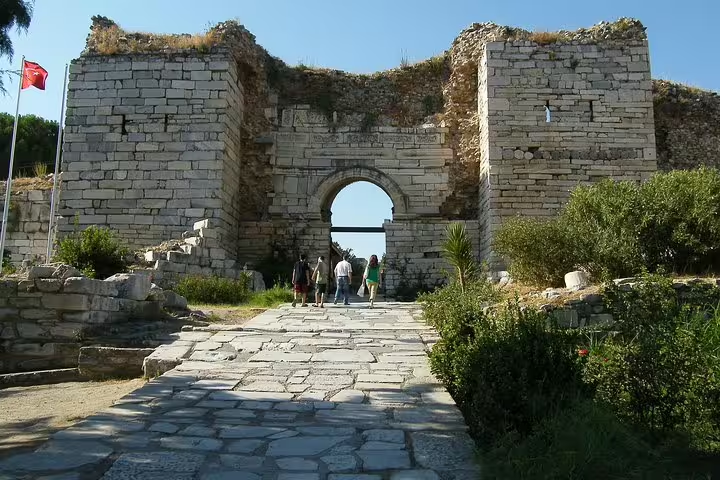
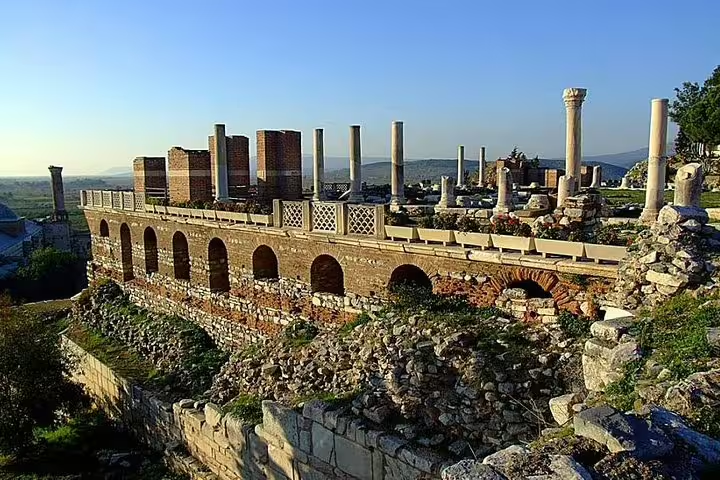
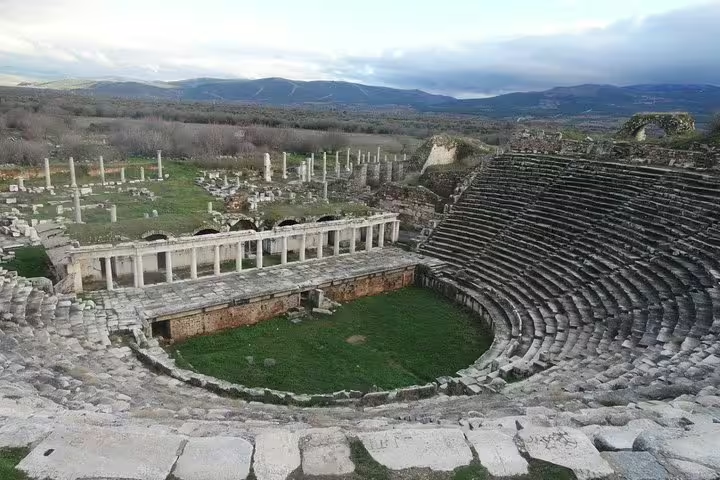
Laodicea on the Lycus was an ancient city in western Anatolia, in present-day Turkey, near the confluence of the Lycus River and Maeander River. Founded in the 3rd century BCE, it became a major commercial center along trade routes. Visitors explore extensive ruins including remnants of a theater, stadium, and ancient streets. The site provides insight into Hellenistic and Roman urban planning and architecture.
Laodicea on the Lycus is an ancient Greco-Roman city located on a plateau above the Lycus River valley, approximately 6 kilometres north of Denizli in southwestern Turkey. Administered under the Roman province of Asia and later significant in early Christian history as one of the Seven Churches of Asia referenced in the Book of Revelation, the site is managed by Pamukkale University and the Turkish Ministry of Culture and Tourism. It sits within close proximity to the UNESCO World Heritage Site of Hierapolis-Pamukkale, forming part of a broader archaeological corridor in the Denizli region.
Ancient Roman City | Biblical Heritage Site | Denizli Province, Turkey | Lycus Valley Archaeological Zone