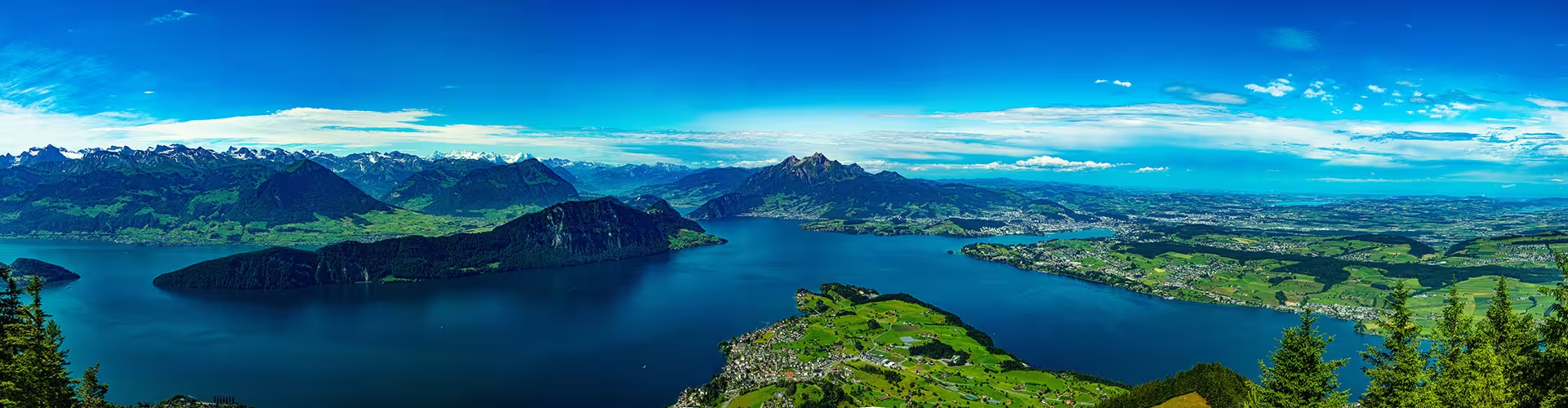
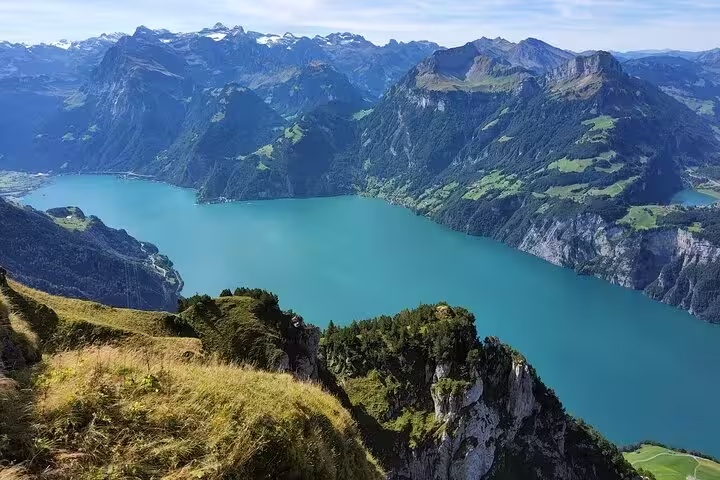
Vitznau is a charming lakeside village in central Switzerland, nestled on the shores of Lake Lucerne with stunning Alpine views. This picturesque destination offers visitors a perfect blend of natural beauty and Swiss hospitality, making it an ideal base for exploring the Lucerne region and surrounding mountains.
What to see in Vitznau
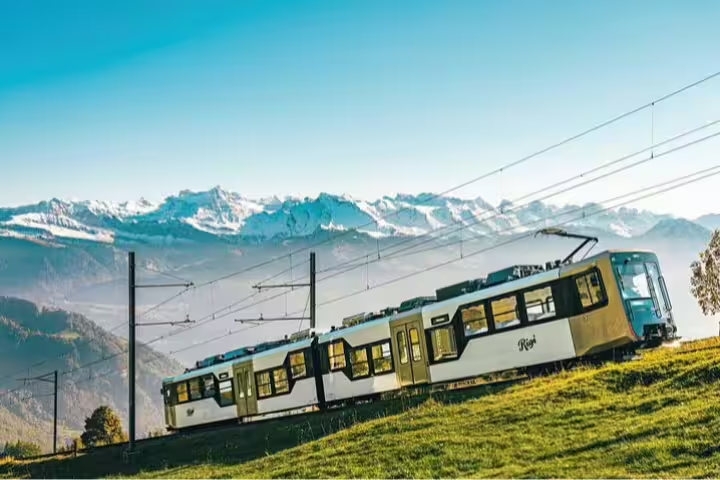
The village is home to the historic Vitznau railway station, a gateway to the famous Rigi mountain cogwheel railway, one of the world's oldest. Visitors can explore the scenic lakefront promenade, enjoy traditional Swiss architecture in the village center, and take in panoramic views of the surrounding peaks and crystalline waters of Lake Lucerne.
Things to do in Vitznau
Adventure seekers can ride the Rigi Railway to enjoy hiking and mountain views from the summit. Lake cruises departing from Vitznau provide memorable journeys across Lake Lucerne, while the village serves as an excellent starting point for walking trails that connect to nearby Alpine communities and viewpoints.
Gateway to Alpine Adventures
Vitznau's strategic location makes it a vital access point for exploring the Rigi Massif, a legendary mountain destination. The village has served as a tourist hub since the 19th century, when visitors began arriving to experience Switzerland's Alpine splendor and the engineering marvel of the historic mountain railway.
Vitznau is located in the canton of Lucerne in central Switzerland, positioned directly on the shores of Lake Lucerne (Vierwaldstättersee). The village sits at approximately 434 meters above sea level and is surrounded by the dramatic peaks of the Rigi Massif to the south and the Pilatus range to the north. Its lakeside position in the heart of the Swiss Alps makes it an accessible yet authentic Alpine destination within easy reach of the city of Lucerne.
Vitznau is renowned as the departure point for the Rigi Bahn (Rigi Railway), built in 1871 as one of Europe's first mountain cogwheel railways. This engineering landmark revolutionized Alpine tourism and remains a key attraction today, drawing visitors who wish to experience both historical rail travel and summit hiking on Rigi.