Glaciers, peaks and the Rhine Falls
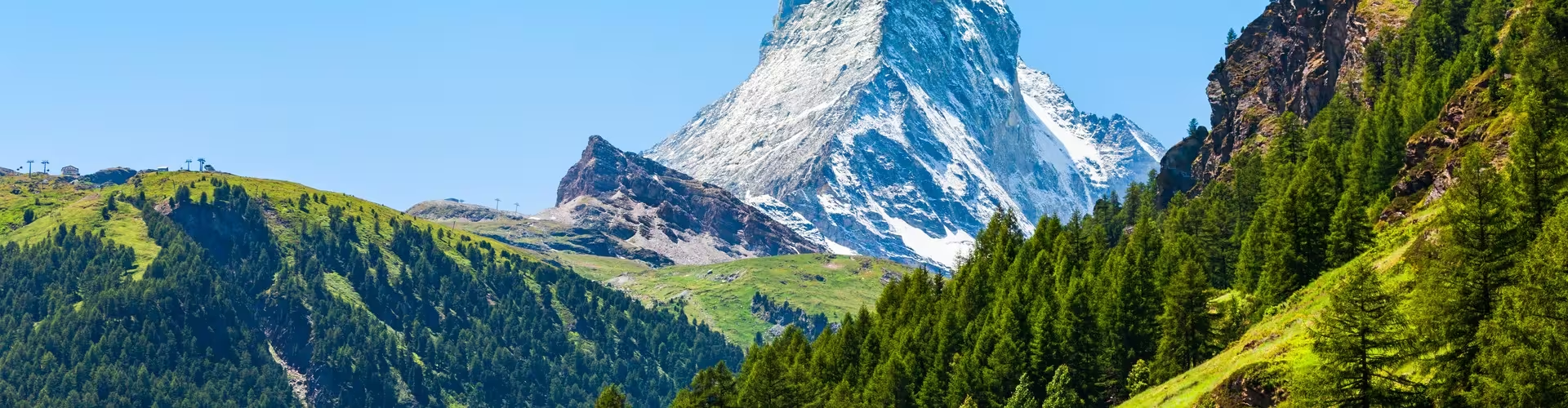
The Jungfraujoch stands 3,454 m (11,300 ft) above sea level and has the highest railway station in Europe. From it you look out over the Aletsch Glacier, the biggest of the country's glaciers, which has UNESCO World Heritage status.
The Rhine Falls is Europe's largest waterfall: huge volumes of water pour over the rocks across a width of 150 m (490 ft).
Lake Geneva and Berne
Chillon Castle is Switzerland's most visited historical monument. From the castle, the Lavaux Vineyard Terraces stretch for about 30 km (19 miles) along the northern shores of Lake Geneva to the eastern outskirts of Lausanne, and the present terraces can be traced back to the 11th century.
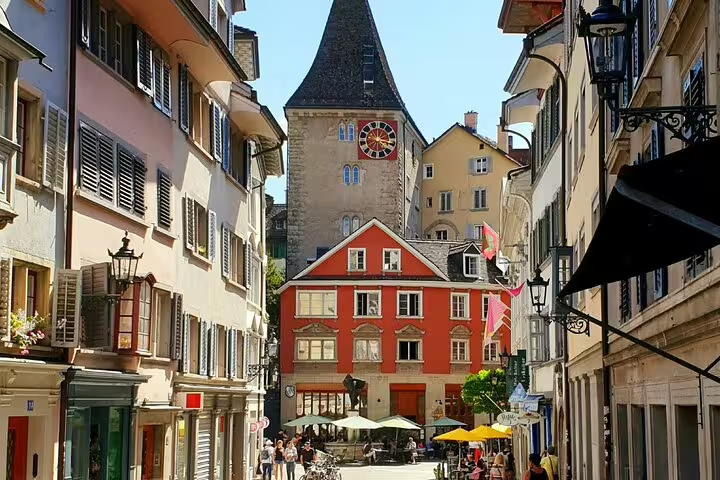
The Old City of Berne was founded in the 12th century on a hill surrounded by the Aare River. Its buildings include 15th-century arcades and 16th-century fountains.
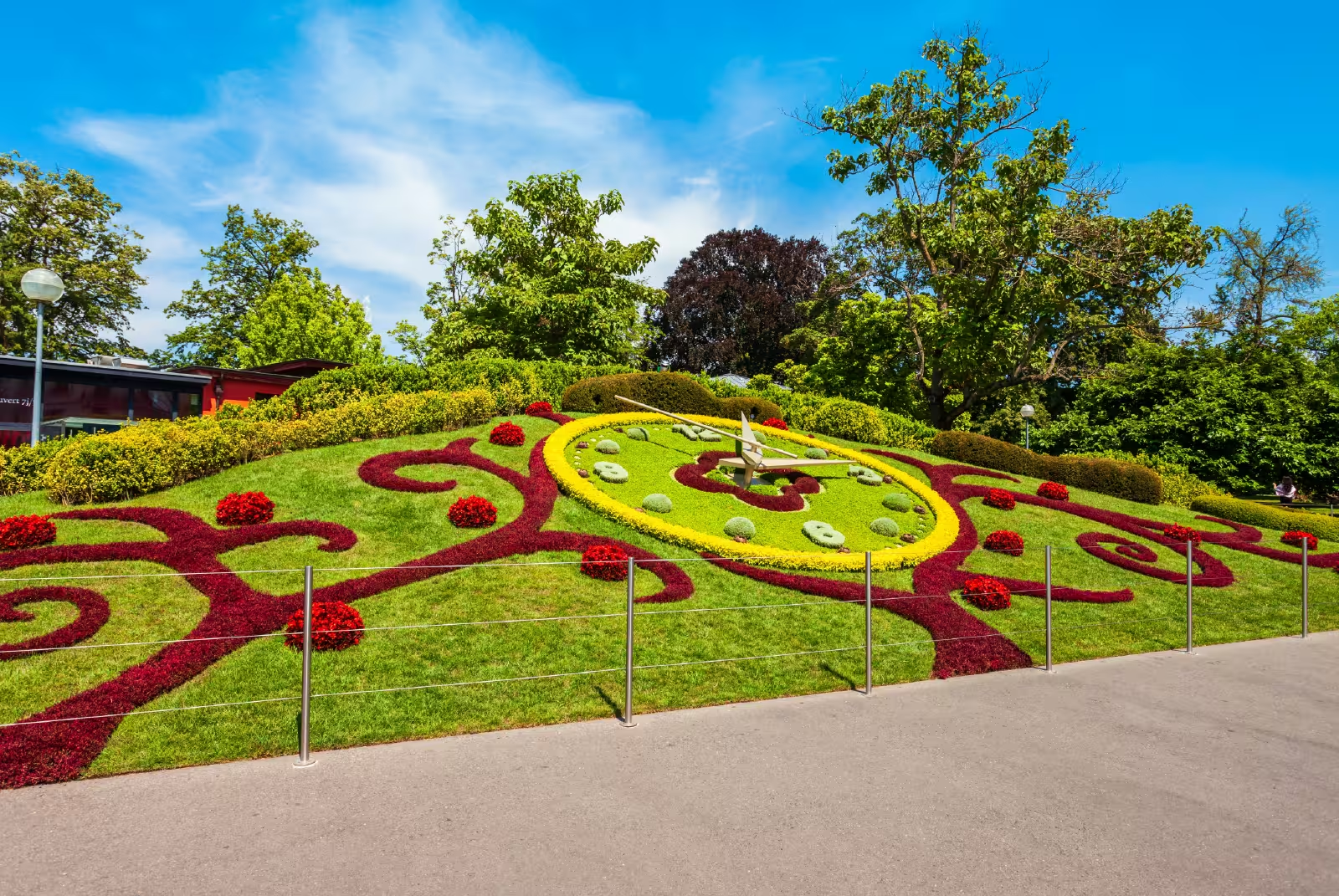
Day tours include the Full-Day Private Tour: Geneva, Lausanne and Lucerne, and in Geneva there is the Geneva Self-Guided Audio Walking Tour with 24 Commentaries.
Frequently asked questions
What is the weather like in Switzerland?
The Swiss climate is moderate, with no excessive heat, cold or humidity.
What is the Grand Tour of Switzerland?
As of 2026, the Grand Tour of Switzerland covers 1,600 km (990 miles), 22 lakes, 5 Alpine passes and 13 UNESCO World Heritage sites.
Getting around
The Swiss Confederation borders France in the west, Germany in the north, Austria and the principality of Liechtenstein in the east, and Italy in the south.
Switzerland can be explored by train, boat or bus. On the Rhaetian Railway, the Albula line opened in 1904; it is 67 km (42 miles) long, with 42 tunnels and covered galleries and 144 viaducts and bridges.