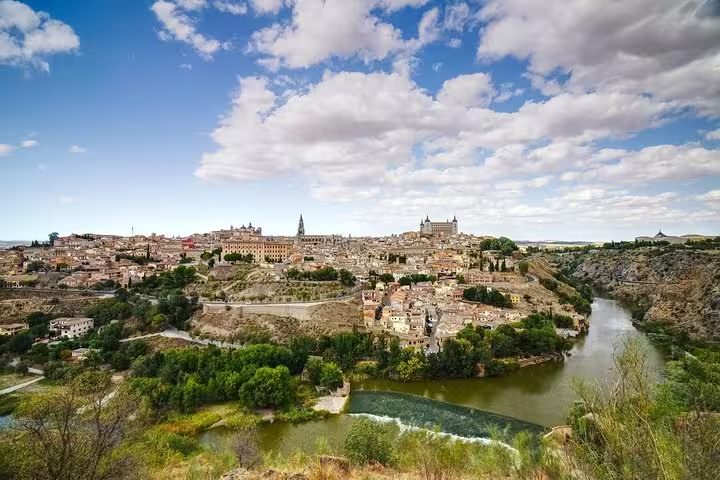
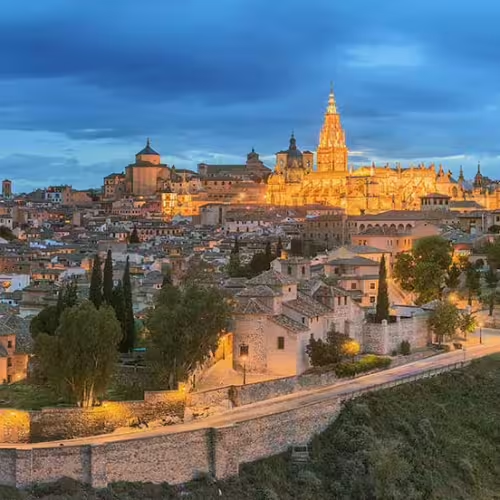
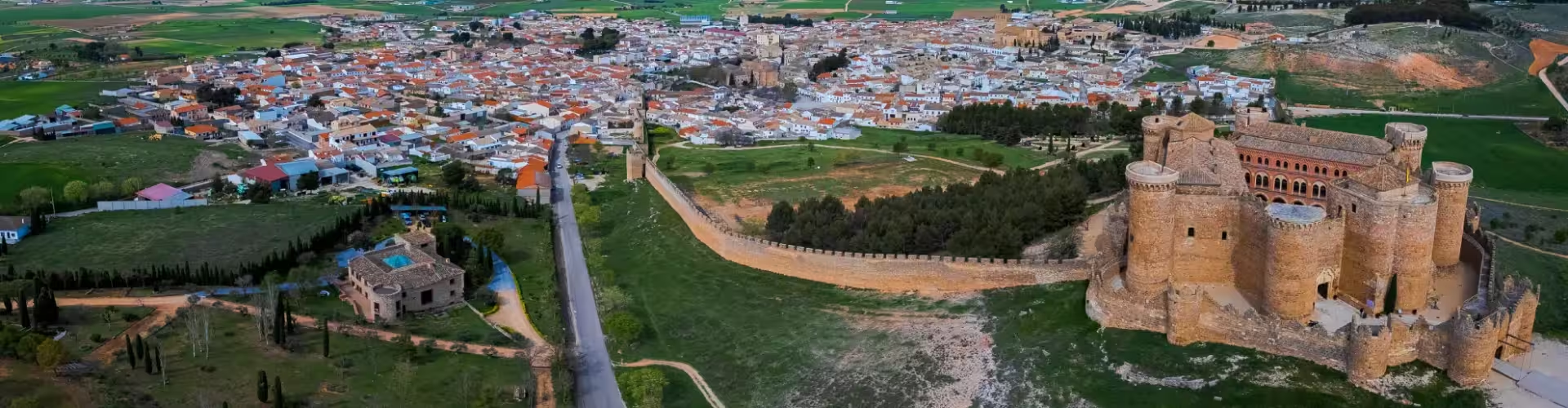
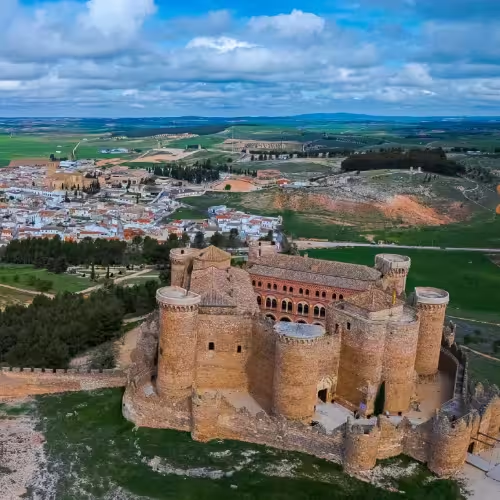
Castilla–La Mancha is a vast region in central Spain known for its windmills, medieval castles, and literary heritage. This historic area stretches across the Iberian plateau and serves as the backdrop for some of Spain's most iconic cultural landmarks and traditions.
What to see in Castilla–La Mancha
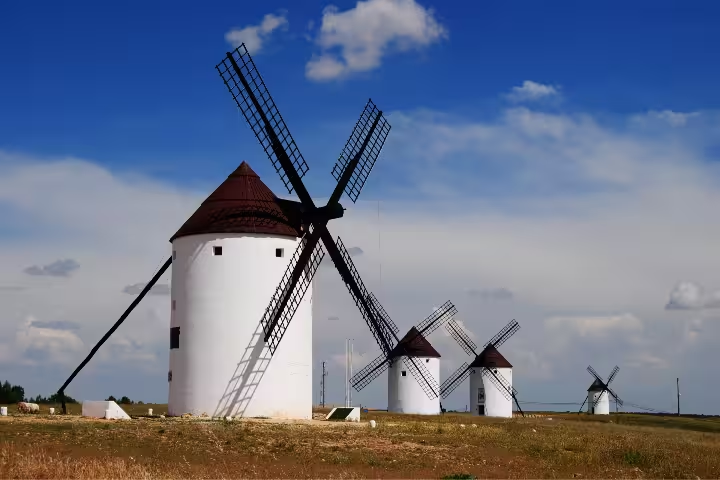
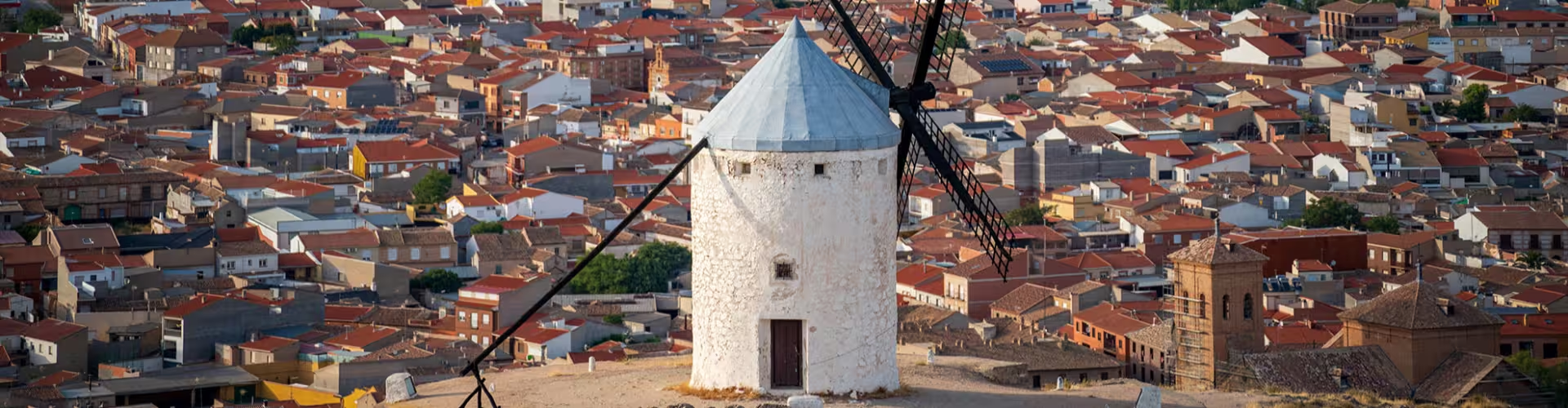
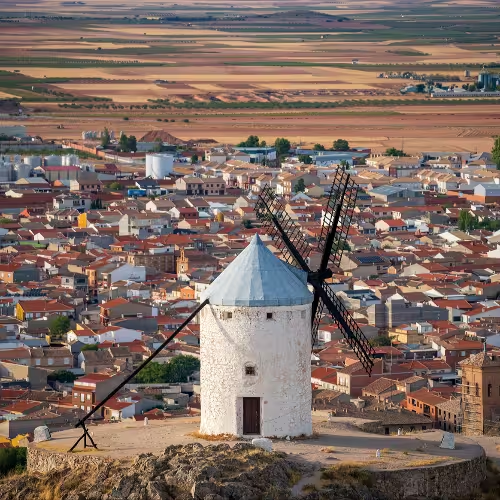
Visitors should not miss the famous windmills of Consuegra, which stand majestically on hilltops overlooking the landscape. The region features numerous medieval castles, charming walled towns like Almagro with its distinctive Plaza Mayor, and the Cathedral of Cuenca with its striking Hanging Houses perched on cliffsides.
Things to do in Castilla–La Mancha
Explore the region through guided tours of historic towns, wine tastings in the renowned Denominación de Origen wine areas, and visits to traditional craft workshops. Day trips through the countryside reveal rural villages, hiking opportunities along scenic routes, and cultural festivals celebrating local heritage throughout the year.
Don Quixote's Literary Landscape
Castilla–La Mancha is inseparably linked to Miguel de Cervantes and his masterpiece Don Quixote, one of literature's greatest works. The region inspired the novel's adventures, with locations like El Toboso and Campo de Criptana serving as real-world references that literary enthusiasts visit to connect with this timeless classic.
Castilla–La Mancha is located in central Spain, spanning across multiple provinces including Ciudad Real, Cuenca, Guadalajara, Toledo, and Albacete. The region sits on the Iberian plateau and covers approximately 79,000 square kilometers, making it one of Spain's largest autonomous communities. Its central location makes it easily accessible from Madrid and other major Spanish cities.
Don Quixote Literary Heritage, Medieval Spain, Wine Tourism, Cultural Tourism, Windmill Heritage