Tenerife is Spain's largest and most vibrant Canary Island, located off the northwest coast of Africa. This diverse destination captivates visitors with Mount Teide, Spain's highest peak, and the dramatic volcanic landscapes that define its character.
What to see in Tenerife
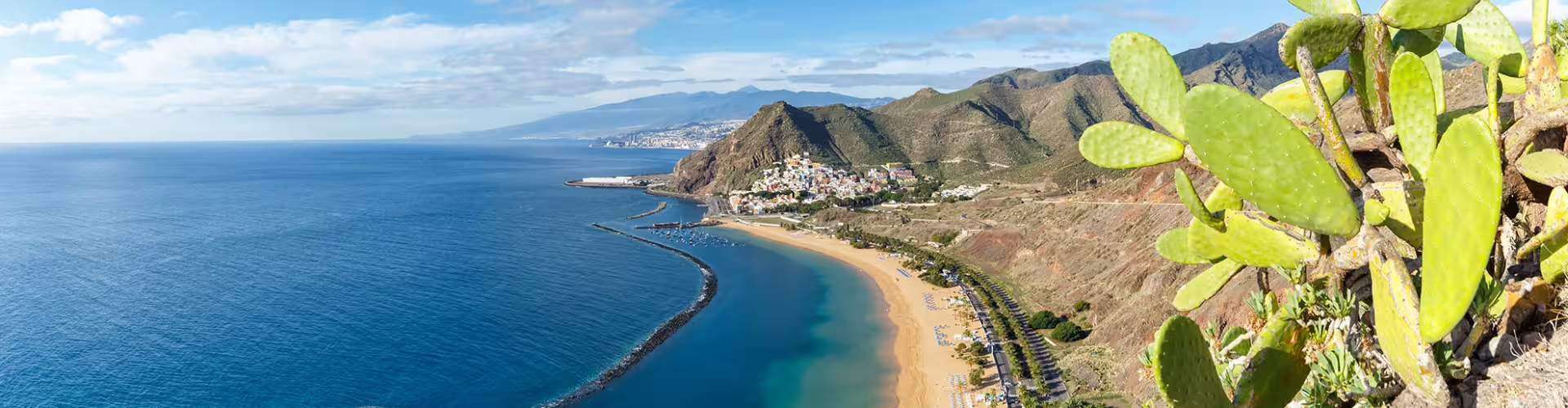
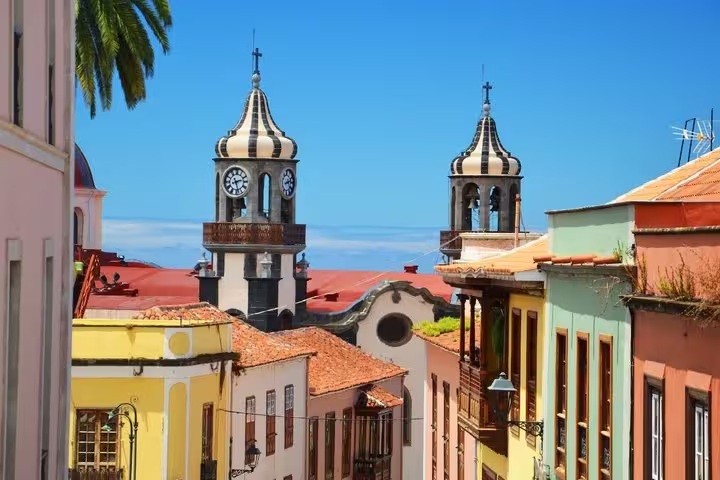
Explore Teide National Park, a UNESCO World Heritage site featuring otherworldly volcanic terrain and Spain's tallest mountain. The charming towns of La Laguna and Garachico offer colonial architecture and cultural heritage, while stunning beaches like Playa de las Américas provide coastal beauty and golden sand.
Things to do in Tenerife
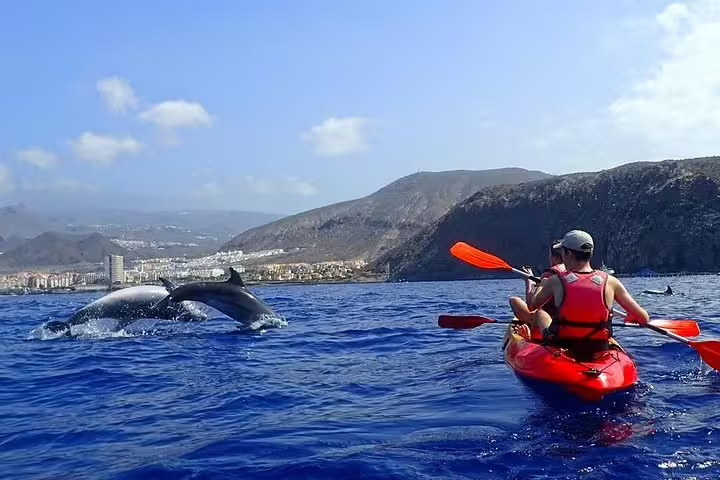
Visitors can hike Mount Teide, take cable cars to its summit, or enjoy water sports along the coastline. Whale and dolphin watching cruises depart regularly, and the island hosts vibrant carnivals, particularly the renowned Carnival of Santa Cruz, one of Europe's most spectacular celebrations.
Tenerife's Carnival Tradition
The Carnival of Santa Cruz ranks among the world's most famous and colorful festivals, drawing hundreds of thousands of visitors annually. This centuries-old celebration features elaborate parades, samba dancers, elaborate costumes, and street performances that transform the island into a cultural spectacle unlike anywhere else in Spain.
Tenerife is located in the Canary Islands archipelago, situated off the northwest coast of Africa approximately 400 kilometers west of Morocco. As Spain's largest island by population and area, Tenerife serves as the cultural and economic hub of the Canary Islands. The island spans approximately 2,034 square kilometers and is positioned at roughly 28°N latitude and 16°W longitude.
Tenerife represents a unique blend of Spanish and Canarian culture, offering visitors a distinctly different experience from mainland Spain despite its official status as an autonomous community. The island's strategic location bridges European and African influences, creating a distinctive cultural identity reflected in its festivals, cuisine, and traditions. Its volcanic geology and year-round subtropical climate make it one of Europe's premier year-round destinations.