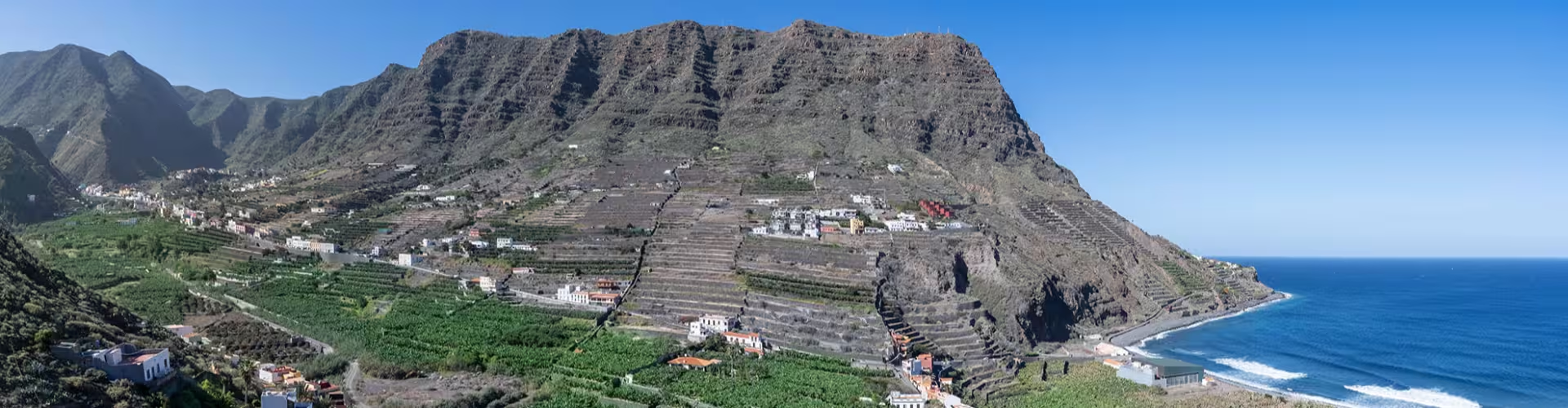
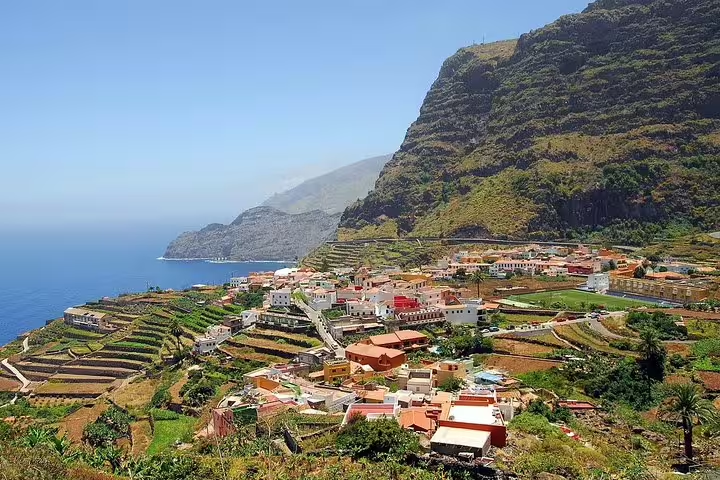
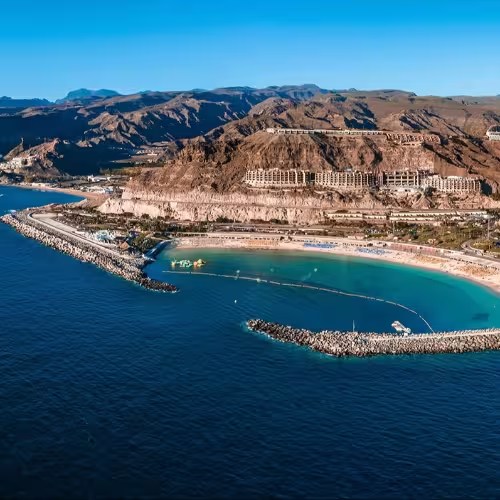
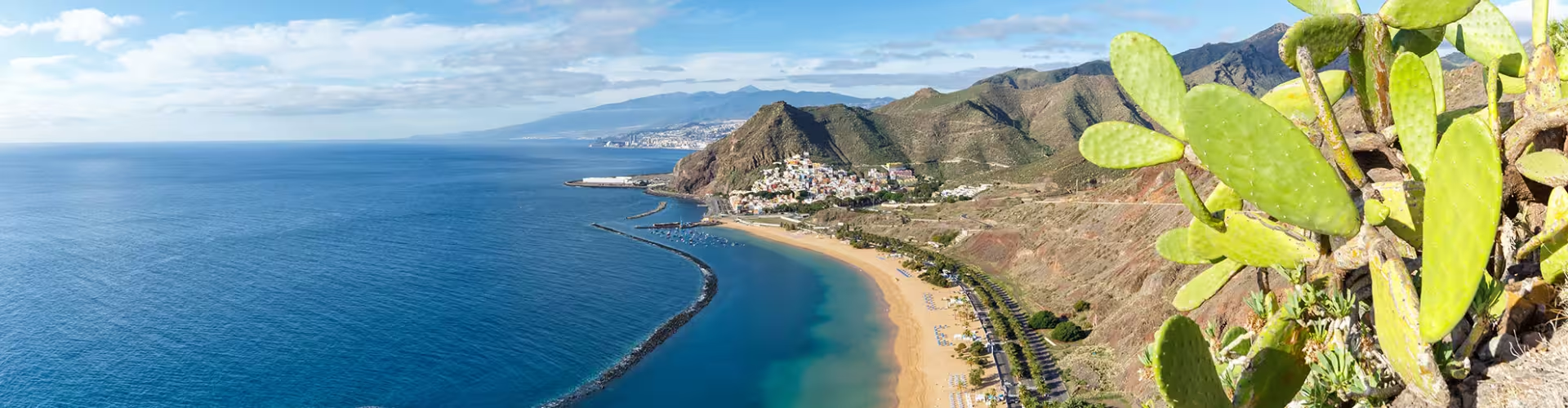
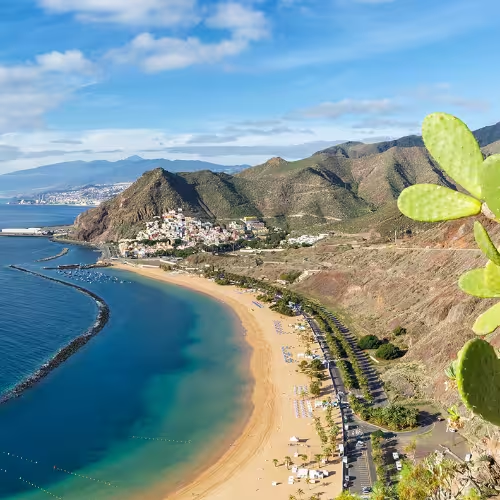
La Gomera is a serene island in the Canary Islands, Spain, known for its dramatic volcanic landscape and lush laurel forests. This enchanting destination offers visitors a chance to escape the crowds while experiencing authentic island culture, pristine nature, and charming traditional villages.
What to see in La Gomera
The island's main attractions include Garajonay National Park, a UNESCO World Heritage site featuring ancient laurel forests and scenic hiking trails. Visitors should not miss the picturesque village of San Sebastián with its colonial architecture, the stunning Los Órganos coastal cliffs, and the quaint settlements of Vallehermoso and Alajeró that showcase traditional Canarian charm.
Things to do in La Gomera
Adventure seekers can enjoy hiking through Garajonay's misty trails, exploring hidden beaches and coves, and taking boat trips to neighboring islands. The island also offers whale and dolphin watching excursions, visiting local craft workshops where artisans create pottery and woven goods, and sampling fresh seafood in waterfront restaurants.
Whistling Language and Cultural Heritage
La Gomera is home to Silbo Gomero, an ancient whistling language used by locals to communicate across the island's deep ravines. This UNESCO-recognized intangible cultural heritage is still taught in schools and remains a fascinating window into the island's unique traditions and ingenious adaptation to its mountainous terrain.
La Gomera is located in the Canary Islands archipelago off the coast of western Spain, positioned between Tenerife and El Hierro. The island spans approximately 369 square kilometers and is characterized by its central volcanic mountains, verdant valleys, and dramatic coastal cliffs. Its geographic isolation has preserved unique flora, fauna, and cultural traditions that distinguish it from other Canarian islands.
UNESCO Heritage Site, Hiking Destination, Canary Islands, Authentic Island Culture, Natural Heritage