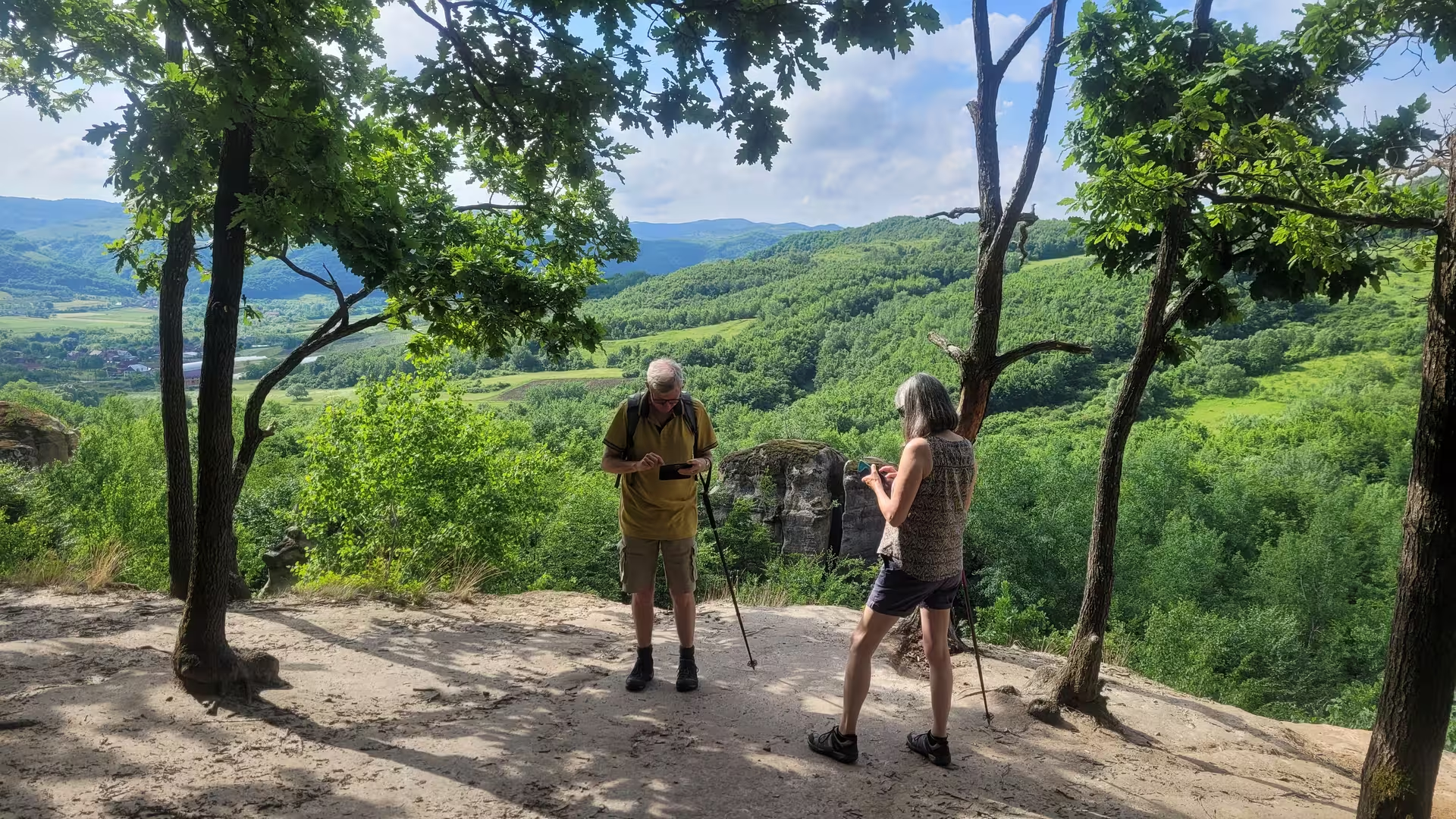
Salaj County in northwestern Romania is a hidden gem nestled in the heart of Transylvania, known for its pristine natural landscapes and rich cultural heritage. This region blends medieval charm with authentic rural experiences, offering visitors a genuine glimpse into traditional Transylvanian life.
What to see in Salaj County
Visitors should not miss the stunning Jiblea Monastery, an Orthodox spiritual center perched on hillsides overlooking the Someș River valley. The charming town of Zalau serves as the county's cultural hub, featuring museums dedicated to local history and traditional crafts that showcase the region's artistic legacy.
Things to do in Salaj County
Explore scenic hiking trails through forested mountains and along river gorges that characterize the landscape. Visit traditional villages where locals still practice age-old crafts, participate in seasonal festivals celebrating harvest traditions, and enjoy peaceful nature walks through protected natural areas.
Cultural Heritage and Rural Authenticity
Salaj County preserves authentic Transylvanian traditions largely untouched by mass tourism. The region's folk festivals celebrate local crafts, music, and cuisine, while family-run guesthouses provide immersive experiences in village life, allowing visitors to experience genuine Romanian hospitality and traditional home-cooked meals.
Salaj County is located in northwestern Transylvania, Romania, bordered by the Someș River valley. The county encompasses diverse geographical features including forested mountains, protected natural areas, and traditional rural settlements. Its strategic position in the heart of Transylvania makes it accessible to other major cultural and natural attractions in the region. The landscape is characterized by rolling hills, river gorges, and agricultural plains that have shaped centuries of local life and traditions.
Salaj County represents an emerging destination for cultural and nature-based tourism in Transylvania. The region maintains strong connections to traditional Romanian village life, folk crafts, and seasonal celebrations. Its relatively underdeveloped tourism infrastructure compared to other Transylvanian areas makes it ideal for travelers seeking authentic experiences away from crowded tourist routes. The presence of spiritual sites like Jiblea Monastery attracts both pilgrims and cultural enthusiasts interested in Orthodox Christian heritage and monastic traditions.