Last updated:


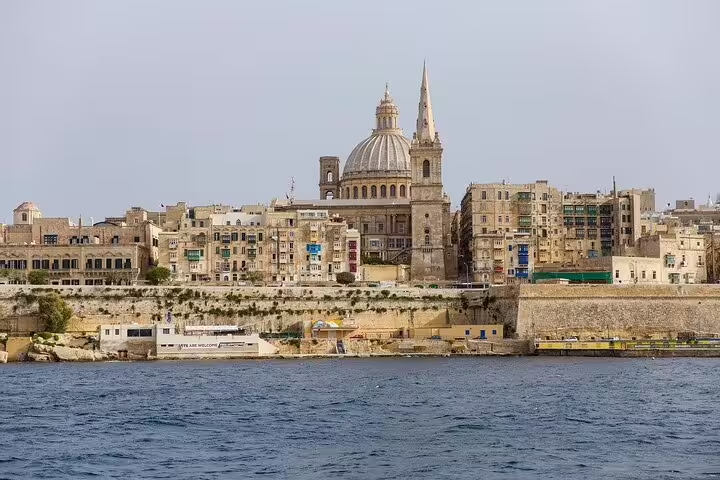
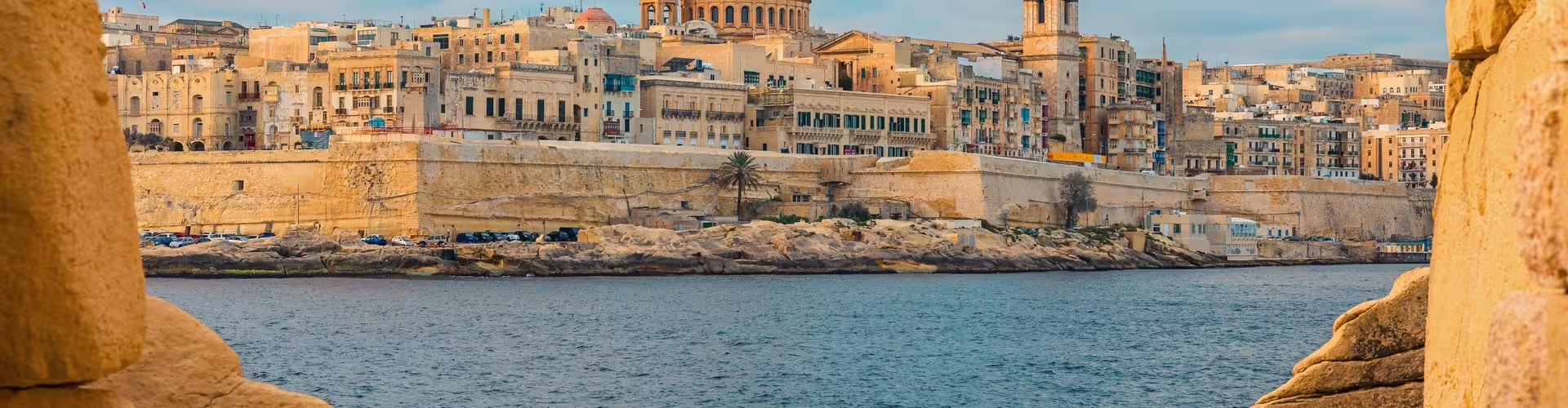
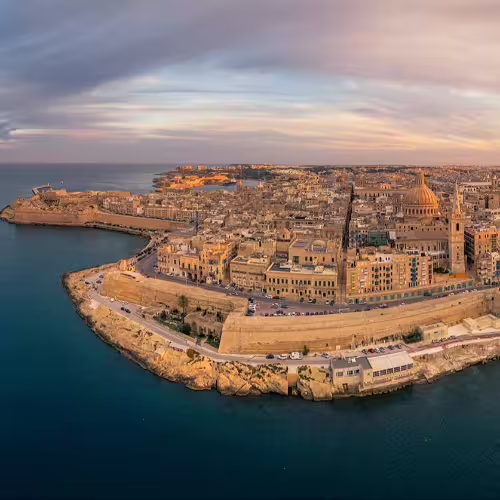
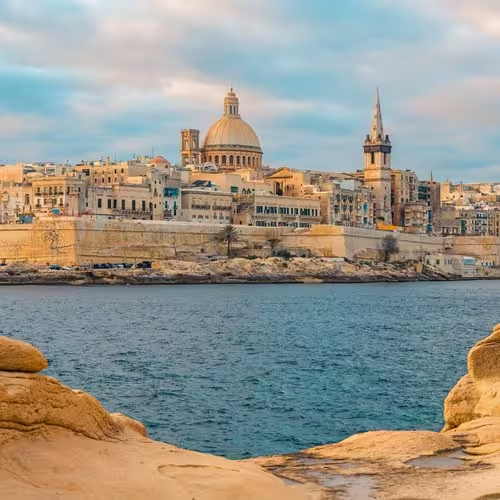
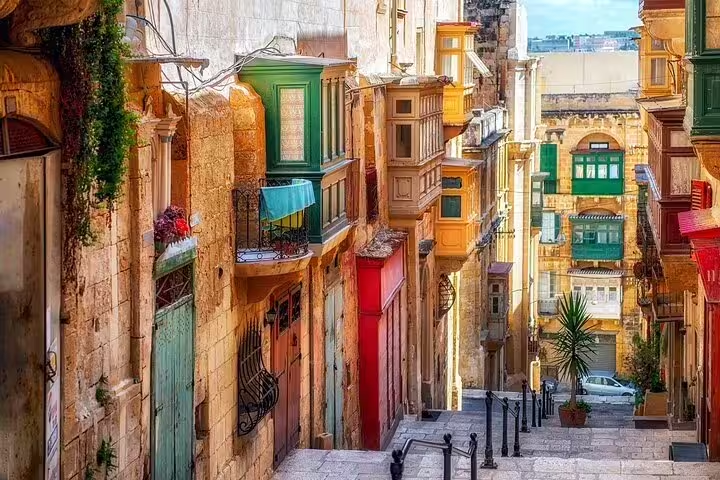
Valletta rewards a trip that mixes art, gardens and time by the harbour. Malta's capital spreads across a hilly peninsula, with streets laid out in a regular grid behind bastioned defensive walls. That makes the street plan a useful starting point for a walk, while the hills deserve a place in your plans too.
Art and harbour views make a rewarding pairing for a day in Valletta. At St John's Co-Cathedral, look up at Mattia Preti's decoration of the vault, which tells the story of St John the Baptist's life. For an art museum in a historic building, MUŻA is housed in the Auberge d'Italie.
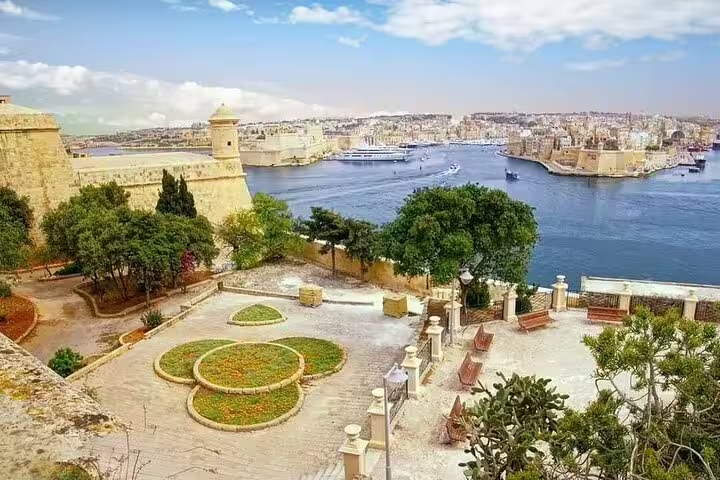
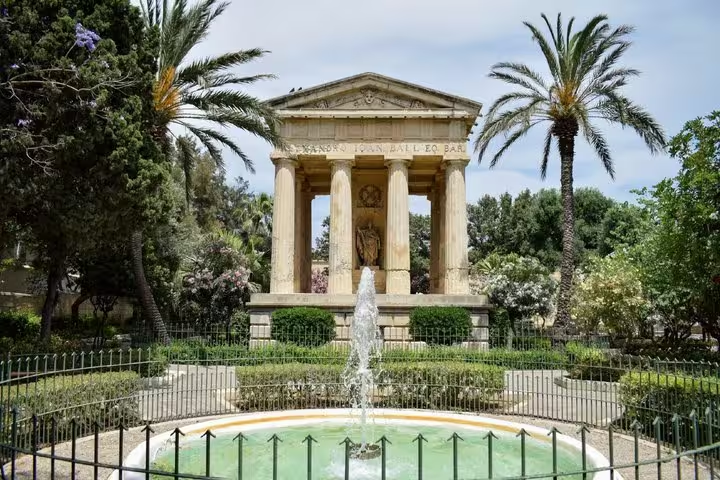
The Barrakka gardens offer different reasons to pause. Upper Barrakka Gardens have trees and decorative planting, while Lower Barrakka Gardens overlook Grand Harbour. The combination gives you a garden break rather than another museum visit.
For a different kind of cultural stop, Spazju Kreattiv brings Malta's National Centre for Creativity into St James Cavalier. These are alternatives to build into the museum part of your stay, depending on whether a creative centre appeals to you. Our Lady of Victory Church adds a religious history stop: Grand Master de Valette dedicated it to the Nativity of the Virgin Mary in thanksgiving for victory in the Great Siege.
For a walk with commentary, the Valletta self-guided audio walking tour lasts 1 hour and 45 minutes and includes app access, 19 historical commentaries, a detailed walking map and a self-paced route covering 4.3 kilometres.
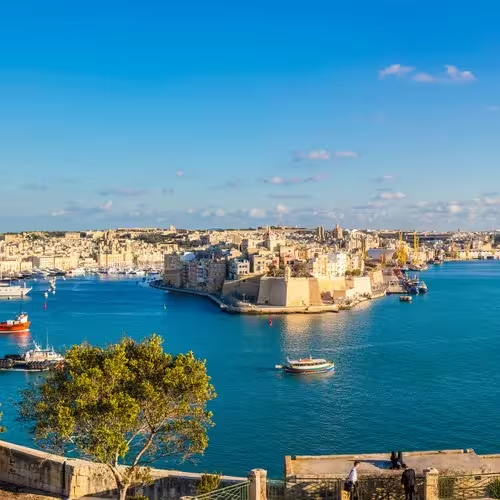
Two days would let you divide Valletta between art and gardens, then museums and the fort. On the first day, pair St John's Co-Cathedral and MUŻA with the Barrakka gardens. On the second, make room for the National Museum of Archaeology in the Auberge de Provence, then head towards Fort St Elmo. The fort marks the sea-facing end of the peninsula, between Grand Harbour and Marsamxett Harbour.
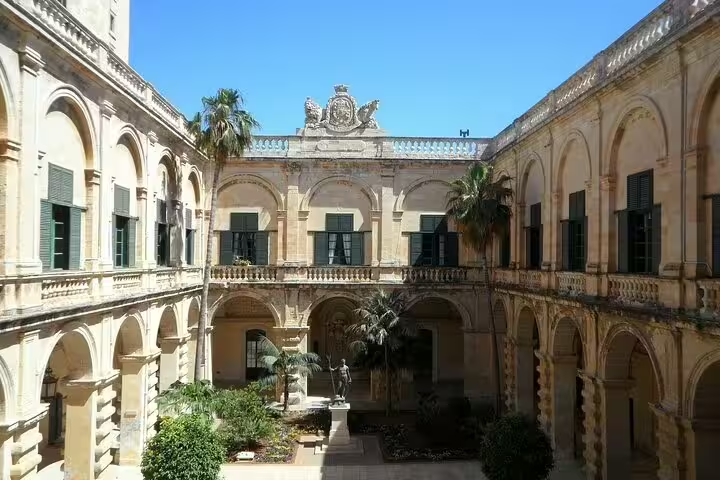
A private tour of Valletta and the Three Cities with a local guide takes 4 hours and includes a private English-speaking driver-guide, a water taxi across Grand Harbour, a traditional dghajsa boat ride and transport between all tour stops.
Food and Carnival can give you a reason to plan around an event. The Valletta Local Food Festival, organised by the Valletta Cultural Agency, showcases local cheeses, chutneys, pastries and sweets. Carnival in Valletta and Floriana features competing parades of floats, costumes and choreographed performances. For weather, Valletta has the sea-influenced Mediterranean climate shared by Malta.
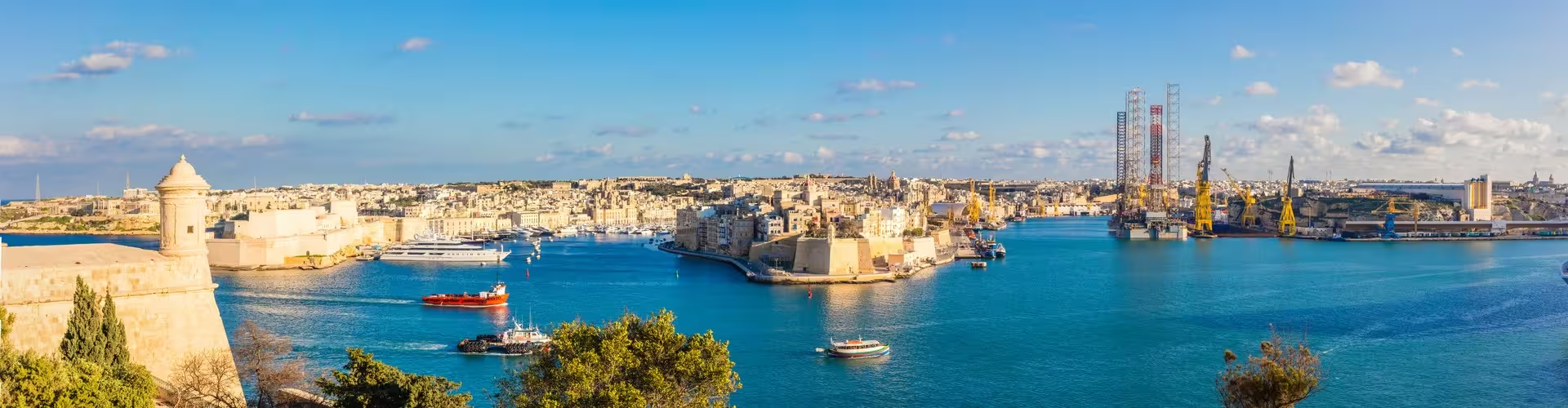
A walking plan should take the hills into account, with ferries an option for trips to Cospicua or Sliema. Both places have ferry connections with Valletta, so the water routes are worth including when planning a visit beyond the city.
Yes, Valletta joined the UNESCO World Heritage List in 1980.
Yes, Airport Direct TD4 links the airport and Valletta.
The Beheading of St John the Baptist and St Jerome Writing are the Caravaggio paintings kept there.
Its coverage spans 7,000 years of military history in Malta, at Fort St Elmo.
Water supply, drainage, moving troops and storing grain were functions of the underground spaces and tunnels.