The Port Region in Malta is a sea facing slice of the islands where harbors, promenades, and layered history shape the everyday rhythm. It is a practical base for travelers who want walkable waterfront scenery, easy connections to the rest of the country, and a strong sense of place built around maritime life. This guide focuses on planning choices, what to prioritize, and how to move smoothly between sights without rushing the experience.
Port Region feels energetic and coastal, with a working harbor atmosphere alongside viewpoints, cafés, and photogenic streets. Come for the mix of sea breezes, short travel times, and the way the region links Malta’s historic cores with modern neighborhoods. It is especially appealing when you want a flexible itinerary that can shift between culture, food, and waterfront walks in the same day.
The Port Region sits on Malta’s harbor side, oriented around the island’s main maritime gateways and urban centers. It works well as a hub because many routes naturally funnel through the port areas, whether you are heading toward historic districts, waterfront promenades, or ferry connections. For arrivals, Malta International Airport is the key gateway, then onward travel typically continues by road toward the harbor side of the island.
Timing in the Port Region is mainly about balancing weather comfort with crowd levels. Warmer months bring the liveliest waterfront energy and longer evenings for promenades, but also higher demand for transport and popular viewpoints. Cooler periods can feel calmer and more local, which suits travelers who prioritize museums, walks, and food focused itineraries over beach style days.
Malta uses the euro, which makes budgeting straightforward for many European travelers. In the Port Region, you can usually rely on cards for day to day spending, but carrying some cash is helpful for small purchases and quick stops. To manage costs, focus on walkable clusters of sights, plan meals around daily specials when available, and keep a buffer for transport if you are hopping between harbor viewpoints and inland neighborhoods.
Harborfront Walks and Promenades. The waterfront is where the Port Region shows its character, with sea views, boats, and a steady flow of locals and visitors. It is a simple way to understand how maritime life shapes the area. Practical tip, go early for softer light and easier photos, then return later for a livelier atmosphere.
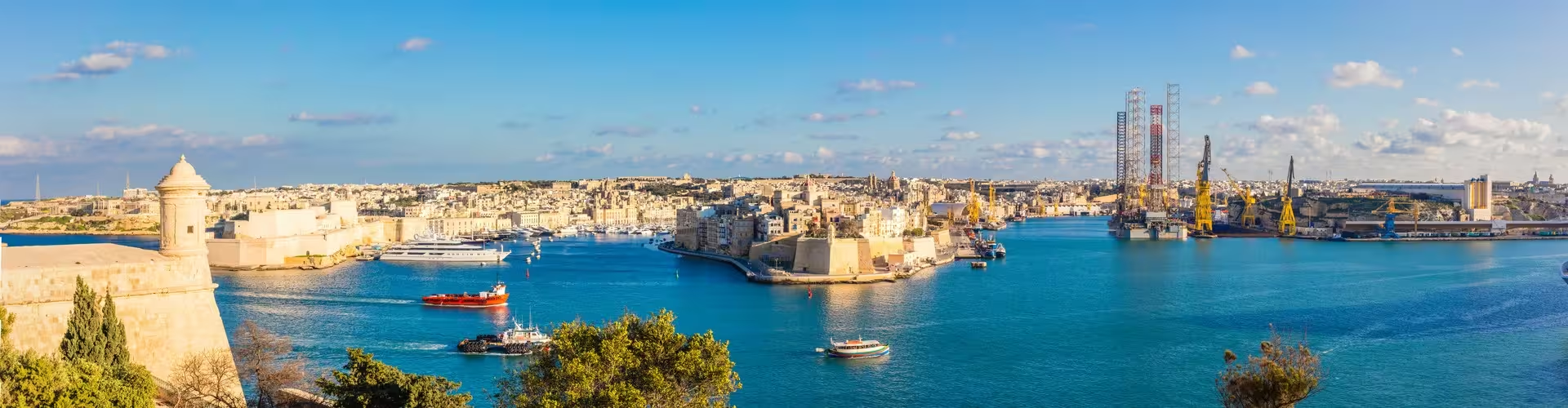
Viewpoints Over the Grand Harbor. Malta’s harbor panoramas are a signature experience, and the port side delivers dramatic angles over the water and surrounding fortifications. These views help you connect the geography of the islands with the history of defense and trade. Practical tip, bring a light layer because breezes can pick up near exposed overlooks.
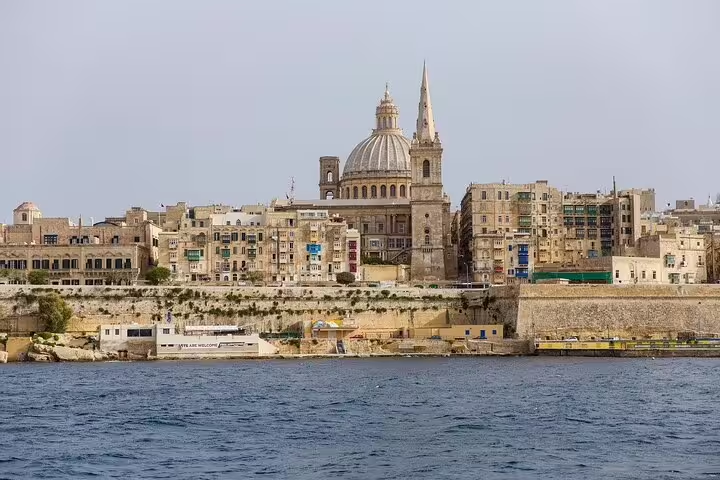
Historic Streets and Architectural Details. The Port Region rewards slow walking, especially if you enjoy balconies, stonework, and narrow lanes that open suddenly onto sea views. The architecture tells a story of strategic importance and everyday resilience in a compact urban setting. Practical tip, wear comfortable shoes because surfaces can be uneven and streets can be steep.
Local Cafés With a Waterfront Rhythm. Sitting for a coffee or a cold drink is not just a break, it is part of how you experience the region’s pace. Harbor areas often feel like a crossroads, so people watching becomes a travel highlight. Practical tip, choose a seat with shade in warmer months and aim for off peak times for faster service.
Boat and Ferry Connections. Ports are built for movement, and using the water as a transport corridor can be both scenic and efficient. It also gives you a different perspective on the coastline and the built up harbor edges. Practical tip, check conditions on the day because wind can affect how comfortable the crossing feels.
Photographic Stops at Golden Hour. The limestone palette of Malta can glow in late light, and the Port Region is particularly rewarding when sun hits the harbor and rooftops. This is when scenes feel most cinematic, especially from higher viewpoints. Practical tip, arrive a little early to secure a good spot and avoid last minute rushing.
Neighborhood Wanders Beyond the Main Waterfront. A few blocks away from the busiest stretches, the mood often shifts to quieter residential streets. This contrast helps you see the region as more than a postcard and understand daily life. Practical tip, keep your route flexible and follow streets that lead to small squares or open views.
Food Focused Stops for Classic Maltese Flavors. The Port Region is a strong place to sample Maltese cooking because it attracts both locals and travelers. You can build a casual tasting day by combining snack stops with sit down meals. Practical tip, ask what is seasonal or popular that day, then plan a lighter dinner if you have a big lunch.
Start with a morning harborfront walk to get your bearings, then climb to a viewpoint for wide angle photos and a sense of Malta’s coastal layout. Midday, focus on historic streets and an unhurried lunch featuring Maltese staples, then take time for a café stop to reset your pace. In late afternoon, use a boat or ferry connection if it fits your route, then finish with golden hour views back over the water.
Day one follows the highlights, but with extra time for side streets and quieter residential pockets. Day two can emphasize transport by water, linking different harbor perspectives and building in longer breaks for food and people watching. If you have a third day, treat it as a flexible buffer for weather changes, revisiting your favorite viewpoint, and scheduling a slower meal that turns into an evening stroll along the waterfront.
Pastizzi. Flaky, savory pastries that are a classic Maltese snack, often enjoyed on the go. Ordering tip, ask what fillings are available and consider pairing with a drink for a quick, budget friendly bite.
Ftira. A Maltese style bread that often becomes the base for hearty sandwiches. Ordering tip, look for versions with local ingredients and share one if you want to save room for more tastings.
Hobz biz zejt. Bread with olive oil and typical Mediterranean flavors, often built into a satisfying snack or light meal. Ordering tip, request it as a takeaway if you are planning a scenic stop at a viewpoint.
Bigilla. A bean based dip that fits well as part of a spread. Ordering tip, ask for it with bread so you can easily share it at the table.
Aljotta. A fish soup that reflects Malta’s maritime identity and suits cooler days or a lighter lunch. Ordering tip, ask what the kitchen’s style is, then consider it as a starter before a main dish.
Rabbit Stew. A traditional Maltese comfort dish with deep, slow cooked flavor. Ordering tip, plan this for dinner if you want time to enjoy a longer meal without rushing between sights.
The Port Region is often best experienced on foot in short bursts, especially in historic areas where narrow streets and stairways slow down traffic. For longer hops, public transport and taxis can bridge gaps between viewpoints, waterfront segments, and inland neighborhoods. If you use ride services, confirm pickup points carefully because busy harbor roads can be confusing, and always allow extra time around peak periods when the area is at its most active.
Valletta. A compact historic capital with dense cultural sights and dramatic harbor views. Travel time can be short from the port side depending on your exact base, which makes it ideal for a half day or full day add on.
The Three Cities. A cluster of historic waterfront communities across the harbor that deepen your sense of Malta’s maritime story. They are well suited to slow walking and photography, especially if you want a calmer counterpoint to busier hubs.
Sliema. Known for promenades, shopping, and sea facing cafés. It works well when you want a modern coastal vibe and an easygoing afternoon by the water.
Mdina. An atmospheric walled city inland, offering a different mood from the harbors. It is a strong choice if you want a quieter, more contemplative day focused on streetscapes and history.
Gozo. Malta’s sister island, popular for a change of pace and scenery. It is best as a full day trip, and planning transport connections in advance helps the day feel relaxed.
Focus on a waterfront walk, one major viewpoint, and a set of historic streets in the same area to avoid transit delays. Add a single sit down meal so you experience local flavors without overpacking the schedule.
Arrive via Malta International Airport, then continue by road toward the harbor side of the island. The simplest approach is to choose a direct transfer option that matches your arrival time and luggage needs.
Late afternoon and early evening are ideal for softer light and warmer color on Malta’s limestone. Mornings can be calmer for photos if you prefer fewer people around.
Cards are widely useful for day to day spending, but carrying some cash helps with small purchases and quick snack stops. Keeping both options makes your day smoother if a place is busy or prefers faster payment.
The Port Region can be very walkable in compact areas, especially along waterfront segments and within historic street grids. Plan for hills and stairs, and use public transport for longer gaps to keep the day comfortable.