Last updated:


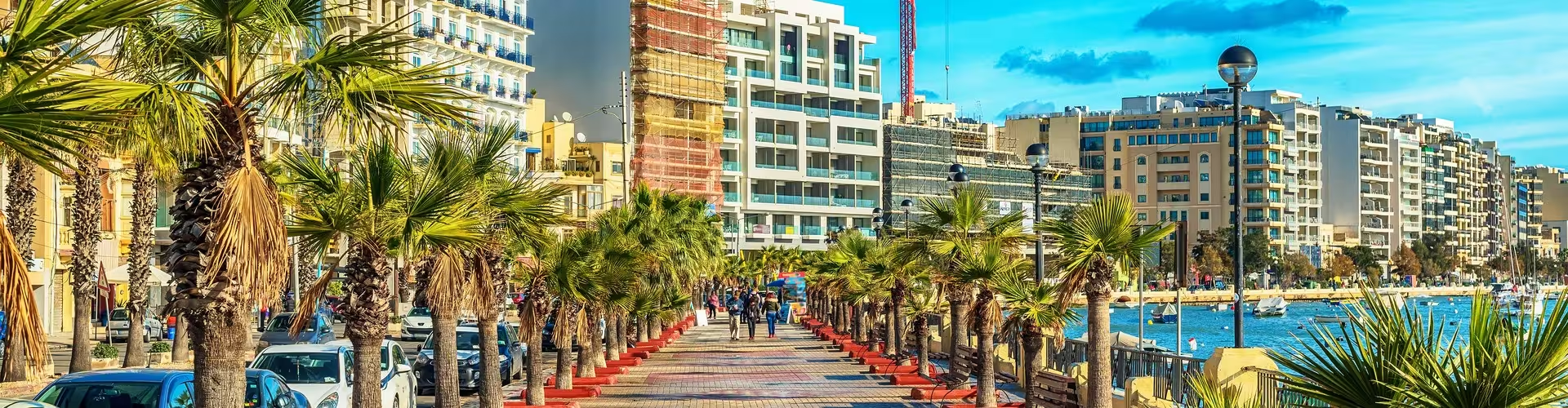
Sliema suits a trip that pairs the coast with time in Valletta: the town sits on a peninsula across Marsamxett Harbour from Valletta, with a direct ferry between them. Also known as Tas-Sliema, it lies on Malta's northeast coast.
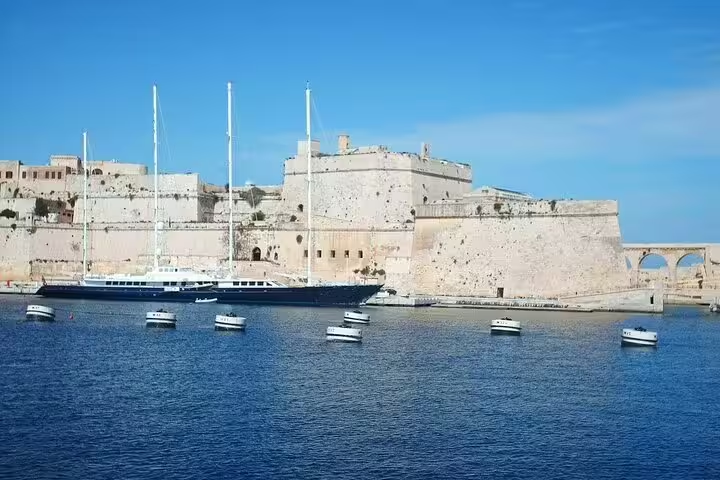
A visit built around the shore and architecture gives you a varied introduction, with Fond Għadir and Fort Tigné as focal points. At Fond Għadir, bathing pools cut into the rock are part of a rocky shoreline. Fort Tigné offers a different shape to look out for: its main body is diamond-shaped, with two faces and two flanks.
For an interest in buildings, Capua Palace gives you a reason to look beyond the shore. Capua Palace is an early 19th-century neoclassical palazzo, known for the columns on its façade. The Exhibition Rooms occupy a grand 19th-century house. St Julian's Tower adds coastal defence history, as part of the 13-tower group built by Grand Master De Redin.
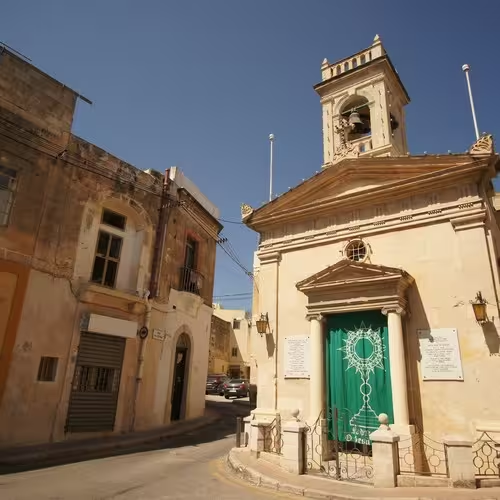
Religious art gives another focus to the visit, particularly the chapel of the Virgin of Divine Graces and Sacro Cuor church. The chapel holds paintings associated with Mattia Preti and his workshop, while Sacro Cuor has a statue of Our Lady made in 1879 by the Maltese sculptor Girolamo (Glormu) Darmanin. These make sense as priorities if paintings and sculpture interest you more than military architecture.
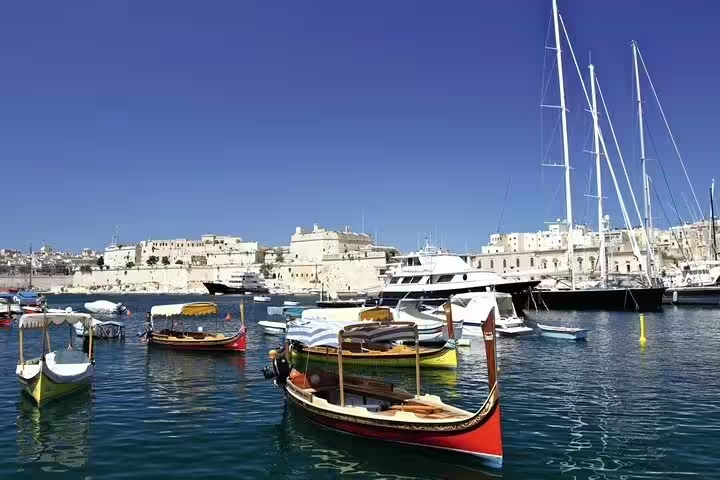
The ferry crosses Marsamxett Harbour directly from Sliema's Strand to Valletta. It links the town on the peninsula with Valletta across Marsamxett Harbour, making the crossing a practical way to connect the two visits.
For harbour sightseeing, a Valletta boat tour of Grand Harbour and Marsamxett Harbour lasts 1 hour and 30 minutes. It includes a cruise aboard a tour boat, historical and architectural commentary, harbour views and sightseeing of forts, churches, palaces and creeks.
Two days is a reasonable plan for Sliema and Valletta: devote the first to Fond Għadir, Fort Tigné and your preferred architecture, then the second to a ferry visit to Valletta. That keeps the local shore and buildings together before adding the harbour crossing.
A full-day excursion calls for a separate day rather than being squeezed into that plan. The guided Malta day tour of Mdina, Rabat and Dingli with lunch takes 8 hours. It includes a professional guide throughout, vehicle transport between stops, a guided Mdina walk, Rabat Catacombs, Dingli Cliffs, San Anton Botanical Gardens, Ta' Qali Crafts Centre and lunch during the Mosta visit.
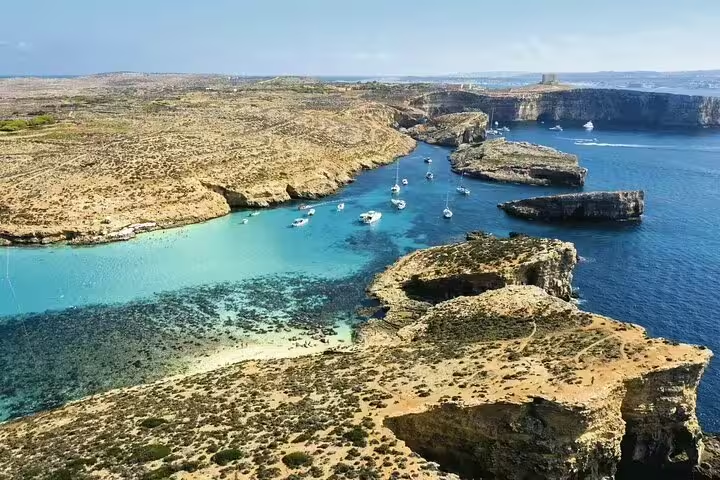
The full-day boat tour of Gozo, Comino and the Blue Lagoon also lasts 8 hours. It includes a Turkish gulet cruise, buffet lunch aboard, afternoon fruit platters and swimming stops at Gozo and the Blue Lagoon.
January suits travellers who prefer cooler days for walking, while August calls for a trip planned around heat. Average daytime highs in Malta are around 16°C in January and 32°C in August. For a visit focused on buildings, the cooler January figure may appeal; for a plan centred on the bathing pools at Fond Għadir, weigh that against the warmer August figure.
Yes, the TD3 bus connects Sliema and Malta International Airport.
Yes, the beach at Fortina, Tigné Point, has official dog-friendly designation.
Peace is the meaning of Sliem, the Maltese word associated with the name Sliema.