Last updated:


Birkirkara suits a visit focused on parish history and church art, with a traditional centre that survives among newer development. Its medieval roots appear in a church record from 1436, which lists Birkirkara among the parishes that already existed in Malta at the time.
A day focused on the traditional centre and the Basilica of Saint Helen is a sensible plan for a heritage visit. The centre gives the visit its setting, while the basilica brings together parish history, architecture and paintings. Windmills also belong to Birkirkara's historic building heritage alongside its churches, giving you another theme to look for beyond the basilica.
The parish church still carries the name Matrici, expressing its role as the mother church of neighbouring parishes. That relationship has a concrete example in Lija, which became a separate parish after leaving Birkirkara's parish on 6 February 1594.
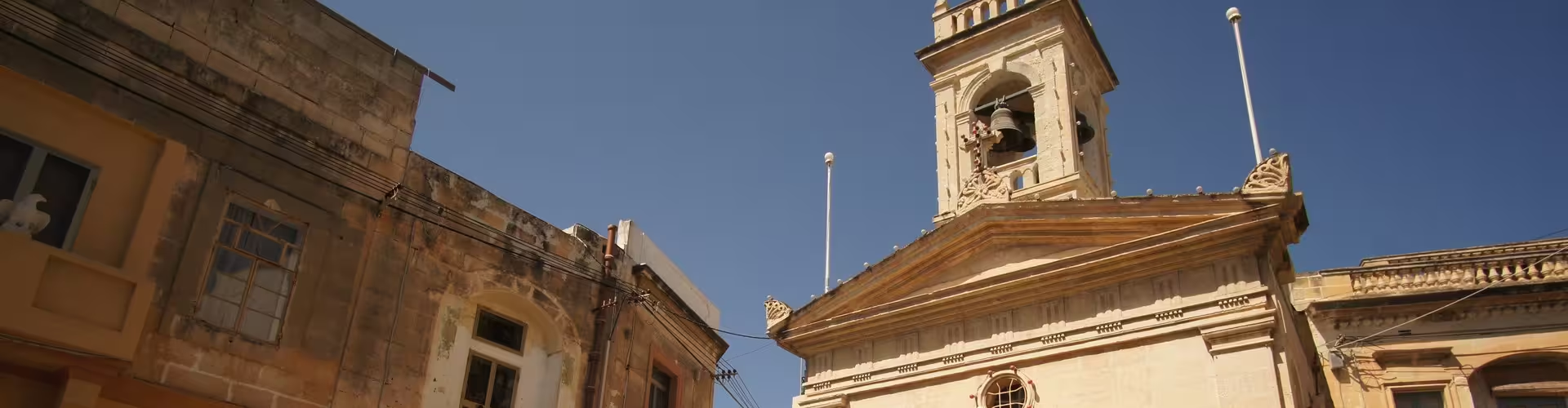
The paintings and the building itself deserve your attention together. The basilica holds several works by the Maltese Baroque painter Francesco Zahra. In the choir apse, his 1763 painting depicts Saint Helena discovering the true cross. The building draws strongly on Mdina Cathedral, designed by Lorenzo Gafà, so the architecture adds another connection to Malta's church heritage.
Its long development is more useful to understand as a sequence than as an isolated date. The Sancta Helena Regina Collegiate was established in 1630, and St Helen's church began serving its purpose after a blessing in 1745, before construction was complete. Consecration followed in 1782, and the church received basilica status in 1950. The full building project stretched over roughly 150 years.
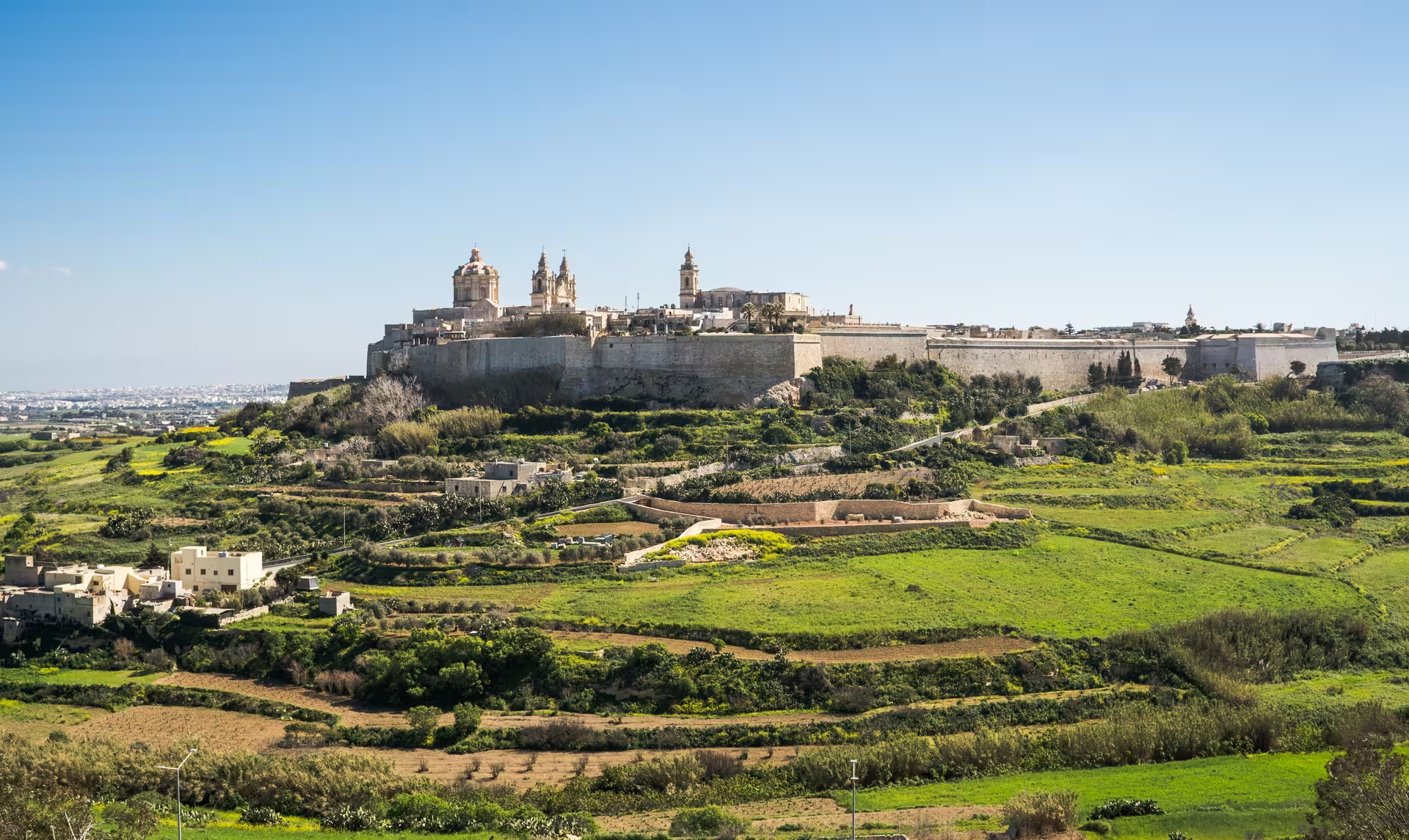
Attard, Lija and Balzan make a coherent next outing if parish history interests you. Known together as the Three Villages, they sit between Mdina, Malta's former medieval capital, and the Baroque capital, Valletta. Lija's former parish connection with Birkirkara gives that choice a link to what you have already explored, rather than simply adding another place to a list.
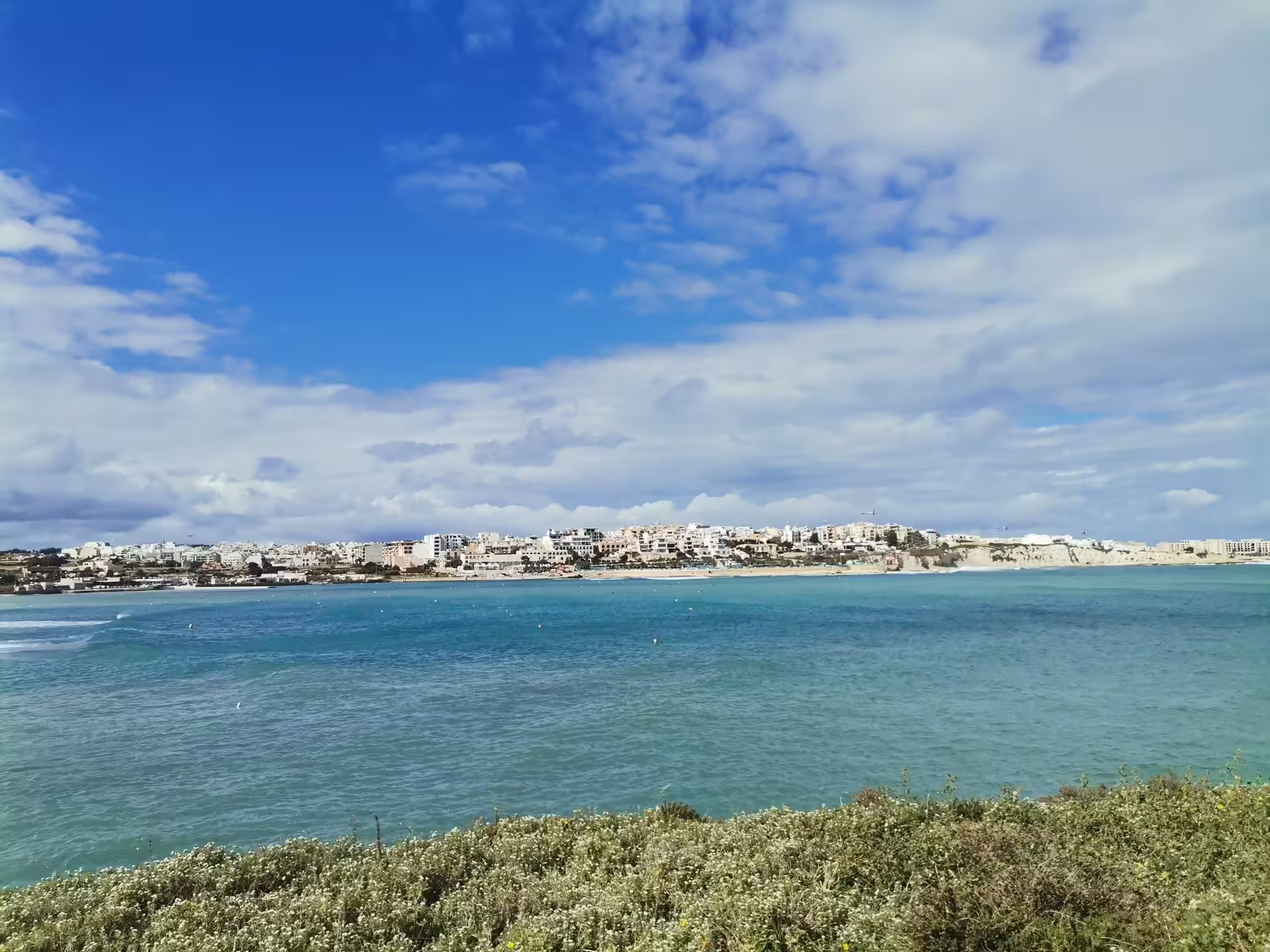
For a coastal outing, the guided hike and local picnic in Saint Paul's Bay lasts 4 hours. It includes a licensed professional hiking guide, a trail map, route briefing materials and a picnic of artisan food and drinks. Snorkelling equipment is included in the summer season only.
Summer suits a trip built around dry, sunny weather, provided you are comfortable with heat. Malta's summers are hot, although sea breezes often soften the daytime heat. Daily sunshine averages about 12 hours in summer, compared with 5 to 6 hours in mid-winter.
Spring and autumn still call for some flexibility with outdoor plans: occasional Scirocco winds from Africa bring unusually high heat and humidity. For a trip combining heritage with the beach, October can remain an option, since Malta's main beach season sometimes continues into the middle or latter part of that month. Malta receives around 568 mm of rain in an average year.
The basilica's large bell was lifted to a height of about 22 metres in the belfry.
The bell first sounded on 25 January, for the feast of the Conversion of Saint Paul.
Together, Attard, Lija and Balzan have a population of no more than 18,000.