Venice: what to see and how to plan your visit
Plan Venice around its historic centre and lagoon islands, with time for both monuments and island traditions. The city sits within its namesake lagoon in the Adriatic Sea, with around 400 bridges linking more than 100 small islands.
How many days should you spend in Venice?
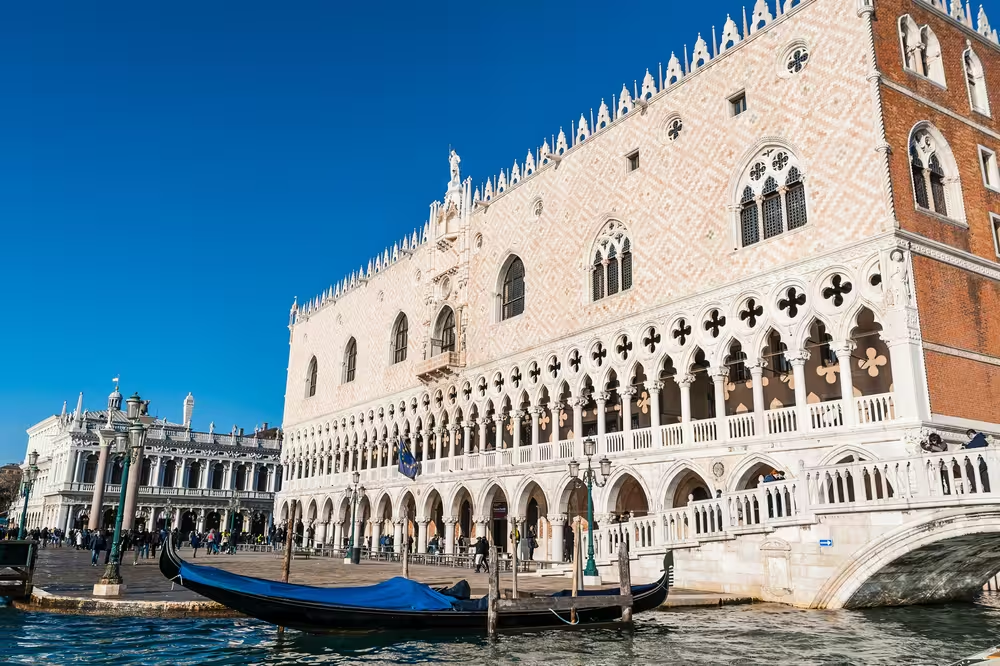
Two days would let you give one day to St Mark's Basilica and the Doge's Palace, and another to Murano and Burano. On the city day, pair the basilica's golden altarpiece with the Bridge of Sighs, which links the Doge's Palace and the Prigioni Nuove prisons. On the island day, make glassmaking and lace-making your focus: Venice's glassworks were ordered to move to Murano in 1291, while Burano's lace tradition began in the 16th century.
What should you focus on around St Mark's Square?
St Mark's Basilica is worth prioritising if you want to look closely at craftsmanship. Its golden Pala d'Oro altarpiece was made and enlarged in several phases between the 10th and 14th centuries. The church became the city's cathedral in 1807, having served as a palatine church until the Republic fell.
For the architecture outside, pair the trapezoidal square with the 98.6-metre bell tower beside the basilica. Keep this part of your plan flexible during high tides, when the square can flood easily.
Which lagoon islands suit your interests?
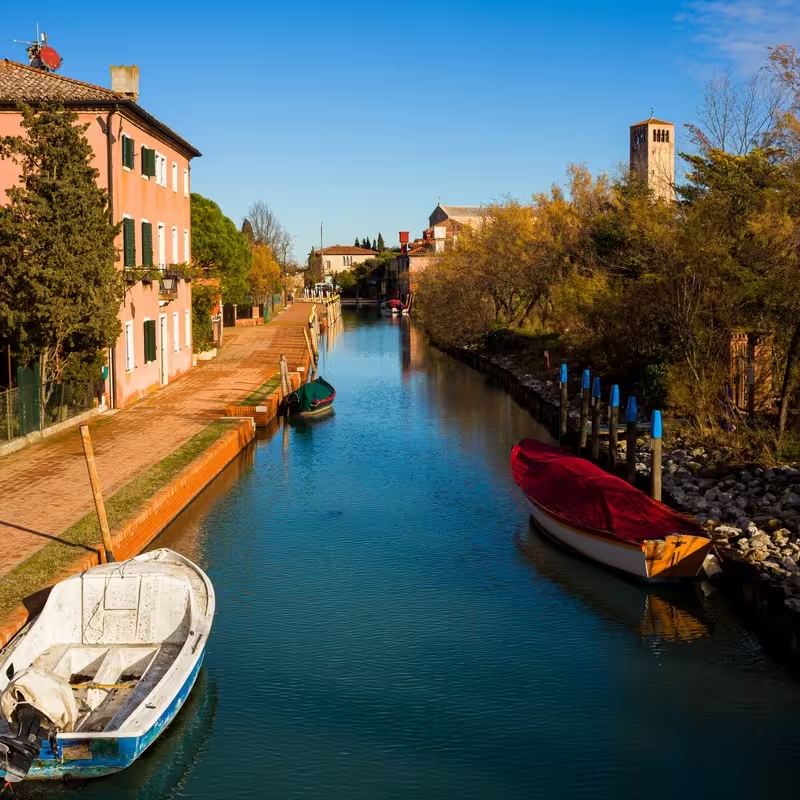
Murano suits an interest in glassmaking, while Burano gives you lace-making and colourful houses to focus on. On Murano, canals divide seven islands linked by bridges, and the Gothic Palazzo da Mula houses municipal offices. On Burano, the bright house colours are traditionally explained as a way for fishermen to find their way through lagoon fog. Fishing is a traditional activity on the island, while tourism is now its main source of income.
Where can you explore Jewish history?
The Ghetto in Cannaregio gives you a focus for exploring Venice's Jewish history. Jewish residents were confined there from 1516 until Napoleon ended segregation in 1797. Two bridges connected the area with the rest of Venice and were closed at night.
When should you visit Venice?
For an art or architecture trip, plan around the Biennale season from April or May to November. The art and architecture exhibitions take turns in alternate years, so the year matters as well as the month. For a trip centred on the squares, allow for high water in autumn and winter, particularly November and December. That risk is a reason to keep your plans for St Mark's Square flexible.
How should you plan your way around Venice?
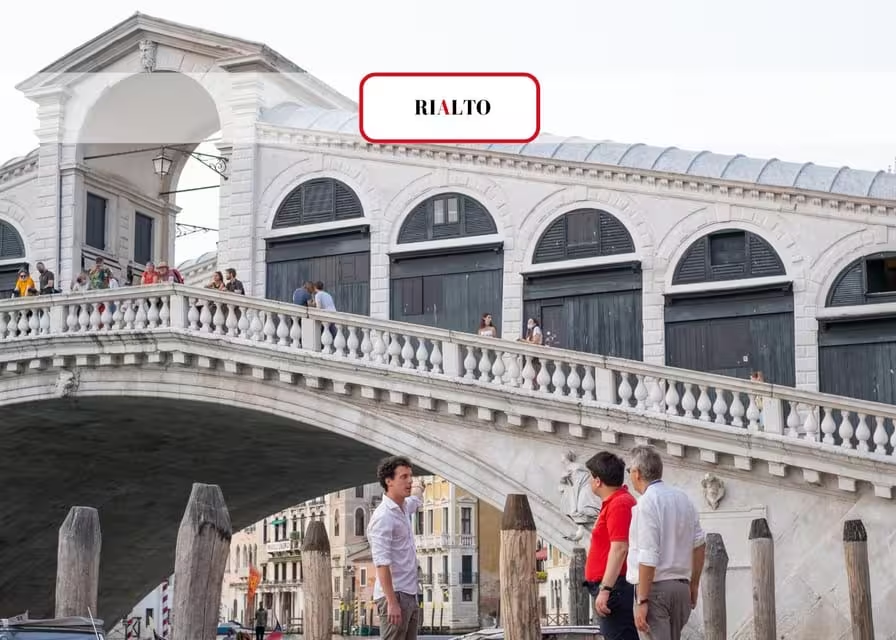
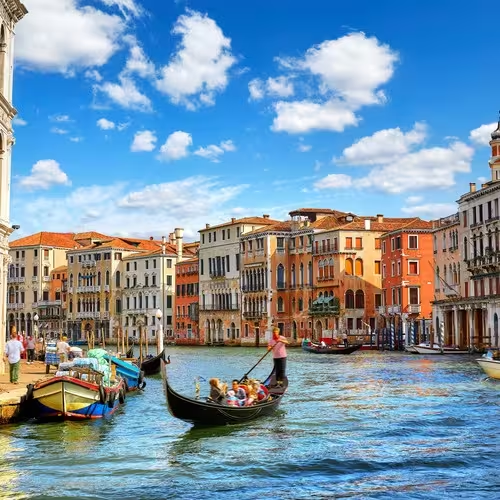
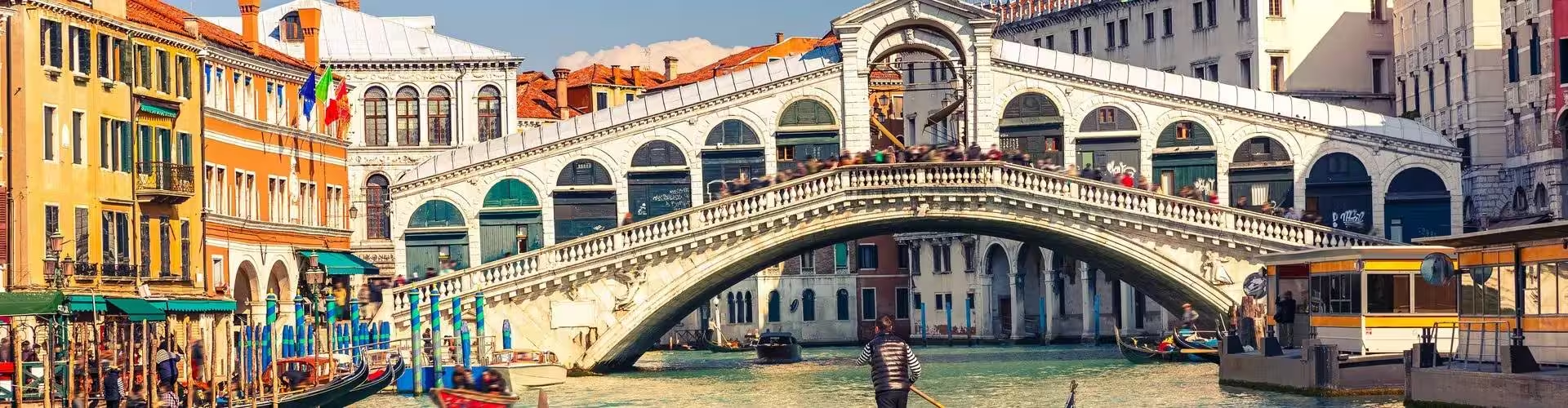
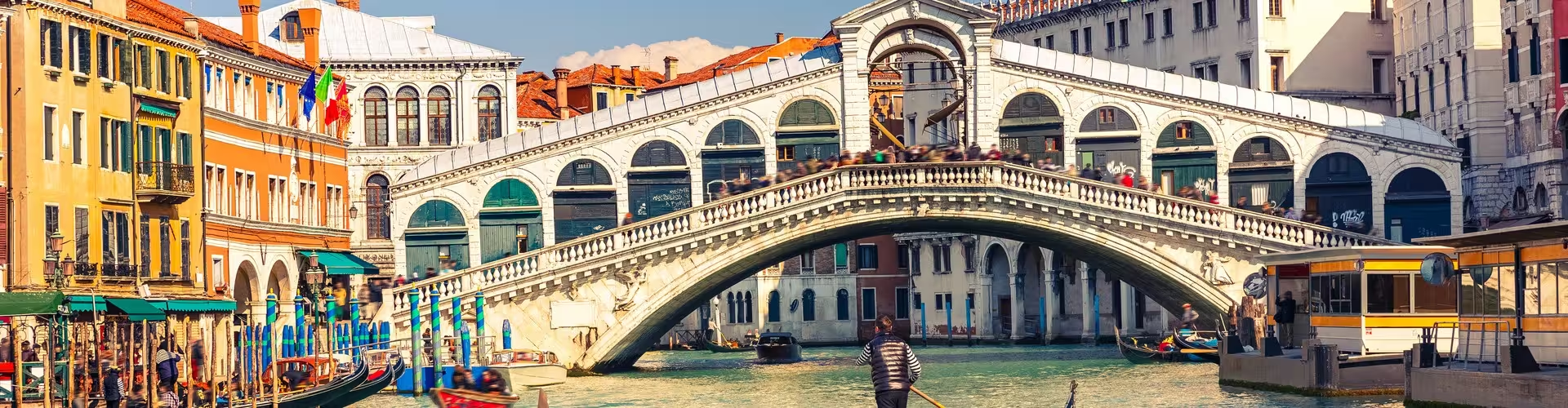
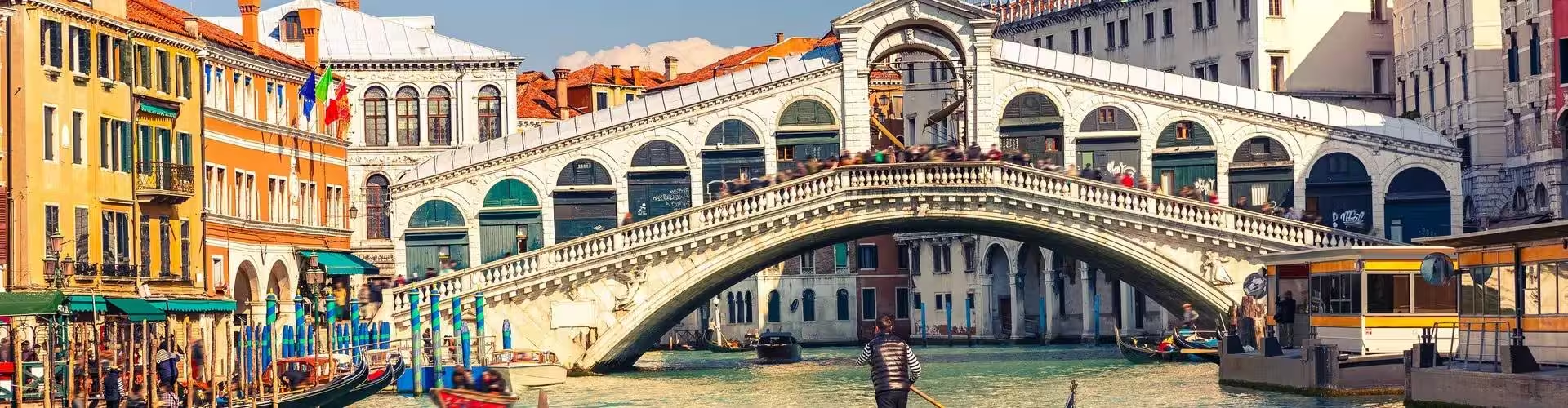
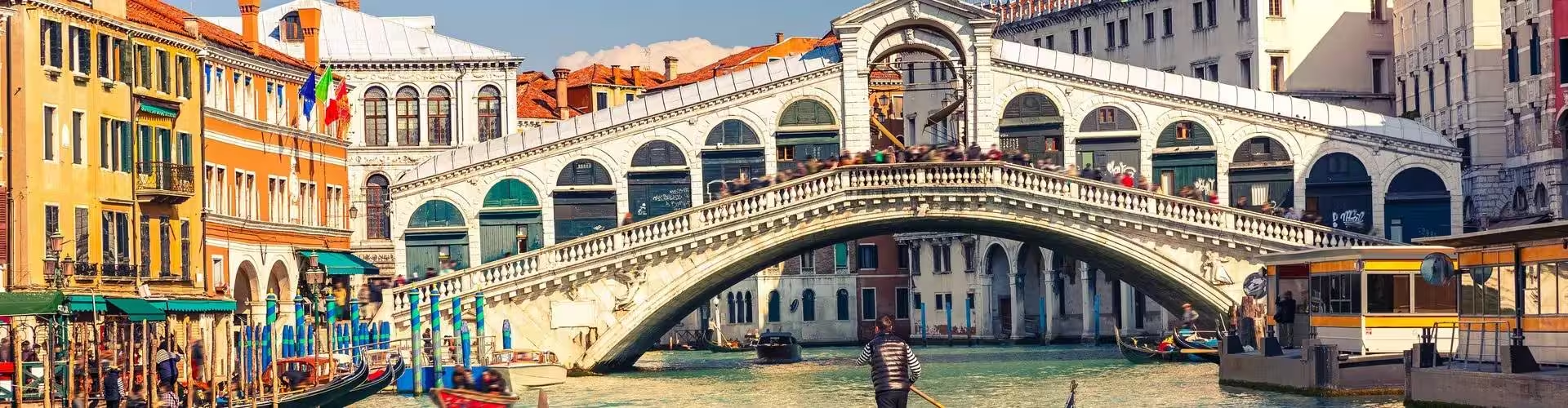
Plan walks in sections, using the Grand Canal and the sestieri to organise your route. The canal cuts the historic centre into two halves, and the centre has six districts known as sestieri.
The self-guided adventure walking game and city tour lasts 1 hour and includes digital game access, a story across ten stops, puzzles and directions between stops. The private guided photo session and walking tour in Venice lasts 2 hours and includes a professional local photographer with photography guidance throughout.
How many days do you need in Venice?
Two days would give you one day for St Mark's Basilica and the Doge's Palace, and another for Murano and Burano.
When should you visit Venice for art?
April or May to November is the Biennale season, with art and architecture exhibitions held in alternate years.
How can you plan walks around Venice?
Organise walks by the six sestieri and the Grand Canal, which divides the historic centre into two halves.
Which islands can you include in a Venice trip?
Murano and Burano suit a day focused on glassmaking, lace-making and colourful houses.
When is high water a concern in Venice?
Autumn and winter bring a risk of high water, particularly in November and December, and St Mark's Square floods easily at high tide.
Frequently asked questions