Montepulciano: what to see and do
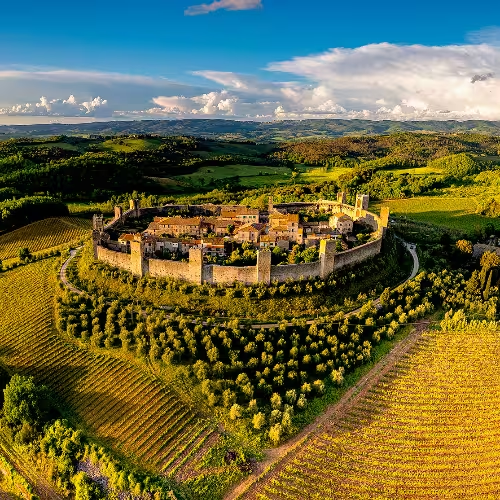
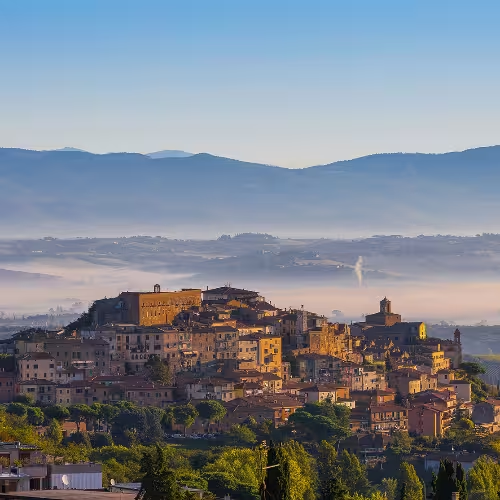
Montepulciano suits a trip built around architecture and wine: medieval and Renaissance buildings give the hill town its character, and the surrounding area produces wine.
Its limestone ridge rises to 605 metres, between the Valdichiana and the Val d'Orcia.
What should you see in Montepulciano?
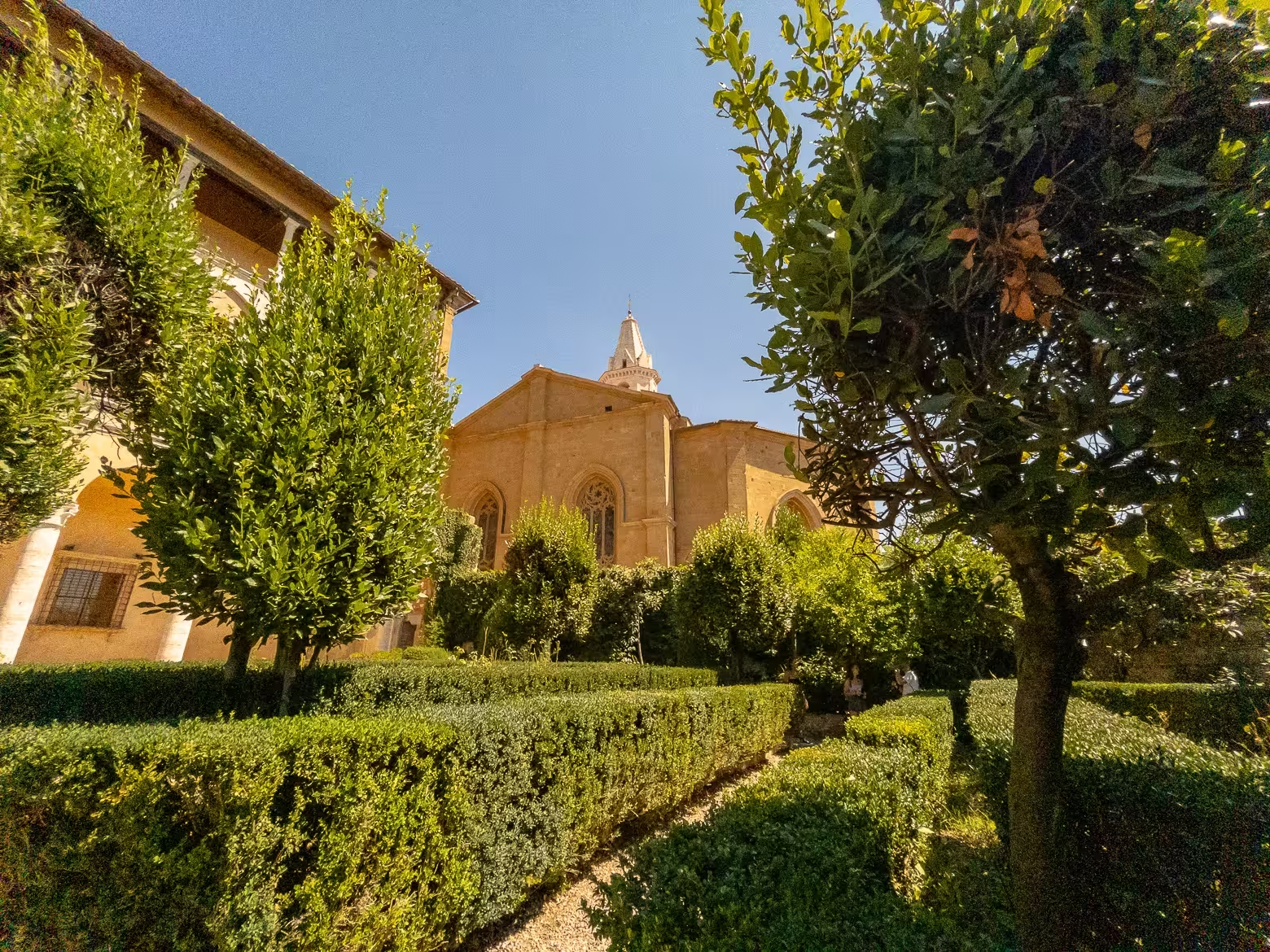
The route from Porta al Prato to Piazza Grande gives your sightseeing a clear thread, following the town's main street, which climbs uphill for about 1.5 km. At Piazza Grande, the cathedral and its forecourt give you a place to pause. Santa Maria Assunta Cathedral, also called the Duomo, was built to a design by Ippolito Scalza from the late 16th century and largely completed by 1680.
For another architectural connection, Michelozzo's Palazzo Comunale echoes Palazzo Vecchio in Florence. San Biagio offers a reason to extend your architectural itinerary: Antonio da Sangallo the Elder designed this Tuscan church in the 16th century. Palazzo Contucci is also his work, while the Fortezza Medicea is attributed to him.
What should you taste?
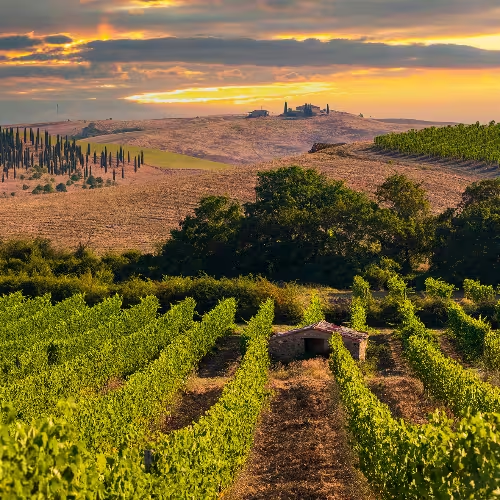
Vino Nobile di Montepulciano is a useful focus for a wine visit, with rules covering both its grapes and ageing. Sangiovese, called Prugnolo gentile locally, accounts for at least 70 percent; the wine ages for at least two years, including at least one year in wood. Its DOCG status dates to 1980, with oversight from a consortium.
The guided winery tour and wine tasting in Montepulciano lasts 1 hour and 30 minutes, including a guided winery and vineyard visit, four estate wines, local cured meats and Pienza Pecorino cheese, plus apple juice for underage guests.
The stone cellar wine tasting with food pairings in Montepulciano lasts 1 hour and includes local wines, regional food pairings, a guided historic stone cellar experience and commentary on local wines and traditions.
For a meal focused on regional food, look for pici, thick pasta rolled by hand with origins in the province of Siena, and Pecorino toscano, a firm sheep's milk cheese from Tuscany.
How many days should you allow?
One day is a practical plan for the town; two days let you give Pienza a separate day. Spend the town day following the main street to Piazza Grande and the cathedral, then make San Biagio your architectural addition. On the second day, make Pienza your destination: it lies 13 kilometres west of Montepulciano.
When should you visit?
Summer suits a trip for warm, breezy weather, while the last Sunday in August suits an interest in local traditions. The Bravio delle Botti sends barrels racing through town, with eight contrade competing each year.
Winter calls for layers because temperatures change considerably during the day in this sub-Mediterranean climate.
How should you get around?
The main street is a straightforward route to follow on foot between Porta al Prato and Piazza Grande. That connection gives you a clear way to organise the town visit around the cathedral at Piazza Grande.
Which day trip fits a wine-focused visit?
A Val d'Orcia wine tour fits a day devoted to wine and food beyond the town. The Val d'Orcia received UNESCO World Heritage recognition in 2004.
The private Brunello and Nobile wine tour in Val d'Orcia lasts 8 hours and includes a private driver and environmental guide, guided underground cellar visits and wine tasting in Montepulciano, a Tuscan cellar lunch, a guided Pienza visit with Pecorino tasting, a guided Brunello winery cellar visit in Montalcino, six wines including Brunello Riserva, and Val d'Orcia film-location stops.
Frequently asked questions
How many days do you need in Montepulciano?
One day covers the suggested town itinerary; allow two to give Pienza a separate day.
When should you visit Montepulciano?
Summer suits warm, breezy weather; the last Sunday in August brings the Bravio delle Botti.
How can you explore Montepulciano on foot?
Follow the main street, which climbs uphill for about 1.5 km, from Porta al Prato to Piazza Grande, where the cathedral stands.
Can you visit Pienza as a day trip?
Yes, Pienza is the suggested second-day destination, 13 kilometres west of Montepulciano.
What wine should you try in Montepulciano?
Vino Nobile di Montepulciano is the suggested focus, made with at least 70 percent Sangiovese, locally called Prugnolo gentile.