Last updated:


Oristano rewards a stay split between churches, art and time by the sea on Sardinia's western coast. Its setting on the Campidano plain puts the town and its coastal surroundings at the heart of that plan.
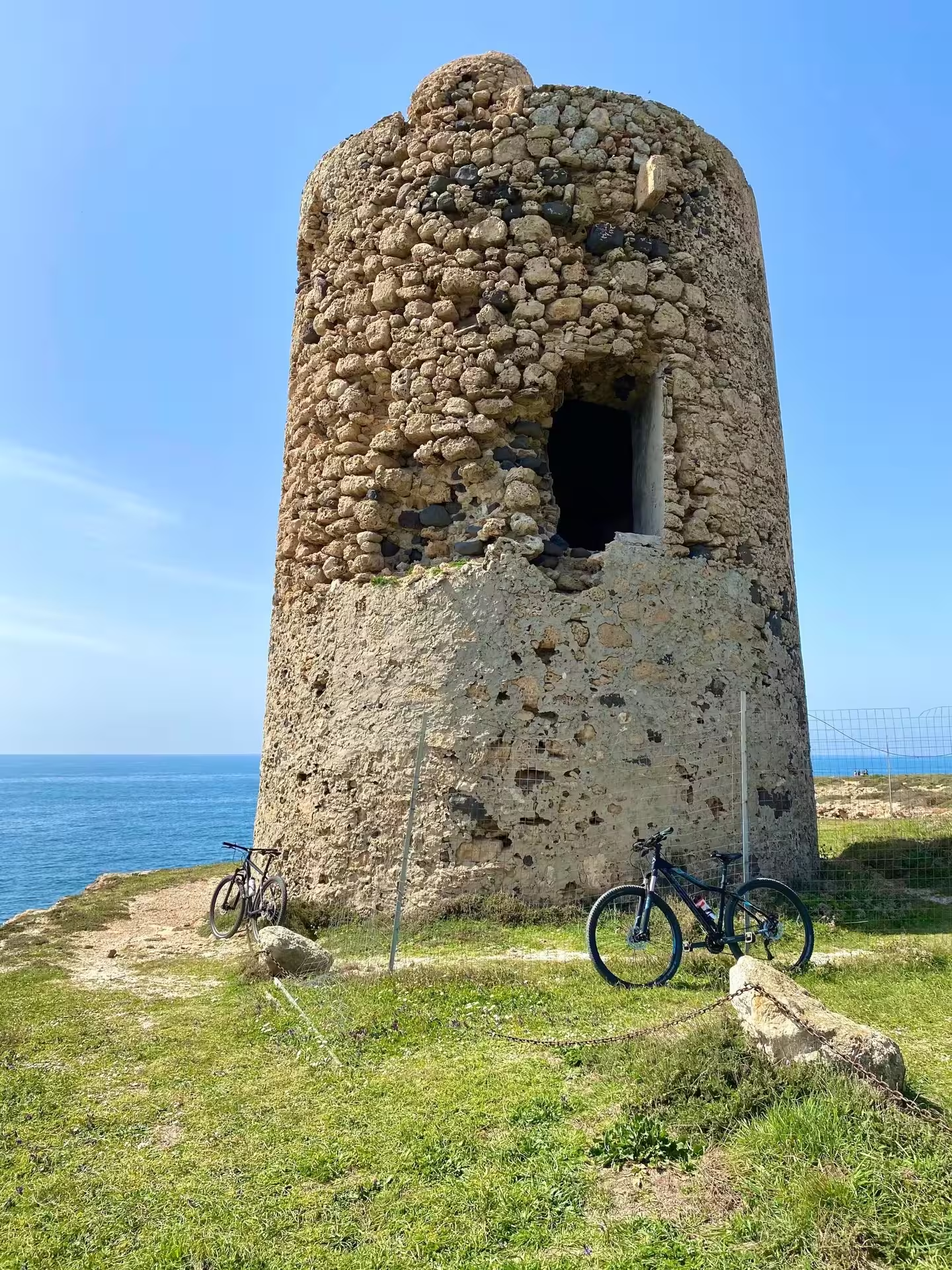
Two days would let you devote a day to the cathedral, San Francesco and the Antiquarium Arborense, followed by a day around Torre Grande. The town day brings together religious art and archaeology; the coastal day centres on the seaside settlement and its cylindrical defence tower.
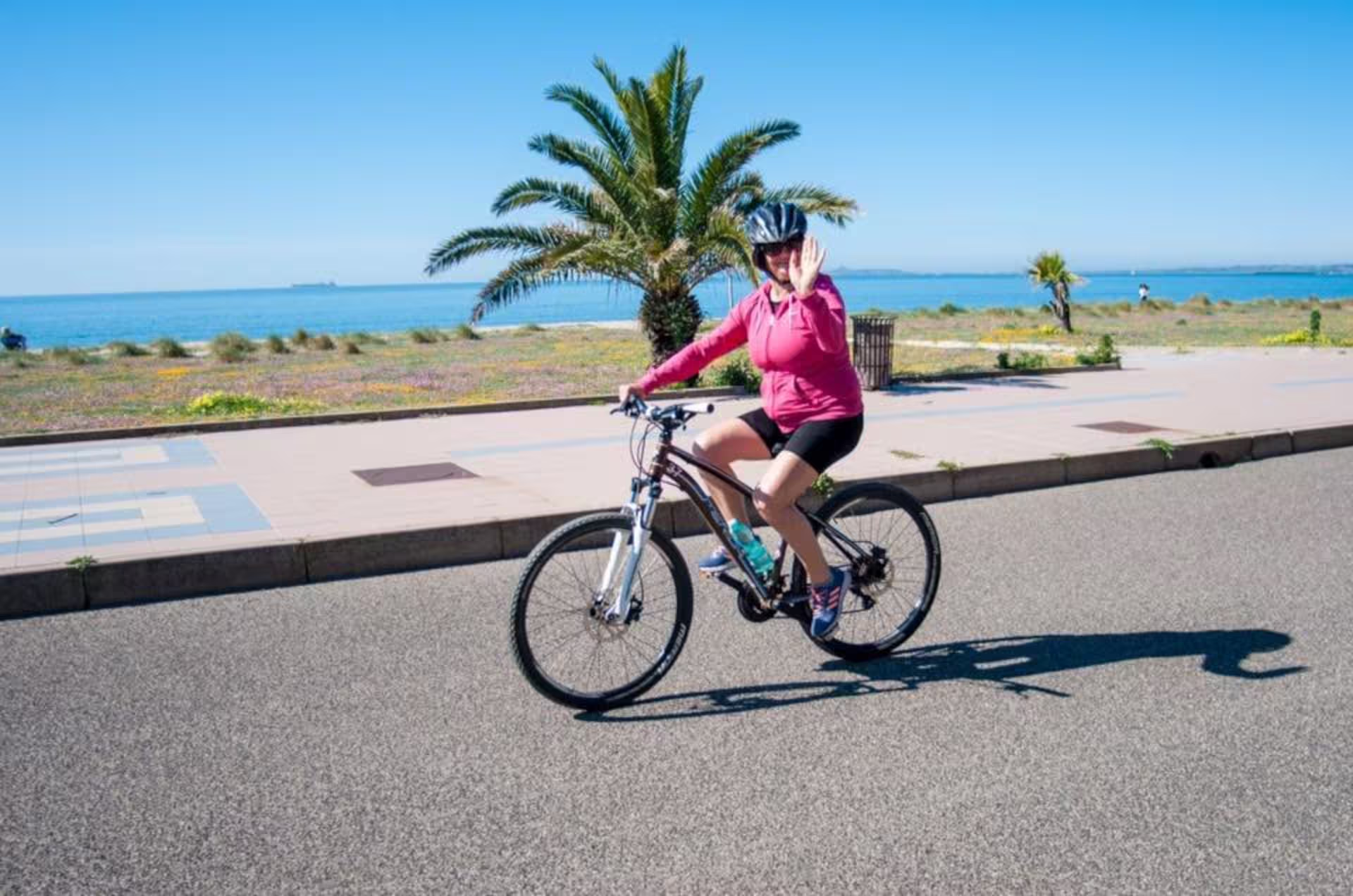
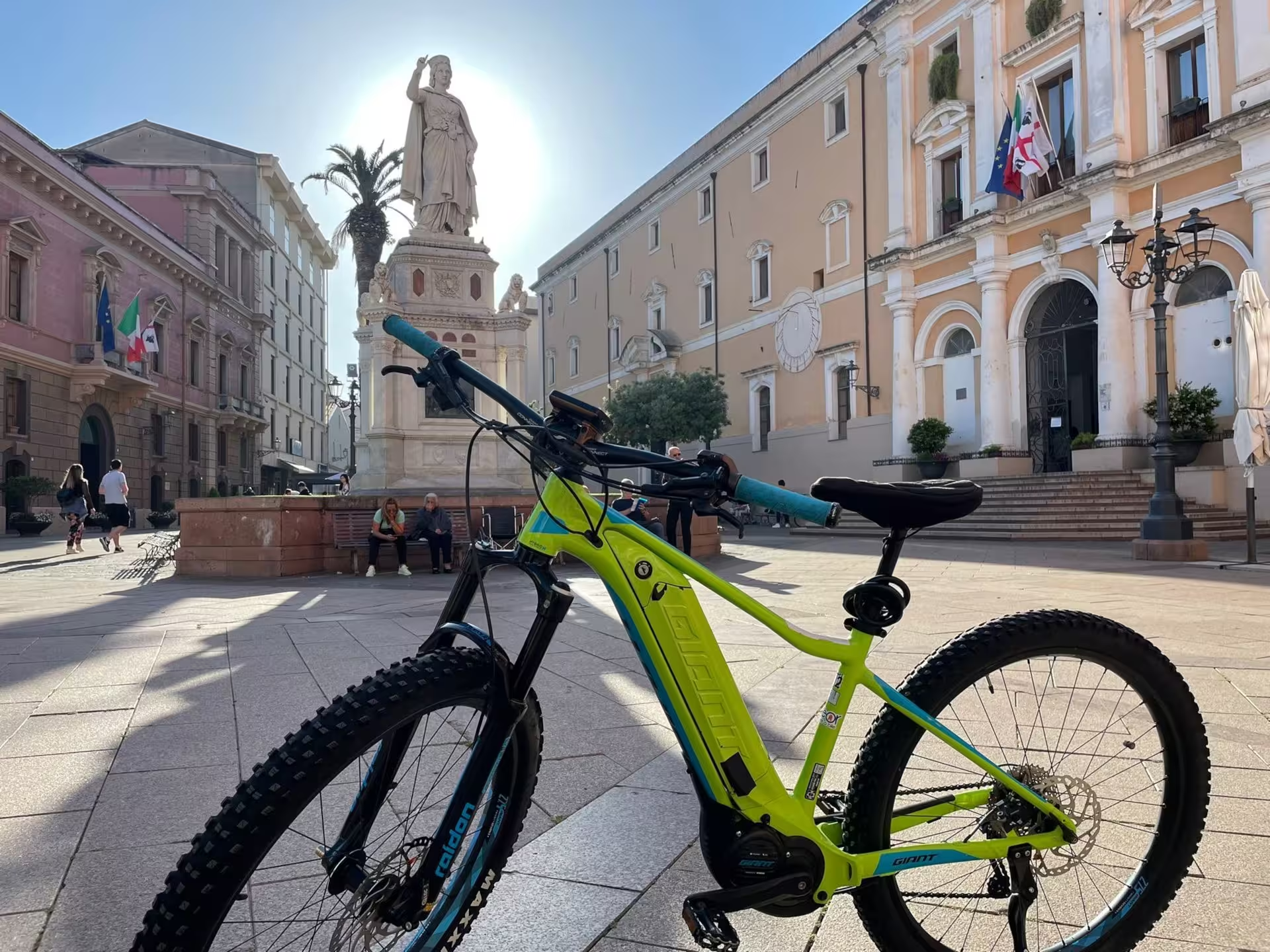
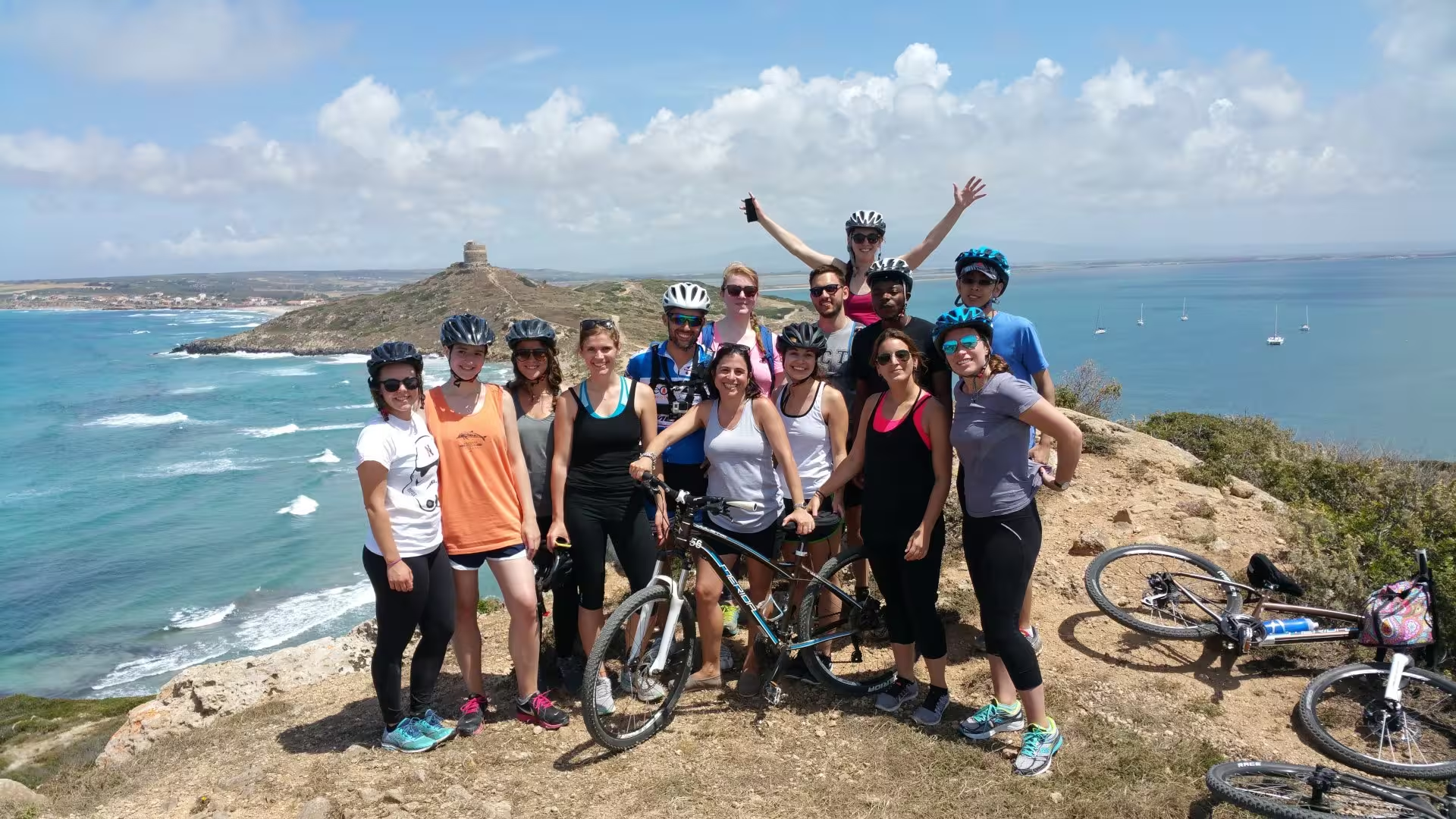
A cycling day can take the place of that coastal outing if you prefer to explore under your own steam. If you want a whole day to explore at your own pace, the Oristano e-bike rental offers a full-day bike hire with a pre-ride briefing.
If religious art interests you, pair the cathedral of Santa Maria Assunta with San Francesco, home to the carved wooden Crucifix of Nicodemus.
Outside, the red trachyte mouldings on Palazzo Arcais give you a detail to look for on its facade. At the monument to Eleonora d’Arborea, attention belongs at the foot of the statue: the bronze reliefs show the promulgation of the Carta de Logu. The Carmine is worth including if Baroque architecture appeals to you, with its church and monastery forming a single building.
The Antiquarium Arborense is the stop for archaeology; the Carlo Contini gallery is the choice for paintings and other artworks. Palazzo Parpaglia houses the archaeological museum, while the gallery has work by Giuseppe Biasi, Antonio Corriga and Maria Lai.
Ceramics enthusiasts can put the Terracotta ceramics documentation centre on their town itinerary. Oristano also belongs to the Italian Association of Ceramic Cities, so ceramics deserve attention alongside its art collections.
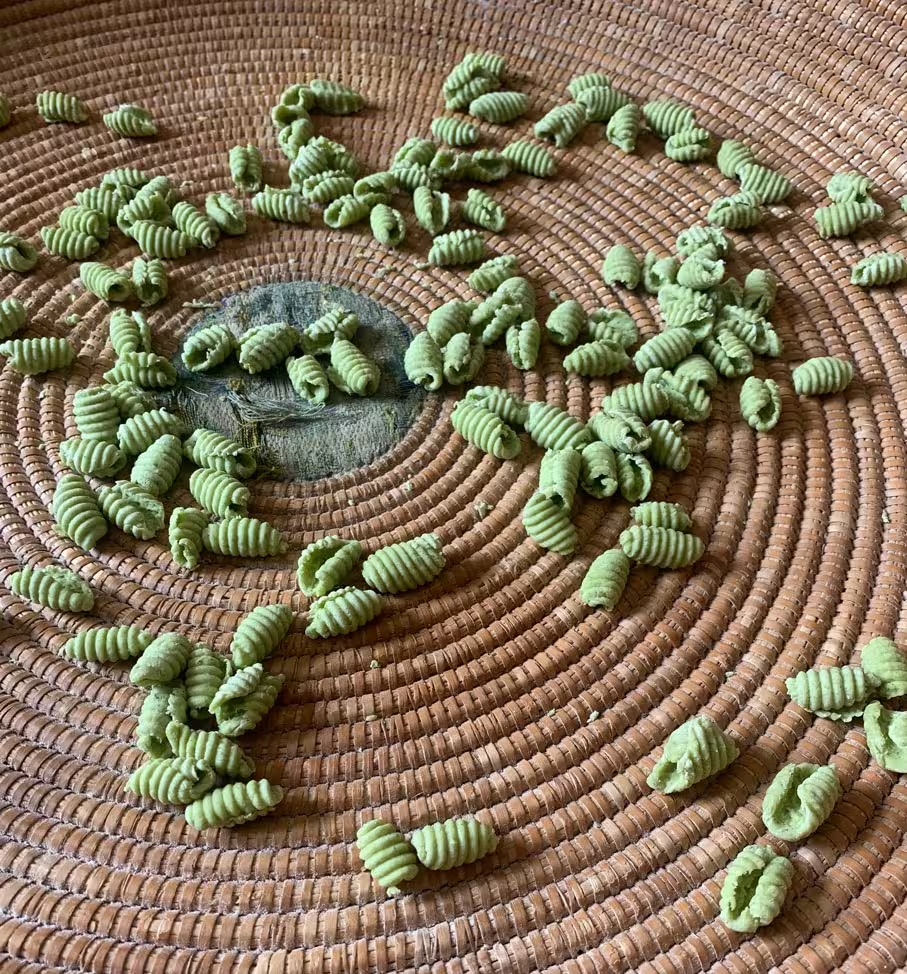
Making pasta is an option if you want to do something hands-on between visits to monuments. If you would enjoy making your own lunch, the Oristano pasta workshop lets you prepare malloreddus and eat the result. For a sweet to look out for, mostaccioli di Oristano have a traditional diamond shape.
Carnival is the time to come for Sa Sartiglia, with the equestrian event taking place on the final Sunday of Carnival and on Shrove Tuesday. The spectacle centres on the Componidori trying to pass a sword through a hanging star while on horseback. The celebrations begin officially at Candlemas on 2 February, so that opening occasion and the riding event are distinct moments to plan around.
In January, leave time in your plan for the museum and gallery. An art-focused town day is an option if you would rather break up outdoor sightseeing.
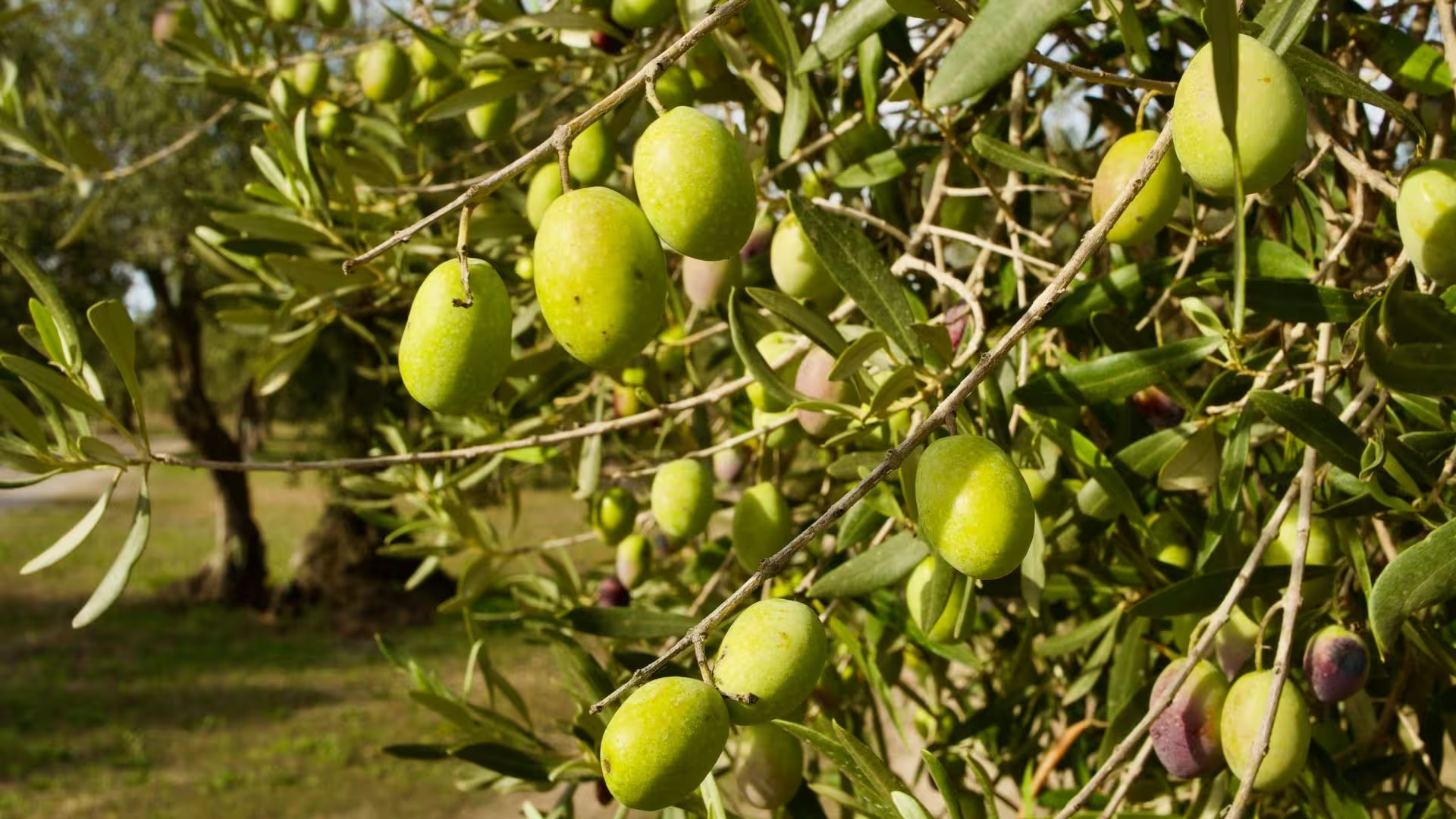
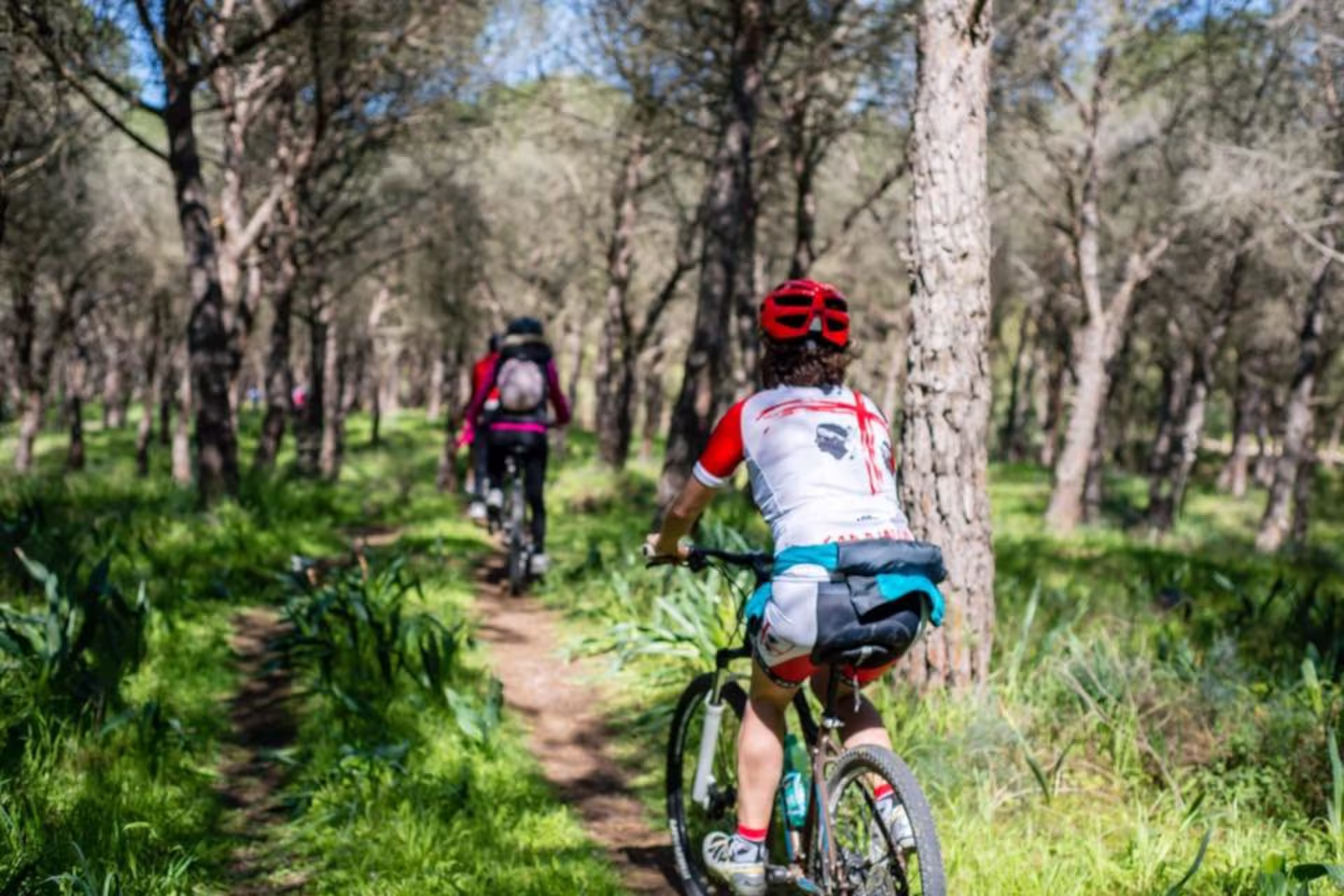
The urban bus is an option for reaching the sea, linking Oristano with Torre Grande. If flat coastal cycling appeals to you, the Oristano coastal cycling tour around Torregrande follows flat routes with a cycling guide. If you prefer hills and olive groves, the guided Sinis Peninsula bike tour takes that approach to exploring the peninsula.
Rail is also an arrival option: journeys from Cagliari Elmas Airport to Oristano can take as little as 47 minutes.
Yes, the Oristano area includes the Penisola del Sinis and Isola di Mal di Ventre Marine Protected Area, established in 1997.
Around 30,000 people live in the town.
Yes, Oristano became the capital of a Sardinian province on 16 July 1974.