Olbia in Sardinia
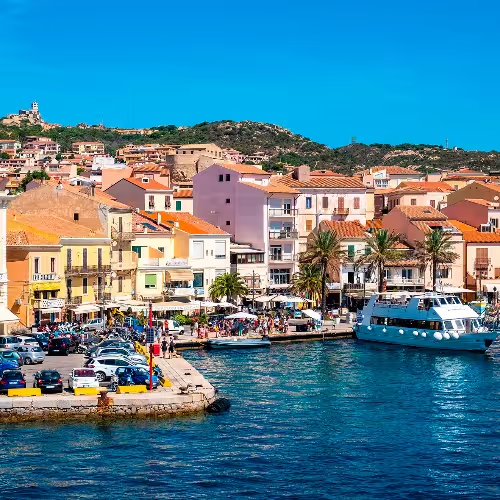
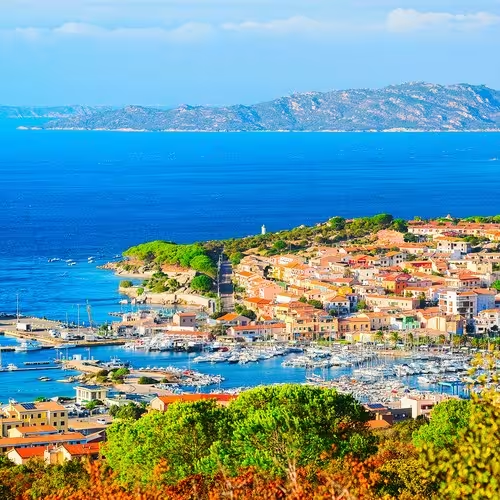
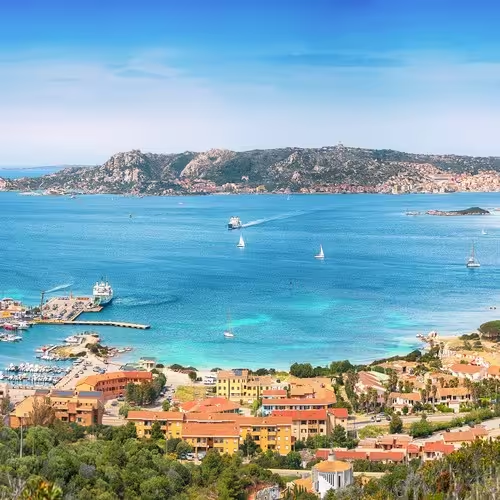
Olbia belongs to the historic region of Gallura, in northeastern Sardinia, Italy. The name Olbia has Greek roots. The town provides a connection between Sardinia and the Italian peninsula.
Costa Smeralda
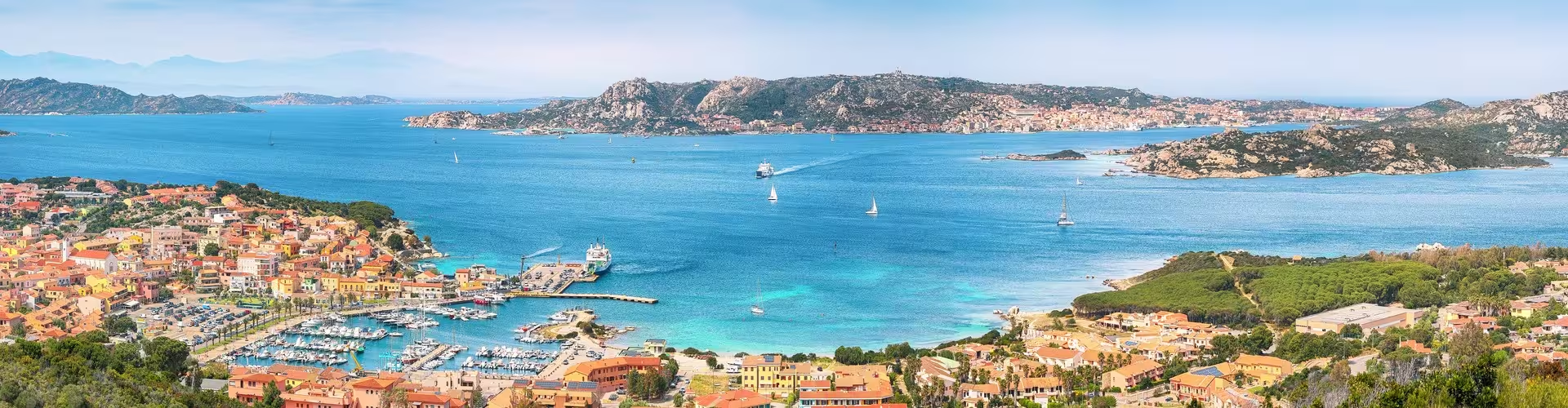
Close to Olbia, Costa Smeralda is a tourist destination along the coast of northern Sardinia. Development of the area began in the early 1960s.
Tavolara and the marine protected area
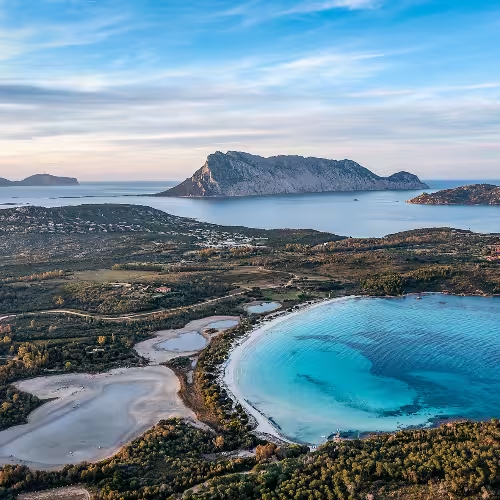
The small island of Tavolara lies offshore from northeastern Sardinia. Its limestone massif measures about 5 kilometres in length and 1 kilometre in width. Monte Cannone rises to 565 metres above sea level. Tavolara and its surrounding waters belong to the Tavolara and Punta Coda Cavallo Marine Preserve, established in 1997. The protected area encompasses about 15,000 hectares of sea and more than 70 kilometres of coast.
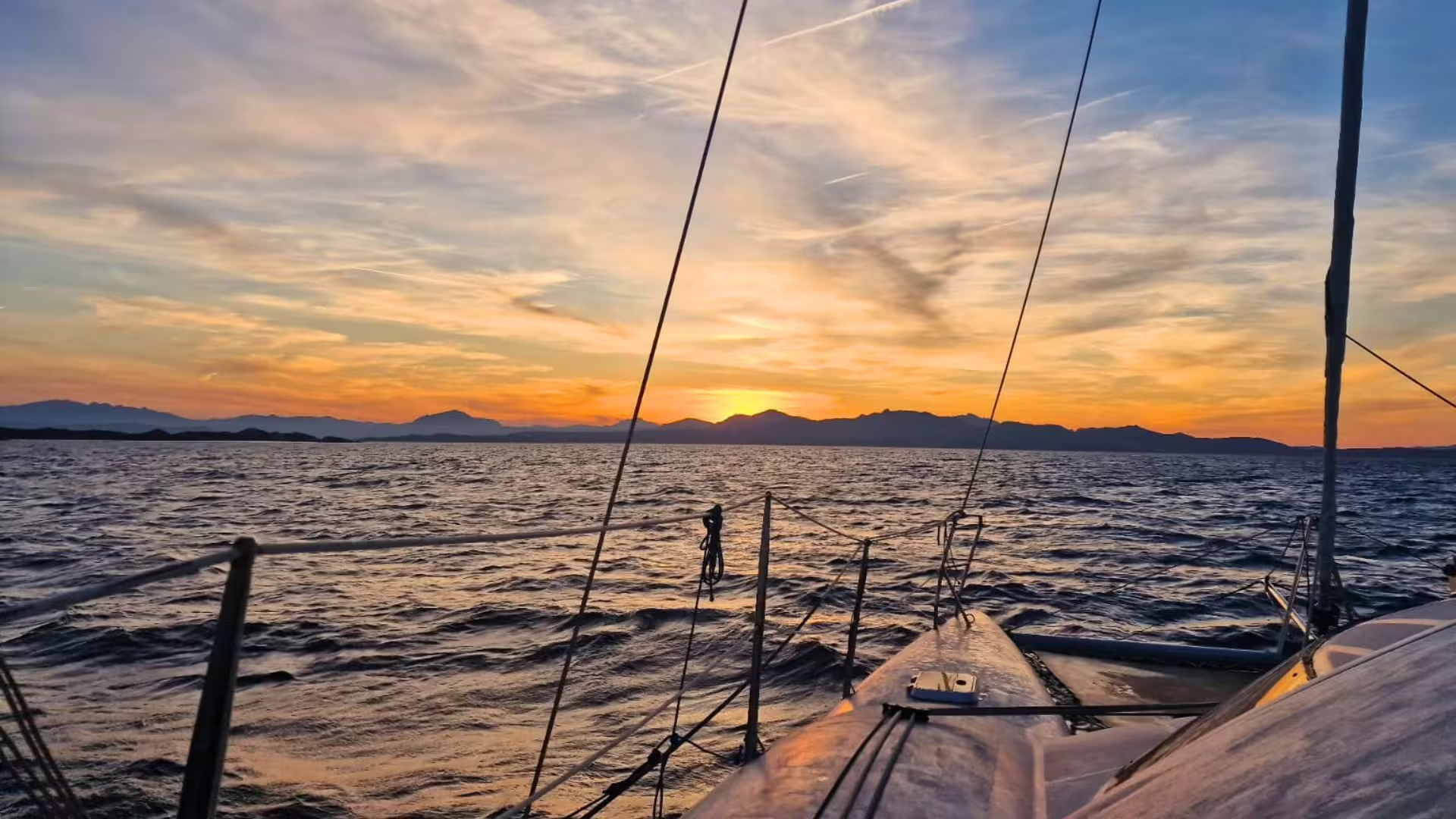
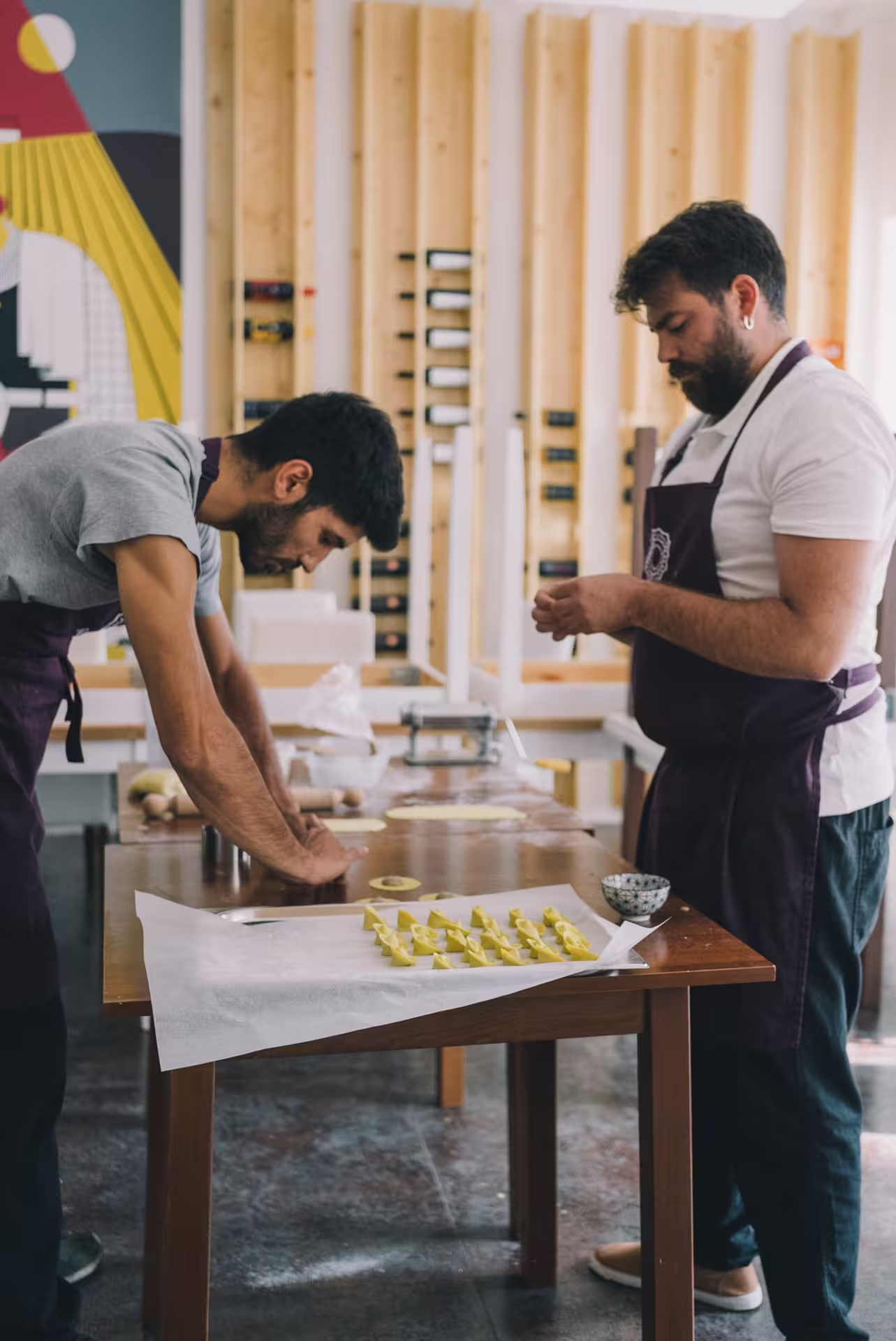
A catamaran day tour in Tavolara Park from Olbia lasts 8 hours and 30 minutes. It includes a Bali Catspace catamaran charter, crew and skipper, an aperitif of Sardinian products, a pasta lunch on board, chilled Vermentino wine and beer, fresh fruit, Sardinian sweets, myrtle liqueur and snorkelling stops in protected coves.
History and heritage in Olbia
In Roman times the town bore the name Olbia; in the Middle Ages it was Civita, followed by Terranova Pausania until 1939, when the town took back the name Olbia. From 1113, the Diocese of Civita had its episcopal seat here. In 259 BC, consul Lucius Cornelius Scipio failed in his attempt to end Carthaginian rule in Olbia. Roman rule extended over Sardinia, including Olbia, in 238 to 237 BC. The Roman town occupied the earlier Punic settlement and retained its defensive perimeter. Surviving ruins span the Nuragic and Roman periods. Remnants of a Roman forum, an aqueduct and Carthaginian walls remain in Olbia. San Simplicio is a former cathedral in the Romanesque style, dating to the 11th and 12th centuries. The Archaeological Museum occupies Peddone Island opposite the old port. Its collection spans prehistory through the 19th century. A small medieval boat wreck is displayed in room 3. On the outskirts of Olbia, the sacred well of Sa Testa stands a few hundred metres from the sea. It dates to the Late Bronze Age, in the 12th and 11th centuries BC. Its construction uses local schist and granite, with trachyte for the first stairway step. A tholos covering the well reaches a height of 5 metres.
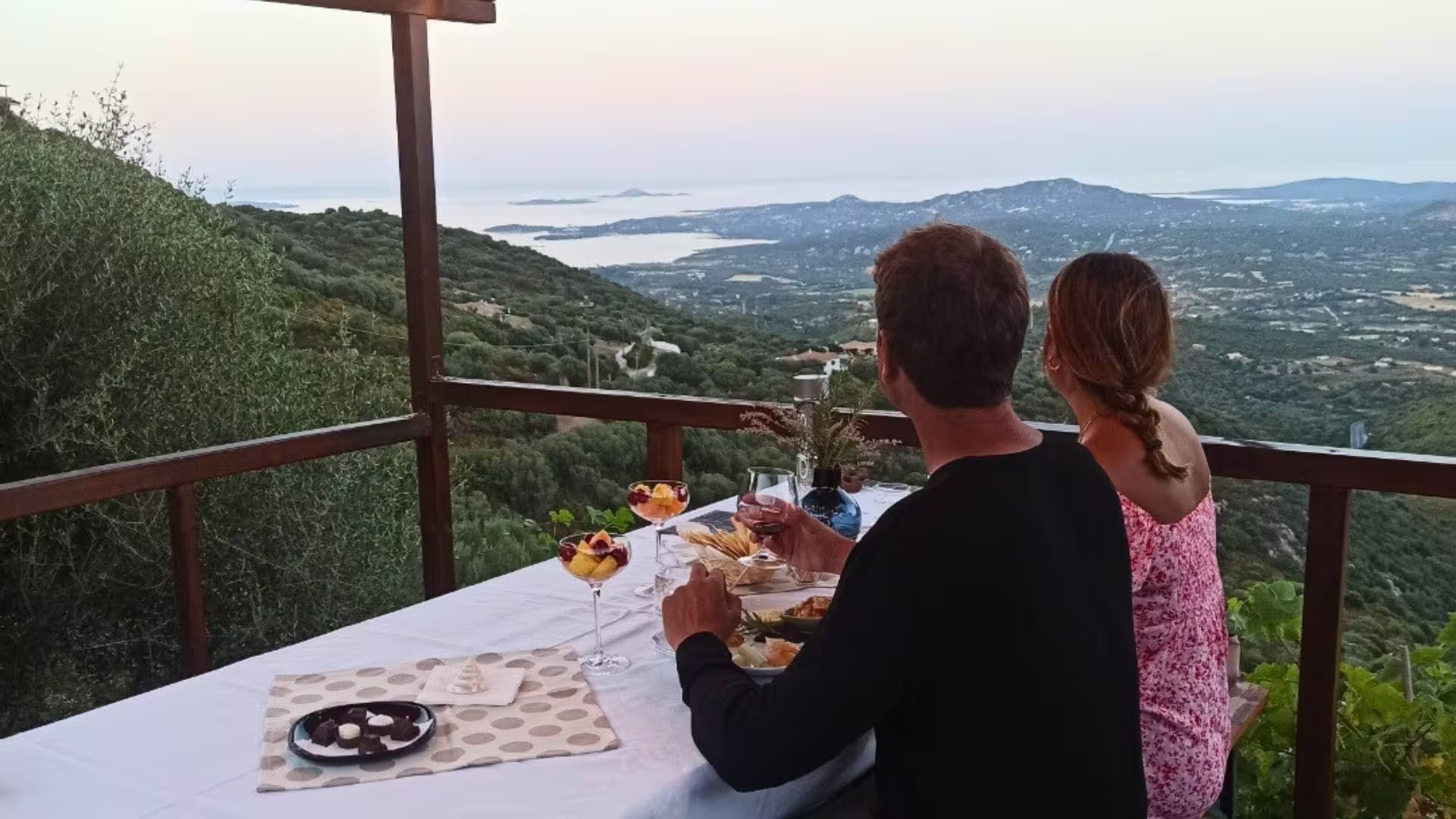
The guided Olbia tour with history, nuraghi and a scenic aperitif lasts 6 hours. It includes a licensed guide, guided visits to the Cabu Abbas nuraghe, Sa Testa sacred well and Monte e S'Abe giants' tomb, visits to Pedres castle ruins, San Simplicio and Olbia's historic centre, and an aperitif of Sardinian specialities at a panoramic viewpoint.
Gallura and its language
Gallurese is native to Gallura and is recognised and promoted by Sardinian Regional Law 26/1997.
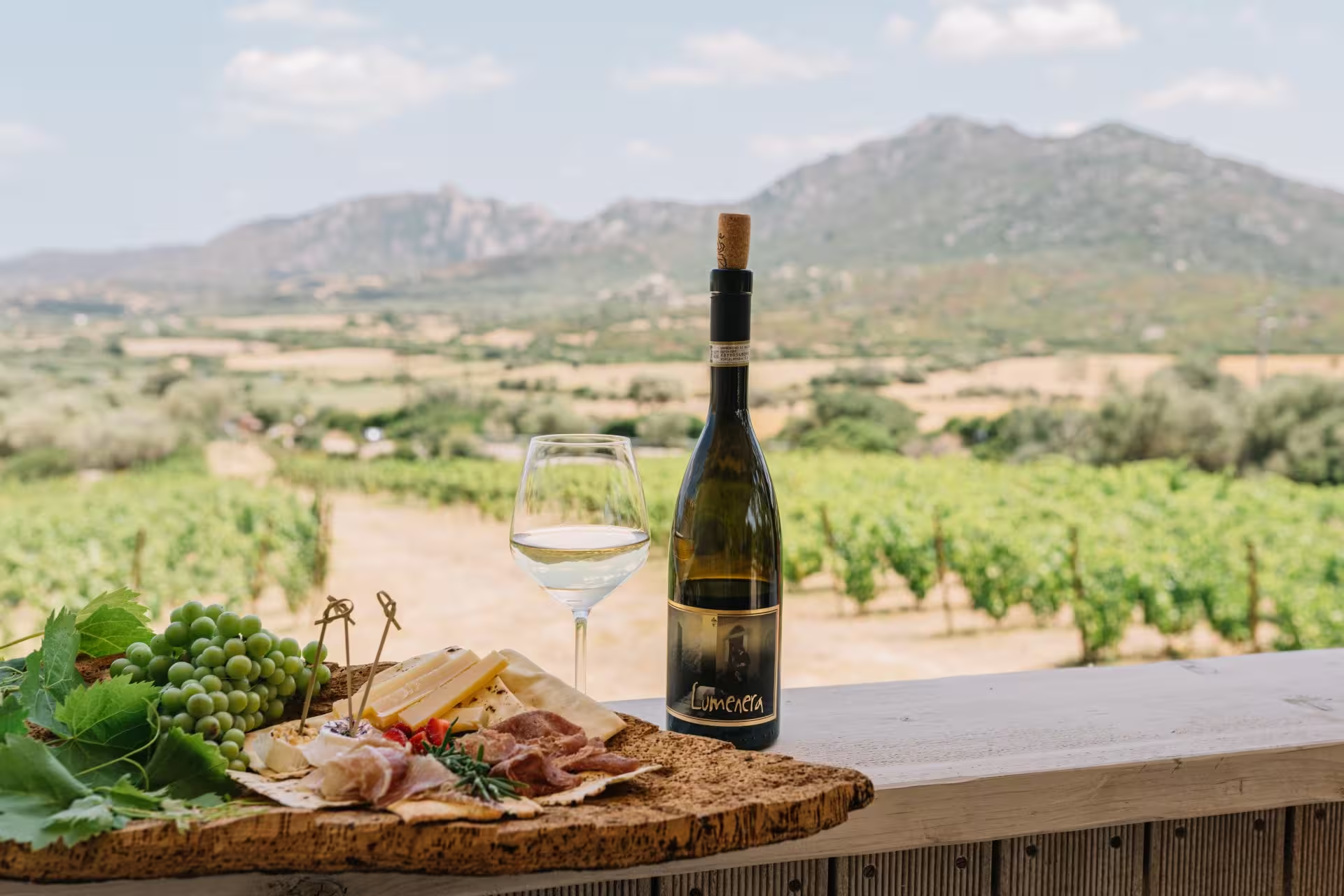
An Olbia wine cellar tour with an aperitif in Gallura vineyards lasts 1 hour. It includes two glasses of wine selected from the winery's labels, a platter of fresh local Sardinian products, a guided welcome in a vineyard setting and an outdoor tasting.
Transport connections
Rail links connect Olbia's station with Porto Torres, Golfo Aranci and Cagliari. The SS131 DCN connects the town with Nuoro and joins the SS131 towards Cagliari.
Climate
The Mediterranean climate brings mild conditions in winter, warmth in spring and autumn, and heat in summer.
Frequently asked questions
Where is Olbia?
Olbia belongs to Gallura, a historic region in northeastern Sardinia, Italy.
Is Costa Smeralda close to Olbia?
Costa Smeralda is close to Olbia and is a coastal tourist destination in northern Sardinia.
How large is Tavolara?
The limestone massif is about 5 kilometres long and 1 kilometre wide.
What is the Sa Testa sacred well made of?
It uses local schist and granite, with trachyte in the first stairway step.
Which places have rail connections with Olbia?
Porto Torres, Golfo Aranci and Cagliari are connected by rail with Olbia station.