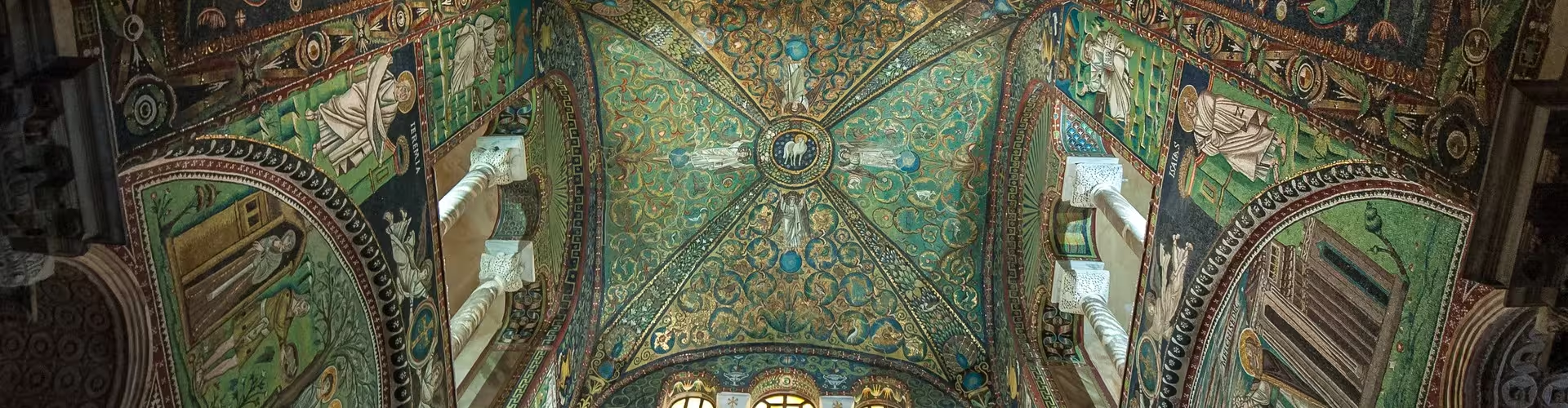
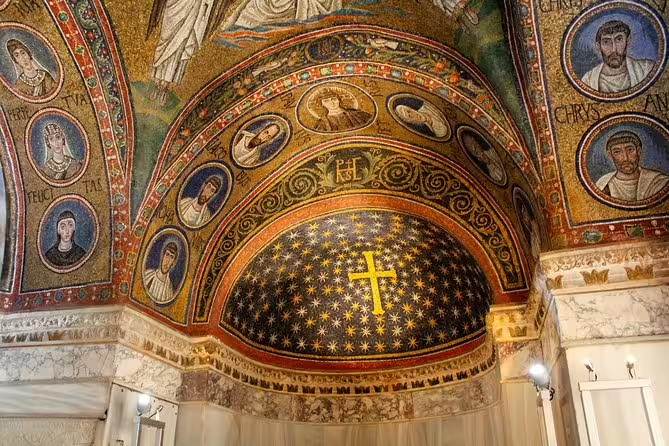
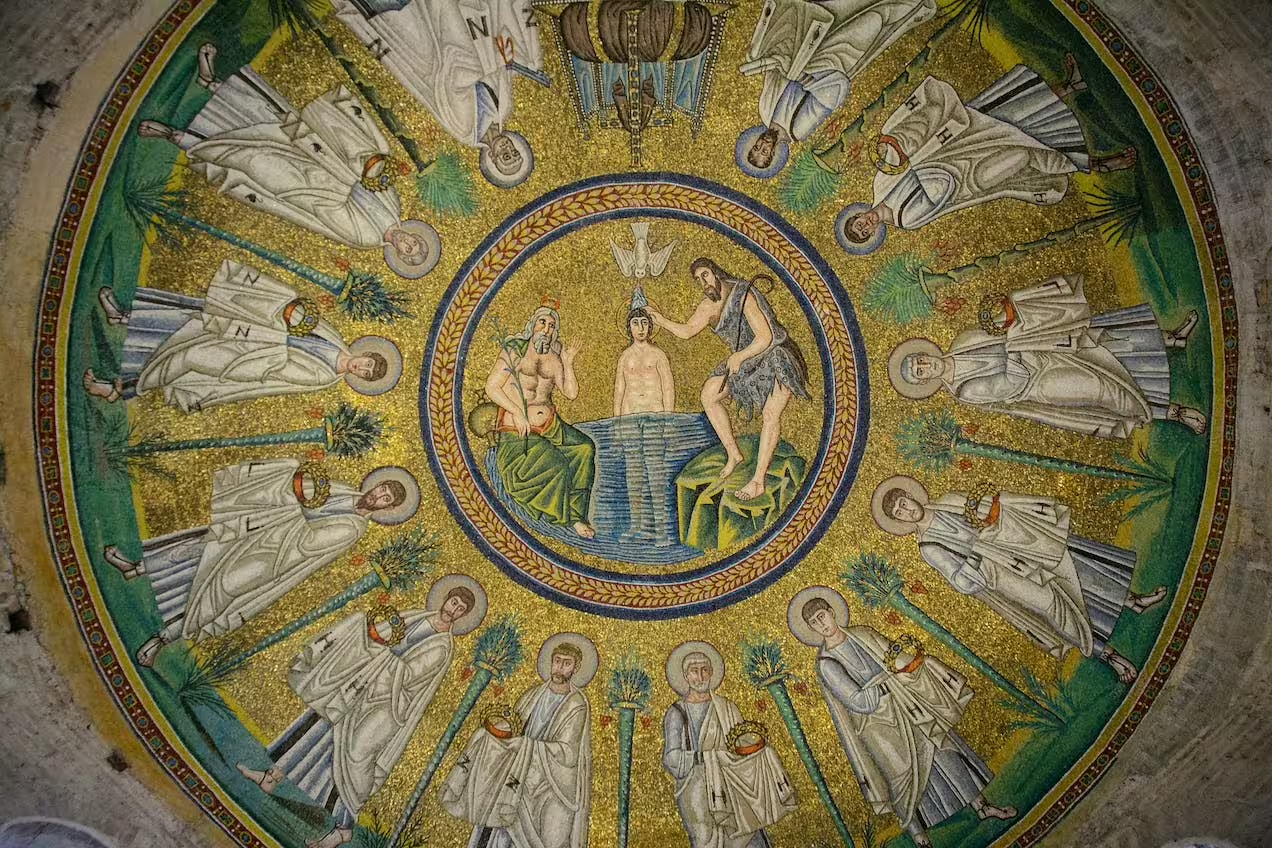
Ravenna is a historic city in northeastern Italy's Emilia-Romagna region, renowned for its extraordinary Byzantine mosaics and well-preserved medieval architecture. This UNESCO World Heritage Site showcases stunning examples of early Christian art, with masterpieces adorning its churches and baptisteries that date back over 1,500 years.
What to see in Ravenna
Visitors should not miss the Basilica of San Vitale, famous for its intricate mosaics depicting Emperor Justinian and Empress Theodora, or the Mausoleum of Theodoric with its impressive stone dome. The Basilica of Sant'Apollinare Nuovo features a remarkable processional mosaic, while the Baptistry of Neon displays stunning geometric and figurative designs that reflect Byzantine craftsmanship.
Things to do in Ravenna
Explore the city on foot through winding medieval streets and piazzas, or take guided tours of the mosaic-filled monuments. The nearby Adriatic coast offers opportunities for beach visits, while cultural enthusiasts can attend exhibitions and concerts hosted throughout the year in the city's historic venues.
Ravenna's Byzantine Artistic Legacy
Ravenna served as the capital of the Western Roman Empire and later the Byzantine Empire, making it a crucial center for early Christian art. The city's mosaics represent some of the finest examples of Byzantine craftsmanship in Europe, with their intricate designs and vibrant colors preserved across centuries.
Ravenna is located in the Emilia-Romagna region of northeastern Italy, positioned between Bologna and Venice. The city sits close to the Adriatic coast, making it accessible for combined coastal and cultural visits. Its strategic location has made it historically significant as a former imperial capital.