Savio is a small destination within the wider Ravenna area in Emilia Romagna, a part of Italy known for its Adriatic coastline, flat landscapes, and food culture. This guide focuses on practical decision making, so you can plan your days with confidence, balance beach time with nearby cultural sights, and understand how to move around efficiently. Use it to shape a short break or a longer base near Ravenna, with clear ideas for what to do, what to eat, and where to go next.
Savio suits travelers who want an easygoing Adriatic rhythm with quick access to the Ravenna area and the wider Emilia Romagna region. The signature vibe is relaxed and outdoors oriented, with a focus on simple pleasures like coastal air, unhurried meals, and day trips that mix nature with art cities. Go now if you want a flexible Italian stay where you can keep plans light, then add bigger sights nearby when the mood strikes.
Savio sits in the province of Ravenna in Emilia Romagna, in northern Italy, close to the Adriatic side of the country. For international arrivals, the most practical gateways are the regional hubs around Bologna and the broader northern Italy rail network, which can connect you onward toward Ravenna and coastal areas. If you are already traveling through Emilia Romagna, using Ravenna as a reference point helps with planning, since it is the best known nearby city for culture and transport connections.
On the Adriatic coast, the warm season generally brings the most beach focused atmosphere and the highest demand for accommodation and transport. Shoulder periods can feel calmer, with a more local pace and easier logistics, especially if you prefer quieter promenades and shorter waits. Cooler months shift the emphasis toward day trips, long meals, and cultural visits in the Ravenna area, which can be a good fit if you want to avoid peak crowds.
Italy uses the euro, and most travelers find a mix of card payments and some cash to be the most convenient approach. Keep small change for quick purchases, short rides, or smaller cafés, and use cards for accommodation and larger meals when accepted. For budgeting, plan for typical northern Italy costs, then adjust based on how often you choose sit down dining versus casual snacks, and how many day trips you add from Savio.
Note: Experiences are curated to support planning without relying on specific opening hours or prices.
1) Adriatic Beach Time
Why it matters: The coast defines the daily rhythm here, and a beach block gives your trip its signature sense of ease. Even a short visit can reset your pace, especially if you are combining the area with city sightseeing. Practical tip: Aim for early morning or late afternoon for softer light and a calmer feel, then keep midday flexible for shade and a long lunch.
2) Ravenna Day Trip for Art and Atmosphere
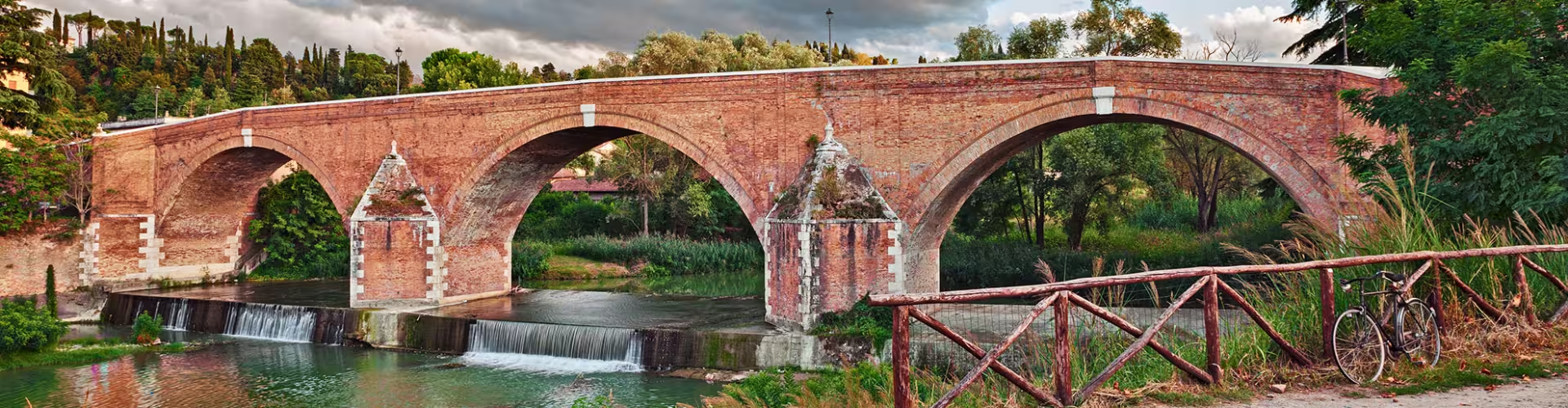
Why it matters: Ravenna is one of the region’s headline cultural anchors, and it adds depth to a stay in Savio by balancing sea air with historic streets and landmark sights. It is a strong option if you want a “one big culture day” without changing hotels. Practical tip: Plan your route around a compact core, then leave time for a slow coffee stop, because the city rewards unhurried wandering.
3) Emilia Romagna Food Focus
Why it matters: This region is widely associated with Italian food heritage, and leaning into local flavors is one of the most satisfying ways to understand place. A meal here is not just fuel, it is part of the travel experience and often the most memorable daily highlight. Practical tip: Choose one meal per day to make it special, then keep the rest simple, which helps both your budget and your energy.
4) Easy Coastal Walks
Why it matters: Coastal walking is the simplest way to connect your trip to the landscape and to notice the small details, changing light, sea breeze, and the social life of the shoreline. It also helps you orient yourself without overplanning. Practical tip: Carry a light layer, because sea air can feel cooler than expected, especially outside the hottest part of summer.
5) Sunset Photography Session
Why it matters: The Adriatic edge can look dramatically different as the light shifts, and a sunset session is a low effort way to create standout memories. It is also a pleasant “anchor activity” that shapes the rest of your day. Practical tip: Scout your spot earlier, so you are not searching at the last minute, and keep your schedule open for a lingering post sunset stroll.
6) Slow Shopping for Everyday Italian Essentials
Why it matters: Buying simple items locally, snacks, fruit, or picnic basics, is a practical way to travel like a resident and control your spending. It also supports a relaxed routine, especially if you prefer light breakfasts and casual lunches. Practical tip: Shop earlier in the day for the best selection, then build a beach bag that makes spontaneous outings easy.
7) A “Two Speed” Day, Beach First, Culture Later
Why it matters: Many travelers struggle to choose between relaxation and sightseeing. A two speed plan lets Savio deliver both, without turning the trip into a checklist. Practical tip: Do your most physical activity in the cooler part of the day, then save museums, churches, or cafés for the hours when the sun is strongest.
8) Evening Aperitivo and People Watching
Why it matters: Evening social time is a classic Italian pattern, and it is a simple way to feel connected to the local cadence. It also creates a natural transition from beachwear to dinner without rushing. Practical tip: Keep it light, then choose a later dinner if you want to align with local habits and avoid feeling hungry too early.
Start with a focused morning on the coast, using the cooler hours for walking and a relaxed coffee. Midday, shift to a long lunch and a rest break, then decide whether you want a short outing inland or a second beach session. End with sunset on the Adriatic, followed by aperitivo and a simple dinner plan, so your day stays enjoyable rather than overpacked.
Day 1 is about settling into Savio, beach time, orientation walks, and building a food routine that fits your budget. Day 2 is ideal for a fuller Ravenna day trip, with time for both major sights and unplanned wandering through atmospheric streets. Day 3 can be flexible, repeat the beach if you want pure rest, or add a nearby Emilia Romagna excursion if you want variety, then finish with an unrushed final evening meal.
Food in this part of Italy is often defined by straightforward ingredients and confident technique. Use these ideas to order with more intention, even when menus vary by season.
Getting around Savio is often easiest with a walk first mindset for short distances, especially along coastal areas where the journey is part of the experience. For longer hops, plan around regional connections toward Ravenna and other Emilia Romagna towns, and build in buffer time during peak travel periods. If you use ride services or taxis, treat them as a convenience tool for specific moments, like late evenings or tight connections, rather than your default for every trip. For comfort and safety, wear stable footwear for mixed surfaces, keep valuables close in crowded areas, and consider accessibility needs in advance if anyone in your group requires step free routes.
One day can cover a relaxed beach focused visit with an evening aperitivo. Two to three days works better if you also want a full day trip to Ravenna or another Emilia Romagna city.
Use a two speed day plan, beach in the morning or late afternoon, and culture during the hottest midday hours. This keeps the day comfortable and reduces the feeling of rushing.
Cards are widely useful in Italy, but carrying some cash helps for small purchases and quick stops. Keep small denominations so you are not stuck needing change.
Shoulder periods typically feel less crowded than the peak warm season, while still offering pleasant outdoor time. Cooler months can be quieter and are best if your focus is day trips and long meals rather than beach hours.
Bring sun protection, a reusable water bottle, and comfortable walking shoes for both coastal paths and city streets. Add a light layer for evenings when sea air can feel cooler.