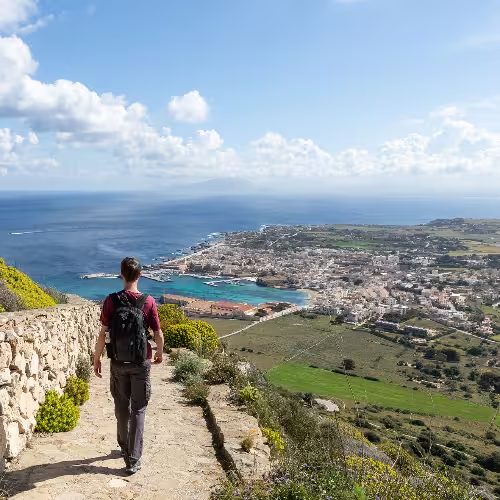
Perched on the northwestern coast of Sicily, Poggioreale is a charming coastal village in the Trapani Province that showcases the authentic character of western Sicily. Known for its dramatic clifftop setting overlooking the Tyrrhenian Sea, this small settlement offers visitors a glimpse into traditional Sicilian coastal life away from the busier tourist routes.
What to see in Poggioreale
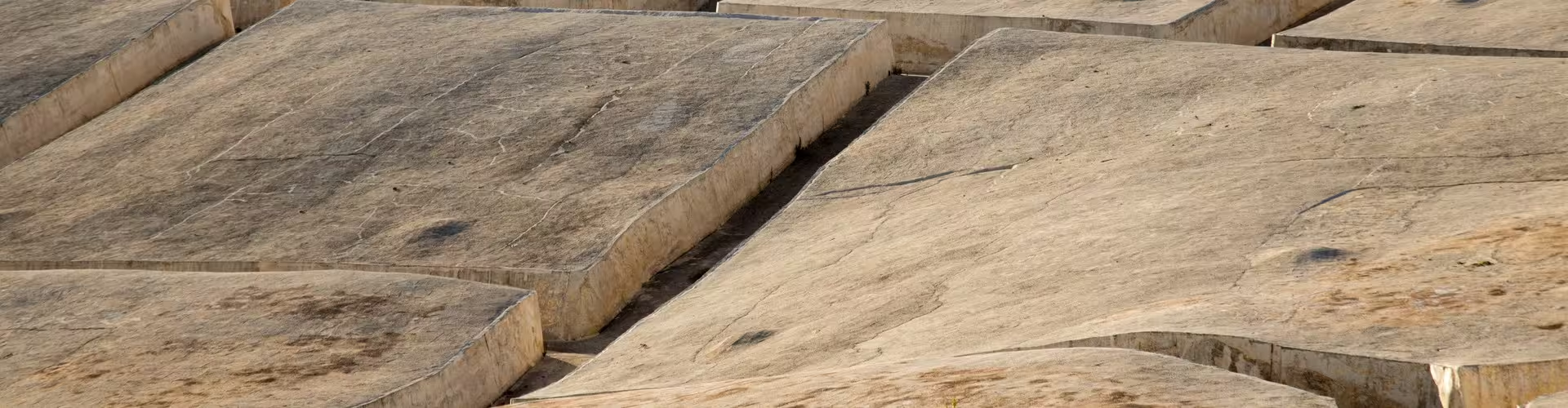
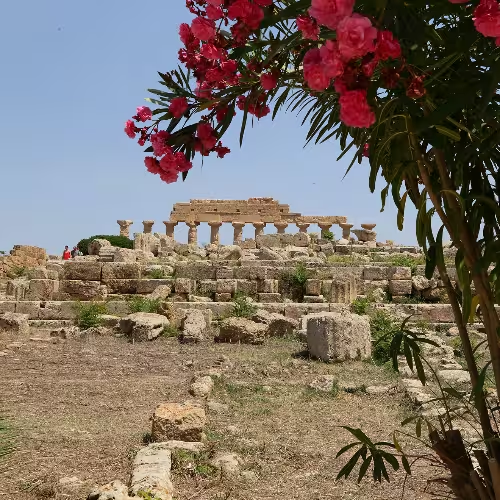
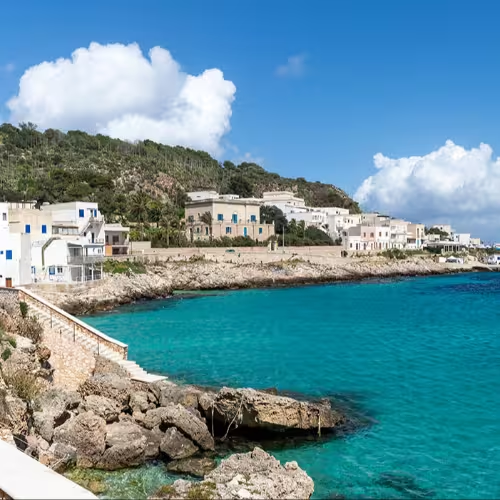
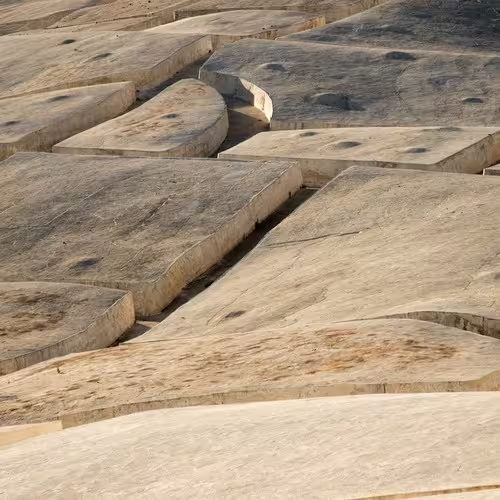
The village itself features whitewashed buildings characteristic of Mediterranean architecture, while the surrounding coastline presents stunning natural rock formations and sea cliffs. Nearby, visitors can explore the archaeological remnants of ancient settlements and enjoy panoramic viewpoints that overlook the crystalline waters below.
Things to do in Poggioreale
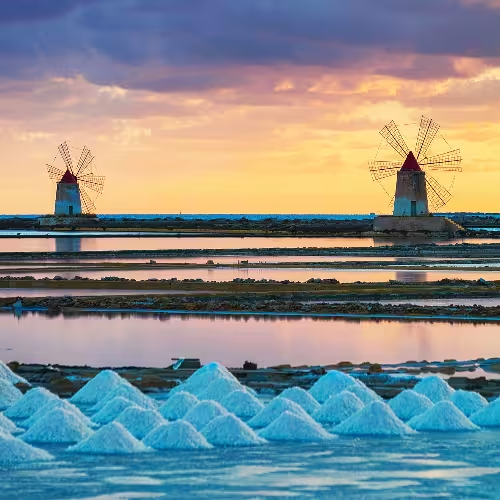
The area offers excellent opportunities for coastal walks along scenic trails, swimming and snorkeling in the pristine waters, and boat excursions to nearby coves and marine reserves. The village serves as a convenient base for exploring the broader Trapani region, including visits to salt pans and nearby coastal towns.
Sicilian Coastal Heritage and Local Character
Poggioreale represents the quieter side of Sicilian tourism, where traditional fishing culture and maritime traditions remain central to daily life. The village attracts visitors seeking authentic experiences rather than commercialized attractions, offering a window into how Sicilian coastal communities have preserved their heritage and way of life.
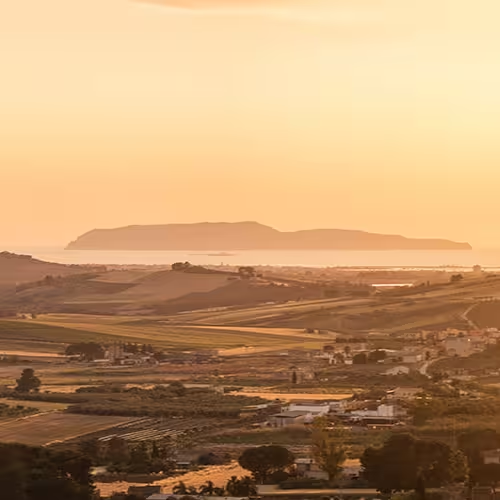
Poggioreale is located in Trapani Province in northwestern Sicily, Italy. The village sits on a dramatic clifftop overlooking the Tyrrhenian Sea, positioning it as part of Sicily's lesser-known coastal destinations. Its geographic location makes it accessible to other notable Trapani attractions including the Egadi Islands and the salt pans of Trapani.
Poggioreale offers visitors an authentic slice of Sicilian coastal life, representing the traditional maritime heritage that has defined western Sicily for centuries. The village maintains its character through active fishing traditions and a slower pace of tourism compared to more developed resort areas.