Last updated:


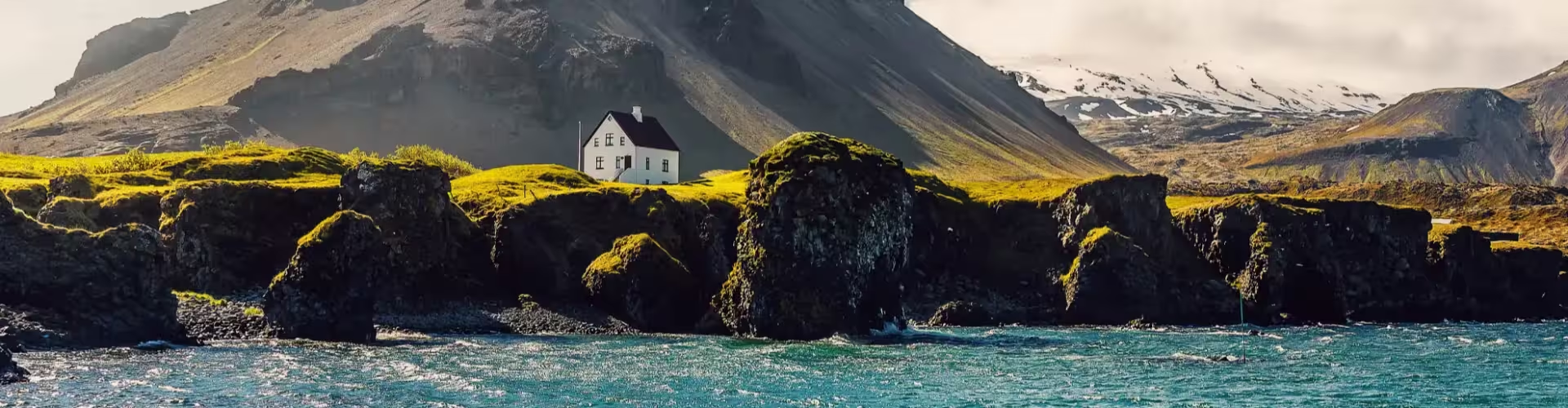
Stykkishólmur brings a harbour visit and time in museums into the same trip, on the northern shore of Iceland's Snæfellsnes Peninsula beside Breiðafjörður Bay. A day on the wider peninsula deserves its own space in the itinerary, alongside time for the town and coastline. Art, eiderdown farming and a harbour-side basalt island give you different ways to spend time in town.
One day is a reasonable plan for the harbour and museums; a second day lets you devote a full day to Snæfellsnes. Within town, a harbour visit followed by museums gives the day a change of pace, rather than a succession of outdoor stops.
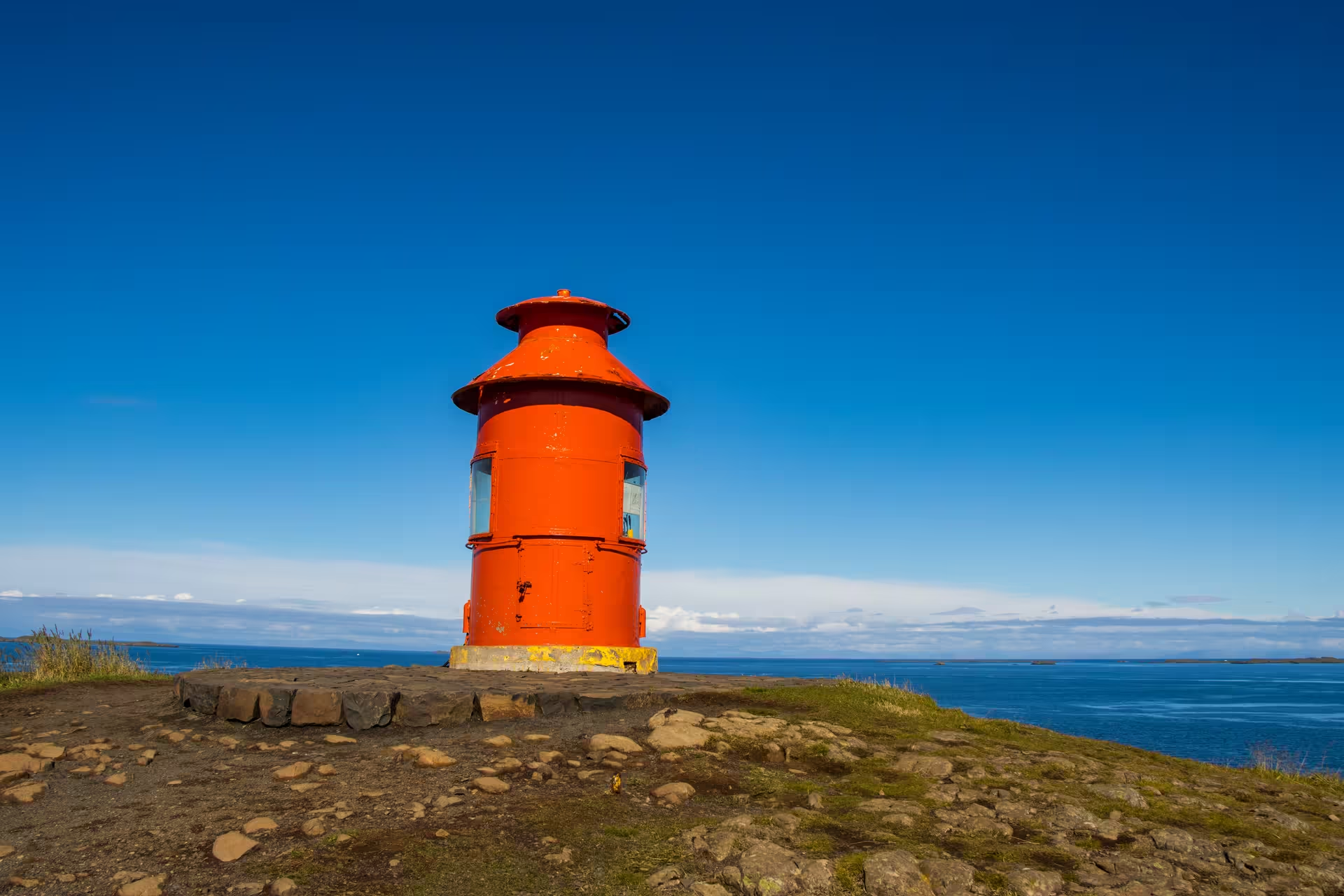
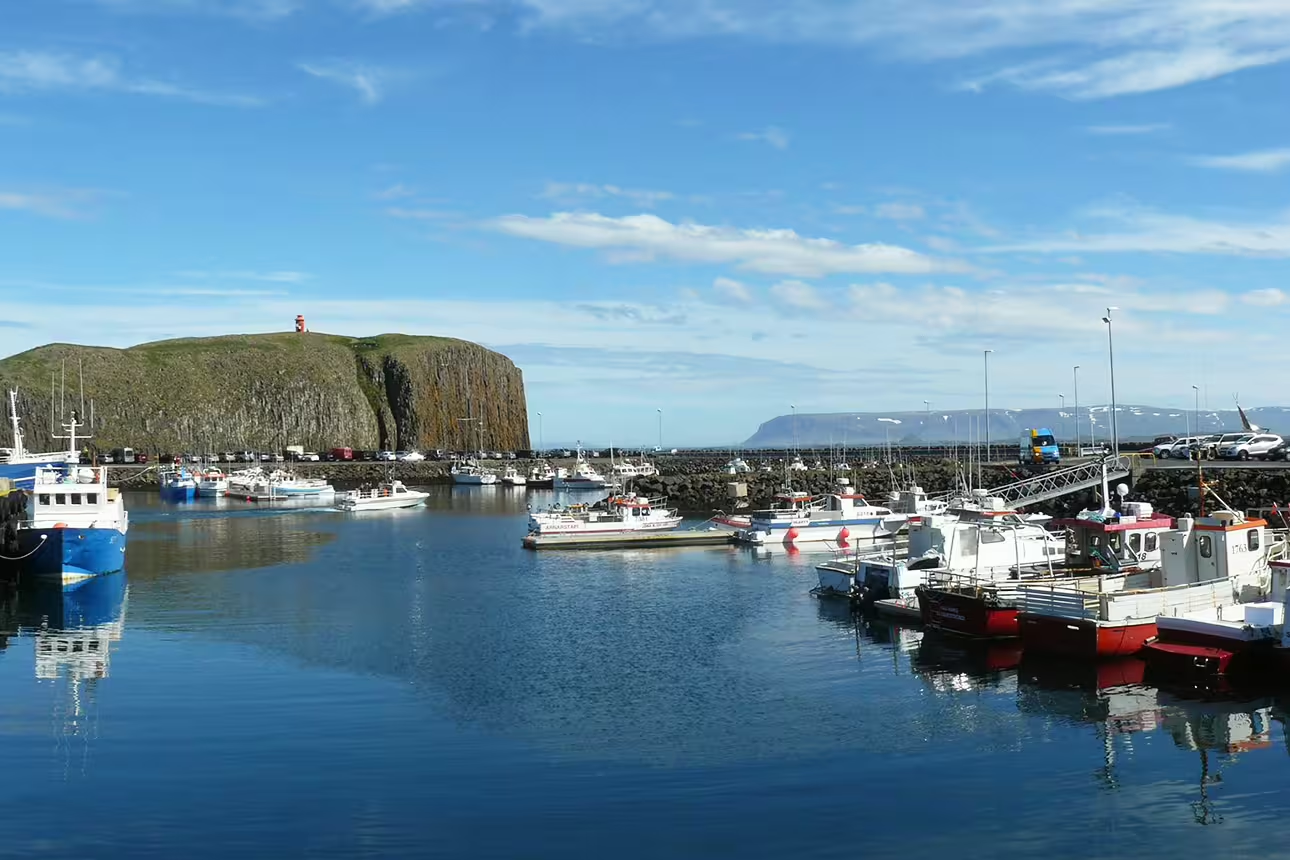
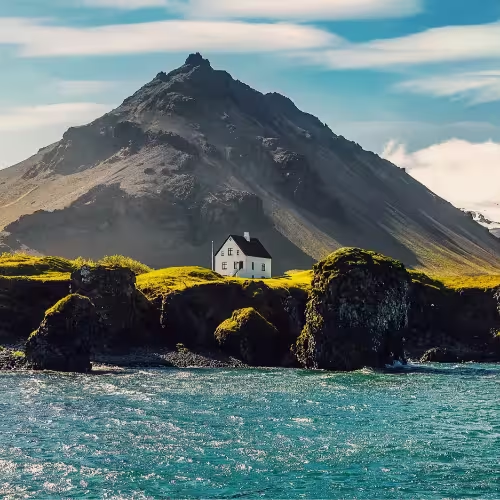
Súgandisey brings the landscape right to the harbour: the basalt island stands beside it and shelters it from the North Atlantic swell. For a longer walk, the town trail links the harbour with the coastline in a loop of nearly 10 kilometres, so it deserves time of its own rather than being treated as a quick detour between museums.
The Norwegian House brings the region indoors: it is the Snæfellsnes museum, in a building made with timber cut in advance in Norway. Birds and the work connected with them come into focus at the Icelandic Eider Center, where the subject is eider ducks and how eiderdown is farmed.
Art takes over at Vatnasafn, also called the Library of Water, an installation created by Roni Horn. Its glass columns hold water collected from Icelandic glaciers, making it a choice for anyone who would rather encounter the landscape through an artwork than through another outdoor stop.
Stay with the shoreline if walking is your priority, or make the ferry crossing part of your onward journey to the West Fjords. Breiðafjörður has Important Bird Area status, so travellers interested in birds have a reason to put the bay on their itinerary alongside the town museums.
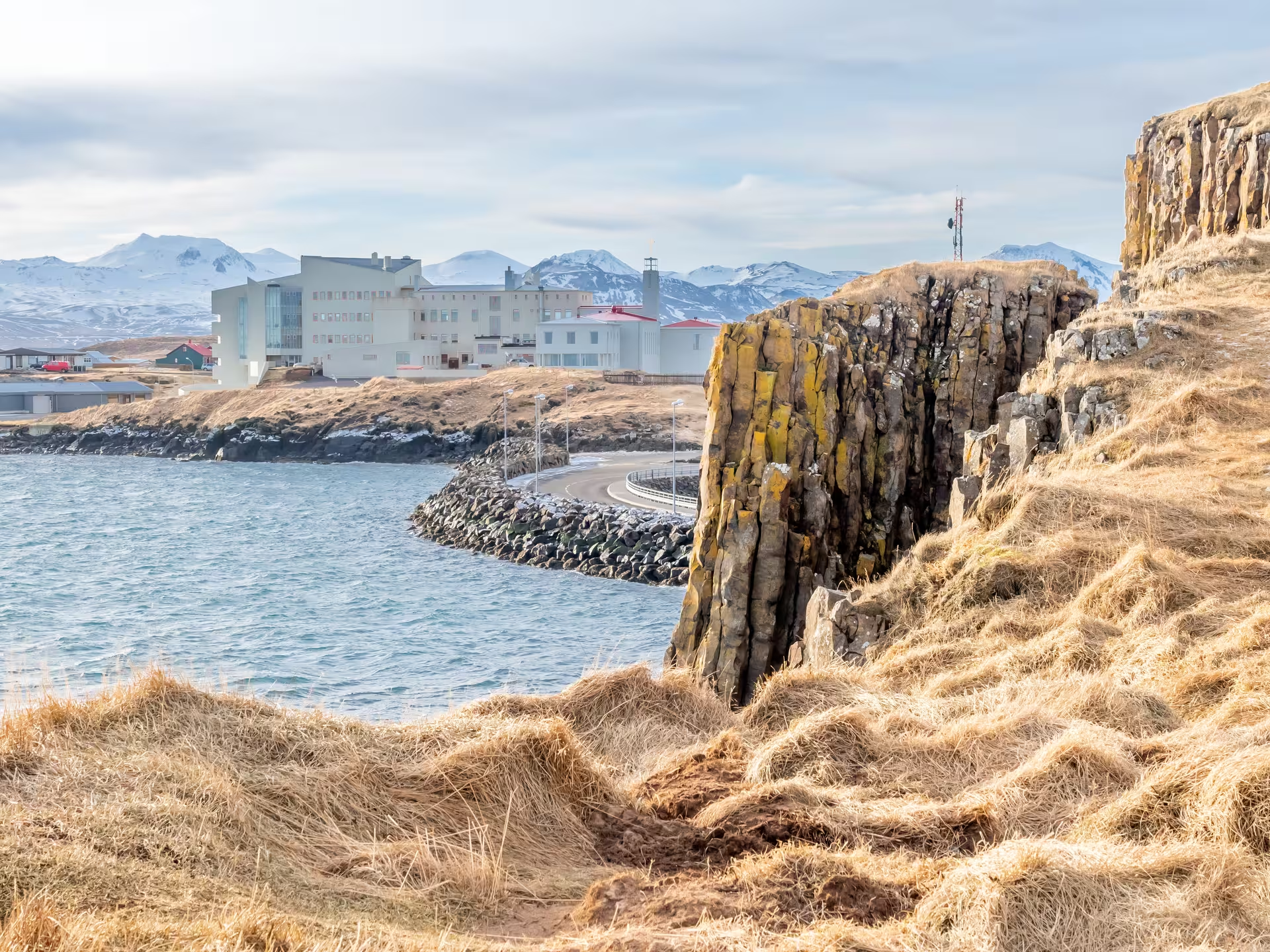
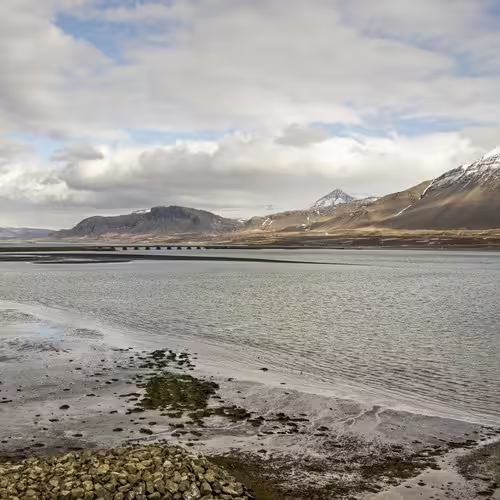
The shoreline is worth seeing at different stages of the tide: the gap between high and low water can reach 5 to 6 metres. If your journey continues to the West Fjords, the Breiðafjörður Bay ferry from Stykkishólmur makes the crossing in 2 hours and 30 minutes, with a stop at Flatey included.
Helgafell and Berserkjahraun are choices for a peninsula itinerary that connects the landscape with local stories. Helgafell means Holy Mountain, but its height is only 73 metres; think of it as a hill visit rather than a high mountain outing. The tradition attached to the climb asks you to stay silent and avoid looking back, before making three wishes at the top.
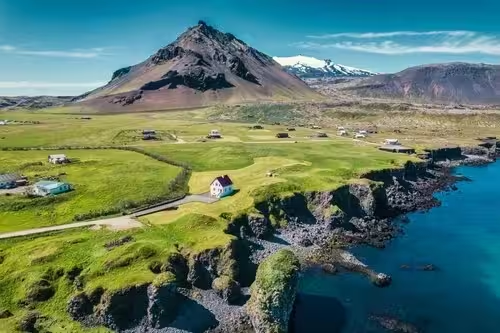
Berserkjahraun turns the focus to lava and saga: the lava field is around 4,000 years old, and its name comes from the Eyrbyggja saga.
If Chinese-language guiding matters to you, the full-day Snæfellsnes tour with glaciers, the Black Church and Seal Beach is a 12-hour option with a Chinese guide.
If you want guiding in English, the guided full-day Snæfellsnes Peninsula tour offers that language option over 12 hours.
1832: the Norwegian House was built that year using precut timber from Norway.
Yes, Danskir dagar has run since 1994, Norðurljósin since 2010, Júlíana since 2013 and the Skeljahátíð shellfish festival since 2020.
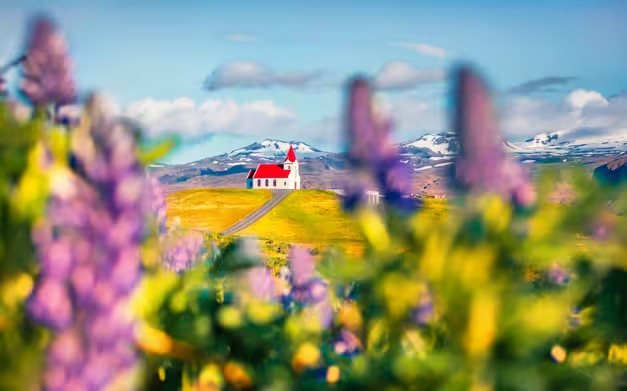
Yes, Stykkishólmskirkja was consecrated on 6 May 1990, and the old church in town was built in 1878.