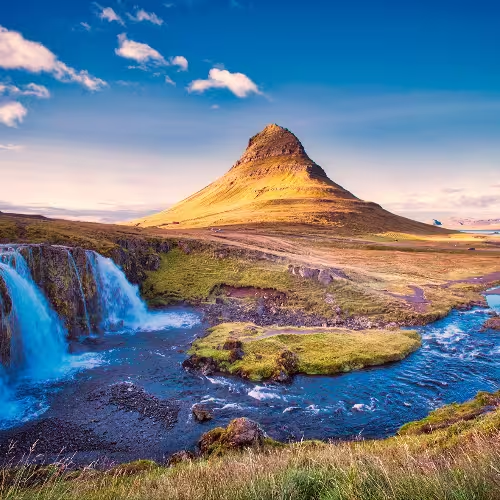
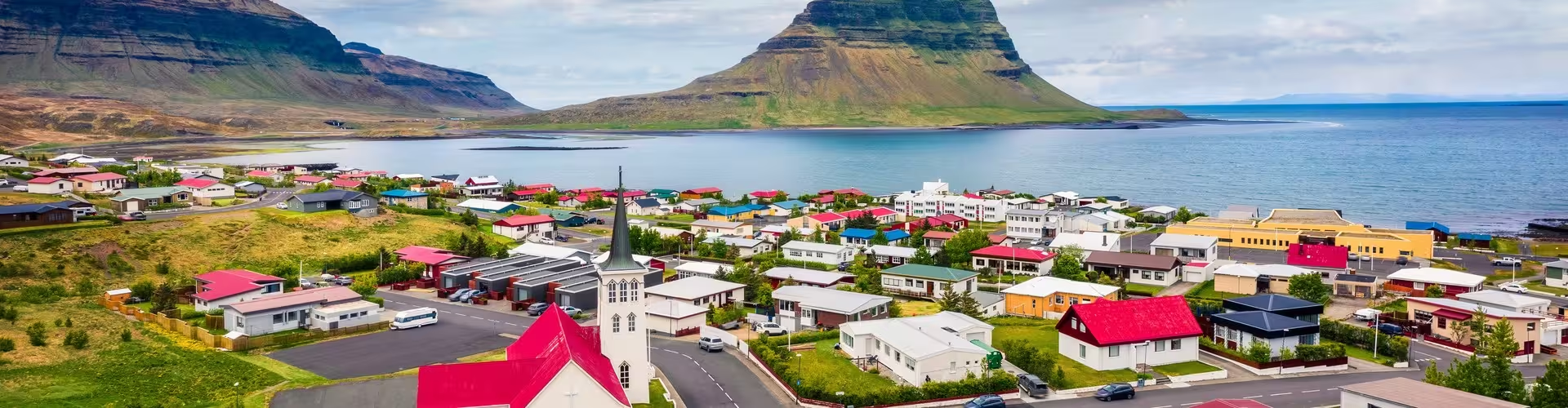
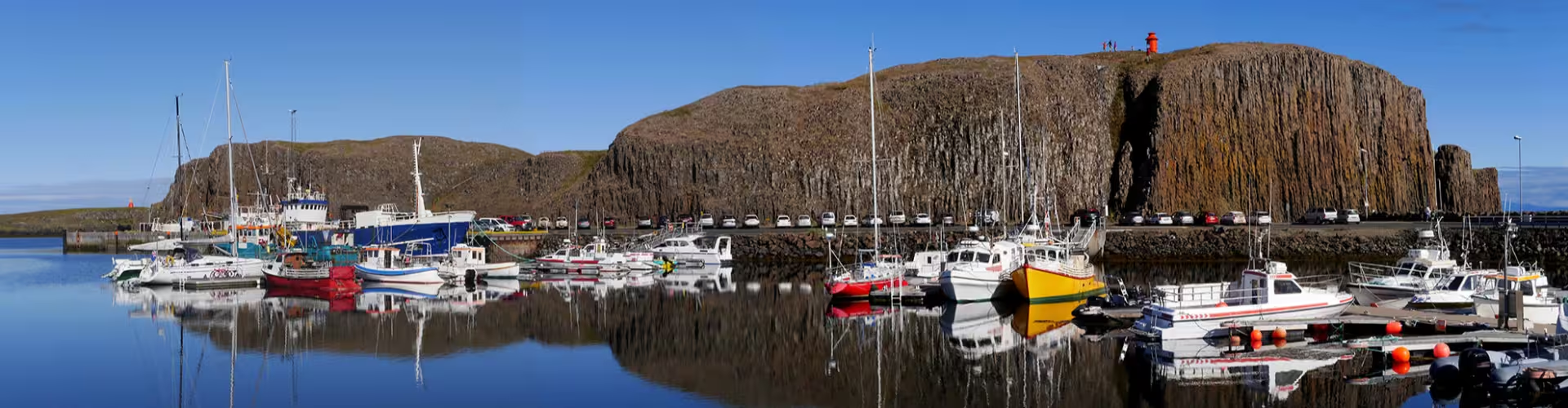
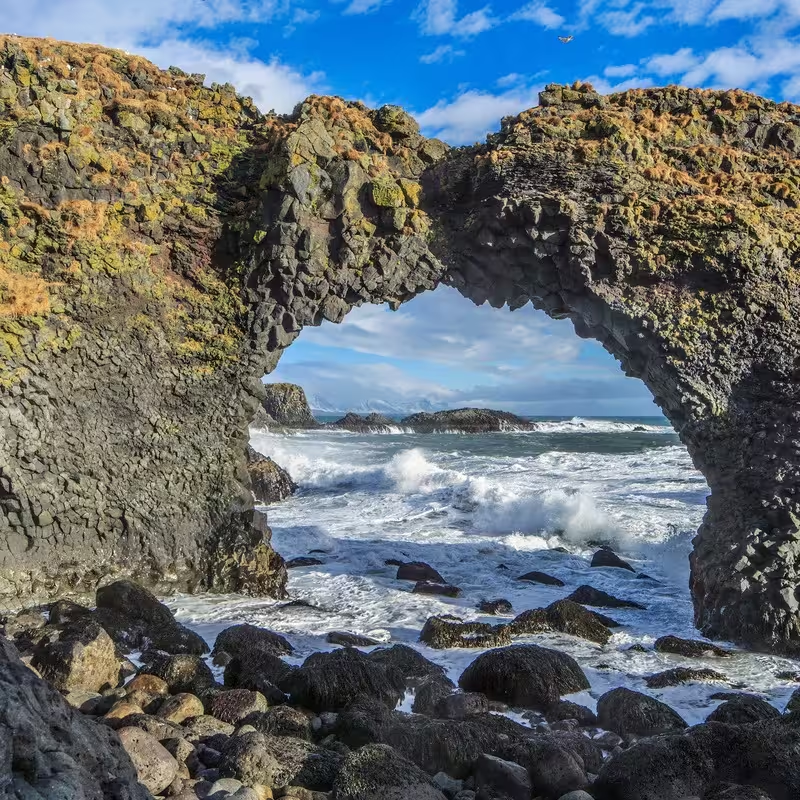
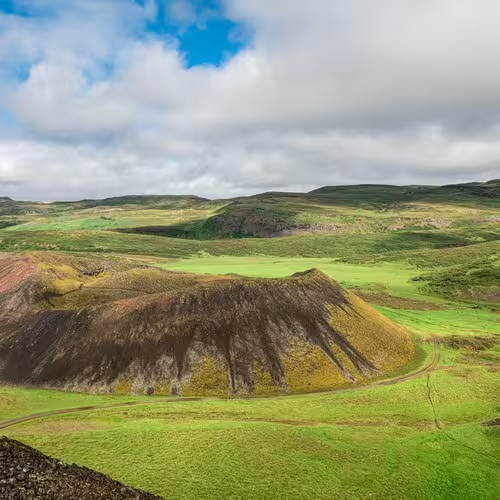
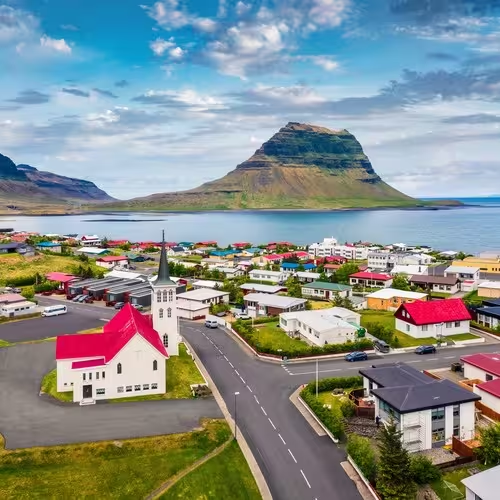
Djupavik is a remote coastal settlement located on the Westfjords peninsula of Iceland, known for its dramatic Arctic landscape and abandoned fishing village atmosphere. This isolated destination offers visitors a glimpse into Iceland's maritime heritage and pristine natural surroundings, where rugged cliffs meet the North Atlantic Ocean.
What to see in Djupavik
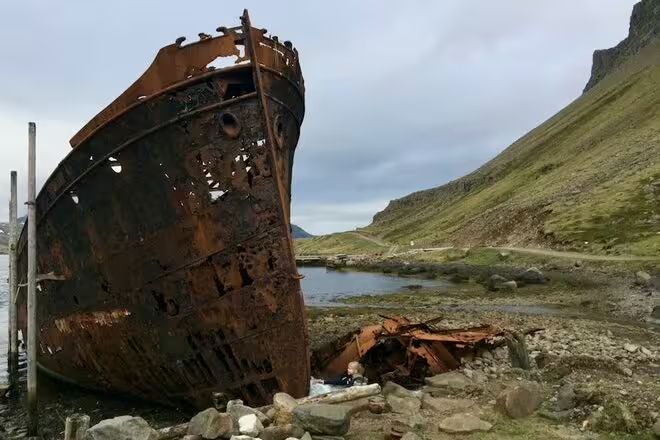
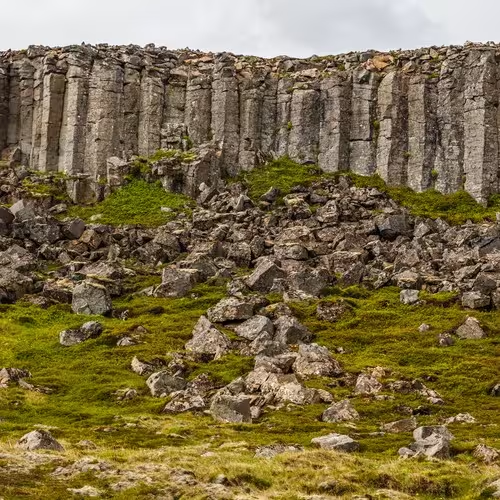
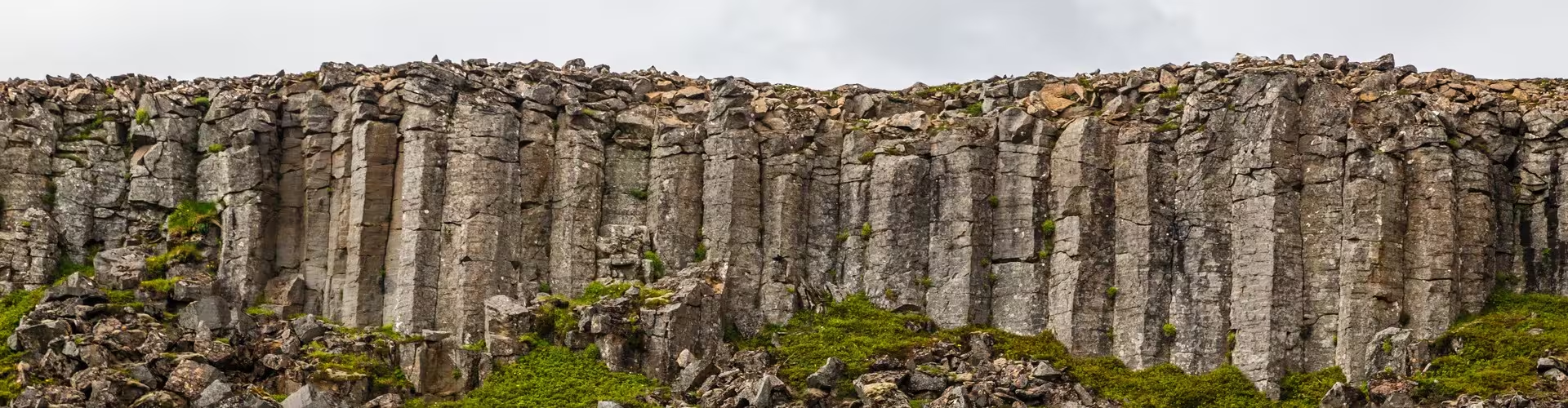
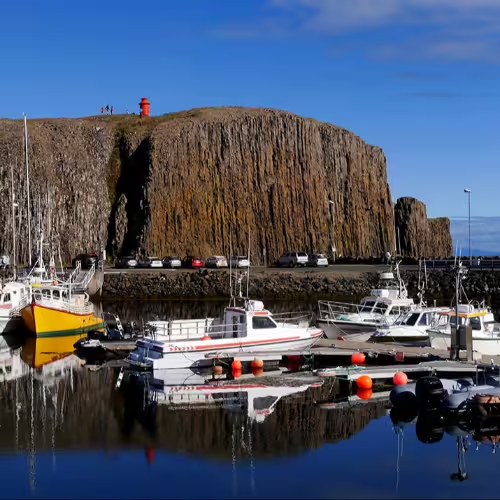
The primary attraction is the abandoned Djupavik fishing station, featuring historic buildings and processing facilities that date back to the early 20th century. Visitors can explore the remnants of this once-thriving settlement and photograph the weathered structures against the stark Icelandic backdrop. The surrounding landscape offers expansive views of sea cliffs and coastal terrain.
Things to do in Djupavik
Travelers can undertake challenging hiking excursions along the coastline, discovering hidden coves and observing Arctic wildlife. Photography enthusiasts find abundant opportunities to capture the stark beauty of the Westfjords, while those interested in history can examine the preserved fishing infrastructure and learn about Iceland's commercial fishing past through exploration of the site.
Remote Arctic Heritage and Isolation
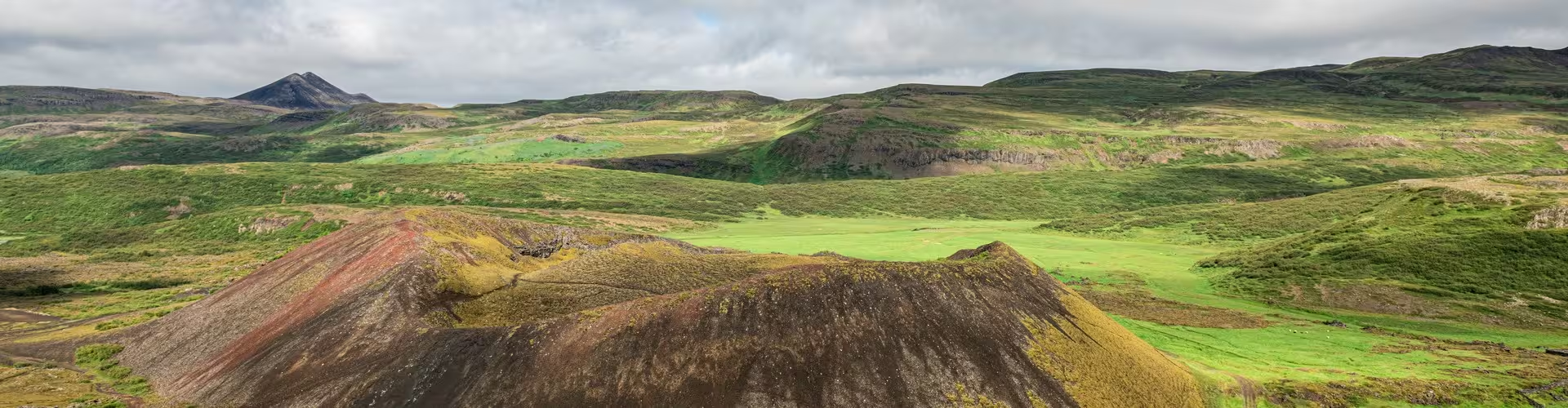
Djupavik represents one of Iceland's most remote settlements, accessible only by challenging mountain roads that remain closed during winter months. The location embodies the raw, untamed character of the Westfjords, offering solitude and authentic Arctic experiences far removed from Iceland's more frequented tourist destinations.
Djupavik is located in the Westfjords region of northwestern Iceland, approximately 250 kilometers from Reykjavik. The settlement sits on a remote peninsula accessible only via mountain roads (Route 612) that close seasonally. The area experiences Arctic weather conditions with extended daylight in summer and limited daylight in winter. Nearby towns include Isafjordur, the largest settlement in the Westfjords, located roughly 100 kilometers away.