Last updated:


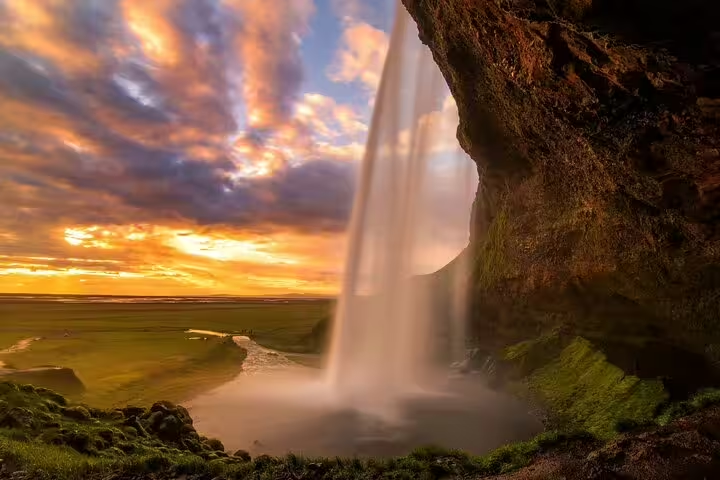
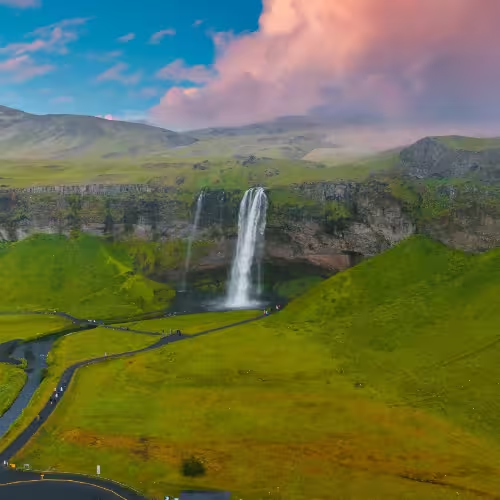
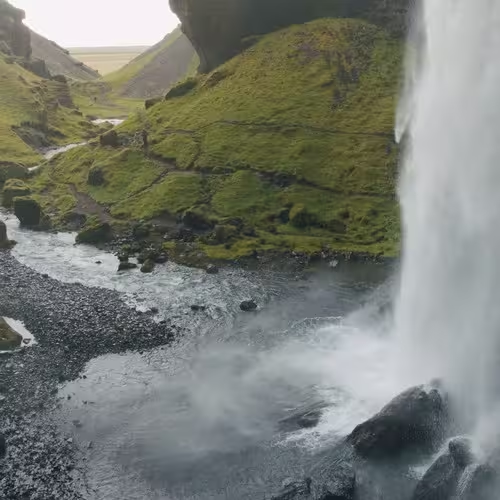
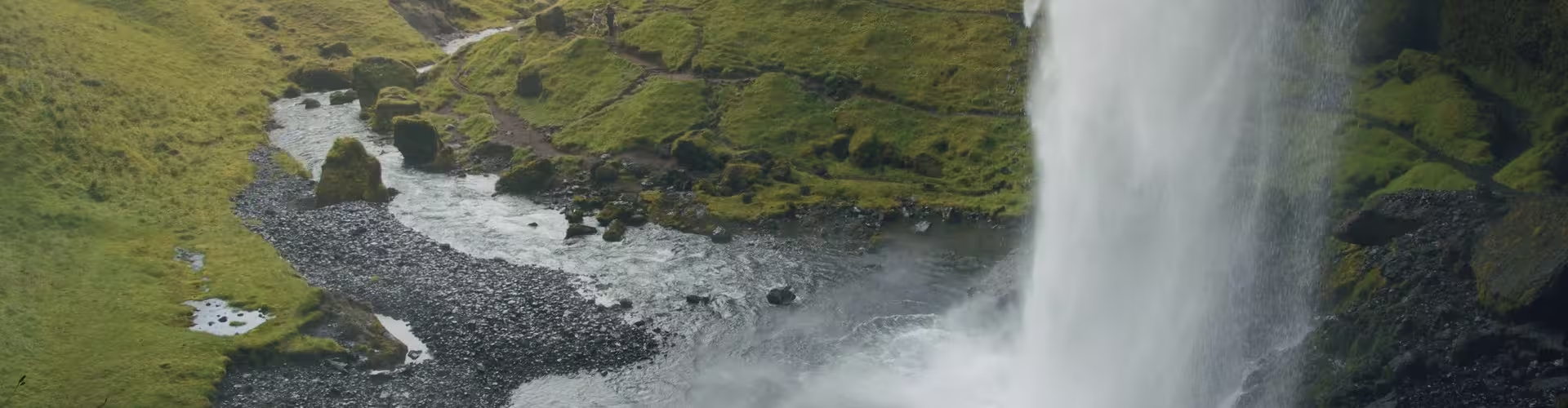
Gljúfrabúi is worth pairing with Seljalandsfoss if you want to see waterfalls from different perspectives: one is concealed by rock, while the other has a path behind the falling water. At Gljúfrabúi, a narrow opening with a stream running through it and the walls of a deep gorge make the setting part of the attraction.
Gljúfrabúi is the stop for a waterfall framed by a gorge rather than an open view of falling water. Franskanef, a palagonite rock standing in front of the falls, hides most of them from view. The water drops roughly 40 metres, so the enclosed setting surrounds a substantial waterfall.
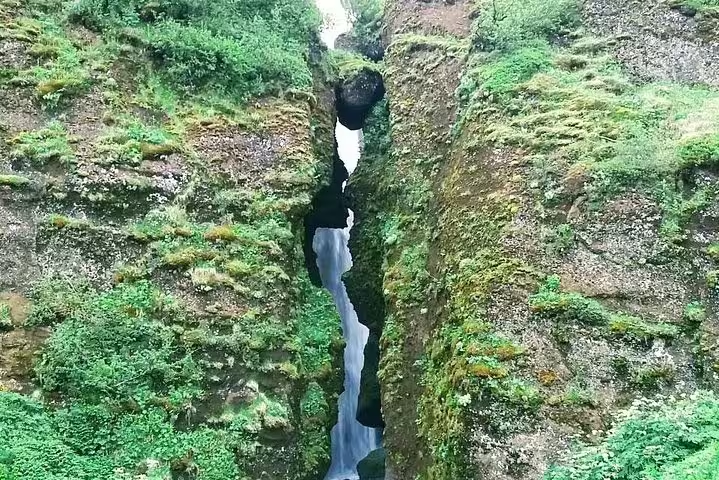
The stream at the narrow opening gives you something concrete to look for as you approach the concealed falls. Gljúfurá, the river supplying the waterfall, is fed by springs. The name translates as "dweller in the canyon", a helpful way to picture this rock-bound setting before you arrive.
There is a story to carry into that view, too: local folklore placed the homes of hidden people in Franskanef and the cliffs around it.
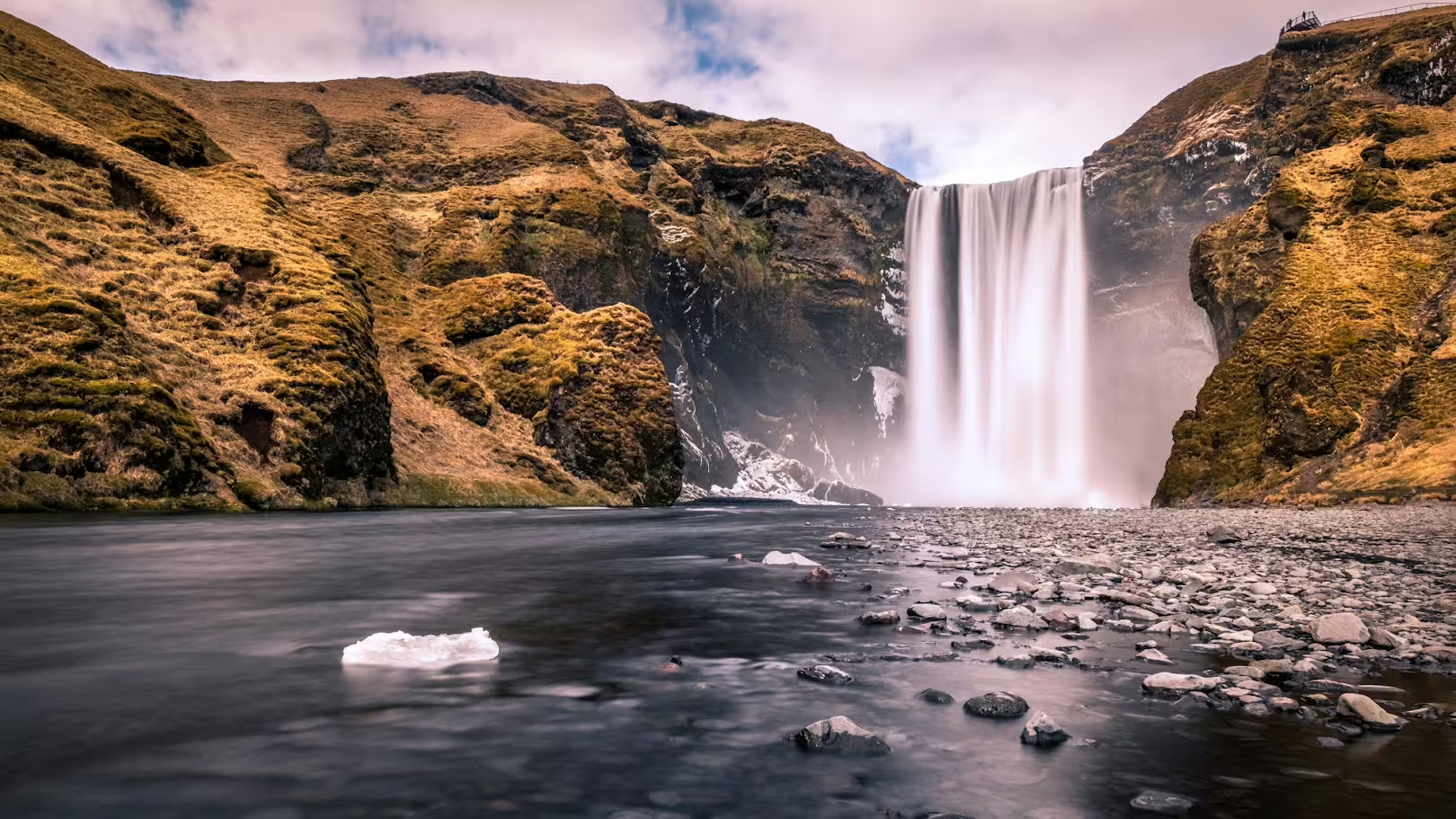
Seljalandsfoss belongs in the same outing, with Gljúfrabúi a short walk to its north. Its path takes you behind the falling water, offering a different perspective after the rock-concealed setting at Gljúfrabúi. A visit to Gljúfrabúi followed by Seljalandsfoss therefore keeps the focus on nearby waterfalls while changing how you see them.
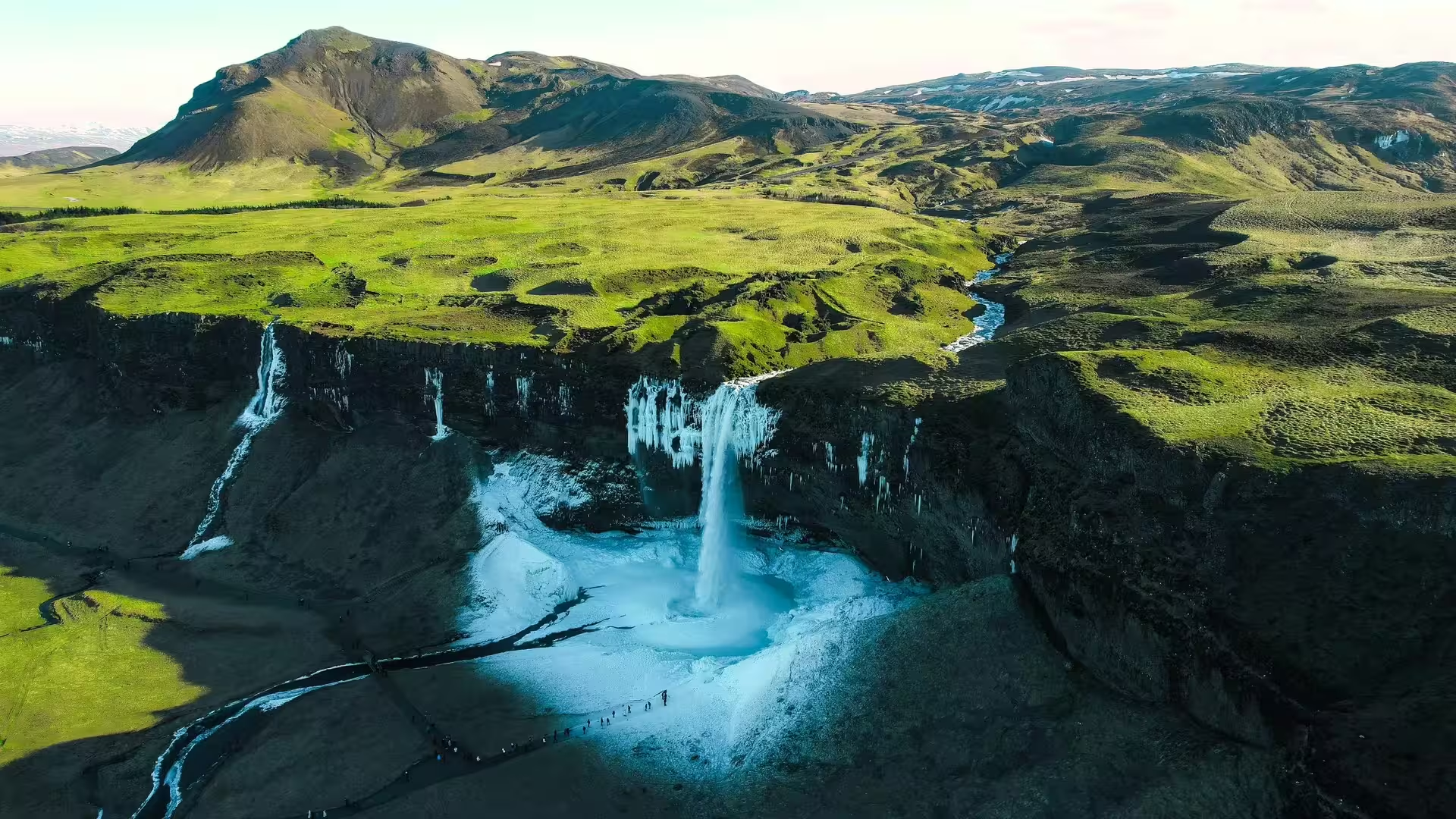
Road 249 is the approach to the waterfall area if you are arranging your own journey. For a full day on the coast with guiding in Spanish and English, the South Coast minibus tour is a 10-hour option with a bilingual guide.
June to August is the warmer period to favour for walking, using Hella, a town in the same region, as a reference rather than a forecast for the waterfall. Icelandic Met Office monthly averages recorded there put those months above December to March, so summer has the stronger temperature argument if you prefer milder conditions.
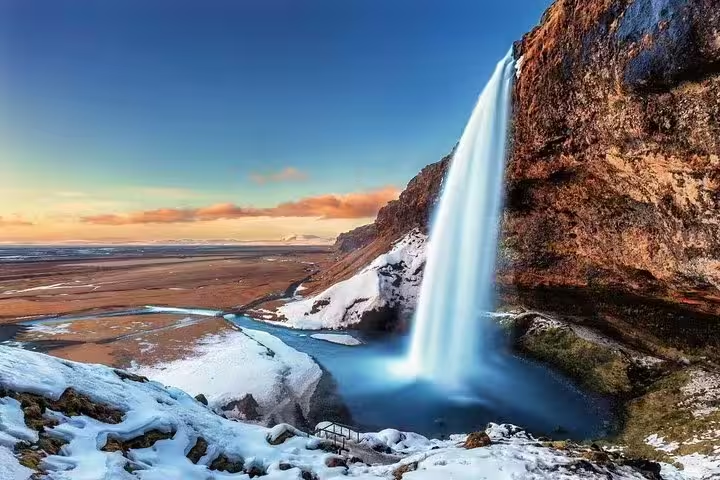
A winter trip can instead be built around waterfalls, glaciers and black beaches on the winter small-group coast day trip, a 10-hour outing with transport throughout.
Yes, Gljúfrabúi is a protected natural monument.
It begins just north of Tröllagil on Hamragarðaheiði heath, and flows from Tröllagilsmýri marsh.
Yes, Ömpuhellir, a small cave below Franskanef on the land of Hamragarðar, is named after a hermit woman who once lived there.