Last updated:


Varmahlíð suits a stop on a journey along Iceland's highway 1, with a horse experience or a visit to turf buildings giving the stop a focus. For a longer stay, a suggested plan brings together Reykjafoss, Glaumbær and Hólar rather than treating them as a list of separate sights.
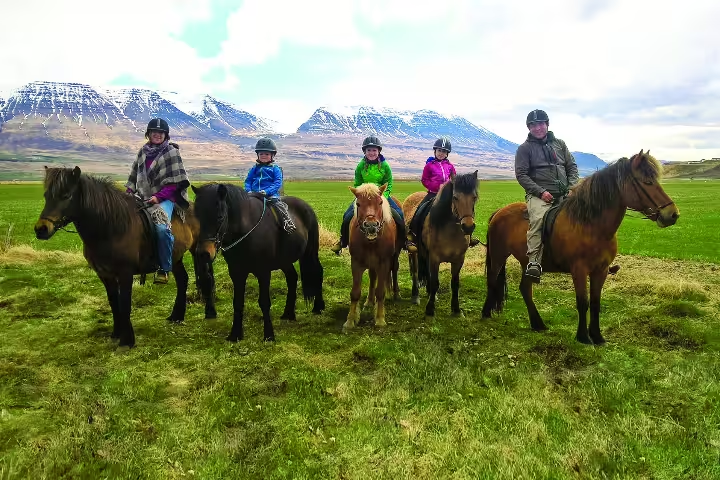
A horse encounter fits a short stop if spending time with horses appeals more than a ride. Horses outnumber people in Skagafjörður, giving a horse-focused visit a connection to the region.
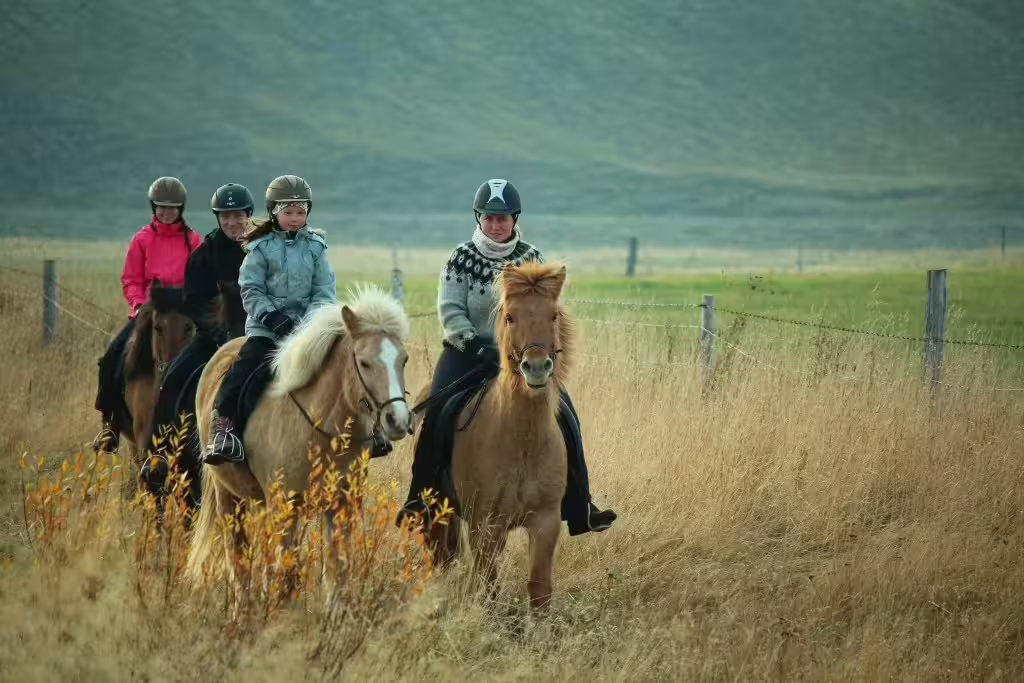
The private Icelandic horse experience in North Iceland lasts 45 minutes and includes a private horse encounter, a professional guide throughout and brushes and tools for grooming.
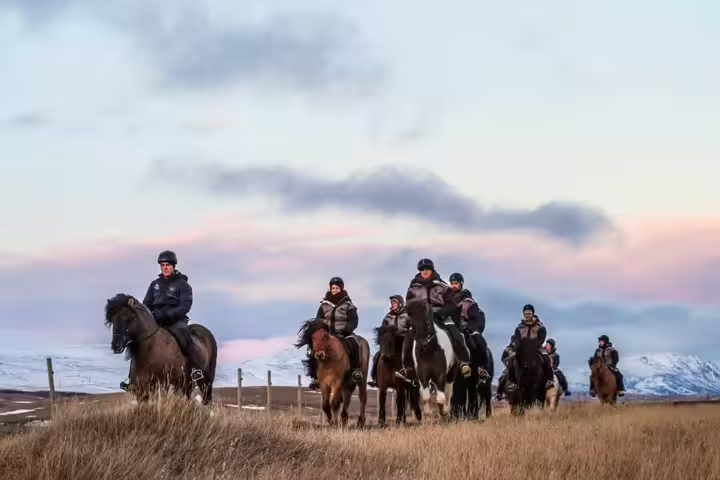
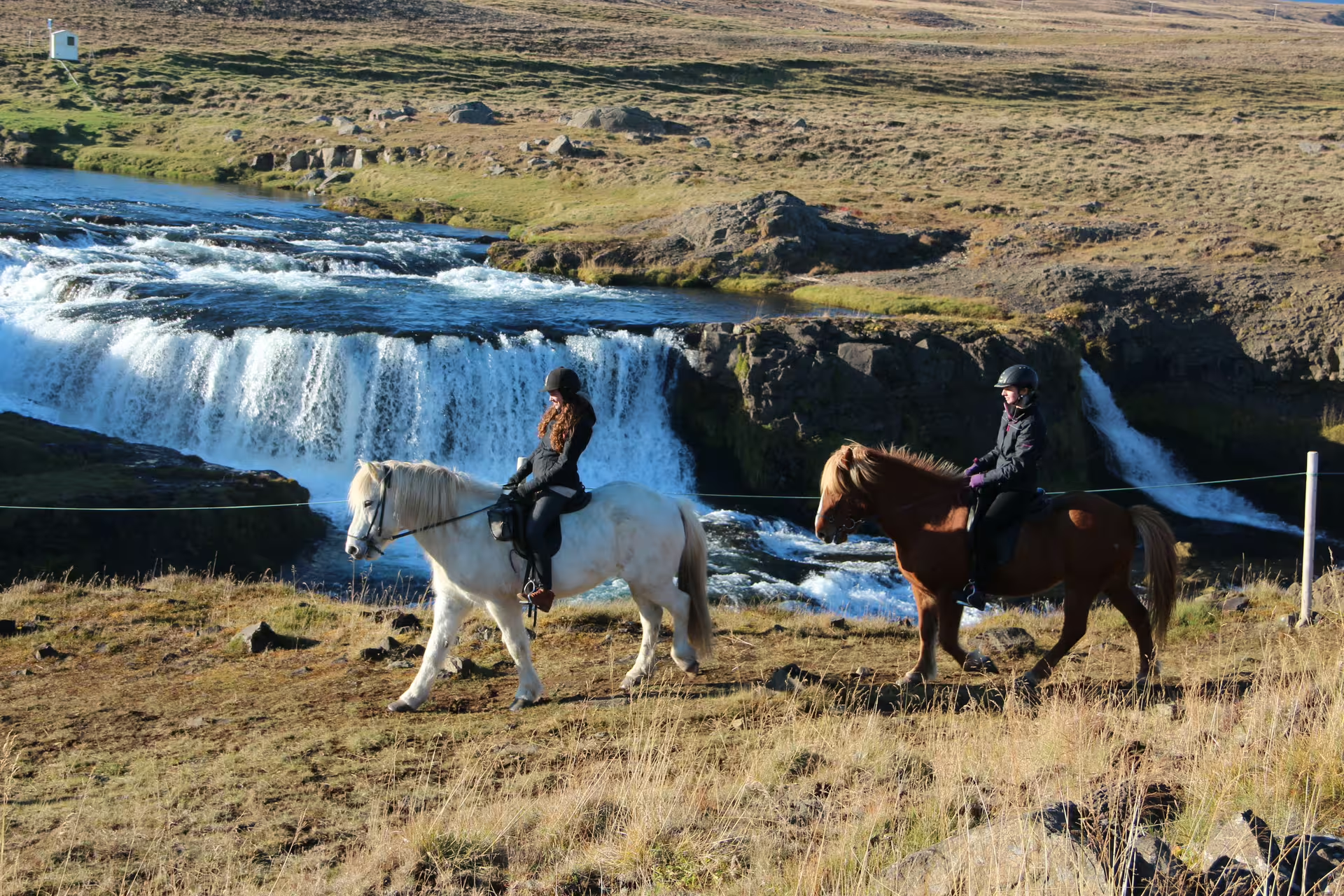
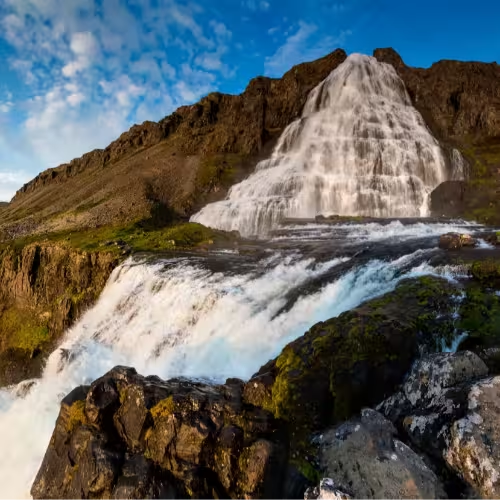
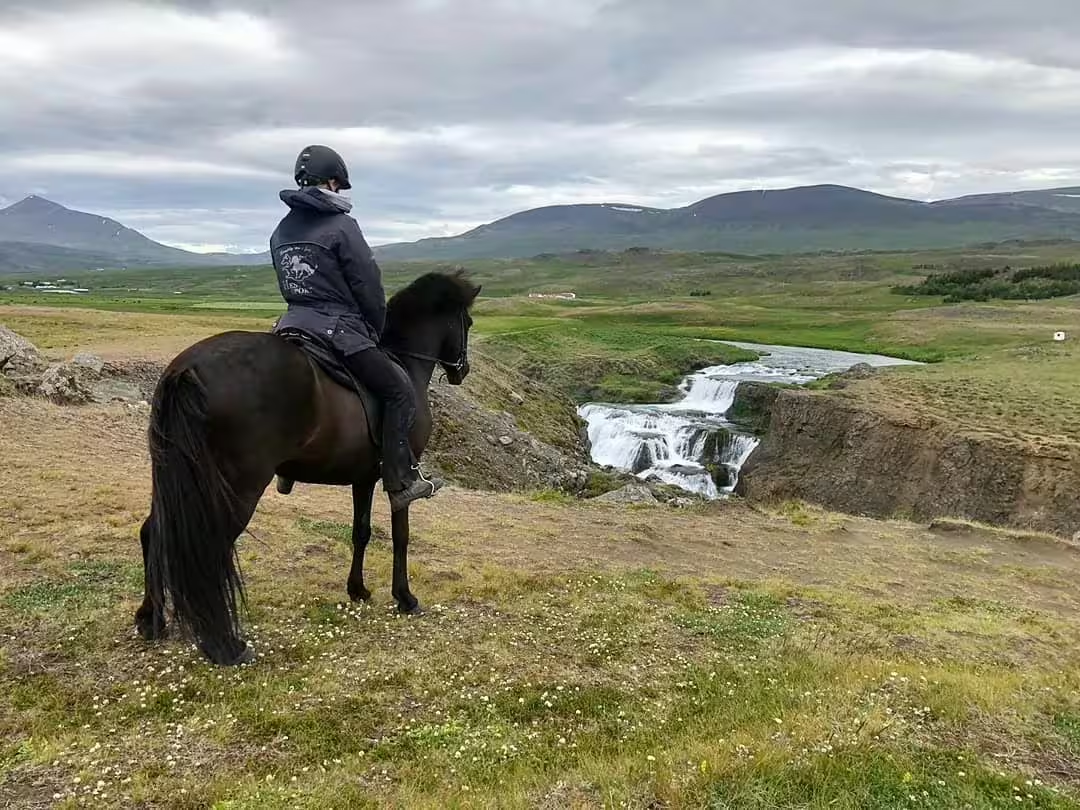
A ride to Reykjafoss puts the waterfall at the centre of a horse outing. Reykjafoss is around 7 km from Varmahlíð, so it is also a nearby option to keep in mind when planning the stop.
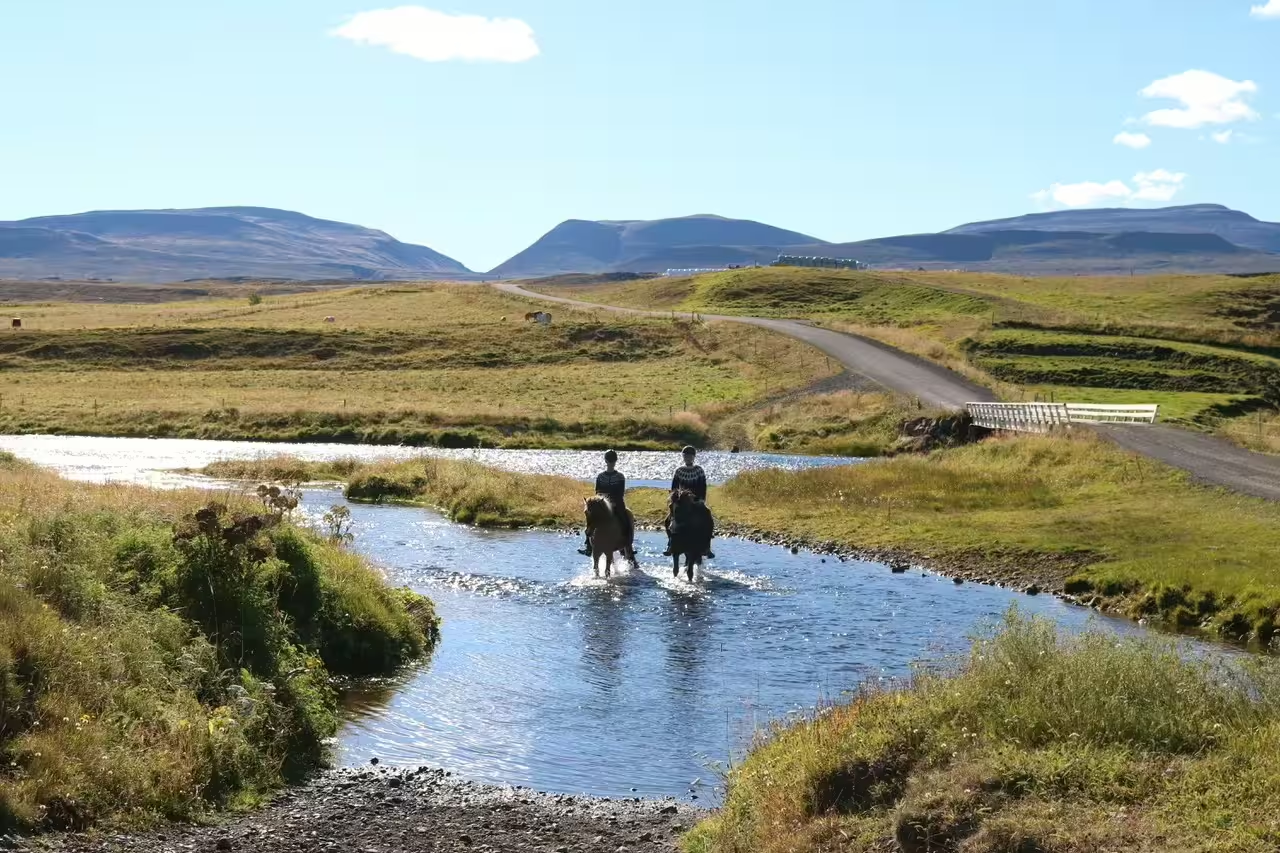
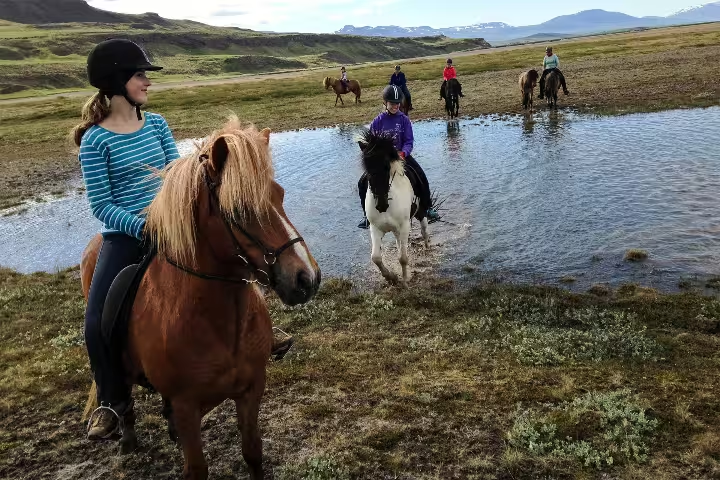
The North Iceland horse riding tour to Reykjafoss waterfall takes 1 hour and 30 minutes and includes a guided ride, an Icelandic horse, a safety briefing, riding instruction and a helmet.
A 30-minute ride leaves room in a suggested day for turf architecture as well as horses. The waterfall horse riding tour in Skagafjörður, Iceland includes a guided 30-minute ride, an Icelandic horse, a safety briefing from Hestasport staff and access to the Reykjafoss canyon viewpoint.
For the heritage part, Víðimýrarkirkja offers a surviving example of Iceland's turf churches. The church at Víðimýri in Skagafjörður dates from 1834. Glaumbær adds a domestic example: scarce timber led its builders to make walls from stone and turf arranged in a herringbone pattern. Its buildings span the middle of the 18th century to an extension from 1876-79; the final inhabitants left in 1947.
Two days is a suggested plan for horses, turf buildings and Hólar: devote the first to a horse outing, Reykjafoss and Víðimýrarkirkja, then the second to Glaumbær and Hólar. That splits the visit between outdoor activity and the buildings that tell the area's history.
Hólar rewards the history-focused part of that plan with a church built in 1763 from red sandstone taken from Hólabyrða mountain. Hólar was the seat of a bishop from 1106 until the end of the 18th century. Auðunarstofa is a replica, finished in 2002, of a wooden house built at Hólar in 1316 and 1317 and torn down in 1810. A printing press worked there at intervals between 1530 and 1799, adding another strand to the visit beyond church architecture.
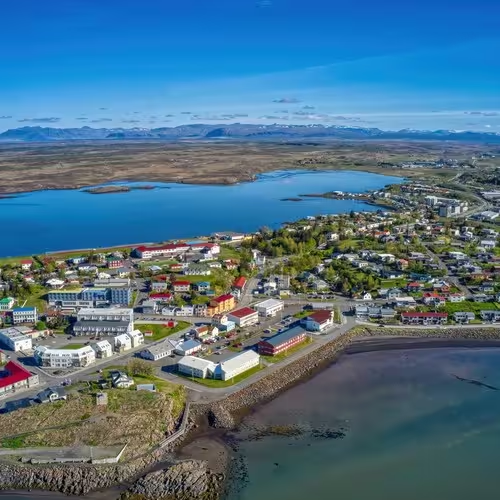
Sauðárkrókur suits a suggested coastal outing for beach scenery and birdlife. It stands on the south-west shore of Skagafjörður, with Borgarsandur's black sand extending almost 4 km to the east. The Héraðsvötn river mouth offers birdlife, while the Nafir hills above Sauðárkrókur are ancient sea cliffs.
Culture gives a reason to stop throughout the year: Miðgarður Cultural Centre offers entertainment across the seasons. The men's choir Karlakórinn Heimir is also based in Varmahlíð. For a road itinerary, Varmahlíð fits as a stop along highway 1.
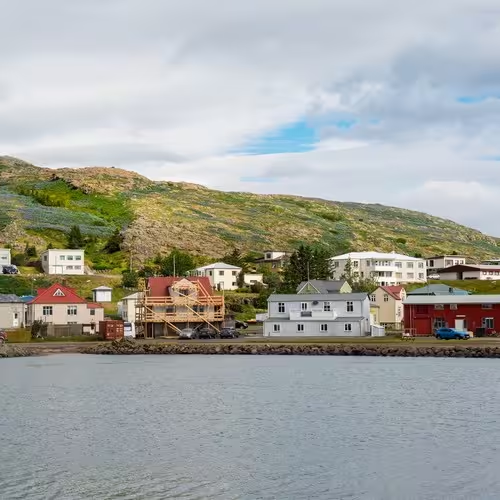
Hofsós stands on the eastern coast of Skagafjörður. Its history stretches back more than 400 years.
The bay contains three islands, named Málmey, Drangey and Lundey.
Hólar University is based there today. Hólar has played a role in culture and education for almost a thousand years.