Sparta: tours, Mystras and ancient sites
In the southeast of the Peloponnese, Sparta belongs to the region of Laconia. The ancient settlement developed beside the Eurotas, within a fertile valley. Sparta is also the capital of Laconia, with a role in the region's administration, economy and culture.
Sparta tours
The ancient Greece day trip to Olympia, Mycenae and Sparta lasts 12 hours and includes a licensed professional guide for all sites, a meal and an itinerary adapted to the group's preferences.
The full day tour of ancient Sparta, Mystras and Kaiadas in Greece lasts 10 hours and includes return transport from Athens, a licensed professional guide, visits to the archaeological site of ancient Sparta, Kaiadas cave and its landscape, and Mystras, plus a stop at the Museum of the Olive Tree and a meal.
Mystras
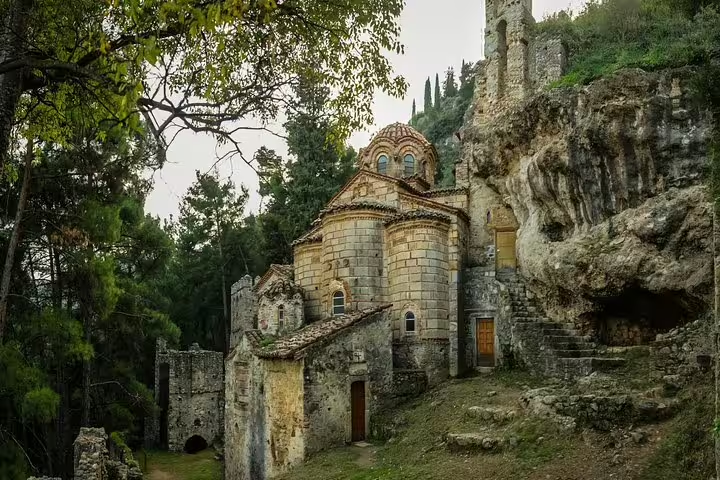
After antiquity, Mystras took over as Laconia's political and cultural centre. Mystras lies a few kilometres west of Sparta, on the slopes of Mount Taygetos. Its steep hill provides natural fortification in front of the eastern slopes of the Taygetos mountains. William of Villehardouin, the Frankish ruler of the Peloponnese, had a castle built on the hilltop in 1249.
During the 14th and 15th centuries, Mystras was the capital of the Byzantine Despotate of the Morea. Commerce was concentrated in the Lower Town. The Palace of the Despots is a surviving Byzantine palace complex in Greece. The archaeological site also contains the Mystras museum. UNESCO added Mystras to its World Heritage List in 1989.
Mystras was abandoned during the 1830s, when the new town of Sparta was built. Nuns continue to live in the Pantanassa Monastery at Mystras.
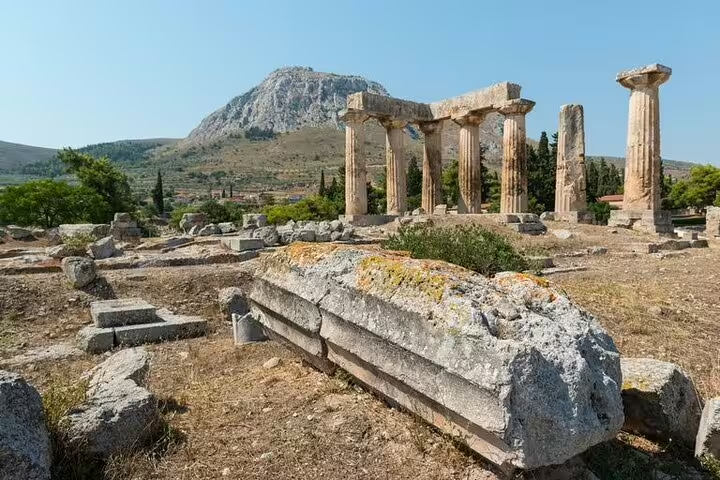
The full day guided tour to Sparta and Mystras from Athens lasts 12 hours and 30 minutes and includes a certified driver who speaks English, a stop at the Corinth Canal, and visits to the Sparta Archaeological Museum area, the Olive Oil Museum and Mystras.
Sparta in Greece
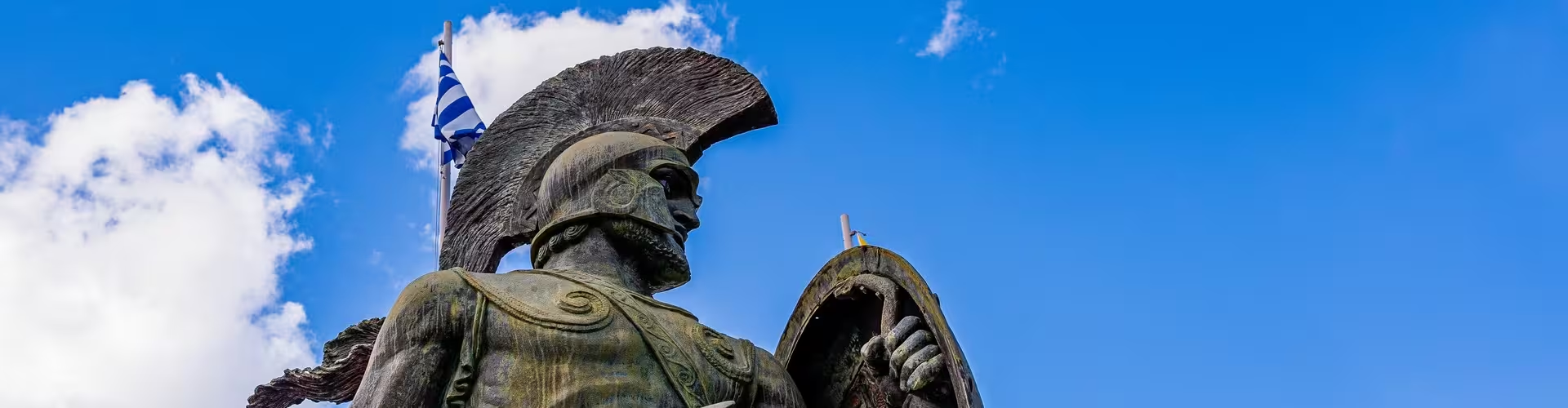
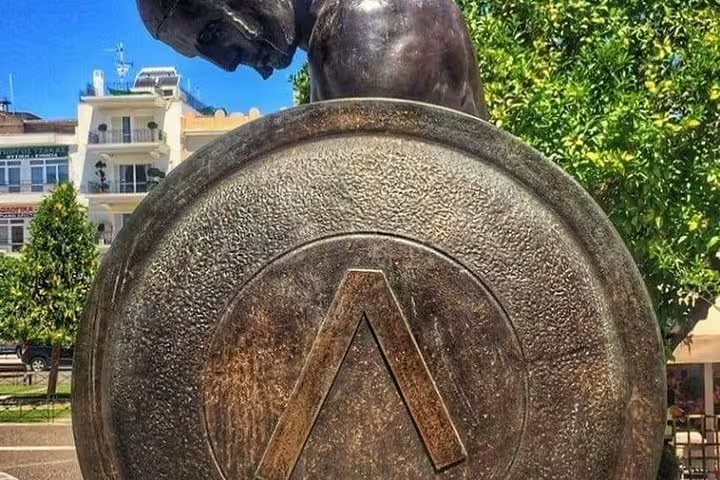
Modern Sparta was established again in 1834 under a decree issued by King Otto of Greece. In the Peloponnesian War, fought from 431 to 404 BC, Sparta headed the Peloponnesian League in opposition to the Athenian Empire. On the last day Leonidas stayed with his 300 Spartans, about 700 Thespians and 400 Thebans; according to Herodotus, the Thebans surrendered before the end.
Remains at ancient Sparta include the Agora, the Theatre and the Temple of Artemis. The Sanctuary of Artemis Orthia stands beside the southern bank of the Eurotas at ancient Sparta. The surviving temple dates from the early sixth century BC and was substantially restored in the early second century BC.
East of Sparta beside the Eurotas is the Menelaion, a shrine linked to Menelaus. It stands on a ridge about 5 km from the modern city.
Sparta occupies the eastern foothills of Mount Taygetos, in the valley of the Eurotas River. Mount Taygetos reaches about 2,400 metres. Dense woodland covers its slopes, with Greek fir making up much of the forest. The Eurotas has a total length of 82 km.
Museums and olive culture
The Archaeological Museum of Sparta opened in 1876, in a building designed by G. Katsaros and built between 1874 and 1876. Another museum in Sparta explores olive culture and the technology used in olive production. Laconia produces extra virgin olive oil with PDO and PGI designations.
Frequently asked questions
Where is Sparta?
Sparta is in Laconia, in the southeastern Peloponnese, within the Eurotas valley.
What remains at ancient Sparta?
The ancient site contains remains of the Agora, the Theatre and the Temple of Artemis.
Is Mystras a UNESCO World Heritage Site?
Yes, Mystras joined the UNESCO World Heritage List in 1989.
How far is Mystras from Sparta?
Mystras lies a few kilometres west of Sparta, on the slopes of Mount Taygetos.
What does Sparta's olive museum cover?
The museum covers olive culture and the technology of olive production.