Last updated:


Bonn suits a trip that mixes music and art with gardens, rather than filling every day with the same kind of visit. The Beethoven-Haus, August Macke House and Bonn University Botanic Gardens give you different interests to build a visit around.
For music and art, make the Beethoven-Haus and August Macke House the focus of your sightseeing. More than 100 original objects connected with Beethoven are on display at the Beethoven-Haus. At the August Macke House, the interest is the setting: this was both the artist's home and his studio. For his paintings, the Kunstmuseum Bonn collection includes Vegetable Fields, dated 1911. For a trip centred on art, the August Macke House and Kunstmuseum Bonn make a coherent pair.
If your interests run to history or science, leave room for the Haus der Geschichte or the Arithmeum instead. The Haus der Geschichte has a permanent exhibition about Germany from 1945 onwards, while the Arithmeum traces mechanical calculation through its collection. These offer different subjects for a museum visit, so your interests can guide the choice.
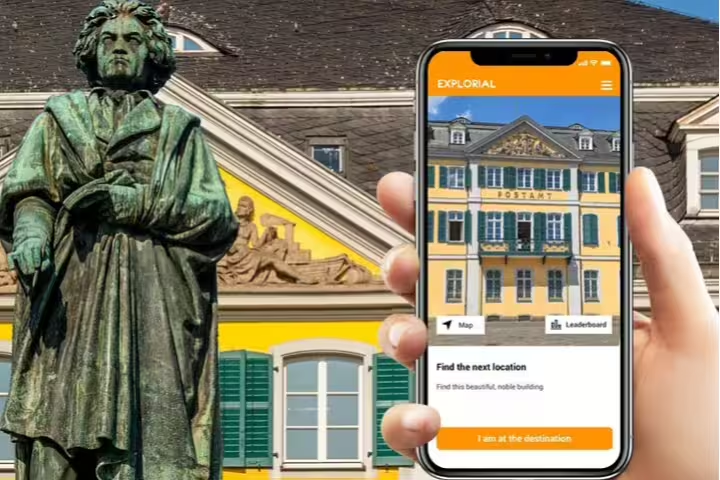
For sightseeing with puzzles, the Bonn self-guided walking tour and scavenger hunt lasts 2 hours and includes a smartphone scavenger hunt, riddles and clues, and historical and cultural information at each stop. English and German are included language options.
Two days are a useful plan for combining museums, architecture and gardens without making the whole visit about one subject. On the first day, pair the Beethoven-Haus with the Old Town Hall and Sterntor. The Old Town Hall dates from 1737 and 1738 and has a Rococo facade; the Sterntor contains surviving pieces of the medieval city wall.
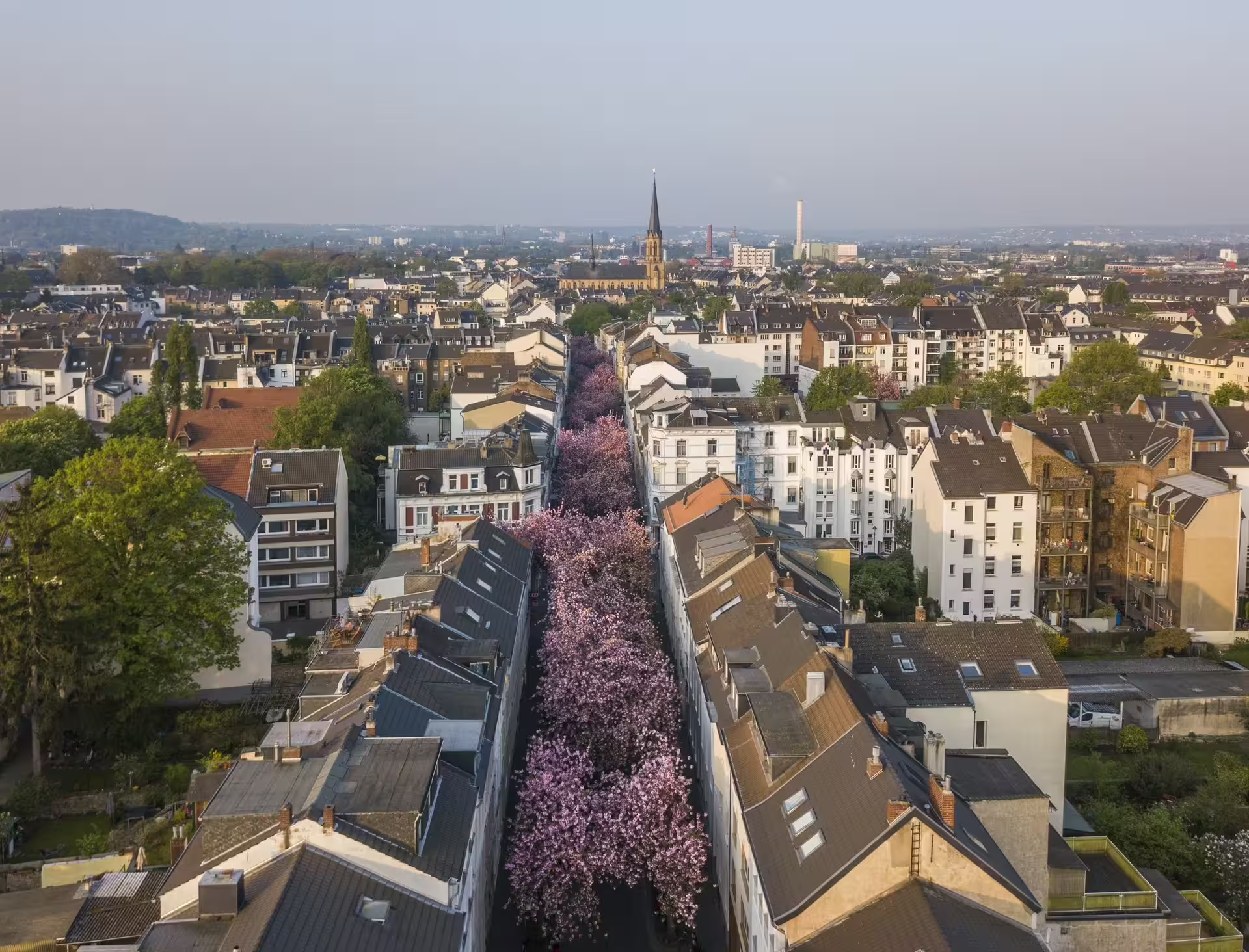
The self-guided audio walking tour of Bonn in 7 languages lasts 3 hours, with app access, audio in 7 languages, a route of 25 or more stops and a downloadable offline map included.
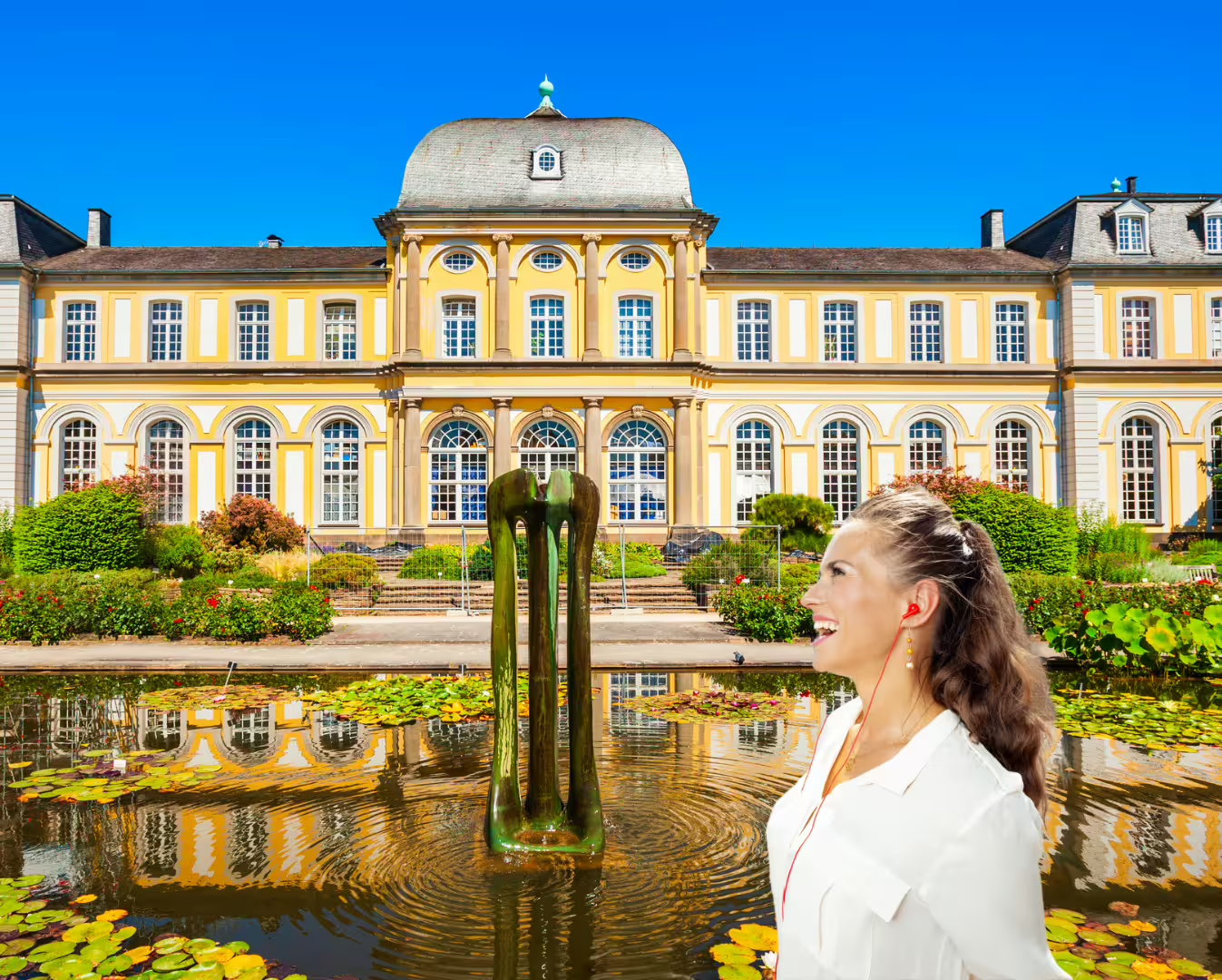
The second day can focus on Poppelsdorf Palace and the Bonn University Botanic Gardens, with Rheinaue as an alternative for park time. Poppelsdorf Palace once served as a pleasure palace for Cologne's archbishops and electors. Around 10,000 plant species, representing 388 families, are cultivated in the university gardens. Rheinaue offers a different outdoor focus: the leisure park was finished for the 1979 Federal Garden Show and extends across 160 hectares, of which 35 are on the Rhine's right bank.
September suits a trip built around Pützchens Markt, which traditionally takes place on September's second weekend. A museum visit makes a good alternative on a rainy day when time in the gardens is interrupted.
Bonn Hauptbahnhof is a useful point for planning airport and regional connections, with the SB60 bus and light rail line 66 serving different journeys. For Cologne Bonn Airport, the SB60 provides the connection with Bonn Hauptbahnhof. For Siegburg station or Bad Honnef, line 66 links both with Bonn Hauptbahnhof.
Bonn is the Bundesstadt, or federal city: the Berlin/Bonn Act of 1994 divided tasks between Berlin and Bonn, and federal ministries are based in both cities. The term was borrowed from Switzerland.
Yes, HARIBO began in Bonn: Hans Riegel set up the confectionery company there in 1920.
Yes, Düne Tannenbusch protects the remains of an inland dune whose formation dates back about 10,000 years. The nature reserve extends over roughly seven hectares.