Cologne Region

logoBlack

Build your dream
experience

dreamimg

More to know about Cologne Region


Cologne Region Travel Guide

Cologne Region is a river shaped destination where Gothic grandeur, contemporary culture, and everyday Rhineland warmth meet within easy reach of each other. Expect a mix of landmark sightseeing, café life, and scenic waterside moments, plus quick connections to castles, vineyards, and smaller historic towns. This guide helps you decide what to prioritize, how to get around efficiently, and how to plan a trip that fits your pace in the Cologne Region.


Snapshot

The signature vibe of the Cologne Region is confident and convivial, with big city energy anchored by the Rhine and softened by local traditions. It is a strong choice when you want culture and day trips without complicated logistics, because major sights and transport links sit close together. Go when you want a balanced itinerary, you can pair museum time and neighborhoods with river views and nearby escapes.


🗺️ Geography and Logistics

📍 Orientation: Where is it within North Rhine-Westphalia and Germany?

Cologne Region sits in western Germany in North Rhine-Westphalia, oriented around Cologne and the Rhine corridor. The Rhine acts as a natural reference line for planning, many neighborhoods and headline sights are easiest to understand as either riverside or a short walk inland. For gateways, plan around Cologne as the primary hub, then use regional rail to connect to nearby towns and day trip areas across North Rhine-Westphalia.

🕒 When to Go: Seasonal breakdown

Seasonality in the Cologne Region affects both atmosphere and logistics. Warmer periods encourage long riverside walks and outdoor seating, plus later daylight for photography. Cooler periods shift the focus toward museums, churches, and cozy pubs, and they can feel calmer for those who prefer fewer crowds. If avoiding peak crowding matters, aim for shoulder season timing, then book key attractions ahead when you expect higher demand.

💰 Budget & Currency

Germany uses the euro, and the Cologne Region is generally straightforward for card payments, especially in hotels, larger restaurants, and major attractions. Still, keep some cash for small purchases, kiosks, and older style pubs where it can speed things up. To manage costs, prioritize a compact sightseeing plan each day, because the more you walk and use regional transit smartly, the less you spend on short rides.


⭐ Essential Things to Do

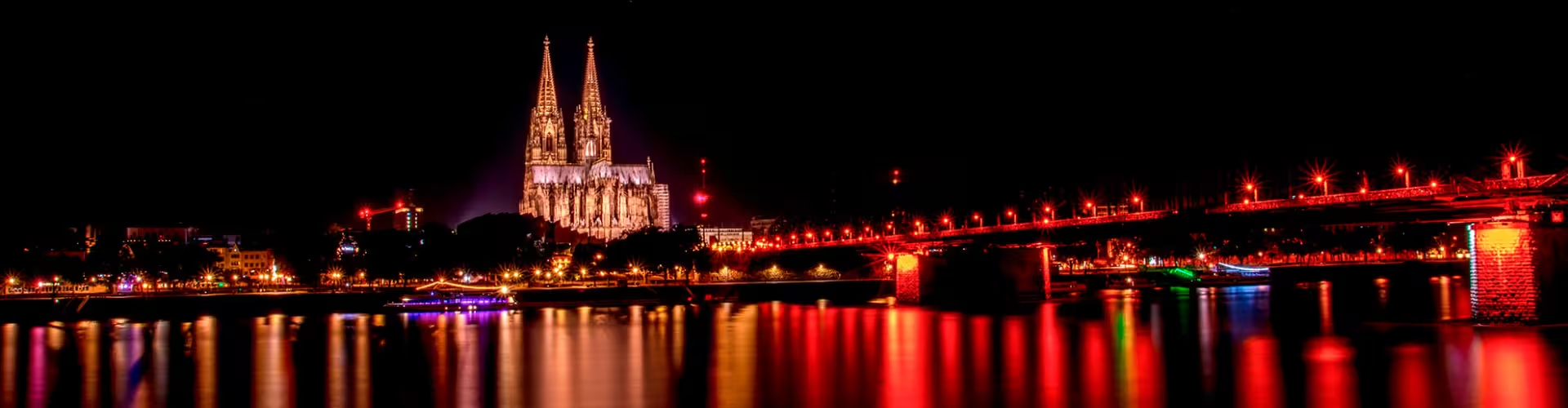
Cologne Cathedral. This is the landmark that defines the skyline and the emotional center of a first visit, with a scale that feels both monumental and intimate once you step inside. It matters because it anchors your sense of place, you can orient the rest of the city from here. Practical tip, go early for a quieter atmosphere, then return later to see how the light changes across the stone.

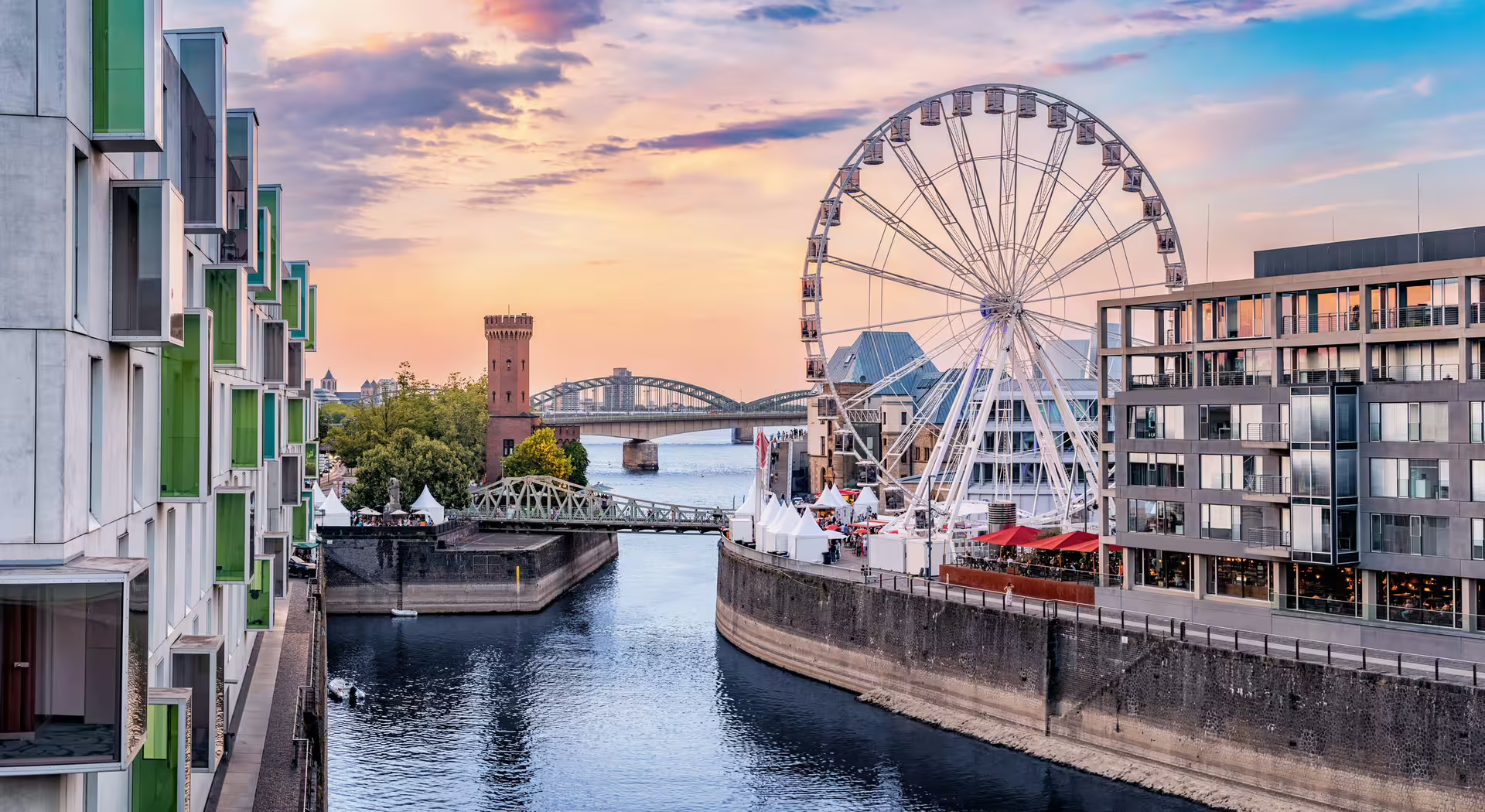
Rhine River Promenade Walk. The Rhine is not just scenery, it is the city’s rhythm, with bridges, boats, and wide views that help you reset between sights. It matters because it gives you a low effort way to experience the city’s character, especially if you are short on time. Practical tip, choose a stretch that links two attractions so the walk becomes part of your route rather than an extra activity.

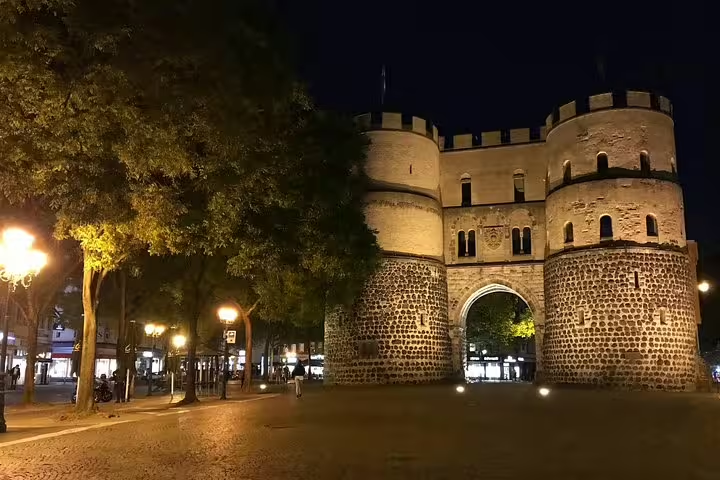
Old Town and Historic Squares. The older streets and plazas deliver the classic city texture, colorful facades, small lanes, and a steady flow of local life. It matters because it is where the Cologne Region feels most immediate, you can pause for a drink, people watch, and absorb the pace. Practical tip, go with a loose plan, then let your route zigzag, you will often find the best corners by wandering.

Museum Time for Art and History. Cologne supports a strong museum culture, which is ideal when weather shifts or you want a deeper read on the region’s story. It matters because museums add context, they turn a photo focused trip into a more complete understanding of place. Practical tip, pick one major museum per day, then balance it with an outdoor neighborhood walk to avoid fatigue.

Neighborhood Cafés and Local Streets. Beyond headline sights, the city’s neighborhoods are where you feel daily Cologne, bakeries, small shops, and casual bars. It matters because it is the easiest way to avoid a checklist trip, and it often produces your most personal memories. Practical tip, set a simple goal like finding a bakery breakfast, then build your morning around it.

Bridge Views and City Panoramas. Bridges across the Rhine create natural viewpoints and strong photo angles back toward the cathedral and the riverfront. It matters because it gives you a sense of scale, you see how the city is arranged and how the Rhine connects districts. Practical tip, time a bridge walk for late afternoon light, then continue into dinner nearby.

Rhineland Beer Culture in a Traditional Pub. Cologne’s beer culture is part of its social language, and a traditional pub is a direct window into local etiquette and humor. It matters because it is a cultural experience, not just a drink, you learn how people gather and relax here. Practical tip, go earlier in the evening if you want conversation and a calmer pace.

Seasonal Markets and Events. When they are on, markets and public events add a sense of celebration and local identity. It matters because the Cologne Region can feel more vivid when you see people out for a shared occasion. Practical tip, check what is happening during your dates, then plan around it rather than forcing it into a packed schedule.


🚶 Curated Itineraries

⏰ The Highlights (1 Day)

Start with the cathedral area, then take a focused walk through the Old Town streets and historic squares. After lunch, add a museum visit for context, then reset with a Rhine promenade walk that includes a bridge crossing for skyline views. Finish with a traditional pub stop and a relaxed evening meal, keeping the route compact so you spend more time experiencing and less time commuting across the city.

⏰ Deep Dive (2 to 3 Days)

Day one follows the highlights, but slows down, add time for neighborhoods and café breaks so the city feels lived in rather than rushed. Day two can focus on culture and local streets, choose one museum, then spend the afternoon exploring a different district on foot, using the Rhine as your navigation line. If you have a third day, use it for a day trip beyond the center, then return for a final evening riverside, because the Cologne Region rewards repetition, the second look often feels richer than the first.


🍽️ Flavors of Cologne Region

Kölsch. Light, crisp, and designed for easy drinking, it pairs well with casual pub food and long conversations. Ordering tip, ask for it by name and follow the house rhythm, in traditional spots it often arrives smoothly as you finish each glass.

Rhineland comfort dishes. Expect hearty flavors and satisfying portions, especially in traditional pubs and classic restaurants. Ordering tip, if you want something filling after a long walking day, choose a house specialty rather than an international option.

Bakery breakfast culture. Fresh bread, pastries, and simple spreads are a practical way to start early sightseeing without a long sit down meal. Ordering tip, go early for the best selection, then take your breakfast to a nearby square or riverside bench.

Café and cake pause. A mid afternoon cake break fits the local pace and helps you recharge between neighborhoods. Ordering tip, choose one cake you do not recognize, it is an easy way to try something new without overthinking.

Market snacks. When markets are running, small bites let you sample multiple flavors without committing to a full meal. Ordering tip, walk a full loop first, then buy, it prevents impulse choices and helps you spot the best looking stalls.


🚌 Navigation & Transport

The city core is walkable, and walking is often the most rewarding way to experience the Cologne Region because many highlights sit close together and the streets reveal details you miss from transit. Public transport is useful for longer hops and for connecting to outlying districts, and regional rail is the backbone for day trips. If you use ride services or taxis, treat them as a backup for late evenings or time sensitive transfers rather than your default, because traffic can slow short trips. For safety and comfort, keep normal city awareness in busy areas and stations, and if accessibility matters, plan routes with fewer stairs and allow extra time around older streets and riverside paths.


🌄 Beyond the Center: Day Trips

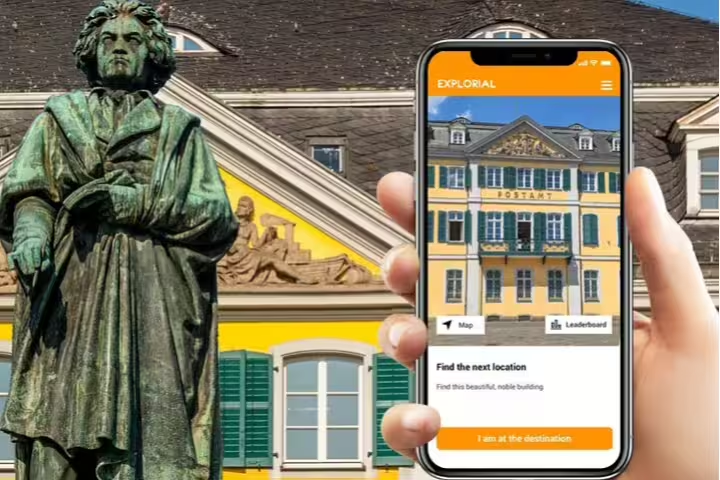
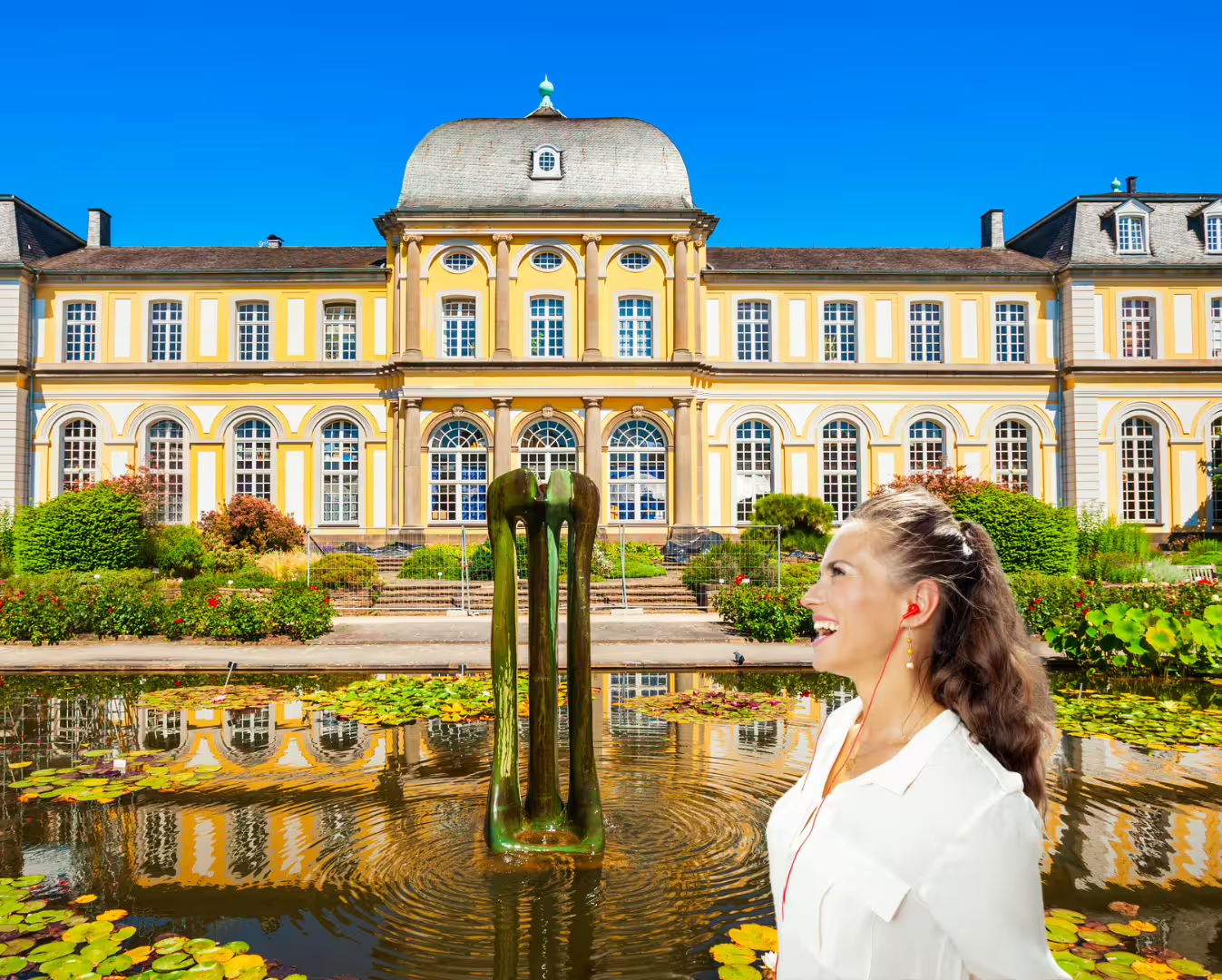
Bonn. A straightforward regional rail ride from Cologne, Bonn offers a calmer city feel with cultural sights and a different Rhine perspective. Primary reason to visit, it is an easy contrast day that still feels connected to the same river story.

Düsseldorf. Reachable by regional rail, Düsseldorf adds a modern, style forward vibe and a different urban rhythm. Primary reason to visit, it broadens your sense of North Rhine-Westphalia without adding complex planning.

Rhine Valley towns and viewpoints. The Rhine corridor leads to smaller towns, scenic overlooks, and classic river landscapes. Primary reason to visit, it delivers the postcard version of the Rhine, which complements the city experience in the Cologne Region.

Eifel region edges. Using rail plus local connections, you can angle toward greener landscapes and a slower pace. Primary reason to visit, it is a nature leaning break if your itinerary has been museum and architecture heavy.


✅ Insider Tips for Travelers

  • Prioritize one major anchor sight per half day, then fill the rest with walking and neighborhoods, it keeps the trip enjoyable and realistic.
  • Use the Rhine as your navigation tool, plan routes that naturally drift back to the river so you never feel lost.
  • If you are visiting top attractions, consider timed entry options when available, it can reduce waiting and protect your schedule.
  • Pack comfortable shoes, the best moments often come from unplanned detours across bridges and side streets.
  • In traditional pubs, observe local pacing and etiquette, it helps you blend in and enjoy the experience more.
  • Keep a small amount of cash for quick purchases, it saves time in smaller venues.

❓ Frequently Asked Questions, FAQ

What is the best way to plan a first visit?

Start with the cathedral area and the Old Town, then add a Rhine promenade walk to connect the city’s main visual landmarks. Keep your route compact so you spend more time exploring on foot.

How many days do I need for the Cologne Region?

One day covers the core highlights at a fast pace, but 2 to 3 days lets you add neighborhoods, a museum, and a day trip. The extra time makes the Cologne Region feel less like a checklist and more like a lived experience.

Is public transport necessary, or can I walk?

Many central sights are walkable, and walking is often the most rewarding option. Public transport helps for longer hops and regional rail is key for day trips.

Should I carry cash?

Cards are widely used, especially in larger businesses, but cash is still useful for small purchases and some traditional venues. Carrying a small amount can speed up quick stops.

What are easy day trips from Cologne?

Bonn and Düsseldorf are practical by regional rail and give you a different city atmosphere without complex planning. Rhine Valley outings also pair well with a Cologne Region stay when you want classic river scenery.