Preserved County Gwynedd stands as one of Wales' most dramatic and historically rich regions, nestled in the northwest corner of the United Kingdom. Home to Snowdon, the highest peak in Wales, and the medieval strongholds of Caernarfon Castle and Harlech Castle, this area captivates visitors with its rugged mountains, ancient history, and Welsh cultural heritage.
What to see in Preserved County Gwynedd
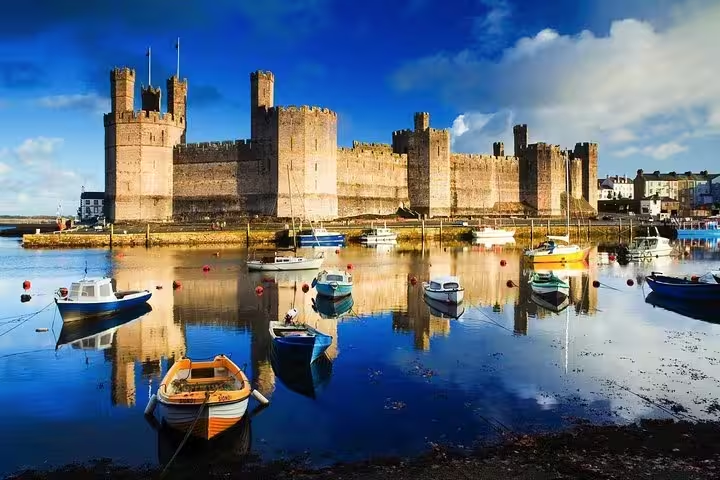
The region's most iconic attractions include Snowdonia National Park, offering breathtaking mountain landscapes and hiking opportunities. Medieval castles dot the coastline, including the UNESCO World Heritage sites of Caernarfon Castle and Harlech Castle, which showcase impressive 13th-century architecture and storytelling exhibitions.
Things to do in Preserved County Gwynedd
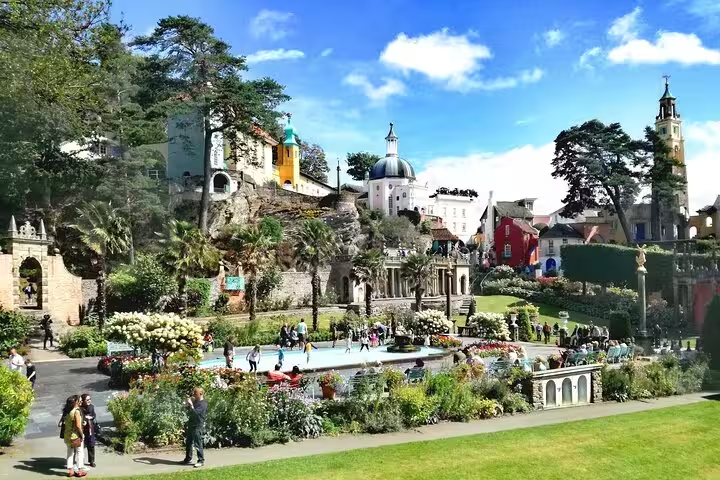
Visitors can summit Snowdon via the mountain railway or challenging hiking trails, explore coastal villages like Portmeirion with their unique architecture, and embark on scenic train journeys through mountain valleys. Water-based activities include kayaking on Snowdonia's lakes and coastal sailing adventures along Cardigan Bay.
Welsh Cultural Heritage and Castles
Gwynedd remains the heartland of Welsh language and culture, where Welsh is widely spoken in communities. The region's castle network represents some of medieval Europe's finest military architecture, built during the Norman conquest period and now offering immersive historical interpretations and panoramic views across the landscape.
Preserved County Gwynedd is located in northwestern Wales, within the United Kingdom. It encompasses the Snowdonia mountain range, including Snowdon (Yr Wyddfa), Wales' highest peak at 1,085 meters. The region stretches from the Irish Sea coast to inland mountain valleys, covering historic market towns and traditional Welsh-speaking communities. Geographically, it represents one of Britain's most distinctive and rugged landscapes.
Gwynedd represents a crucial center of Welsh language preservation and cultural continuity. The region historically served as the last stronghold of independent Welsh princes before English conquest in 1282. Its castle network symbolizes both Norman military ambition and subsequent Welsh resistance. Today, Gwynedd maintains Welsh as its primary community language and hosts numerous cultural festivals celebrating Welsh traditions, music, and literature throughout the year.