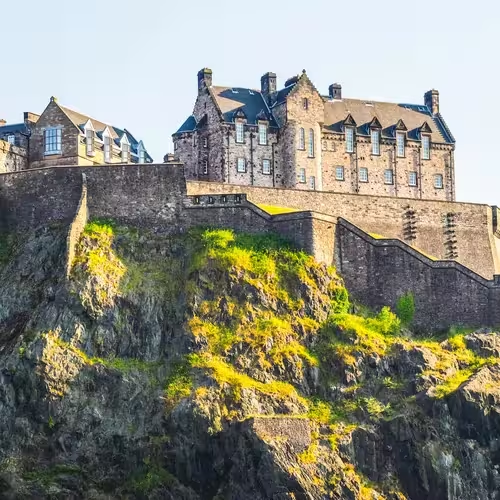
Edinburgh, Scotland: what to see and do
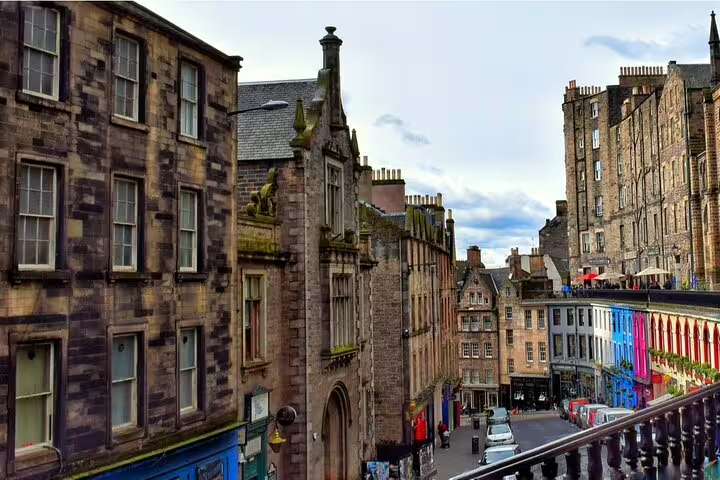
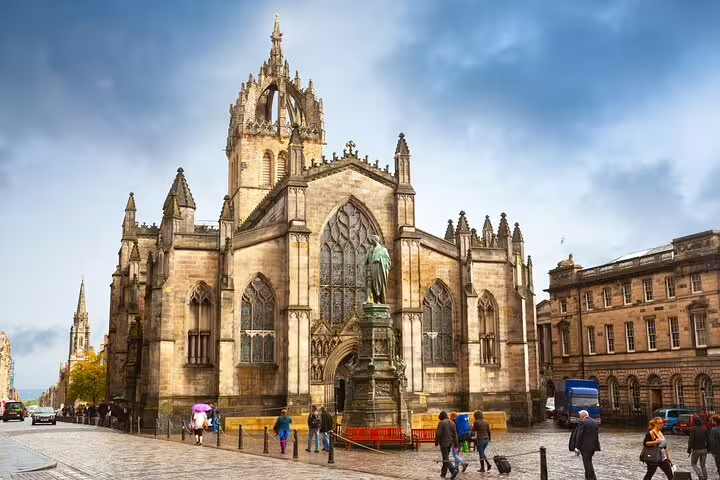
Edinburgh has been Scotland's capital since the 15th century. UNESCO granted World Heritage status to the city's Old and New Towns in 1995. Together, the medieval Old Town and the formally arranged New Town account for 4,500 buildings within the heritage site.
Things to do in Edinburgh
The Scott Monument has 221 steps leading to its top. Founded by the Town Council under a royal charter of 1582, the University of Edinburgh opened to students in 1583.
The Edinburgh Harry Potter self-guided game and tour lasts 1 hour and 5 minutes and includes a downloadable mobile game, an original narrative, clues, challenges and directions.
A self-guided Edinburgh walking tour with an audio guide lasts 3 hours and includes the CityAppTour app with GPS navigation, commentary in seven languages and a detailed digital route map.
The Edinburgh self-guided audio walking tour with GPS map lasts 3 hours and 30 minutes and includes 24 commentaries in French, English and Spanish, an interactive 3D navigation map and offline app access after downloading.
An Edinburgh outdoor escape game with a romantic self-guided tour lasts 1 hour and 15 minutes and includes the mobile game app, a story by professional authors, clues, challenges and directions between locations.
Edinburgh Castle and the Royal Mile
Edinburgh Castle and the Palace of Holyroodhouse are linked by the Royal Mile. At the castle, Queen Margaret died in 1093, before later being recognised as a saint. A Scottish raid carried out at night recovered the castle from English control in 1314. King James IV's Great Hall at the castle was finished in 1511. The castle fell to capture in 1639 after 30 minutes.
Holyroodhouse began as an Augustinian monastery established by David I in 1128. James IV had a palace built next to Holyrood Abbey in 1501 for himself and Margaret Tudor, his bride. A substantial tower was added to Holyroodhouse by James V between 1528 and 1532.
The New Town and Holyrood architecture
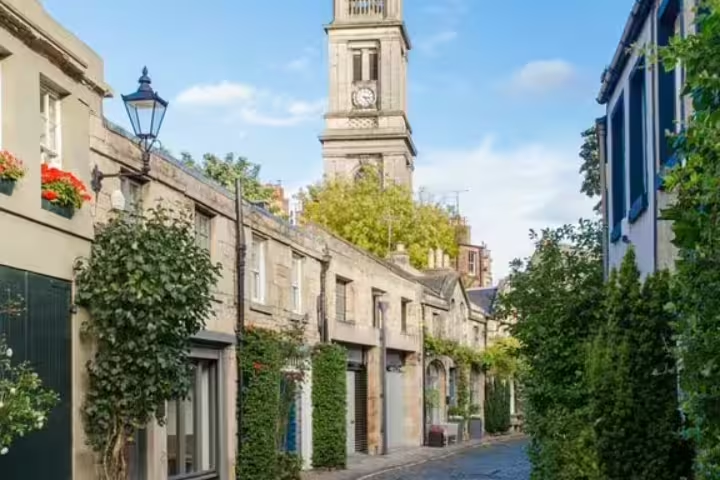
The New Town's Georgian plan dates to 1767. Its formal layout reflects Enlightenment planning of the 18th and 19th centuries. Within the World Heritage Site, architectural or historical significance gives listed status to over 75% of buildings.
At Holyrood, an international competition led to the selection of Enric Miralles as architect for the Scottish Parliament building. Queen Elizabeth II inaugurated it in 2004. Its branching form draws on Scotland's architectural past and echoes the landscape.
Arthur's Seat and the botanic garden
Arthur's Seat was a small composite volcano whose eruption took place roughly 342 million years ago during the Lower Carboniferous. Its volcanic layers include numerous lava flows (estimates range from 13 to over 20), separated by layers of volcanic ash (tuff).
Sir Andrew Balfour and Sir Robert Sibbald established the Royal Botanic Garden Edinburgh in 1670 as a physic garden close to Holyroodhouse. A royal warrant followed in 1699.
Festivals and Hogmanay
Plans for Edinburgh's International Festival were made public on 24 November 1945. The Fringe's growing success prompted the formation of the Festival Fringe Society in 1958. Edinburgh's festival directors founded Festivals Edinburgh in 2007. The city's Hogmanay celebration began in 1993. The Torchlight Procession has traditionally opened the Hogmanay festivities.
How long has Edinburgh been Scotland's capital?
Edinburgh has been Scotland's capital since the 15th century.
Are the Old and New Towns a UNESCO site?
The Old and New Towns received UNESCO World Heritage status in 1995.
What does the Royal Mile connect?
The Royal Mile links Edinburgh Castle and the Palace of Holyroodhouse.
What is the geology of Arthur's Seat?
Arthur's Seat contains numerous lava flows (estimates range from 13 to over 20), separated by layers of volcanic ash (tuff).
What opens Edinburgh's Hogmanay celebrations?
The Torchlight Procession has traditionally opened the Hogmanay festivities.
Frequently asked questions