Highlands and Lowlands
The fault line that divides the Highlands from the Lowlands runs right across Loch Lomond & The Trossachs National Park, one of Scotland's two National Parks with the Cairngorms. The country also has 43 National Nature Reserves.
Ben Nevis is the highest mountain in the UK, and the village of Glencoe sits in a deep valley surrounded by mountains.
Glencoe can be visited from Edinburgh on the Private Edinburgh to Glencoe Highlands Day Trip.
Edinburgh
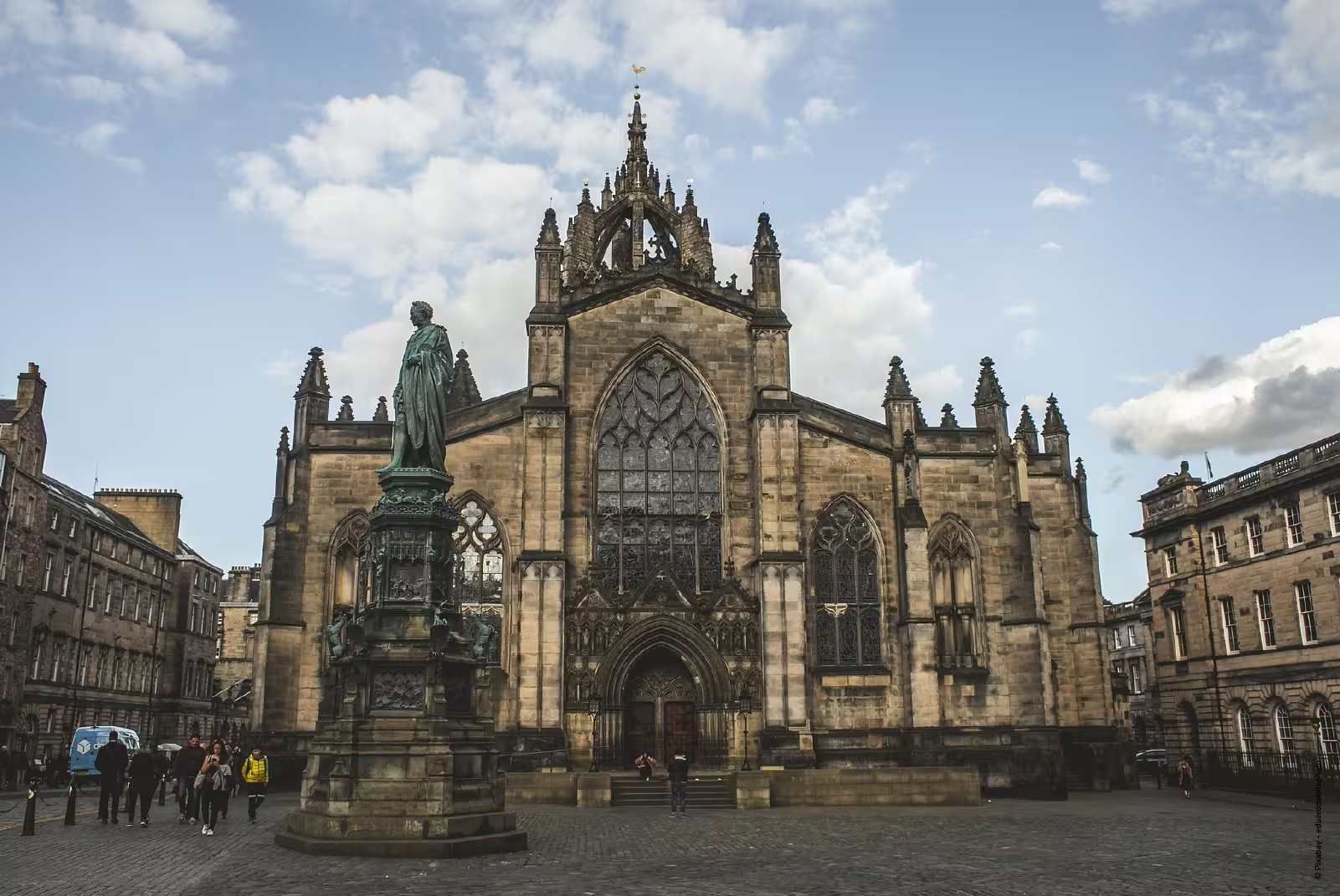
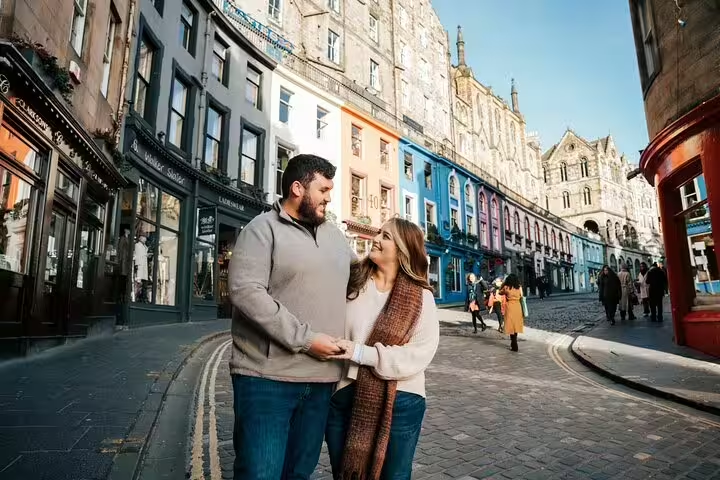
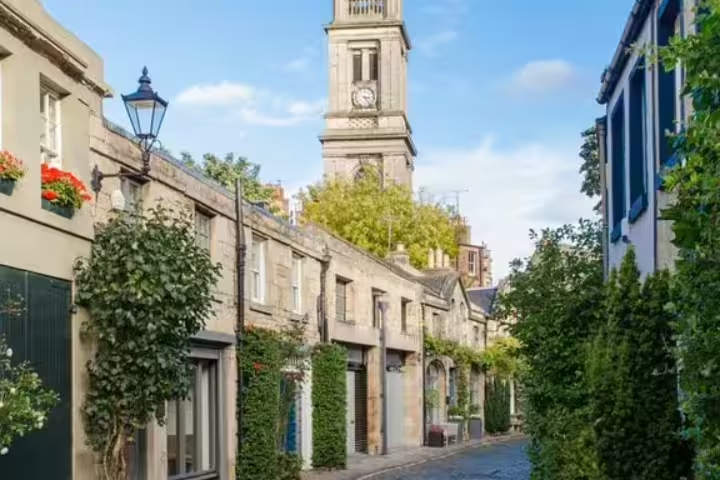
Edinburgh has been the Scottish capital since the 15th century. It has two distinct areas: the Old Town, dominated by a medieval fortress, and the neoclassical New Town.
Highlights of a visit to Edinburgh Castle range from the Royal Palace and Honours of Scotland to Mons Meg and the Scottish National War Memorial.
To explore the city at your own pace, there is the Edinburgh Self-Guided Audio Walking Tour with GPS Map.
Loch Ness and the Isle of Skye
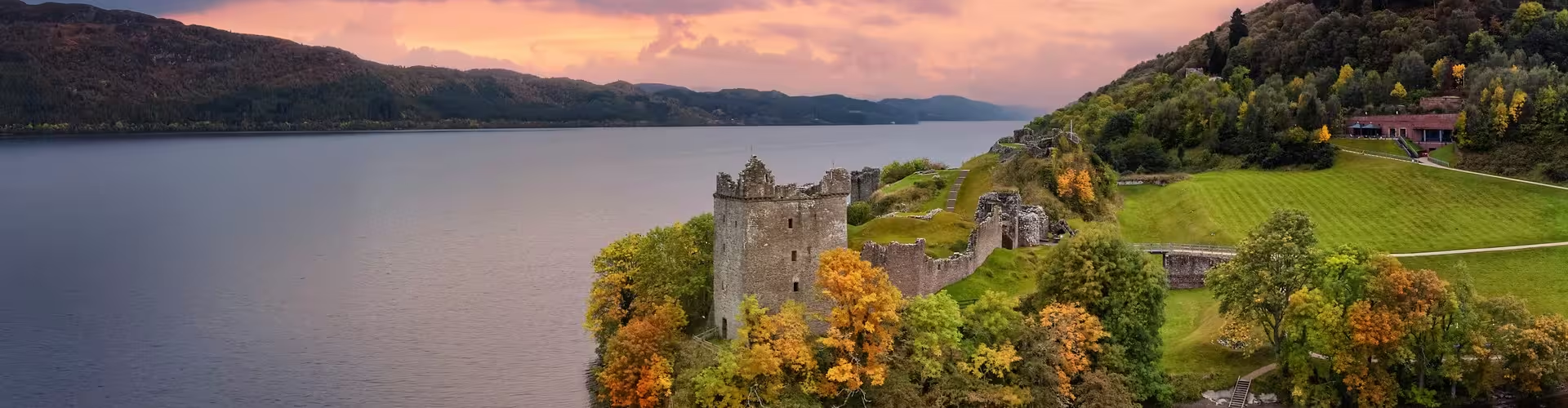
Loch Ness contains more water than all the lakes of England and Wales combined, which makes it the most voluminous lake in the UK. On its banks, Urquhart Castle has more than 1,000 years of turbulent history.
The Isle of Skye has mountain ranges and miles of coastline. Dunvegan Castle, on the island, is the oldest continuously inhabited castle in Scotland.
Languages and transport
English is the main language; Scots is spoken in many places too, and Gaelic in some parts of the country, particularly in the Outer Hebrides.
Trains, buses and ferries connect most cities, towns and islands, though services can be less frequent in rural and remote areas, and people drive on the left-hand side of the road.
Frequently asked questions
What is the weather like in Scotland?
Winter temperatures average from about 2 °C (36 °F) to 6 °C (43 °F), rising to around 12 °C (54 °F) to 19 °C (66 °F) in July and August.
How many UNESCO sites are there in Scotland?
As of 2026, Scotland has 16 UNESCO designations: seven World Heritage Sites, two Biosphere Reserves, three Global Geoparks and four Creative Cities.